Environmental protection and sustainability refer to practices and policies aimed at preserving natural resources and ecosystems for current and future generations. This involves reducing pollution, conserving wildlife, managing natural resources responsibly, and promoting the health of the environment.
AI-generated content
The debate centers on balancing wildlife conservation with economic and cultural practices. Advocates for bans argue that stopping ivory and shark fin sales is necessary to protect endangered species from illegal poaching and overexploitation. Opponents may point to traditional uses or the economic impact on communities dependent on these trades.
AI-generated content
Plastic pollution impacts wildlife, ecosystems, and human health by contaminating land and water environments. Consumers, businesses, and communities worldwide face challenges from waste management and pollution-related issues. Reducing plastic waste is critical to protecting biodiversity and maintaining clean natural resources.
AI-generated content
Water resource management must address competing demands for clean water amidst changing climate patterns, population growth, and pollution. Wildfire response involves mitigating fire risks, protecting habitats and communities, and adapting to increased wildfire frequency linked to climate change. Both require coordinated policy and resource stewardship to maintain ecosystem health.
In 1969, the City of Toronto expropriated land from many of the homeowner’s properties around the perimeter of the ravine to PROTECT the ravine lands from development . That historic move should not be in vain. City Council and the City of Toronto should oppose this development.
There should be no changes to the zoning and no damage in the form of development to this sensitive ecosystem.
I am 3rd generation growing up in this immediate area and have many memories of the ravine. I find it disgusting theses developers are even considering destroying this beautiful little spot of nature to line their pockets!!!
Trees bring shade,oxygen, a place for wildlife to live on , a place for people to sit under and enjoy, a place to decorate lights for Christmas, why cut it down? It provides so much benefit!
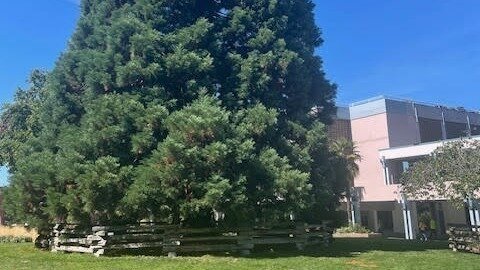
It's an icon, a staple of city hall and sentinel square, and it's a beautiful tree! No building or stand or empty grass space will replace its natural beauty and majesty. Tell me this how long has it stood there? Longer then the people who want it gone have been alive I'm sure of that. Shame on those who wish to take away this giant from the people and city of victoria.
As the City of Victoria grows so should this mighty tree, symbolizing strength and maturity, a link to the past and a promise to the future. The Centennial Square Sequoia is probably a last refuge for small birds and bats in downtown Victoria. Its removal would be environmentally criminal. City Council cannot abrogate it's responsibility by referring to this as a decision by past Councils and parks staff.
I have lived in Victoria my entire life, I remember visiting this tree when I was a child and the centennial square isn't complete without it. Not every public space needs to be reconstructed, the square just needs a mild cleanup. If the tree was sick or was a safety problem then I would understand, but the reason shown to cut it down is unnecessary.
It is amazing that in this day and age council would consider destroying a healthy tree to further a vanity project.
The destruction of a modern heritage site with architectural and sister city attributes to become a splash park is highly ill-conceived.
If you must have a splash park integate it into the Romeo site, a mere block away.
Do Not Destroy The Sequoia.