The biggest social problems in America right now and how you can help

The biggest social problems in America right now and how you can help
From the economy to healthcare, immigration, and more, learn about the pressing social problems facing communities in the United States and how advocates can make a positive difference.In this article you will learn:
The past year brought another wave of political upheaval. A record-length federal government shutdown, deepening partisan divides, and increasingly negative views of national leaders have only heightened people’s concerns about the direction of the country.
At the same time, 85% of Americans say politically motivated violence is increasing, a rare point of agreement across the political spectrum. Many cite hostile political rhetoric, hyper-polarization, and social media–driven division as key drivers of the instability they feel in their communities.
Against this backdrop, many people feel uncertain, disconnected, or powerless — but this moment also reflects something else: a growing desire for solutions and a renewed interest in taking action locally, online, and in community spaces.
It’s clear that Americans are not just concerned about social issues — they’re ready for change.
This guide breaks down some of the biggest social problems facing the U.S. today and how you can help address them.
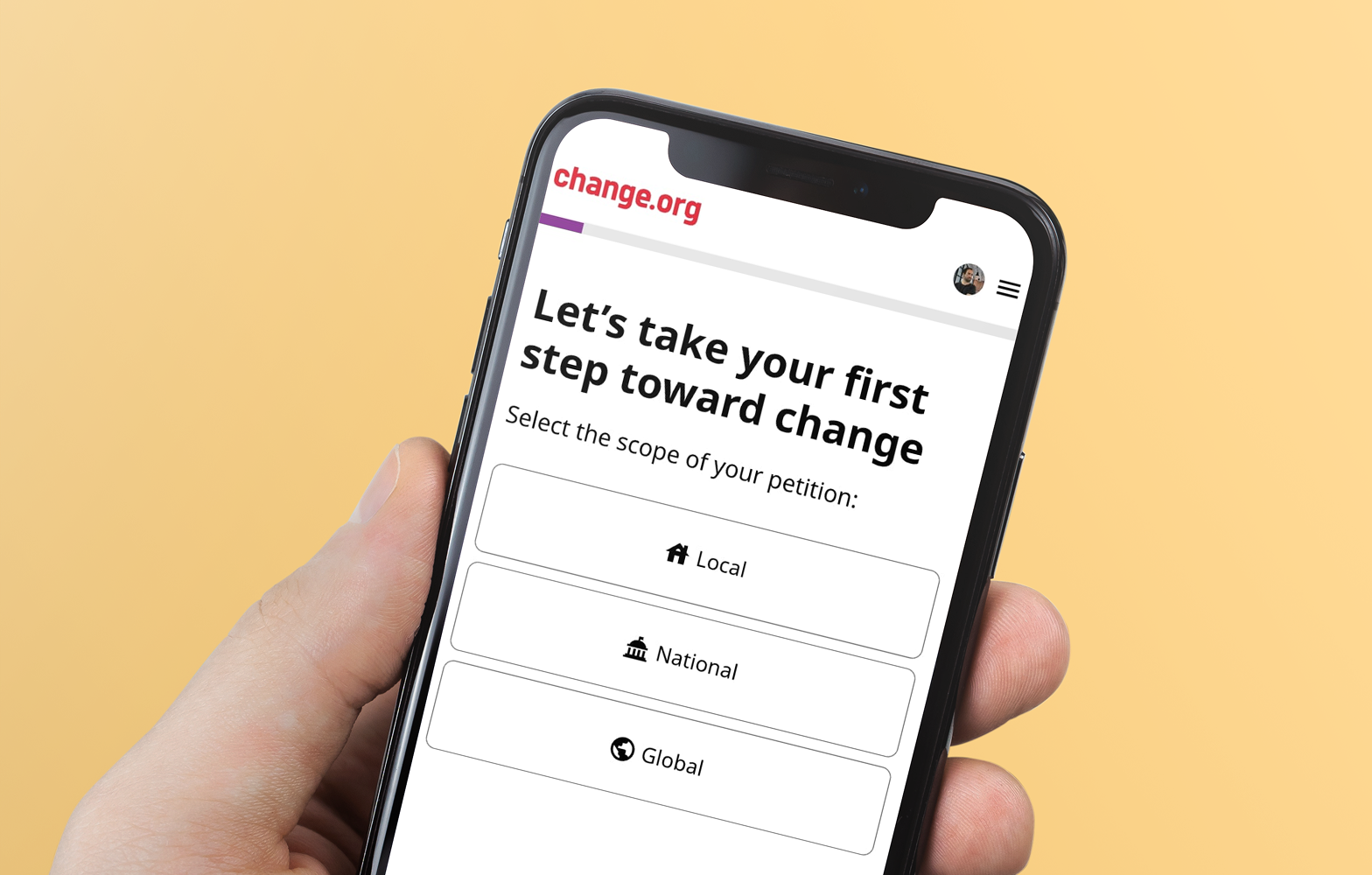
➡️ Ready to take action now? Start your petition and turn your concern into impact.
Economy and cost of living
From grocery aisles to gas pumps to paychecks, many people in the U.S. still feel like they’re falling behind financially.
Recent research shows that three-quarters of Americans (74%) say the national economy is “only fair” or “poor”. Just 26% say conditions are excellent or good.
When people explain why they feel this way, they often point to the same economic pain points:
High prices and day-to-day costs: 42% of Americans cite rising prices and personal expenses — including inflation, the general cost of living, and food and grocery prices — as key reasons for their negative view of the economy.
Tariffs and policy choices: 12% specifically mention the negative impacts of tariffs on prices and economic stability.
SNAP cuts and the social safety net: Recent cuts to food assistance through legislation like the One Big Beautiful Bill Act have made it harder for many low-income families to keep up with basic needs, especially as food and essentials grow more expensive.
Jobs, job quality, and opportunity: At least 4 in 10 Americans say they are very concerned about people who want to work being unable to find jobs, and many worry that the jobs available don’t offer real security or mobility.
Rapid AI data-center growth is expected to push energy bills higher: in some regions, new data centers have already added billions in grid upgrade costs and early estimates suggest U.S. electricity bills could rise around 8% by 2030 from data centers and crypto mining alone.
Combined with cuts to basic supports like SNAP and the ongoing impact of tariffs on prices, it’s not surprising that 46% of Americans expect the economy to be worse a year from now, and less than a third think it will improve.
Organizing, collective action, and petitions can help make progress.
Economic petition example: Powell’s Books workers
A group of booksellers are pushing back on unfair economic conditions in Portland, Oregon.
Powell’s Books — the world’s largest independent new and used bookstore — is a beloved community institution. But behind the shelves and author events, many workers were struggling to afford basic necessities like medicine, food, and rent on bookstore wages.
Their petition called on Powell’s leadership to agree to a fair contract that included living wages and accessible healthcare. The campaign gained momentum:
More than 20,000 people signed in support of Powell’s workers.
The pressure, combined with organizing on the ground and a strike, helped push negotiations forward.
In December 2023, workers announced a major victory:
10–19% increases to minimum wages for the lowest-paid job groups in the first year.
Annual wage increases, including a 28% raise for the average worker, on top of promotion-related increases.
Improved healthcare, lowering costs for the most common claims.
Stronger protections around inclement weather, layoffs, and recall rights.
➡️ Start your own petition about wages or workplace conditions
Health care access and affordability
Health care remains one of the most urgent social issues in America. Even though the U.S. spends more on health care than nearly every other wealthy nation, millions of people still can’t access or afford the care they need.
Rising premiums and shrinking coverage: This year, many Americans experienced sharp increases in health insurance premiums across both employer-sponsored and private plans. And with Medicaid eligibility tightening under the One Big Beautiful Bill Act, coverage losses are accelerating.
Medicaid cuts leave millions at risk: The Medicaid reductions passed in the bill have pushed many low-income families, people with disabilities, and rural communities into crisis. For many families, losing Medicaid doesn’t mean finding another insurance option — it means no insurance at all.
Mental healthcare access: Nearly 1 in 10 U.S. adults experienced a mental health crisis in the past year. Most sought help from health care providers or family, while fewer used 988 or mobile crisis teams.
Misinformation is shaping public health—and putting people at risk: Under the current administration, both the CDC and the Department of Health and Human Services have amplified or legitimized misleading claims about vaccines, fluoride, public health measures, and infectious disease outbreaks. This has created widespread confusion and eroded trust in public health institutions.
A recent Pew Research Center survey found that Americans are divided, but more negative than positive, about the job performance of Health and Human Services Secretary Robert F. Kennedy Jr.
Healthcare petition examples:
Families started a petition to fight for lifesaving treatment access for Huntington’s Disease. Advocates are urging the FDA to uphold its previously agreed-upon accelerated approval pathway for a treatment that could slow the fatal progression of HD. Thousands are signing the petition urging the FDA to honor its commitments, expedite review, and allow families access to this therapy.
Another petition gaining national attention calls on the VA to eliminate psychotherapy session caps that cut off veterans from the long-term care they need. With PTSD, depression, and trauma disproportionately affecting combat veterans — and with 17.6 veterans dying by suicide every day — limits on therapy can be the difference between recovery and crisis.
➡️ If your community is struggling with health or mental health care, you can raise your voice. Use our guide to start a healthcare petition.
The housing crisis
Home prices have risen over 50% since the pandemic, and about one-third of households now spend more than 30% of their income on housing. Behind this is a long-running supply crisis: economists estimate the U.S. is short millions of homes, and we are still building fewer homes per person than in any decade before the 2008 crash, even as demand keeps rising.
For renters, affordability is also worsening. Only 35 affordable and available units exist for every 100 extremely low-income renter households, and two-thirds of those renters live in poverty and are severely cost-burdened, spending half or more of their income on rent.
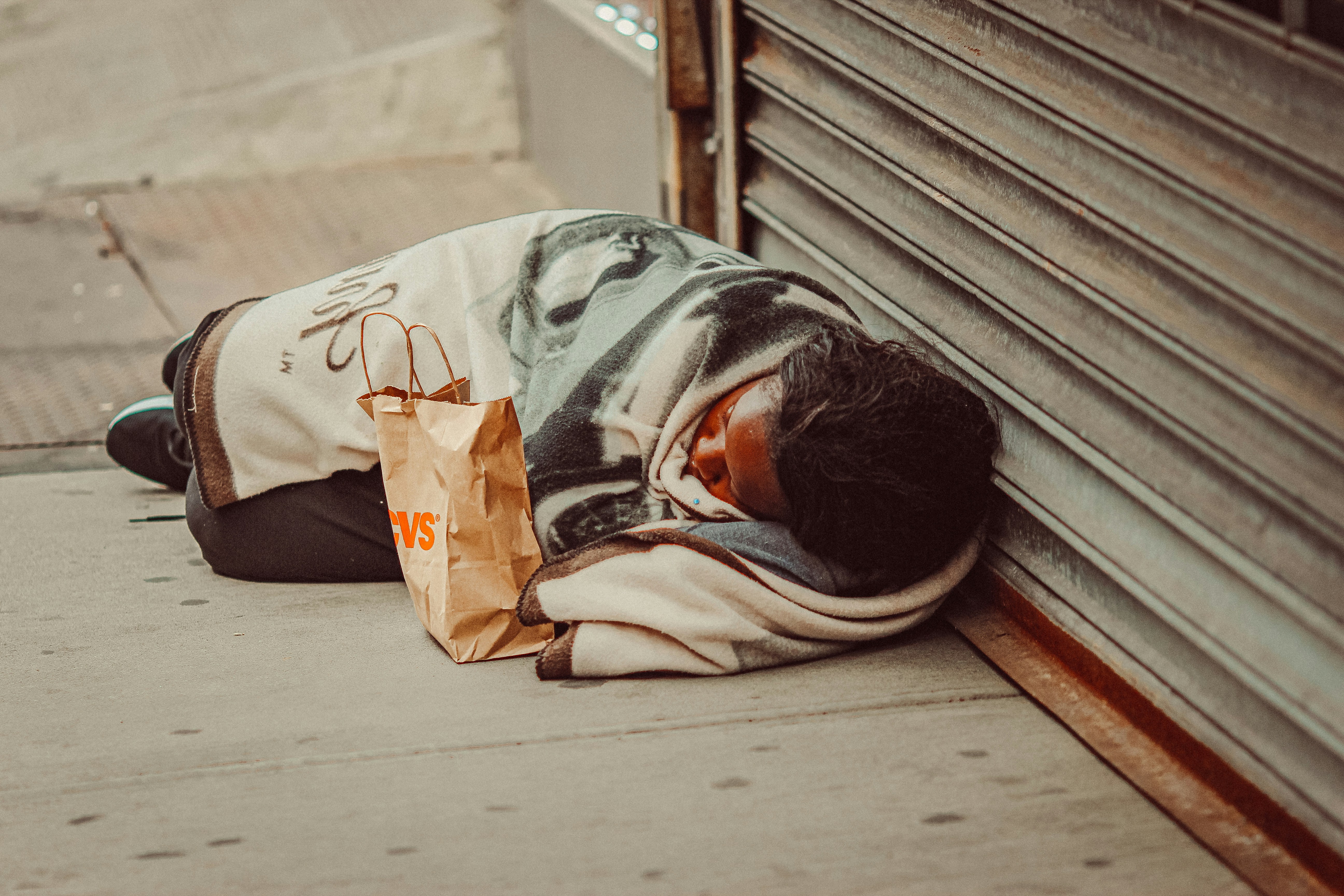
The result is record homelessness. In 2024, 771,480 people were experiencing homelessness, the highest number since national tracking began and an 18% increase in just one year. Yet even as need grows, no state has enough permanent affordable housing for everyone who needs it.
Federal housing and anti-poverty programs help keep millions of people housed. But, recent moves to cut these investments and shift toward punitive responses risk pushing even more people onto the streets. When governments fully fund these solutions, they work: for example, targeted federal investments cut veteran homelessness by over 50% between 2009 and 2022.
Housing petition examples
On Change.org, people are already organizing to demand real housing solutions:
in New Orleans, residents are calling on city leaders to fully fund the Affordable Housing Trust Fund so families can stay in their neighborhoods
In New York, Brooklyn communities are pressing the governor to enforce long-promised affordable housing commitments at the Atlantic Yards development
In Pennsylvania, caregivers and disability advocates are fighting discriminatory rules that block neuro-inclusive housing for people with intellectual disabilities.
➡️ Start your own petition about a housing issue affecting you or your community
Discrimination and racism
In 2025, the Trump administration has moved to significantly scale back federal DEI programs and restrict civil rights enforcement capacity.
A 2025 Gallup survey found that 64% of Americans believe racism against Black people is widespread, tying the highest level ever recorded. Black Americans report the strongest perception of unfair treatment, especially in policing (77%), healthcare (59%), and employment (59%).
Persistent racial wealth gaps also remain profound: for every $1 of white family wealth, Black families have about 24 cents, and Latino families 23 cents. Discrimination based on sexual orientation and gender identity is also widespread, with over half of LGBTQ+ people reporting harassment or unequal treatment.
These inequities are compounded by the rollback of DEI infrastructure. The elimination of federal diversity offices, restrictions on school curriculum, and reduced civil rights oversight have left many communities with fewer tools to address discrimination. This means local action, organizing, and public pressure are more critical than ever.
Racism petition example:
One community taking action is in Calvert County, Maryland, where students, educators, and families are calling out persistent racism in their school district.
Black and minority students have reported discriminatory treatment that affects their academic success, safety, and sense of belonging. Educators say they feel powerless when leadership refuses to enforce or reinstate anti-racism policies. This petition urges the school board to restore its Anti-Racism Resolution ensuring that staff receive guidance and that schools consistently implement equitable practices.
➡️ If your school, workplace, or community is failing to address discrimination, you can organize for change. Start a petition.
Immigration
Immigration remains one of the most debated social issues in America — and in 2025, the stakes feel higher than ever for millions of families. The Trump administration has launched an aggressive immigration crackdown that includes expanded deportations and detentions, federal “takeovers” and National Guard deployments in major cities, and efforts to narrow who is protected under long-standing constitutional rights.
At the same time, public opinion has shifted in complex ways. A record-high 79% of Americans now say immigration is good for the country, and only 30% want immigration decreased, down from 55% a year earlier. Support for hardline measures like mass deportation and border wall expansion has fallen, while 78% support a pathway to citizenship for undocumented people already in the U.S.
Yet fear is still widespread: about 1 in 4 adults (23%) now worry that they or someone close to them could be deported, with concern especially high among immigrants and Latino communities.
The legal landscape has also become more uncertain. In Trump v. CASA, the Supreme Court did not eliminate birthright citizenship but limited the ability of lower courts to block Trump’s “Day One” executive order nationally. For now, a child born in the U.S. is still a citizen, regardless of parents’ status — but the ruling makes it harder to win broad injunctions against unlawful federal actions.
Immigration petition example:
In Chicago, parents and community members organized after a beloved teacher — a mother of two with a valid work permit and a pending asylum case — was detained by ICE on her way to work. The petition called on federal and local officials, including members of Congress, to intervene and secure her release. Thousands of signatures, media attention, and public pressure followed.
In November 2025, supporters celebrated a major victory: Diana was released from ICE detention and returned home to Chicago.
➡️ If harsh immigration policies or raids are affecting people in your community, you can speak out. Start a petition to defend immigrant rights.
Gender equality and women’s rights
Globally, the U.S. continues to rank in the middle of the pack on gender equality, coming in around 43rd on the Global Gender Gap Index in 2024, while countries like Germany and Spain have moved into the top 10. Fifteen years ago, the U.S. and much of Western Europe were at similar levels.
The gaps show up clearly in schools, workplaces, and paychecks. Women now earn six in ten bachelor’s and master’s degrees each year, but hold less than three in ten C-suite roles. On average, women in the U.S. are still paid about 22% less than men, and the gap is even larger for women of color. Women are also underrepresented in political office and in senior leadership in fields like finance, law, and tech, despite making up nearly half of the overall workforce.
At the same time, Americans broadly support gender equality. In recent surveys, nine in ten people say equal rights for women and men are very important, and nearly six in ten say changing gender roles have made it easier for families to earn enough to live comfortably.
Gender-based violence and harassment — especially online — remain major barriers to equality. Tech-facilitated abuse, including deepfake sexual images, online grooming, and non-consensual sharing of intimate content, has exploded in recent years.
In 2025, the U.S. took an important step with the Take It Down Act, which requires platforms to remove non-consensual intimate images within 48 hours and introduces criminal penalties. But protections are still patchy: laws vary widely by state, survivors lack consistent remedies, and tech platforms often face little accountability.
Gender equality petition examples
Students and parents at Marietta High School are challenging a dress code that disproportionately targets girls, shames them for what they wear, and disrupts their learning. The petition calls out how the policy frames girls’ clothing as a “safety risk” and a distraction, reinforcing harmful ideas that young women are responsible for managing boys’ behavior.
At the University of Central Missouri, students and faculty launched a petition after surveys showed many menstruating students routinely miss class or work because they can’t afford period products or can’t access them on campus. A grant allowed the campus to pilot free product boxes, but as that funding runs out, the petition calls on the university to permanently fund and expand the program.
➡️ Start a petition to advance gender equality where you live or work.
Education equity and access
A recent national survey found a record-low 35% of adults are satisfied with the quality of K–12 education, and just 26% believe schools are headed in the right direction. Only about 1 in 5 say schools do an excellent or good job preparing students for today’s jobs. At the same time, 41% of K–12 parents fear for their child’s physical safety at school, marking the fourth straight year of elevated anxiety about school safety.
These concerns sit on top of long-standing inequities. Students in underfunded districts — especially Black, Latino, Native, and low-income students — are more likely to attend schools with fewer resources, larger class sizes, and less access to advanced coursework. Literacy and math scores have fallen sharply since 2019, and young people who leave high school without a diploma are significantly more likely to be pushed into the criminal justice system. For those who do pursue higher education, the cost leads to record levels of student debt and makes college feel out of reach for many first-generation and low-income students.
Educators are also feeling the strain. About 1 in 6 public school teachers work a second job during the school year, far higher than the rate for U.S. workers overall, and over half of K–12 teachers say they are dissatisfied with their pay.
Education petition examples:
In Cleveland, students, families, and alumni are organizing against a plan to “consolidate” four high-performing, specialized high schools into a single campus. Petition organizers argue that shutting down these schools will increase class sizes, dilute specialized programs, and push high-achieving students out of the district altogether, deepening educational inequality. Their campaign calls on district leaders and the mayor to keep these schools open and fully supported so students can access high-quality, tailored education in their own communities.
At Montclair State University, students, faculty, and alumni are pushing back against a restructuring plan that would dissolve humanities departments into vague “schools”. The petition points out that eliminating departments in favor of broad, branded units undermines literacy, critical thinking, and specialized study while diverting resources toward more administration. The campaign has thousands of signatures and has led to on-campus protests.
➡️ If school closures, cuts, or unsafe conditions are affecting students in your community, you can speak up.
Climate change and the environment
Climate change remains one of the most urgent social issues of our time, driving more extreme heat, storms, fires, and floods and displacing millions of people. Those harms fall hardest on low-income communities, immigrants, and communities of color, who are more likely to live in flood-prone areas, near polluting facilities, or in neighborhoods without tree cover or cooling infrastructure.
U.S. climate policy is moving backwards at the federal level. The current Trump administration has:
Withdrawn the U.S. from the Paris Agreement
Rolled back rules limiting climate pollution from power plants and other major sources
Tried to overturn the EPA’s 2009 “endangerment finding” on greenhouse gases
Cut tax credits and grants for clean energy and efficiency
Slashed funding for climate science and preparedness — including cancelling billions in FEMA and energy-department resilience grants and dismantling key public climate data systems
At the same time, public support for climate action remains strong.
New pressures are also emerging from the rapid build-out of AI and cloud computing. U.S. data centers used roughly 4% of all U.S. power in 2024, and drew about 17 billion gallons of water in 2023 for cooling. Large AI-optimized “hyperscale” facilities can use as much electricity as 100,000 homes a year, and by 2028 data centers alone could consume 16–33 billion gallons of water annually.
Environmental petition example
In Surprise, Arizona, residents are organizing against Project Baccara, a proposed data center and power plant planned just steps from family homes. Neighbors warn that the project would raise local temperatures, increase air and noise pollution, and consume precious water in an already arid region.
Their petition calls on local officials to relocate the project away from residential areas and ensure meaningful community input. In response, a city council member invited petition supporters to an open house on Project Baccara, showing how public pressure influences decision-makers to engage, even when powerful industrial interests are involved.
➡️ Your voice can drive real climate solutions. Start an environmental petition now.
LGBTQ+ rights and safety
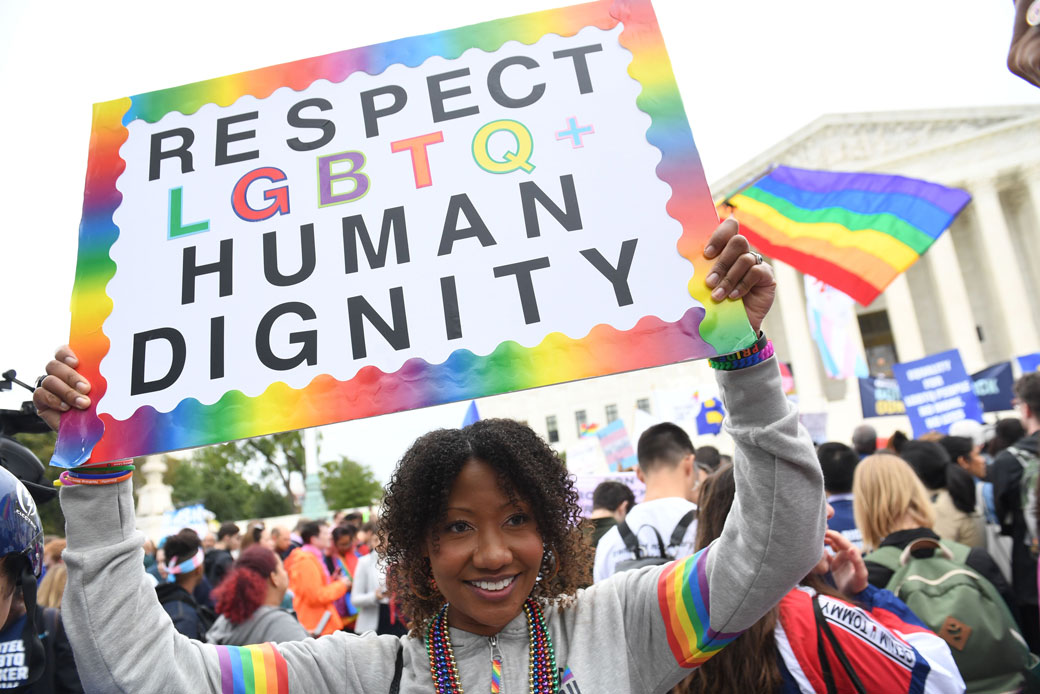
LGBTQ+ people in the U.S.—especially transgender and nonbinary people—are facing an increasingly hostile political climate. Since the November 2024 election, 57% of LGBTQ adults and 84% of trans and nonbinary adults report making major life decisions because of policy, including changing jobs, moving, or taking steps to be less visible at work, school, or in their communities. Nearly 1 in 10 trans respondents in a recent national survey say they have already moved states in this short period, and many more are weighing that choice.
Since late 2024, 60% of LGBTQ adults, and 82% of trans and nonbinary adults, say they or an immediate family member have faced discrimination and harassment based on their identity. Most report that recent politics has damaged their mental health and overall well-being, with trans people especially likely to say that federal, state, and local politics have harmed them “a lot.”
These fears are grounded in sweeping federal rollbacks in 2025, including:
Cutting federal funding for gender-affirming care
Halting Title IX protections to transgender students were halted
Removing LGBTQ+ history and resources from government websites
Cutting funding for the LGBTQ+ youth crisis line within the 988 Suicide & Crisis Lifeline is slated to lose federal funding.
LGBTQ petition examples:
Petitioners are already mobilizing to defend LGBTQ+ rights on multiple fronts. A petition to stop the ban on transgender youth healthcare is rallying people against two proposed federal rules. One would bar federal coverage for gender-affirming care for minors and another would strip all Medicare and Medicaid funding from hospitals that provide this care. These changes could cut off care for an estimated 300,000 trans youth.
At the campus level, a petition calls on the University of Iowa to restore gender identity to its nondiscrimination policy after it was quietly removed alongside other rollbacks. It urges administrators to protect trans, nonbinary, and gender-nonconforming students from discrimination and ensure they can learn and work in safety.
➡️ Start your own petition about an LGBTQ issue affecting you or your community
How we can address these social issues
While these problems can seem challenging and taking action may feel overwhelming, we all have the power to create meaningful change by actively participating in democracy. Here are five ways you can make a difference in the social problems facing us all.
→ Learn more about how to get involved with these civic engagement examples
Educate yourself
Take the time to learn about social issues, and engage with the perspectives of others by seeking out educational opportunities and differing viewpoints. There are many resources available to help you curate your own educational curriculum, from podcasts and documentaries to inspiring books and classes.
Become an activist and advocate
Advocacy can take many forms. Whether you are engaging through signing petitions, participating in protests, or contributing to climate advocacy, your voice can play a critical role in sparking social change. There are many inspiring activists taking on critical causes to learn from.
Vote with your wallet
Choosing to support businesses that care about social problems with your hard-earned dollars is a powerful way to encourage social change. Research the companies you know and love. If they’re not actively taking social issues, reach out to them and encourage them to do so.
Take action at the local, state and federal government levels
Advocate to help change laws and policies that impact these social issues. From calling your local politicians to writing letters to your representatives, you can advocate for change at all levels. There are also other tactics to encourage our representatives to make public commitments to support these issues.
➡️ Want to go deeper? Use our guide to how to get involved in local politics.
Become a community organizer
Impacting social issues at the local level can feel daunting, but community organizing is a powerful tool for change. Here’s a guide to help you get started as a community organizer.
Start a petition
From encouraging key organizations to take a position on systemic racism, to advocating for government support for people living in poverty, petitions are powerful tools in the fight to making an impact on social issues.
The time to act is now
The road to addressing these social issues is rocky and complex, but it’s paved by people like you who care enough to act. Take the first step by raising awareness and taking action on the issue you care about most. Start your own petition today.