Push for progress: How to start a women's rights petition

Push for progress: How to start a women's rights petition
Learn how to turn your passion for gender equality into real change. This step-by-step guide shows you how to start a powerful petition for women’s rights that can raise awareness, mobilize support, and drive action.The fight for women’s rights is far from over. The latest Pew Research survey found that 63% of Americans support legal abortion in all or most cases, while laws across many states continue to restrict access.
One in three women worldwide have experienced physical or sexual violence. Wage gaps, healthcare discrimination, and underrepresentation in leadership remain persistent barriers, to name a few.
But progress happens when people demand it. Petitions are a powerful, accessible way to spotlight injustice, mobilize public support, and push decision makers to act.
Petitions have played a key role in advancing women’s rights by turning public pressure into real change. They’ve been used to:
Push companies to take sexual assault reports seriously — A petition called on TripAdvisor to implement stronger safety policies, support survivors, and clearly warn users about businesses linked to assault
Protect reproductive rights — Pushing for emergency policies, like allowing pregnant people to access abortion pills at home during the COVID-19 pandemic.
Demand justice for trafficking survivors — Supporting Chrystul Kizer, a Black teen survivor charged for defending herself against her trafficker, whose widely supported petition helped raise national awareness and led to a landmark Wisconsin Supreme Court ruling affirming her right to claim self-defense.
Use this guide to create a petition of your own that helps advance women’s rights.

People at a women’s rights march. Photo by Gayatri Malhotra on Unsplash
Why should you start a women’s rights petition?
Petitions are especially impactful in areas where women’s voices are underrepresented or ignored. Some of these, but not all, include:
Reproductive rights and healthcare
Petitions have challenged abortion bans, advocated for expanded contraceptive access, and pushed for insurance coverage of fertility treatments, among many other causes.
In the U.S., access to safe and legal abortions has been increasingly difficult in recent years. These restrictions disproportionately affect low-income and rural women, reinforcing the urgent need for advocacy.
Petitions can help bring change. For example, students at Northeastern University pushed – and won – for the installation of a vending machine with emergency contraception at reduced cost and free safe sex supplies.
Gender-based violence
Petitioners are driving change in how schools, companies, and public institutions handle sexual harassment and assault.
Beyond the one in three women globally who have suffered gender-based violence, workplace harassment remains prevalent, threatening women’s safety and careers.
Economic justice
While the Equal Pay Act of 1963 aimed to close the wage gap, disparities remain, especially for Black and Hispanic women.
Advocates are pushing for salary transparency, paid leave, and better support for caregivers. A New York City petition backed by over 4,800 signatures helped pass legislation banning employers from asking about salary history.
Intersectional issues
Trans women, women from minorities, disabled women, and undocumented women often face multi-layered discrimination. Petition campaigns focused on these communities are increasingly working to bring those intersecting issues to the forefront of policy change.
For example, petitions pushed Fort Vancouver High School in Washington and Blue Valley Northwest High School in Kansas to adopt trans-inclusive bathroom facilities.

Intersectionality is key to achieving true equality. Photo by Joe Flood on Flickr.
How to start a petition for women’s causes
Thinking of launching a women’s rights petition? Keeping a few details in mind can make the process smooth and the chances of your petition succeeding even higher.
1. Identify the issue you want to address
Start by narrowing your focus. Instead of trying to fix the broad problem of discrimination in schools, for example, try “require gender-neutral toilets at [insert school district]”.
A clearly defined issue makes your petition more likely to succeed. Use your experience, community needs, or stories from others to shape the focus.
For example, the woman who pushed TripAdvisor to implement stronger safety mechanisms led with her story of being sexually assaulted by someone from a business linked to the leading travel website.
2. Research and build your case
Back up your petition with strong evidence. Use statistics, legal precedents, and experts’ views to support your claims.
Also, look at successful petitions with similar goals. Study their structure, tone, and strategy.
Talk to women affected by the issue and share those experiences, with permission. Their stories will add urgency and credibility.
The following are reputable sources that will come in handy to gather data:
Center for Reproductive Rights: A global legal advocacy organization to advance reproductive freedom as a fundamental human right.
UN Women: The United Nations entity for gender equality and the empowerment of women, providing data and policy insight.
Global Fund for Women: A nonprofit that funds and supports women-led movements worldwide.
Pew Research Center: A nonpartisan organization offering data-driven insights on public opinion, including gender and social issues.
Guttmacher Institute: Leading research and policy organization on sexual and reproductive health and rights.
National Women’s Law Center: Advocates for policies that improve the lives of women and families, especially those facing economic hardship.
In October 2024, a student at a high school in Idaho started a petition demanding dispensers for free female sanitary products in the bathrooms. To strengthen the case, they included data from the Free Tampons Foundation and the experiences of other students. With just over 360 signatures, the petition achieved its goal only a few months later.

Access to menstrual products is often difficult for many people. Photo by Reproductive Health Supplies Coalition on Unsplash
3. Choose the right decision maker
Knowing who to address is key. Identify the decision maker who has the power to implement the change you want to see, such as:
State or federal lawmakers
Health system CEOs
School boards
Company CEOs
District attorneys
Once you’ve identified who to address, look up their contact information. Many public officials list their emails and offices online. CEOs can also be found on social media such as LinkedIn.
You can contact them via phone calls to their office, social media, and emails with a link to your petition. Reaching out through different channels increases the chances of catching their attention, but don’t spam!
Be polite but persistent and clear in stating what you want.
4. Write and publish your petition
A strong petition will have at least the following:
A clear problem statement: What is happening and why is it harmful?
A proposed solution: What action should be taken?
A personal story or human angle: Why does it matter?
A strong call-to-action: What should people do after reading?
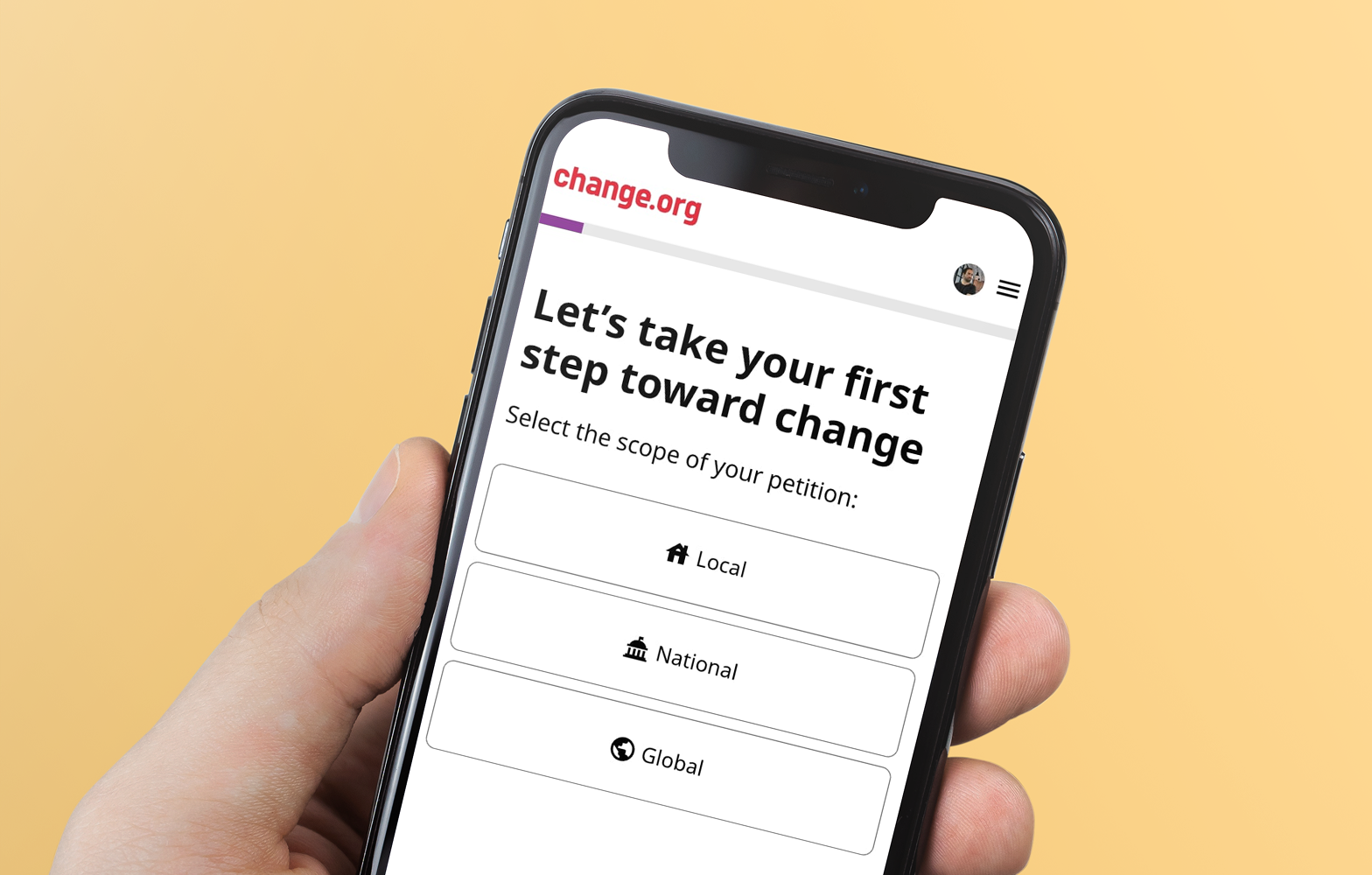
Publishing your petition on Change.org is simple — and a well-structured petition can make a real impact.
For example, in September 2024, the National Coalition Against Domestic Violence launched a petition calling for free trade skills training for survivors of gender-based violence. In under a month, the petition reached its goal with just over 2,000 signatures.
It worked because it followed the essentials: a compelling personal angle, a clear explanation of the issue, a practical solution, and a direct call to action. Short, clear, and powerful.
5. Attract supporters and raise awareness
Once your petition is live, the fight for change starts! Share it widely:
Post in women’s advocacy communities, including Facebook groups, Reddit forums, and Nextdoor communities focused on women’s issues.
Reach out to shelters, reproductive clinics, or nonprofits that might support or share your cause
Ask local influencers or community leaders to repost it. Take advantage of the many ways in which digital advocacy can help further your case.
Reach out to journalists to pitch your petition’s story, and make it in the news.
6. Engage decision makers and mobilize to apply pressure
Once you’ve identified who to reach, connect with them through a variety of methods to increase the likelihood of meaningful engagement.
Don’t stop there! Seek media attention and organize public actions like rallies or attending town hall meetings.
Using petition updates and social media, encourage supporters to participate in direct advocacy efforts, such as writing letters or peaceful protests. Here you can find a guide to organizing a meaningful protest.
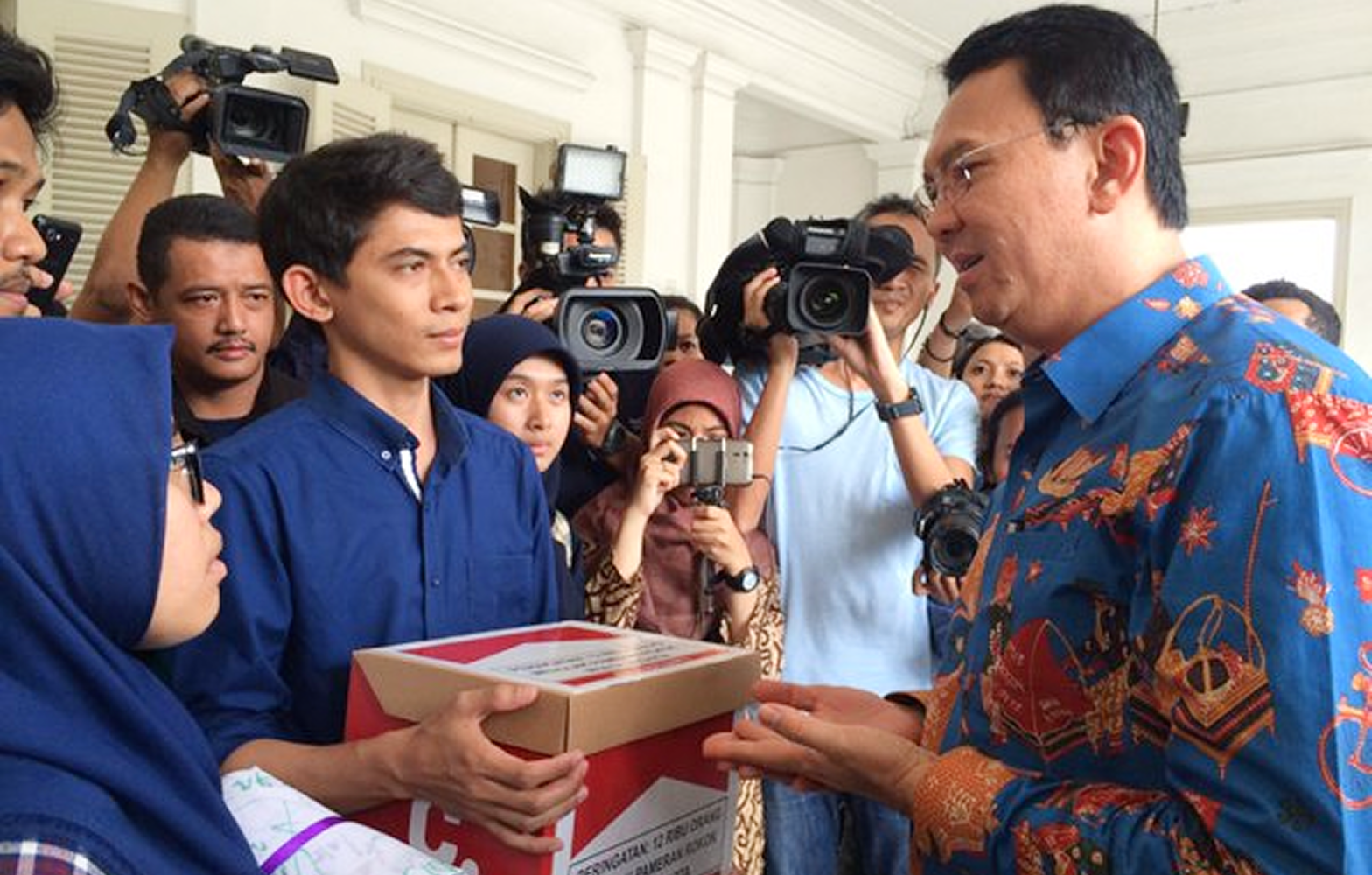
For example, the TripAdvisor petition starter showed up at the company’s office in New York alongside other supporters to deliver the signatures and apply pressure for change.
Similarly, during the COVID-19 pandemic, the National Women’s Health Network petitioned the FDA to allow abortion pills to be taken at home. They delivered a large sign with all the petition signatures directly to the agency’s headquarters.
In both cases, the petitions were successful and brought about change.
It’s important to keep your supporters up to speed with the petition’s progress and next steps, easily done through petition updates. These can help sustain engagement and push for continued advocacy.
Your voice matters: Make it heard
Every successful movement begins with just one person saying “Enough!”. Like the people in the petitions discussed above, you can be part of the women’s rights movement.
Starting a petition is more than a digital action. It’s a statement. You believe something needs to change and you are willing to do something about it.
Start a petition today on Change.org. Trust your power to drive change. Take that first step to demand the equality all women deserve.