Take it offline: 7 impactful ways to grow your petition in-person

Take it offline: 7 impactful ways to grow your petition in-person
Learn seven simple offline strategies to boost your online petition, build real-world support, and create lasting change.Online petitions on Change.org have mobilized millions, sparked news stories, and more importantly — they have changed lives.
Some of the most impactful petitions didn’t stay behind screens, they transcended into the real world. Why? Because taking offline actions such as attending public meetings or organizing protests creates visibility, builds relationships, and turns passive support into real-life pressure on decision makers.
If you’ve started an online petition, you’re already doing something brave. Now you can take it even further.
Here are seven offline strategies to help amplify your petition and inspire people to act.
1. Create a flyer to hand out or display in relevant physical locations
Flyers are a timeless way to raise awareness in high-traffic areas. A captivating flyer posted to coffee shops and park bulletin boards, handed out at events, or displayed in a community center can spark conversations and drive traffic to your petition.
Make sure your flyer has:
A compelling headline
A summary of your petition’s goal
A clear call-to-action
A scannable QR code for your petition
In fact, you can download and print a custom flyer from your Change.org petition dashboard.
2. Call decision-makers on the phone
Your petition is powerful on its own, but direct contact with policy and decision makers can make it personal. A flood of phone calls can compel an official to read your petition or even change their stance.
Coordinate a “call-in day” where supporters call a target office and express their support for your cause.
Here are some tips for effective calls:
Be polite but firm
State the purpose clearly
Share a personal story, if relevant
Ask for a specific action
You can make it easy for your supporters to participate in calling decision makers by providing a script for them to use in a petition update.
For example, a petition to remove toxic wildfire debris to protect the coastlines of California after the fires used a petition update to organize calls to city officials and legislators. The petition included the phone numbers of government officials, as well as a list of four demands to mention during the phone calls.
3. Attend public meetings and hearings
Local town halls, city council meetings, or school board hearings are all places where important decisions get made. Often, these decisions are made without much public input.
Showing up in person with your petition’s supporters makes a statement. Public comment time is your chance to speak directly to those in power. Advocates can also employ birddogging to record decision makers’ responses to pointed questions that establish their stance on issues and generate media coverage.
Petitioner examples
Residents in North Glendale, California showed up at a city council meeting to oppose a development. Their visible presence and testimony backed their petition and brought real weight to the cause. With over 3,100 signatures, they achieved their goal only a couple of months later.
In Eureka, Montana, parents and students opposed the development of a cell tower on school grounds with a petition. They swayed the vote after attending a school board meeting to make their voices heard and show support for the petition.
Roger Williams University School of Law students created a petition for better remote attendance policies to support students with children and family emergencies. The organizers informed and encouraged supporters to attend a Student Bar Association town hall meeting to discuss the petition.
4. Organize or join a protest or demonstration
Peaceful protests, marches, and rallies turn up the volume! They attract media attention and show decision-makers how passionate supporters are about the issue.
When paired with a petition, a protest can elevate your cause and push it into the spotlight.
Use your petition to:
Mobilize attendees using petition updates
Share event details
Gather new signatures during the event using a flyer with a QR code to the petition
For example, the petition to protect coastlines after the L.A. wildfires held a demonstration to demand action on wildfire debris. Their protest drew attention from the press and emphasized the urgency of the issue.
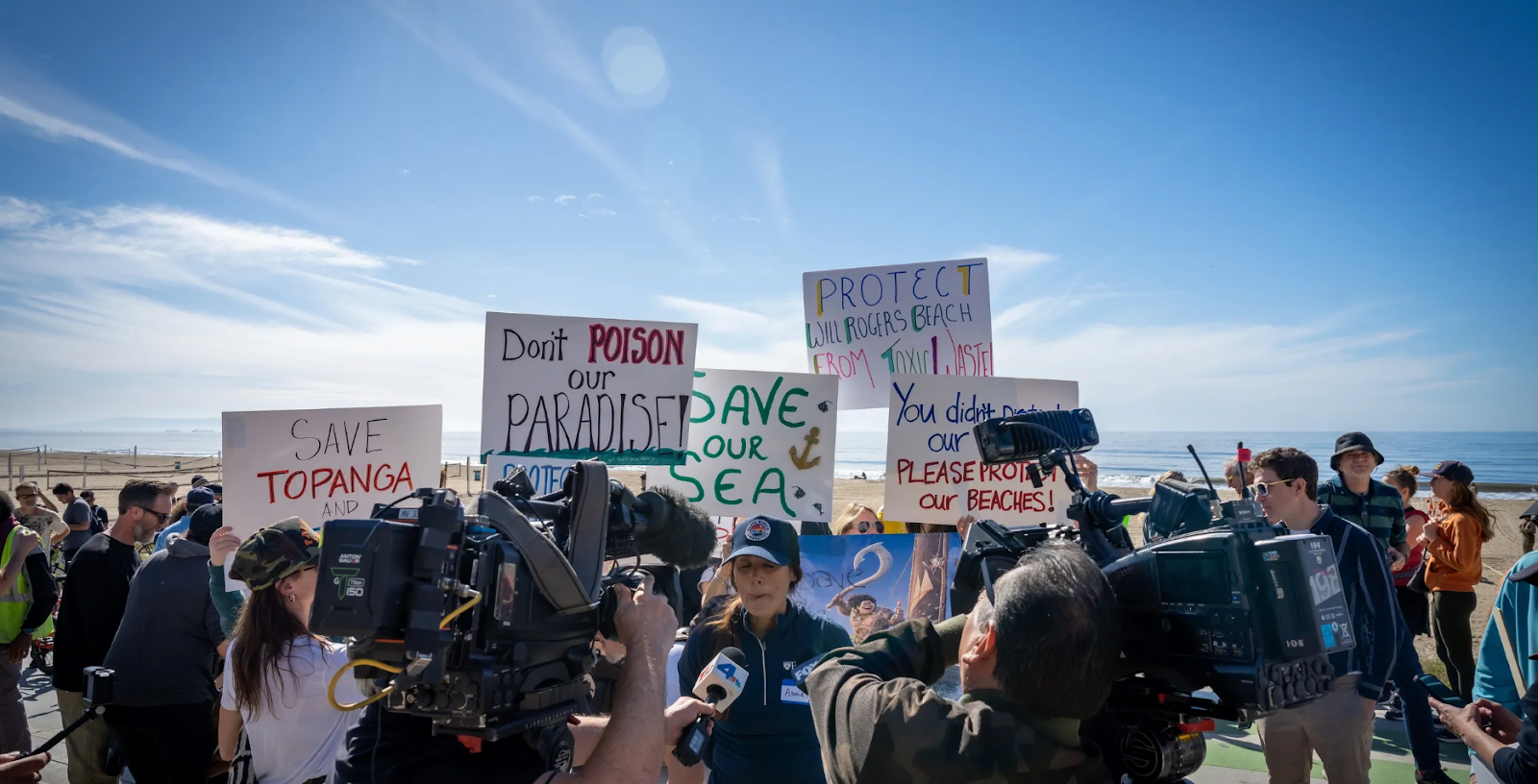
Protesters at Will Rogers Beach demanding toxic wildfire debris management. Photo via California Coastal Alliance
5. Join, volunteer with, or partner with organizations that align with your cause
You don’t have to campaign alone. You can build a coalition of likeminded organizations to support your movement. Nonprofits, advocacy groups, and community organizations can provide strategic guidance, credibility, and networks of supporters.
Some may co-host events, share your petition, or offer access to policy experts.
How to get started:
Research groups already working on your issue
Attend their meetings or events
Reach out with a short pitch about your petition and how you envision collaborating
These partnerships can help petitions get endorsements, legal advice, and even access to media contacts. After all, you have a shared goal!
6. Get newspaper or broadcast news coverage
Local, national, or even global media can catapult your petition into the public consciousness. Journalists are always looking for local angles and community voices, especially those creating change.
Tips to pitch the media:
Make it brief, clear, and direct
Include a strong quote or story from a supporter
Offer visuals like photos or videos
For example, a petition fighting to prevent Tesla from establishing a collision center in Emeryville, California, secured coverage in a local newspaper and was eventually successful.
In Alabama, a petition was started to show opposition to a Senate Bill that would classify certain hemp-derived products as Schedule I controlled substances, in the same category as heroin and LSD. The petition was covered on TV and ended up reaching its goal, with the support of over 2,300 signatures.
Advocates fighting to keep Medicaid coverage for autism treatments secured ample news coverage, from TV to newspapers, to explain the stakes for families, strengthening their petition and winning their fight.

Talking to local media can give your petition a boost. Photo by Vanilla Bear Films on Unsplash
7. Host a signature gathering event or table at a local spot
Sometimes all it takes is a table and a smile. Hosting a signature drive outside a grocery store, at a local farmers market, or during a festival can introduce your petition to people who wouldn’t otherwise see it.
Here’s what you need:
Printed copies of your petitions, or flyers with QR codes
A tablet or phone with the online petition open for people to sign
Eye-catching visual marketing like signage with a short title of your petition or a t-shirt representing your petition to wear at the event
You can also ask friends or volunteers to help you reach even more people in one day.
These events can double as media opportunities and can help build a sense of community around your campaign.
Start today: Take your petition offline
Offline strategies turn signatures into stories and support into action. Whether you’re distributing flyers or organizing rallies, these real-world efforts show decision makers that you’re serious.
They also energize and motivate your petition’s community, attract media coverage, and help you build a movement that lasts.
Start small if you need to: even one phone call, flyer, or public comment can ripple outward. Take it offline and watch your petition grow! And if you haven’t started a petition yet, you can do it today.