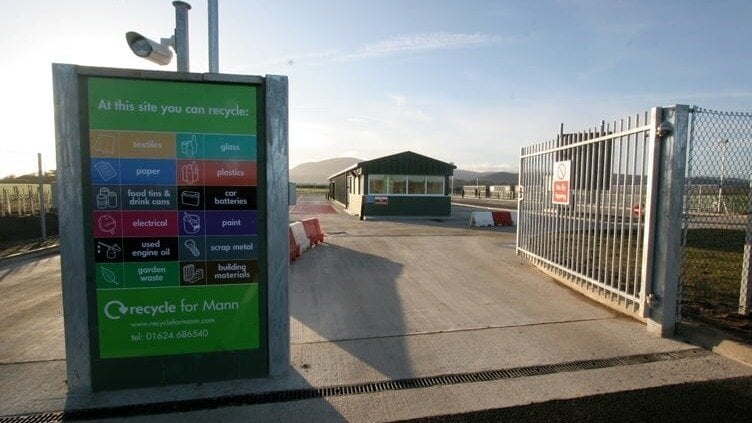
Waste management refers to the methods and processes used by communities and organizations to handle various types of waste products, such as sewage, food waste, and plastics. It includes collection, treatment, disposal, and recycling to minimize environmental impact.
AI-generated content
The debate focuses on the pollution of lakes and rivers caused by sewage discharge, with concerns about water quality and ecosystem health. Discussions often involve calls for stricter regulations or public ownership of water utilities to ensure better pollution control.
AI-generated content
Food waste in stores affects consumers, retailers, and the environment. It leads to economic losses for businesses and contributes to environmental issues such as greenhouse gas emissions from decomposing waste, while also raising concerns about resource inefficiency.
AI-generated content
Alternatives to conventional plastics being promoted include plant-based plastics that are biodegradable or more environmentally friendly. These alternatives aim to reduce plastic pollution and dependence on fossil fuels.
AI-generated content
People are increasingly calling for greater public involvement and influence in water management decisions. This includes more transparency, accountability, and policies that prioritize environmental protection and equitable access to clean water.