What is a petition? How it works and why it matters

What is a petition? How it works and why it matters
A petition is a tool that gives anyone the chance to participate meaningfully in democracy. Learn everything you need to know about how petitions work and their impact in this guide.A petition is a formal written request to a person in authority, elected official, or organization with demonstrated public support in the form of signatures. A petition is a tool that gives anyone the chance to participate meaningfully in democracy. Learn everything you need to know about how petitions work and why they matter in this guide.
Key facts about petitions:
Over 100,000 Change.org petitions have achieved victory worldwide
Change.org petitions are active in 196 countries
The right to petition is protected under the First Amendment of the U.S. Constitution
Petitions have historical roots tracing back to the Magna Carta (1215)
When a proposed AI data center raised concerns for residents of Albany, Georgia, the local community turned to their city commission for answers.
Data centers require significant water and power to operate. Albany residents worried about the potential strain on local water resources, aging infrastructure, and rising utility costs, along with questions about transparency from local officials on the project's scope. Albany resident Aidan Hartwell started a petition asking the city commission to pause development with a 12-month moratorium to assess the potential impact before agreeing to moving forward.
As the city scheduled town halls on the issue, Hartwell used petition updates to rally supporters to attend and speak up, turning thousands of signatures into a visible, organized presence in the room. Residents showed up to the meetings and made their case directly to their commissioners. By the second town hall, the Albany City Commission was already considering the moratorium and had encouraged the Dougherty County Commission to consider one as well.
In July 2026, the Albany City Commission voted unanimously to approve the moratorium while the city's Planning and Zoning Department studies the issue further and develops ordinance and regulation guidelines.
This is one of the successful petitions on Change.org that have produced major results, like policy changes, clemency for those unjustly incarcerated, reducing harmful plastics, improving life threatening work conditions, and much more.
What is a petition?
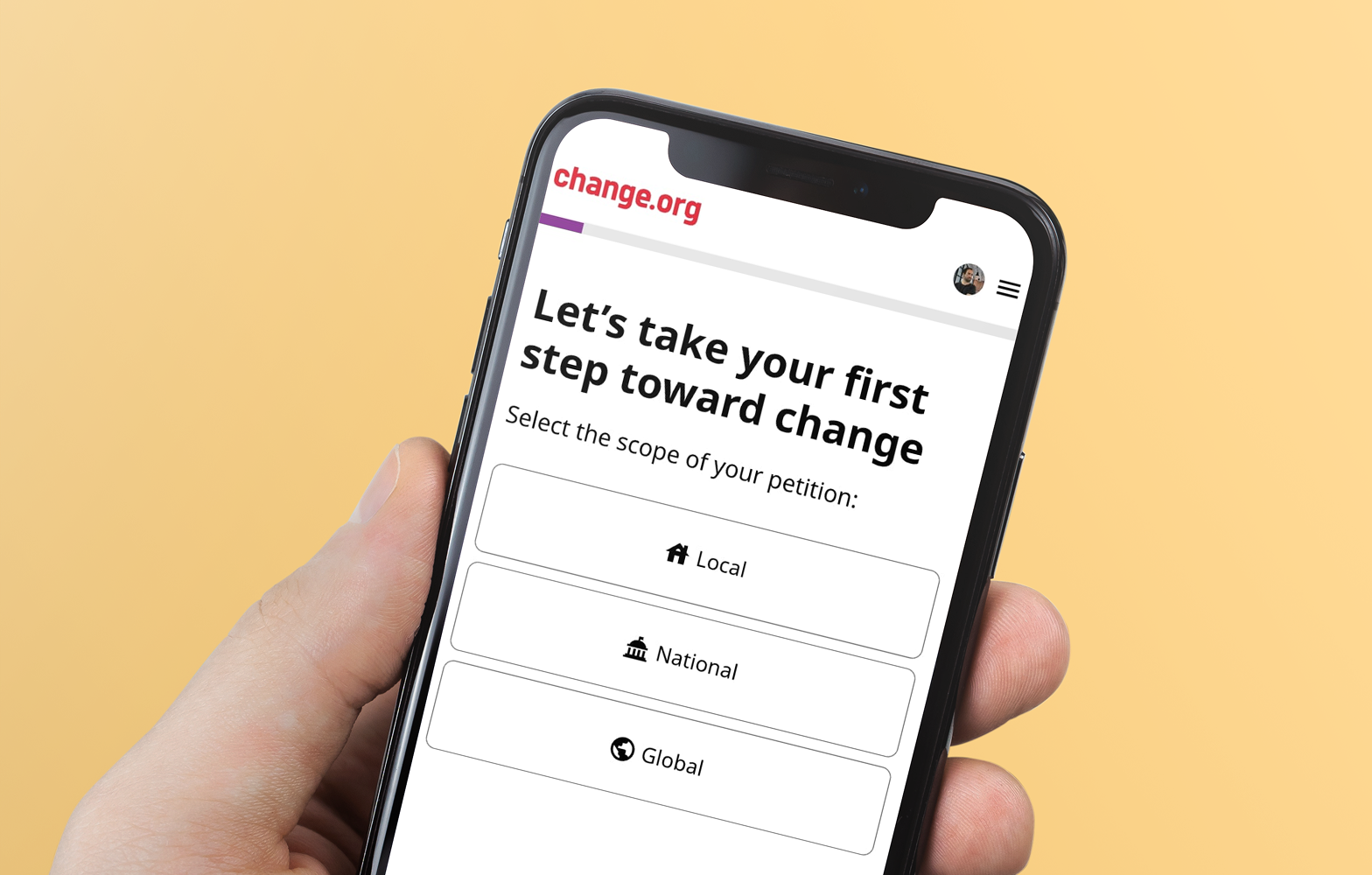
Petitions can be physical documents signed with pen or created online with digital signatures. They function as tools to raise awareness about and address problems, concerns, and areas of opportunity. They can address specific, local community issues up to large, global causes.
A petition contains background information and details on the issue it concerns and the specific actions requested to achieve its goals. The purpose of a petition is to demonstrate support for a cause by gathering signatures and presenting it to the decision maker—the person or people in charge who have the authority to take action.
The decision maker could be a member of the government, a company, or an institution like a school or a hospital. Targeting individuals in charge is more effective than addressing the institution as a whole—such as a legislator, CEO, or school board members.
A brief history of petitions
The right to petition has deep historical roots, tracing back to the Magna Carta in 1215, which established the principle that subjects could appeal to the king for redress of grievances. In the United States, this right is protected under the First Amendment of the Constitution, ensuring citizens can petition their government without fear of punishment.
This right enables citizens to engage directly with elected officials, through ways like starting and signing petitions, speaking at public meetings, or organizing peaceful protests. Trailblazers and activists throughout history have created pivotal change using their right to petition, including Martin Luther King, Jr. and Frederick Douglass.
How petitions work
Here's how the petition process typically works:
Identify the issue — Define the problem you want to address and research the background
Write the petition — Create a clear, compelling petition with specific goals and requested action
Identify your decision maker — Determine who has the authority to make the change you're seeking
Gather signatures — Share your petition and collect signatures to demonstrate public support
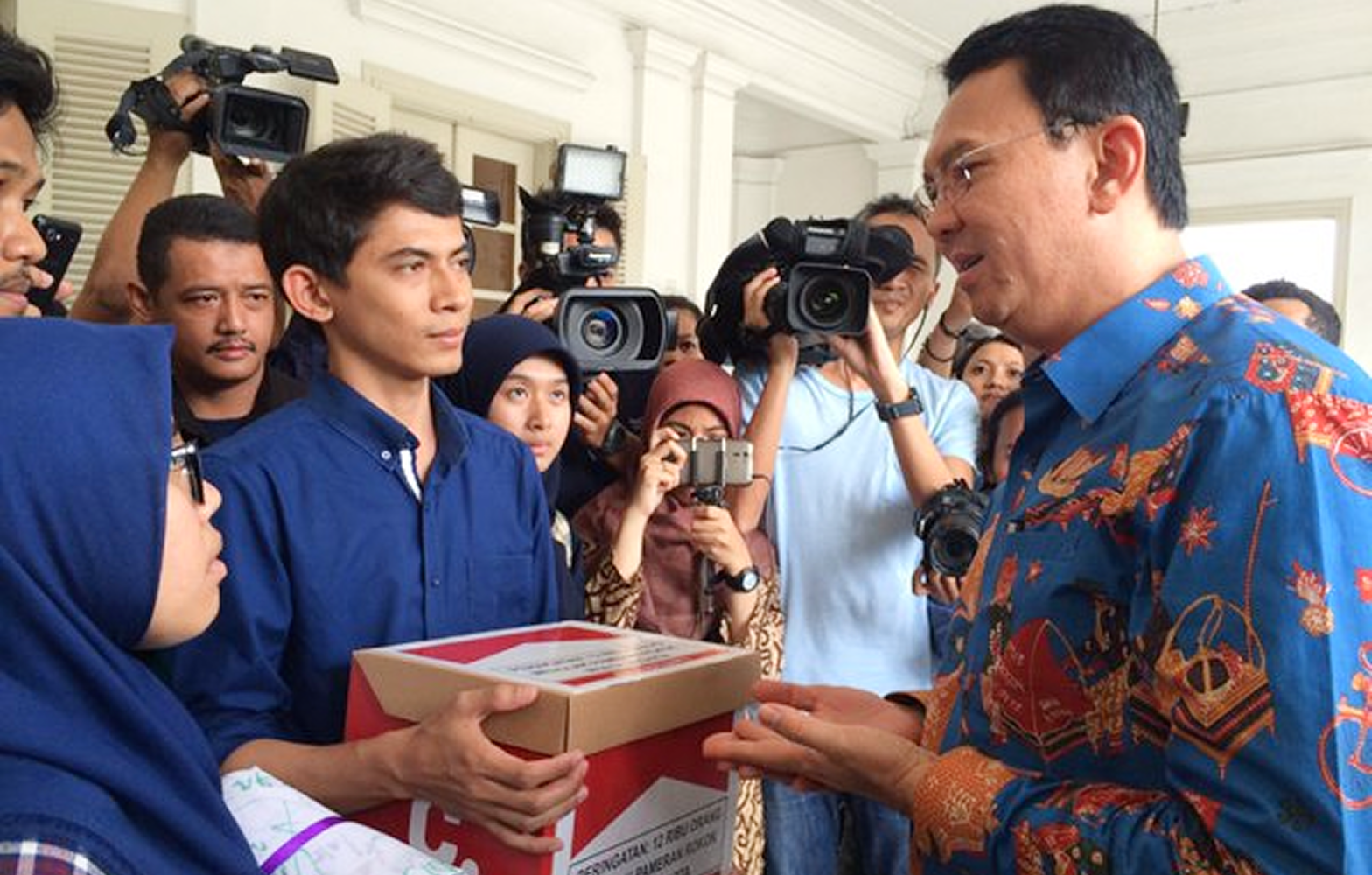
Deliver to the decision maker — Present your petition with signatures to those in power
Follow up — Continue to apply pressure and mobilize supporters until you achieve your goal
Not sure which online platform is the right fit for you and your cause? Compare your options in this petition platform comparison guide to see how Change.org stacks up on reach, tools, and support.
When to use a petition
Petitions are most effective in these scenarios:
Advocating for policy changes at local, state, or national levels
Holding corporations accountable for their actions or policies
Addressing community issues like safety, infrastructure, or local services
Supporting social causes like civil rights, environmental protection, or healthcare access
Requesting changes within institutions like schools, hospitals, or workplaces
Raising awareness about issues that need public attention
Types of petitions
There are a variety of different scenarios where petitions are useful, and some cases even required:
Type | Purpose | Typical Target |
Social cause petitions | Raise awareness and drive policy or legislative change on social issues like health care, criminal justice, education, immigration, and equal rights | Legislators, law enforcement, elected officials |
Consumer petitions | Push a company to change a product, policy, or business practice — from ingredient safety to labor conditions to public statements on social issues | Company leadership, brand and corporate accounts, boards of directors |
Legal petitions | Make a formal request for a court order; first step in lawsuit process or to appeal a court decision | Courts and judges |
Government agency petitions | Request a change to an agency's rule, regulation, or enforcement practice | Federal, state, or local government agencies (e.g., EPA, OSHA, HHS, school districts) |
Ballot measure petitions | Collect signatures to place laws, amendments, or policy changes on ballots for public vote | State/local election boards |
Work petitions | Request improvements to working conditions, policy reforms, or address HR violations | Employers and company leadership |
Community petitions | Address hyperlocal issues like traffic safety, zoning, development, or neighborhood services | City council members, planning boards, mayors, local agencies |
School petitions | Request curriculum, policy, operational, or other changes to educational institutions | School boards, principals, administrators |
HOA petitions | Address issues like member fees, property restrictions, and maintenance problems | HOA board members |
What is the right to petition?
The right to petition is a fundamental pillar of democracy, empowering individuals to voice their concerns, challenge injustices, and seek action from their government. The freedom of petition is protected under the First Amendment of the U.S. Constitution with origins tracing back to the Magna Carta.
This right enables citizens to engage directly with elected officials, through ways like starting and signing petitions, speaking at public meetings, or organizing peaceful protests. It's become a powerful tool for creating social and political change, influencing policies, advocating for justice, and ensuring that governments remain accountable to the people they serve.
What is a petitioner?
A petitioner can be anyone involved in creating, signing, and submitting petitions. A petitioner isn't just one person responsible for addressing an issue, but a team of people creating a movement for change. The beauty of petitioning is that anyone can do it regardless of their background or experience.
What happens when you sign a petition?
When you sign a petition, it activates important factors that contribute to its impact. Here's a glimpse at the results of signing a petition:
Your support is documented and counted, adding to the strength of the petition
The petition gains traction, credibility, and urgency
Your voice joins a community around a shared cause
You receive optional updates on the petition's progress if it's on Change.org
Each new signature puts more public pressure on decision makers
Your personal information is secure, and only the necessary information is shared with the petition starter and decision maker
You're able to share the petition with others to increase awareness for the cause
While not every petition achieves its goals, each signature plays an important role in pushing for change and holding decision-makers accountable.
Frequently asked questions
How many signatures does a petition need? There's no set number—a petition can succeed with 100 signatures for a local issue or require thousands for national campaigns. The key is reaching enough people to demonstrate meaningful public support to your decision maker.
What makes a petition effective? Strong petitions have a clear goal, target the right decision maker, tell a compelling story, and include specific actions being requested. Consistent promotion and follow-up are also essential.
Are online petitions as effective as paper petitions? Yes, online petitions can be equally or more effective because they can reach larger audiences quickly, are easier to share, and provide tools for ongoing engagement with supporters.
Make change with a petition
A petition is more than just a piece of paper or digital document with signatures attached to it. It represents your voice and the voices of all your supporters who are uniting for a common cause. You can make change with just 100 signatures for a neighborhood initiative or help shape society on a national level with huge support backing you.