Take part, make change: A citizen’s guide to participatory democracy
Take part, make change: A citizen’s guide to participatory democracy
Participatory democracy gives everyday people a real voice in the decisions that shape their lives—from local budgets to public safety and policy change. This guide breaks down how it works, why it matters, and how you can take action in your own community.In developed countries with strong economies, only 39% of people trust their national government. But, for citizens who feel they have a say in what the government does, that trust jumps to 69%. That’s not just a stat—it’s a signal. When people are truly included in decision-making, trust follows. Engagement grows. They show up to vote. They lead.
Participatory democracy is a powerful way for people to influence the decisions that shape their lives. It goes beyond casting a vote every few years. It’s about speaking up, organizing with others, and working together to push institutions toward more equitable, responsive solutions—starting with your neighborhood, school, city, or workplace.
This guide breaks down what participatory democracy really means, how it works, and how you can take action to create change right now.
What is participatory democracy?
Participatory democracy is a form of governance where constituents are directly involved in making the decisions that affect their daily lives, both in the short and long term.
Unlike representative democracy, where elected officials make most decisions, participatory democracy invites communities to join the conversation, co-create solutions, and sometimes control where money gets spent or which policies move forward.
This approach builds trust in institutions by opening them up. It promotes transparency, strengthens civic skills, and ensures more voices—especially those historically excluded—are at the table.
Why it matters now
The latest polling shows that Americans’ trust in the government is near historic lows. Only 22% think the federal government will do what’s right most of the time (20%) or always (2%).
Across the world, people are losing faith in traditional democratic systems. Recent global research by Pew shows just how urgent this moment is: In 20 of 25 countries surveyed, majorities said their political system needs either major change or complete reform. In the U.S., Greece, South Korea, and Brazil, around 80% or more hold this view.
Despite this desire for change, many people don’t believe change is possible. In 12 countries, large shares of citizens want sweeping reform but lack faith that the system will ever respond.
That skepticism is rooted in widespread dissatisfaction with elected representatives. Nearly half of respondents globally said that few or none of their politicians are honest, ethical, or focused on solving their country’s most important problems. Younger people—especially in the U.S. and France—are even more likely to view elected officials negatively.
In the U.S. alone, there are significant problems burdening communities and causing contentious—and even violent—division, from immigration to healthcare, LGBTQ rights and beyond.
But participatory democracy offers a way forward—a method for transforming frustration into action.
Thanks to technology, engaging in the democratic process is more accessible than ever. Online tools, social media, and platforms like Change.org help people organize, deliberate, and demand change from wherever they are.
Participatory democracy is a real-world strategy being used today to solve urgent problems, from climate change to public safety, housing, education, and racial justice.
Real examples and case studies of participatory democracy in action
Let’s look at how everyday people have influenced policy and perceptions through active participation in America:
Participatory budgeting and government in Vallejo, California
The City of Vallejo commits a portion of its annual budget to be decided directly by residents. Community members propose ideas and vote on projects like street repairs, afterschool programs, and park improvements—proving democracy can go beyond the ballot box.
Movement to stop the Dakota Access Pipeline
The Dakota Access Pipeline (DAPL) movement began as a grassroots protest led by the Standing Rock Sioux Tribe and Indigenous water protectors, opposing the construction of an oil pipeline through sacred lands and under the Missouri River. They feared environmental damage and violation of treaty rights.
What started as local resistance quickly grew into a global movement powered by petitions, social media, and mass mobilization. The campaign forced the U.S. Army Corps of Engineers to conduct public hearings and an environmental impact review. Although the pipeline was eventually completed, the movement succeeded in sparking widespread awareness, triggering legal challenges, delaying construction, and setting a new precedent for Indigenous-led participatory governance in environmental policy.
Cicero, NY: Keep EMS Local
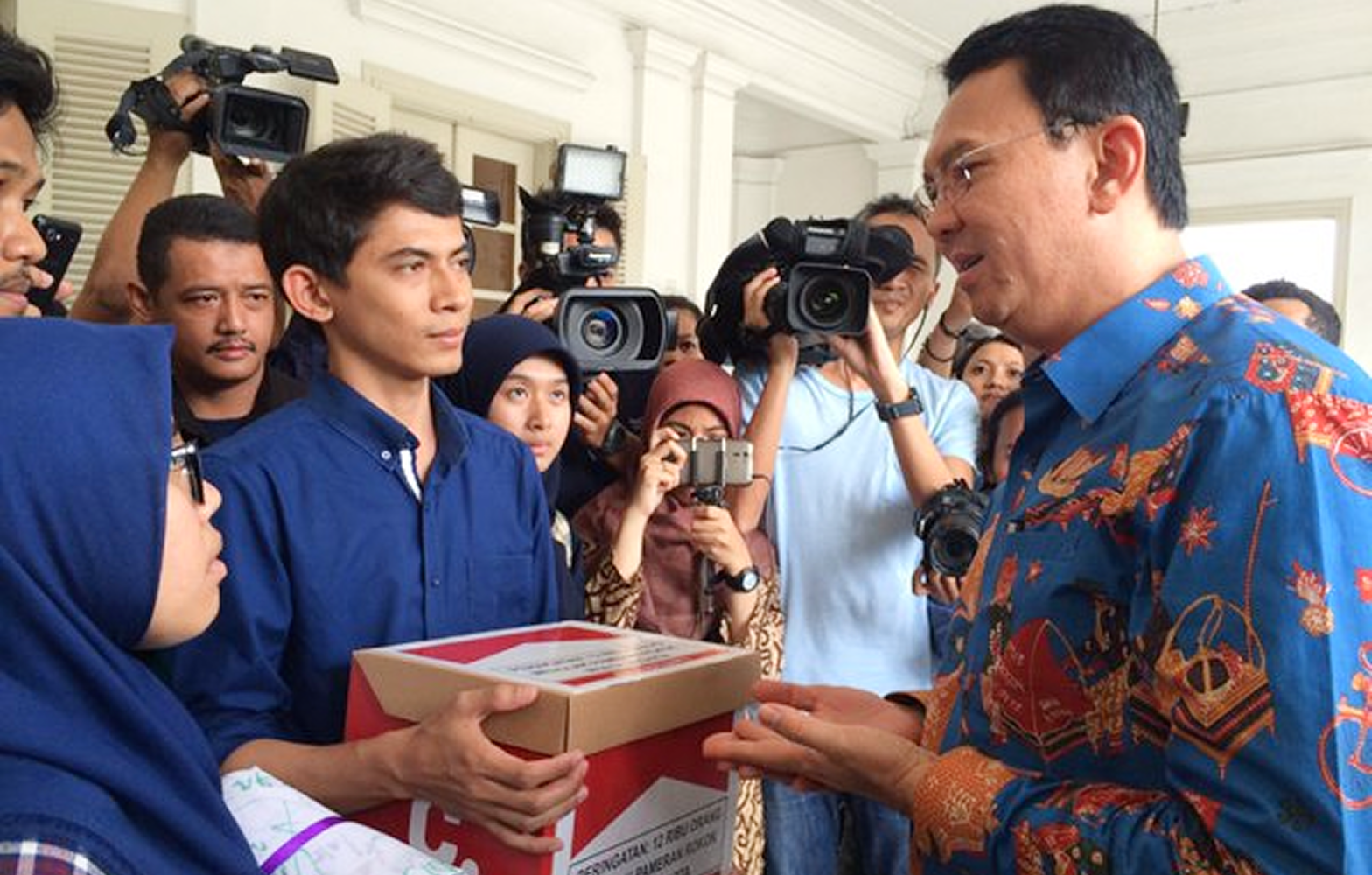
When Cicero officials planned to outsource emergency medical services, residents launched a Change.org petition. They spotlighted public safety risks, pressured decision-makers, and succeeded in keeping EMS local—ensuring faster response times and protecting firefighter jobs.
This campaign proves that a smaller group of citizens can come together and make change on a local level. This petition won with just 135 signatures and motivated enough people to pressure the local councilmembers responsible for the vote to staff the fire department appropriately and keep the ambulance service locally operated.
Anderson, CA: Require police body cameras
After a disturbing incident involving excessive force, a petition demanded mandatory body-worn cameras for the Anderson Police Department. The campaign led to media coverage, formal complaints, and ultimately, new policies ensuring transparency and accountability.
These examples show that when people organize and participate, real change happens—from local town halls to national headlines.
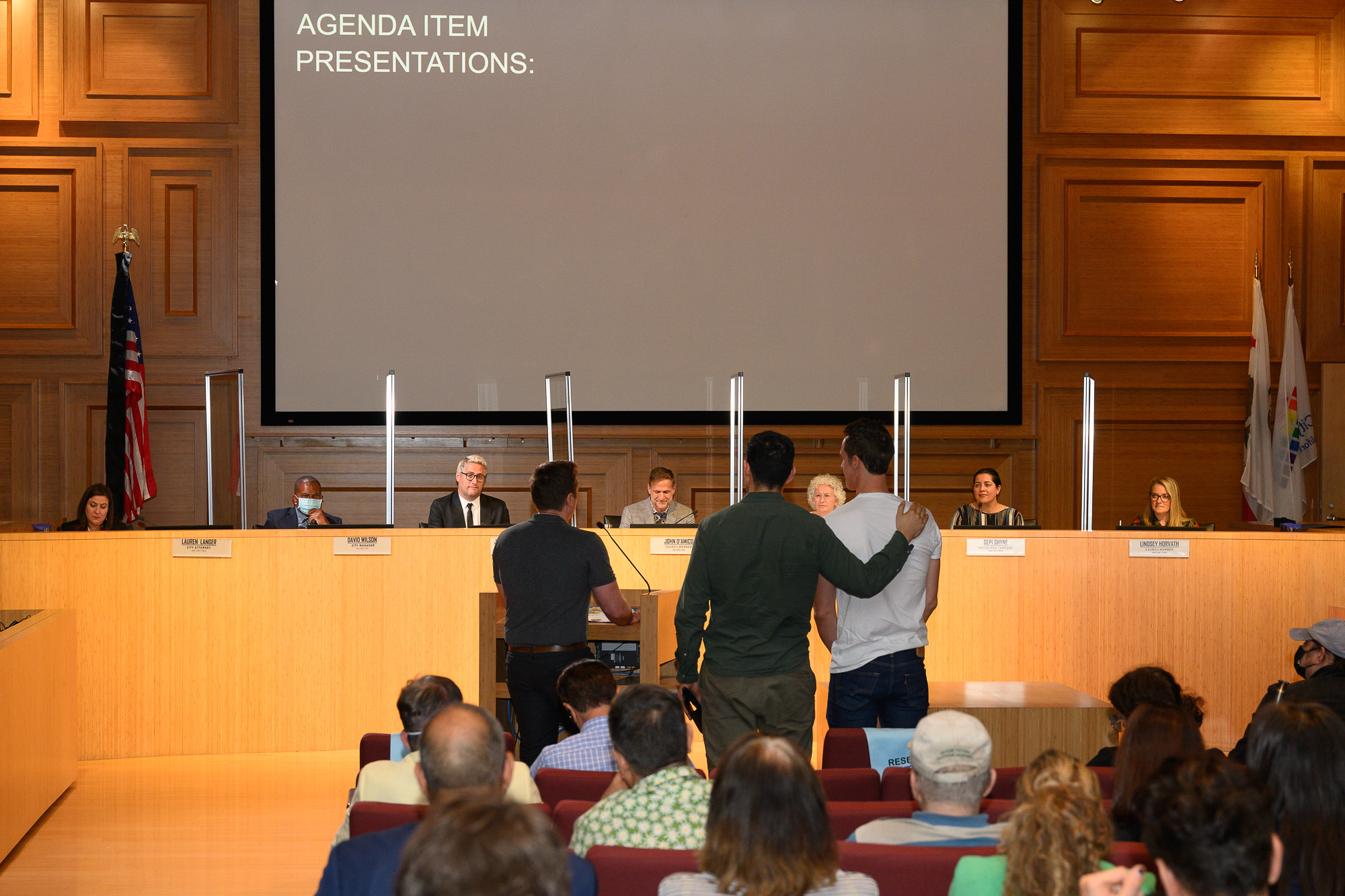
Community members speak at a local city council meeting (Photo by WeHoCity on Flickr)
Forms of participatory democracy
While not every process gives residents direct authority, there are many ways for people to participate meaningfully, build influence, and shape what happens in their community. Here are some examples:
Participatory budgeting
This initiative allows citizens to directly decide how to spend a portion of a public budget. For example:
New York City residents have funded school upgrades and park improvements through district-level PB since 2011.
In Phoenix, Arizona, high school students helped allocate campus funding in a district-wide pilot that saw over 80% student participation.
Seattle launched a $27 million participatory budgeting cycle in response to 2020 calls for policing reform, funding mental health crisis teams, housing services, and other community-led alternatives to traditional public safety.
Equity panels and advisory groups
While less formal than traditional “citizen juries,” cities like Eugene, Oregon have used Equity Panels to bring diverse community members—especially from historically marginalized groups—into policy-making. For example, Eugene’s Equity Panel helped shape the city’s Climate Action Plan to ensure social justice remained central to sustainability efforts.
Digital petitions and platforms
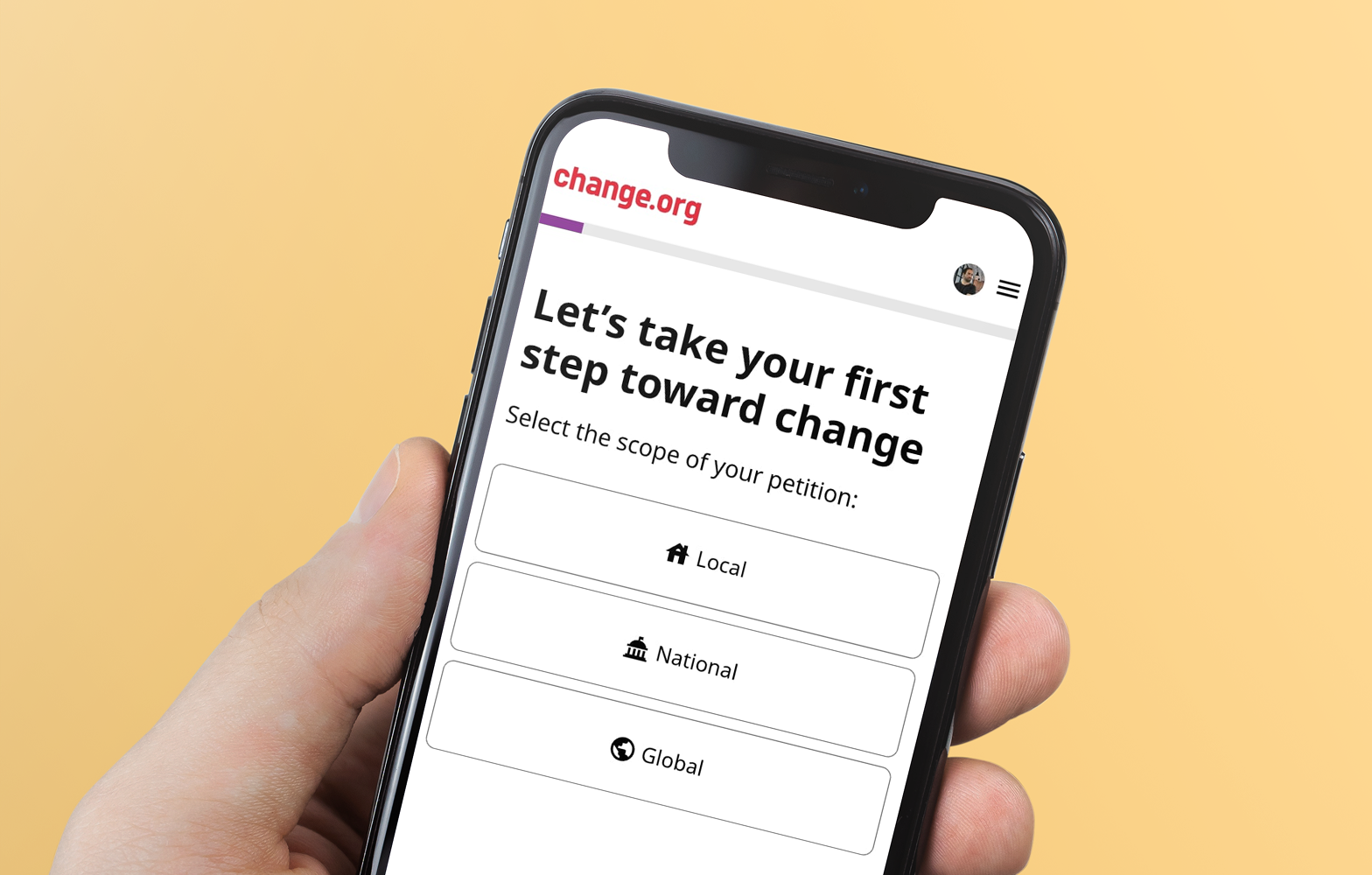
Online tools like Change.org make it possible for anyone to start a campaign, rally support, and reach decision-makers directly. These tools can mobilize thousands around local, national, or global issues—and often act as a first step toward deeper civic involvement.
What unites all these methods is a commitment to inclusivity, transparency, and shared power.
✋ New to this? Here’s how to get started:
You don’t need to be an expert to make an impact. Start small:
Talk to neighbors or community members about what matters to them.
Attend a local town hall, school board meeting, or public forum—even just to listen.
Start or support a petition to bring attention to an issue in your community.
Share your perspective in a public comment, email to a council member, or social post.
Look for local groups already doing the work—and see how you can help.
Benefits that go beyond policy
Participatory democracy isn’t just about policy—it’s about building confidence, skills, and solidarity among the people who take part. Even when systems are slow to respond, the act of participating can build power over time and foster stronger communities:
✅ Builds trust in government by making processes transparent
🤝 Fosters community connection and collective action
📊 Improves outcomes by incorporating real-world knowledge from those affected
🌍 Advances equity by giving marginalized groups a bigger voice
And the impacts are measurable. In cities that adopted participatory budgeting in 2023, voter turnout jumped about 14%, and public trust in local authorities rose by roughly 25%.
This approach can also help to promote economic development, improve public services, and elevate overall quality of life by ensuring that the community members’ needs and concerns are considered.
When people feel like their voices matter, they engage more. And when they engage more, democracy gets stronger.
Challenges—and how we can overcome them
Participatory democracy faces barriers that are important to prepare for and address, such as:
⛔ Exclusion: People with limited time, internet access, or civic knowledge may be left out.
⚡ Power imbalance: Elite interests may still hold sway if participation isn’t designed equitably.
⏳ Short-termism: If participation only happens occasionally, it doesn’t build lasting habits.
Research from the Cambridge University Press and Taylor & Francis highlights how class, education, and race significantly affect who participates—and who gets heard. People from wealthier or more educated backgrounds often have more time, confidence, and access to participate in democratic processes, while marginalized communities face systemic barriers. These include language differences, lack of child care or transportation, and historic exclusion from civic life.
To overcome this, participatory processes must be designed intentionally for inclusion. That includes:
Hybrid online/offline participation options
Stipends for time and transportation
Translation and interpretation services
Actively reaching out through trusted community organizations and local leaders.
Digital tools can expand access and reduce costs, but they risk excluding those without reliable Internet, digital literacy, or trust in online systems. ScienceDirect highlights that without thoughtful design, these platforms can reinforce existing inequities by favoring the loudest or most tech-savvy voices.
To ensure fairness, digital tools must be built with community input and tested for usability across demographics. Features like multilingual support, anonymous feedback channels, mobile access, and transparent reporting can help improve trust and inclusivity. Additionally, combining digital engagement with in-person options can close the gap for those without digital access.
💡Change.org works to solve digital barriers with its open platform that’s free for anyone to use and organize offline actions through as well.
What makes it work—and where it’s headed
For participatory democracy to succeed, institutions must be willing to shift from top-down decision-making to shared governance. That starts with building feedback loops between residents and decision-makers—mechanisms where public input is acknowledged, acted upon, and reported back transparently.
It also means institutionalizing participation—embedding it into the way governments and organizations operate, not as a one-time project or consultation, but as a standard practice. For example, some cities now mandate participatory budgeting each year as part of their budget cycle.
Another key element is training staff and elected officials in how to facilitate dialogue, listen with empathy, and navigate public input effectively. Participatory democracy isn’t just about inviting people in—it’s about creating spaces where their ideas are respected and incorporated.
Looking ahead, the future of participatory democracy will be defined by its ability to adapt and expand:
🚀 Digital platforms will make civic engagement more flexible and widespread
🧪 Deliberative models will help create space for thoughtful, less polarized discussion
📊 Data-informed design will help measure what works and improve participation processes
But the most important ingredient is commitment—from governments, institutions, and everyday people—to make democracy not just something we vote in, but something we co-create.
Start participating in decision making right now
If you're wondering where to begin, here's the truth: You don't need permission to participate in democracy. You just need a reason—and a tool.
At Change.org, people like you are already shaping their communities and holding power to account. Starting a petition isn’t just about collecting signatures. It’s about learning how decisions are made, building coalitions, engaging neighbors, and sparking dialogue with leaders.
Ready to take the first step? Start your petition today and be part of a movement where every voice counts—and every action matters.
Start a petition →