How Change.org connects everyday citizens to their elected representatives
How Change.org connects everyday citizens to their elected representatives
Change.org's Civic Engagement team contacts elected officials directly by phone and email on behalf of qualifying petitions — delivering documented constituent support to decision makers, not just a signature count.Are you trying to stop a massive data center from being developed in your community? Are you an animal rights advocate concerned about harmful farm animal legislation that Congress is voting on? Are you a disabled resident or family member that will be impacted by a state bill to cut home caregiver assistance?
In all of these cases, and any others that involve city, state, or national policies and decisions — you can connect with the people elected to represent you. This is how you and your fellow community members can raise your voices on the important issues that matter to you. Change.org provides the tools and resources to present your issue and the support you’ve built around it directly to those officials who have the power to change it, like school board, city council, and legislative members.
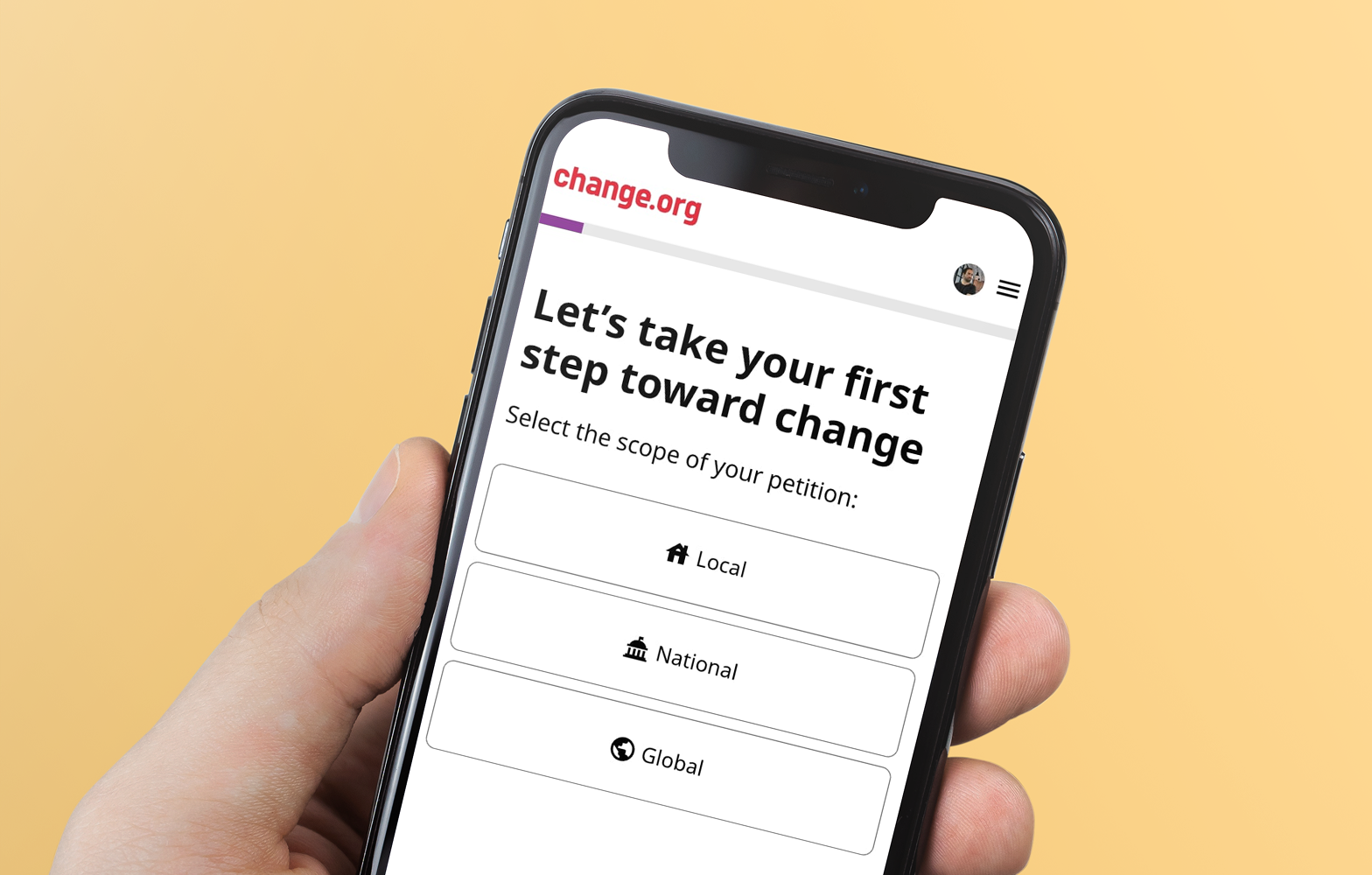
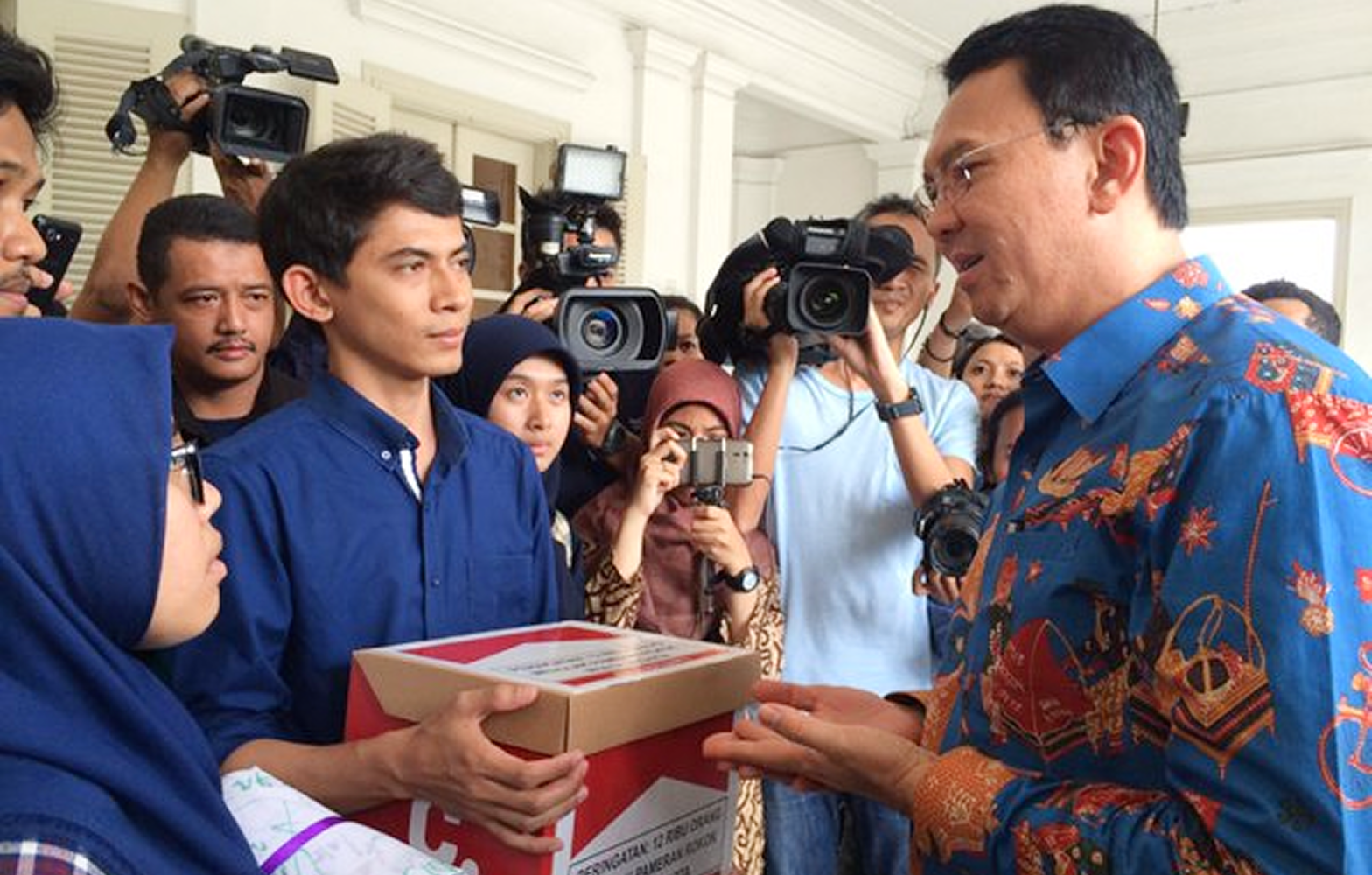
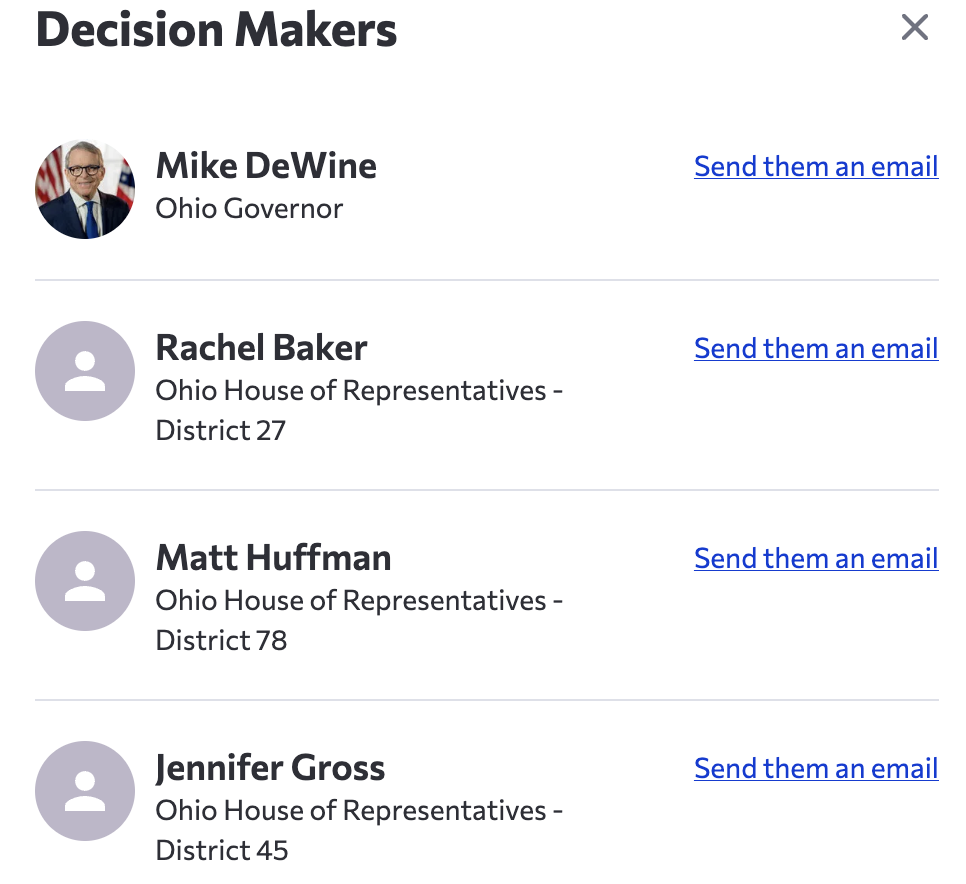
When you start a petition on Change.org, you can email the decision makers for your issue directly from your dashboard. For petitions that meet certain criteria, a member of Change.org's Civic Engagement team contacts the officials directly, by email and by phone, delivering the petition with documented proof of constituent support. Trained staff does this outreach for you, including details on your supporters’ signatures, geographic data, and personal stories.
General phone calls and emails put individual constituents in direct contact with their representative's office. Petitions do something different: they deliver collective constituent pressure as a single documented package — hundreds or thousands of voices arriving together, with geographic proof of who signed and where they live. For organizers trying to move a decision maker, it makes a difference.
Does contacting elected officials actually make a difference?
Yes, contacting elected officials makes a measurable difference. Congressional offices track constituent contact volume on specific issues, and high volumes signal political urgency that influences official positions. Progress is iterative, and partial wins count toward long-term change.
For individual advocacy, a phone call to a district office creates an immediate record of constituent sentiment. For organizers seeking to amplify impact, petitions and coordinated multi-channel campaigns generate the kind of public pressure that moves decision makers to act.
Advocates can use Change.org petitions as an organizing tool. Using petition updates, you can mobilize supporters to participate in emailing and calling decision makers and contributing to other actions like attending city council meetings and rallies to increase pressure.
How does Change.org contact elected officials on behalf of petitioners?
Change.org has a Civic Engagement team whose job is to deliver petitions to the elected officials they target. For every qualifying petition that names an identifiable decision maker, staff sends a formal email that includes a direct link to the petition and official messaging from Change.org. About half of qualifying petitions also receive a follow-up phone call, in which a staff member contacts the official's office to discuss the petition and the community support behind it, followed by a written follow-up with the petition link.
This is not an automated message. It is personal outreach from a trained staff member on behalf of the people who signed.
Which petitions qualify for this outreach?
To receive staff outreach, a petition must meet all four of the following criteria:
Reaches 10 or more signatures within its first 24 hours
Targets an elected official (not a company, institution, or private individual)
Is local in scope: city or town, county, or state level
Reaches 100 or more total signatures within 30 days of being created
Every petition that meets these criteria and names an identifiable decision maker receives at least staff email outreach. Petitions that generate stronger momentum are more likely to receive phone outreach as well.
What does the decision maker actually receive?
Staff outreach doesn't just deliver a signature count. It delivers a package of constituent proof that petition starters can also build on independently.
The constituent count. On petitions with 100 or more signatures where at least 60 percent of signers are geographically concentrated, the petition page displays a constituent count directly under the named decision maker. This number shows how many people who signed are from within that official's own district. When a school board member or city council representative sees that a large share of signers are their own constituents, that changes the weight of the petition.
The geographic support map. Each petition page includes a map showing ZIP-level signer data. For officials who want to know whether petition support comes from their actual community, this map provides the answer visually and specifically.
Supporter Voices. At the bottom of each petition page, signers can leave text or video comments explaining why they support the cause. These comments are visible on the petition page and can be shared directly with decision makers as qualitative evidence alongside the signature count. Petition starters can use an update to encourage supporters to add their stories and then bring the most compelling ones into outreach and meetings.
Can I contact the decision maker myself, in addition to staff outreach?
Yes. After creating a petition, starters have access to a tool in their petition dashboard that lets them contact the named decision maker directly. Staff outreach and your own direct outreach are not mutually exclusive. Using both, with your constituent data and supporter stories in hand, gives officials the clearest possible picture of the support behind your petition.
Does this outreach actually get a response?
About 1 in 5 decision makers who receive both email and phone outreach from Change.org staff respond. That is the rate for petitions that have met the qualifying criteria and received the full outreach sequence.
No tool can guarantee a response from an elected official. What this outreach does is make it significantly harder for an official to ignore a petition from their own constituents. A named staff contact, a documented constituent count, and a clear geographic record of local support together create a level of structured pressure that a raw signature count alone does not.
Here are a few recent examples of decision makers who responded directly to petitions on Change.org:
A Nashville city council member filed legislation. When Nashville Zoo launched a petition opposing a data center proposed adjacent to the zoo, Nashville City Council Member Courtney Johnston responded publicly — confirming she had filed a temporary moratorium on data center development, cosponsored strengthening legislation, and filed an appeal against the zoning classification decision. Read her response.
A Madison Heights city council reversed its own vote. After a petition called on the Madison Heights City Council to reinstate a pre-approved children's story hour that had been canceled days before a Pride festival, Council Member Emily Rohrbach responded to confirm that sustained community pressure moved three of the four opposing council members to reverse their votes. The event went forward as planned. Read her response.
A Minnesota state senator described legislation passed in direct response to constituent pressure. After a petition called on Minnesota lawmakers to pass the Sensitive Locations Act before the legislative session ended, Senate Majority Leader Erin Murphy responded with a detailed account of the comprehensive legislation the Senate passed, citing the petition campaign as part of the broader pressure that drove the vote. Read her response.
A Pennsylvania state representative began drafting legislation. After a petition called on Pennsylvania officials to strengthen child welfare oversight following the death of 9-year-old Renesmay Eutsey, State Representative Ryan Warner responded to confirm he had begun drafting reform legislation, circulated a co-sponsorship memo to the full General Assembly, and reintroduced related bills on child protection statutes. Read his response.
Read more inspiring examples of how one person can turn a cause into a movement.
FAQ
Does Change.org contact officials for every petition?
No. Outreach is reserved for petitions that meet the qualifying criteria: 10 signatures in the first 24 hours, a local scope, a target who is an elected official, and 100 signatures within 30 days. This keeps outreach credible and ensures that when Change.org staff contacts an official, the petition behind it has demonstrated real momentum.
What level of government does this apply to?
City and town, county, and state level. The outreach is designed for local and state campaigns targeting elected officials.
What if my petition doesn't qualify yet?
The qualifying thresholds are achievable goals, not locked gates. Focusing on early momentum, specifically getting to 10 signatures within the first 24 hours, is the most important first step. Our guide on sharing your petition and growing your supporter base cover the fastest ways to hit that mark.
Can I see whether my petition has been contacted?
Starters can monitor their petition's progress through their dashboard, where tools for direct decision-maker contact are also available.
→ For step by step instructions on building your case with decision makers, including delivery templates and constituent proof tactics, see our guide How to win with decision makers.