How to build momentum for your petition and pressure decision makers to act

How to build momentum for your petition and pressure decision makers to act
Once you launch your petition, share it with others, and gain signatures, it’s time to turn up the volume to get the result you need. This guide shows you how to strategically escalate your campaign by mobilizing supporters and using tactics designed to convince decision makers to act.In this article you will learn:
Let’s say you’re building a campfire. You don’t immediately create a roaring flame. You start with dry twigs, then small sticks, then heavy logs. Each layer feeds the fire. To keep it going, you have to keep tending to it, like adding more wood or repositioning your logs.
A petition campaign grows the same way. You start small with easy and effective actions and work up to bigger ones that require heavier lifting but take your mission to the next level.
This guide shows you how to strategically escalate your campaign by using tactics designed to increase awareness and pressure on decision makers. This will make your campaign burn so bright that it can’t be ignored. Learn the steps — both big and small — for driving action and making real change.
First: Know what motivates your decision maker
To make a decision maker respond to pressure, you need to understand what drives their behavior. Some respond to public opinion. Others care more about financial implications, moral criticism, or the people who control their position. These motivations based on reputation, economics, moral authority, and positional support are your pressure points.
To see how to target each pressure point, let’s use a real campaign that took on Walmart and won as an example. A petitioner called out the retail giant for selling service dog vests and ID cards that could be misused by people with untrained pets, contributing to the growing problem of fake service animals. The petitioner relies on a trained cardiac alert dog, and described how this practice puts disabled people and their legitimate service dogs at risk.
Learn more about each type of pressure point and how the Walmart campaign likely influenced each one.
👁️ Reputational pressure: Challenge how they want to be seen
Questions to ask about your decision maker’s reputation:
What kind of brand or image are they trying to uphold?
What would embarrass them in the eyes of customers, voters, or the media?
Who do they want to impress — or avoid disappointing?
→ The Walmart petition challenged the company’s public image as an inclusive and family-friendly retailer. By highlighting the danger to service dogs and the disabled individuals who depend on them, the campaign exposed how the company profited from a reckless policy while undermining accessibility and safety. That framing encouraged customers — and the media — to question the company’s ethics and practices.
💸 Economic pressure: Target their financial interests
Questions to ask about your decision maker’s bottom line:
Who gives them money — donors, customers, investors?
Could bad press affect their bottom line?
Are suppliers, advertisers, or shareholders vulnerable to public pressure?
→ If the Walmart petition was still underway, supporters could escalate the campaign by encouraging a boycott or pressuring corporate partners and suppliers who value disability rights to speak out. By connecting the issue to potential customer loss or supplier concern, the petition could have financial repercussions, especially if it gains media or influencer coverage.
🧭 Moral pressure: Question their values
Questions to ask about your decision maker’s morals:
What ethical standards do they claim to follow?
Who are the moral leaders or voices they’d feel accountable to?
How can you highlight the human impact of their choices?
The Walmart petitioner described the risk that fake service dogs pose to legitimate service dogs and their owners. The campaign could gain further strength by partnering with disability advocates and community leaders, elevating the issue as a matter of human dignity and legal rights. This moral framing challenges Walmart to live up to the values it claims to represent.
🔍 Positional pressure: Who holds decision makers accountable?
Questions to ask about your decision maker’s oversight:
Who appointed them or manages them and can influence their position or actions?
Are there committees, boards, regulators, or shareholders who oversee them?
Could external pressure force internal change?
In the case of the Walmart petition, if local management or customer service failed to act, pressure could escalate to corporate leadership, board members, or compliance officers. The campaign could also alert government agencies or watchdog groups, putting Walmart’s practices under official scrutiny. Public pressure from stakeholders with authority — even internal ones — can create the accountability needed to push for change.
The petition asking Walmart to stop selling fake service dog vests and ID cards was successful. The company likely responded to pressure in more than one — if not all — of these areas.

Photo by Sweet Life on Unsplash
Plan your tactics
Once you know what your decision maker cares about, you can plan tactics to engage your supporters to help you win.
Start by asking your petition signers to help in ways that are simple and easy. As your campaign gains momentum, you can ask supporters to take actions that require more effort, but can have more impact. As they learn more about your campaign and become more invested, they will be willing to do more to support the cause.
When planning your campaign, keep in mind any dates that are relevant to your petition like meetings, hearings or decisions, holidays, cultural events, and even the weather.
For example, you could:
Ask supporters to call your decision maker in the week before a meeting to vote on a bill or proposal
Plan an action supporting women’s health during Women’s History Month
Plan an outdoor rally in Boston in June rather than January. Brrr!
Be prepared to adjust your plan and act quickly in the case of unexpected opportunities. For example, a big news story related to your petition or a setback towards your goal are key moments to ask supporters to share the news or contact decision makers.
Remember that the petition update feature in your petition dashboard is a great tool to communicate directly with your supporters.
Deep dive with our guides: How to mobilize your supporters for collective action Impactful offline actions to grow your petition in person
Easy actions to mobilize supporters early
These are low-commitment actions that are easy for you and your supporters to take. They build initial momentum, spread your message, and help your petition reach new audiences.
Tactics:
Share the petition via email, text, and social media
Ask supporters to comment, like, or repost content from your own social accounts
Encourage supporters to leave comments on the petition sharing their own personal experiences with the issue or why they’re supporting the cause
Tweet at or tag the decision maker in posts
Comment on the decision maker’s posts on Facebook, Instagram, TikTok, LinkedIn and anywhere else they’re active
Ask a celebrity, influencer, or journalist to share the petition
Share a quote or testimonial from a signer or someone else impacted by the issue
Start or join a campaign-specific Facebook or Reddit group to communicate with each other and share information
Write online reviews or feedback related to the issue on company websites
Send out a poll or short survey to gather data and examples to use in the petition and other digital content
Submit a comment through a company’s or agency’s feedback form about the issue
Example: The organizer of the fake service dog merchandise petition asked supporters to comment on the Facebook and Instagram posts of the Walmart CEO, kindly educating him on why he should prohibit these products.
Medium commitment actions that boost momentum
Once your base is aware and has helped with initial promotion, invite them to take slightly higher-effort actions. These help deepen involvement and put more pressure on your decision maker.
Tactics:
Email or call the decision maker directly to advocate for the issue and petition
Ask supporters to record short videos explaining their support to post in a comment on your petition or to share on social media
Ask journalists to cover the campaign for publications — learn how in our guide to pitching the media
Write a letter to the editor of a local or national outlet about the campaign and issue to publish as an Op/Ed piece
Distribute petition flyers, stickers, or buttons in outdoor locations
Host a contest asking supporters to create artwork, a song to generate social media buzz and engagement, like the Protect the Porkies organizers
Example: In a petition to stop the proposed Florida black bear hunt, activists asked supporters to go beyond signing by contacting multiple key officials. They encouraged people to:
Call and email Governor Ron DeSantis
Email Florida Fish and Wildlife Conservation Commission (FWC) commissioners using a provided list
Submit formal comments to the designated “Bear Comments” email
Contact members of the Florida Senate Environment Committee
The petitioners also supplied supporters with suggested email subject lines, message templates, and direct contact info—making participation easy, accessible, and impactful.
High impact actions that maximize pressure
When your campaign needs a breakthrough — or when decision makers aren’t responding — it’s time for bold action. These tactics require higher levels of commitment but deliver greater visibility and influence.
Plan a group action for supporters to speak at open government meetings, board meetings, or council sessions
Ask the decision maker a question at a public event and record it to share online — Learn how in our guide to birddogging
Host a virtual meeting open to the public on Zoom or livestream on YouTube, Instagram, TikTok, or Facebook to inform supporters and the press about your campaign and its developments
Plan a public demonstration, like a protest, rally, vigil, or march communicating your demands
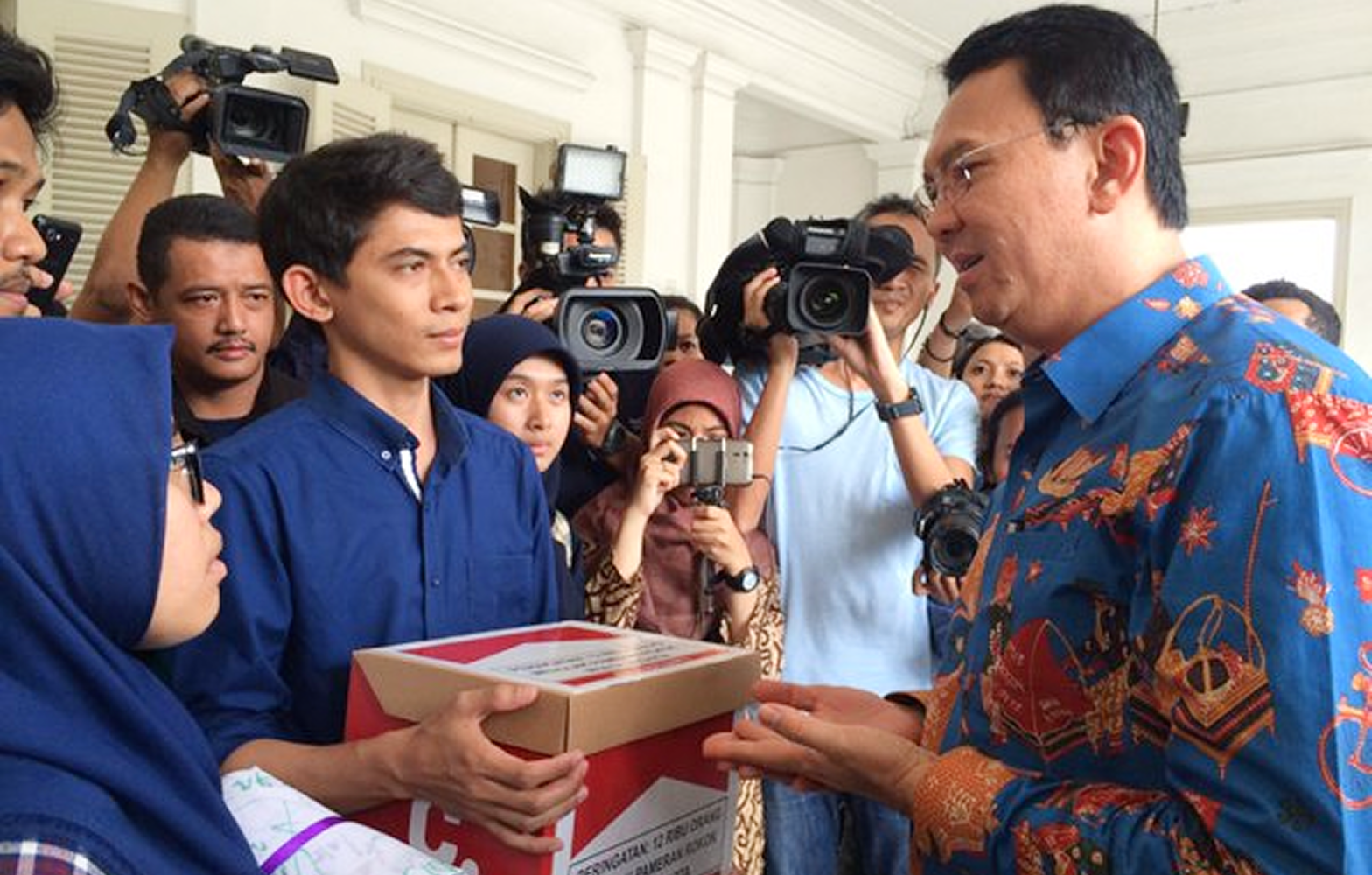
Deliver your petition in person to the decision maker’s office with a printout of the petition and a list of your signers which you can export in your petition dashboard
Start related petitions targeting allies or enablers of the decision maker
Example: In 2024, a petition was started opposing a controversial logging plan targeting the Notch Forest. As the city moved forward with the project despite public concern, the petitioners escalated their campaign by inviting supporters to attend a city-run public forum in person.
The meeting was framed by officials as an “information session” weighted in favor of pro-logging interests. To counter this narrative, petitioners urged supporters to show up, speak out, and visibly oppose the plan during the forum. This high-impact action gave local residents an opportunity to confront officials directly, challenge misleading messaging, and elevate public scrutiny of the project.
Turn your petition into a movement that gets results
A petition is the foundation to build a larger movement around. Not all decision makers respond to a sprinkling of online chatter — but many respond to larger, coordinated pressure. Whether you’re just launching your petition or trying to revive a stalled campaign, these tactics will help you escalate strategically and increase your impact.
Start small, grow your support, and keep the pressure consistent. Real change takes persistence — and the right approach can make all the difference. Take the first step and start a petition for what you want to change today.