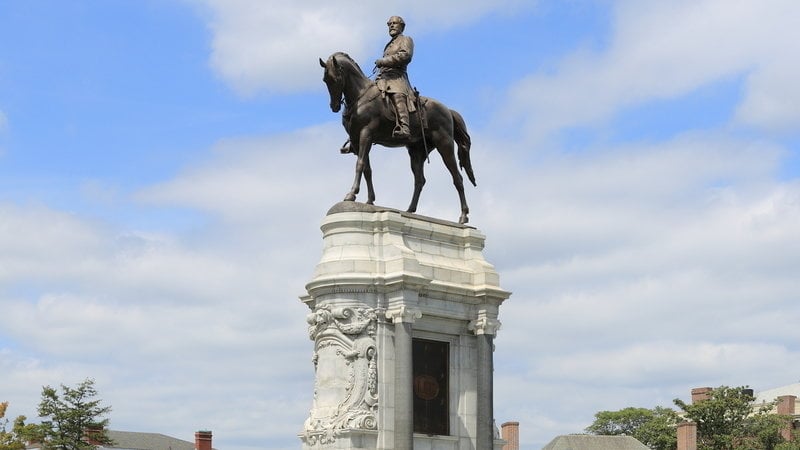
Addressing racist history refers to the systematic examination and teaching of the historical legacies of racism and discrimination in societies, particularly the United States. This involves tracing how policies, practices, and entrenched norms from the past have created lasting structural inequalities that persist in contemporary institutions and communities. The scope encompasses understanding historical events such as slavery, colonialism, and institutional discrimination, as well as their continuing impact on marginalized populations.
AI-generated content
Understanding racist history is essential for recognizing how contemporary inequalities are rooted in systemic rather than individual factors. Educational institutions and workplaces continue to perpetuate historical inequities, making critical examination of these histories necessary for disrupting ongoing patterns of discrimination. Without comprehensive knowledge of how racism shaped the founding and development of societies, individuals and institutions remain unable to effectively address racial disparities in education, health, criminal justice, and economic opportunity.
AI-generated content
Individuals and organizations engage with this issue through advocacy campaigns, educational initiatives, and public petitions calling for institutional change. People promote curriculum reforms that teach comprehensive histories of racism, support educational programs using primary sources and data-driven approaches to document racial disparities, and advocate for institutional accountability in addressing the legacies of discrimination. These efforts aim to ensure that communities develop a deeper understanding of historical injustices and their contemporary consequences.
3 supporters are talking about petitions related to Addressing Racist History!
It is not up to Massapequa to decide if their mascot should be a depiction of indigenous culture, it is up to the indigenous population. After how horribly the Indigenous population was treated by the United States, the least the U.S. could do is respect their wishes over a topic as simple as a school mascot. Majority of Massapequa students do not have to witness their culture and heritage be used as a normalized, harmful depiction, why allow other children to be subjected to such unfair treatment?
I don’t want my children growing up seeing this. Make the world a place you’re proud to raise your children in… that’s a big job so, it’s easier to start the focus on our community and work towards more. /:
As someone who attends church in the beautiful city of Plantation and who knows the history of my nation well where I was born and raised here in South Florida, I can't help but shudder at that name. I am embarrased to tell it to people and glad I don't live there on that account. There are so many other names that the residents can decide on to define who they are now at this point in time. A Change is long overdue!