Community problems: How to identify and solve local issues

Community problems: How to identify and solve local issues
A guide to detecting pressing problems in your community, common issues impacting towns and cities, and what you can do to help solve them.In this article you will learn:
Each community is unique and comes with its own distinct challenges. Those challenges can stem from a range of factors, from poor infrastructure and resources to environmental conditions and leadership decisions.
There are consistent, long-standing problems facing individual communities, and new ones that emerge with changing variables, like presidential executive orders that affect local governments and resources.
Local leaders and organizations exist to manage and improve these problems. Individuals in the community also play an important role in surfacing problems, voicing their needs, and contributing to solutions.
If there’s a problem impacting your local community, you can take action to make a real difference. Learn about how to detect issues where you live that need attention, common problems impacting local communities around the country, and what you can do to fix them.
What is a local community problem?
Local community problems are challenges that affect the daily lives of the people living in a specific neighborhood, town, or city. Here’s what defines a community problem and how you can spot one:
Impact on daily life: These issues directly influence the quality of life of residents — think unreliable public transportation, unsafe streets, or a lack of essential services like affordable housing or healthcare.
Widespread impact: You can typically identify a problem if a majority of the community recognizes or experiences it. If a significant portion of your neighbors are affected or have similar concerns, it’s likely a community problem.
Long-term or emerging issues: Some problems are deeply rooted, like failing infrastructure or inadequate education systems, while others might pop up suddenly due to new policies or economic changes.
Unique to the specific community: Local government operations and services and other local factors like weather conditions and available resources are often the source of each community’s particular problems.
Observable and measurable: Look for issues that you can clearly identify and document, like recurring traffic problems, increasing crime rates, or deteriorating public spaces. These are often signs that something needs to be fixed.
Common community issues and how everyday people can help
Although each community struggles with their own unique challenges, there are major concerns that towns across the country have in common at this current moment in history. Every problem has its own circumstances and requires a different approach, but you can apply the same advocacy principles to all when taking action. Those include:
Research the problem: Understand the issue by gathering facts and community input and perspectives. Gather local news, public records, and resident feedback to form a well-rounded picture.
Form a community task force to tackle the problem: Bring together neighbors and local experts who care about the issue. A diverse group can pool ideas and create a united front to advocate for change.
Determine the best approaches to address the problem: Evaluate different strategies by considering what’s feasible, cost-effective, and most likely to succeed. Brainstorm and prioritize ideas that align with your community’s needs and values.
Assess what community resources are available to solve the problem: Identify local organizations, government agencies, and volunteer groups that could offer support. Knowing what resources are on hand helps tailor solutions that are practical and sustainable.
Make and implement an action plan: Develop a clear roadmap with defined steps, responsibilities, and timelines. This might include contacting the elected officials who can implement solutions, attending public hearings, organizing educational meetings to raise awareness about the issue, etc.
Assess and modify the approach as you go: Regularly check in on your progress and be open to making adjustments. Flexibility is key to adapting your strategy to new challenges and feedback from the community.
Here are the local issues that are among the most prevalent right now and ways that local governments and community members can create positive change.
Failing infrastructure
The National League of Cities (NLC) State of the Cities 2024 report found that infrastructure was the top policy issue that communities engaged with their local leaders most about on social media. Infrastructure problems apply to roads, public transportation systems, airports, water supply, sanitation systems, electrical grids, and communication networks like cellular phone and internet.
Many communities’ current infrastructure systems are decades-old and are in urgent need of repairing and updating. Extreme weather and natural disasters like hurricanes, floods, earthquakes, and wildfires that come with climate change are becoming worse and more frequent, making infrastructure weaker and more vulnerable. The NLC study revealed that only 18% of mayors consider their cities “very prepared” to handle natural disasters.
Ways to address infrastructure problems
Local governments plan to address infrastructure needs by:
Using state and federal funding and grants to improve water systems, roads, and natural disaster protection
Seeking external support and forming partnerships to solve broadband and public transportation access
Implementing new technologies to handle energy issues
Everyday citizens can support infrastructure improvements by:
Help conduct public surveys, feedback sessions, or forums to help shape local infrastructure priorities based on real-life needs.
Reach out directly to local representatives with personal stories and constructive suggestions to reinforce the need for strategic investments.
Join or volunteer with community groups focused on infrastructure projects, helping to drive updates and repairs from the grassroots level.
Attend town halls or local council meetings to voice your concerns and demand action on outdated or vulnerable systems.
→ Discover infrastructure-related petitions
Environment and energy
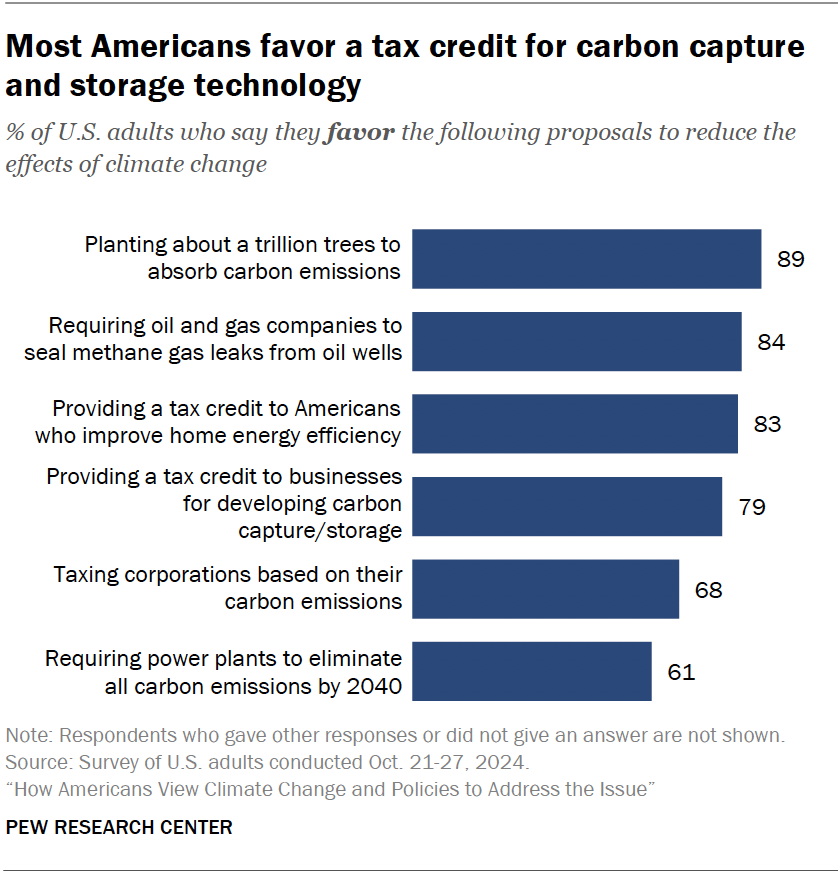
The environment and energy use was the second highest concern among citizens from the NLC survey. Climate change is significantly impacting cities around the world, causing dangerously high temperatures and disasters like the January 2025 Los Angeles fires. Additionally, a recent Pew Research study found that 64% of U.S. adults surveyed say climate change either greatly or to some extent affects their local community.
The majority (69%) of those surveyed in the Pew study say “large businesses and corporations are doing too little to help reduce the effects of global climate change.” Six in 10 think elected officials also aren’t doing enough. The following are climate policies that U.S. adults favor:
Ways to address environmental problems
Local leaders can take actions to improve environmental and energy related problems in their communities like:
Use land use planning as a tool to build and designate infrastructure, housing, and facilities for their communities away from disaster-prone zones.
Create policies that offer tax credits, rebates, or streamlined permitting processes to encourage residents and businesses to install solar panels, wind turbines, or other renewable systems.
Invest in retrofitting public buildings and modernizing transit systems to reduce energy consumption and lower emissions while making communities more resilient to environmental challenges.
Everyday citizens can support environmental improvements by:
Attend local meetings or write to your elected officials to support renewable energy projects and greener community planning.
Join community clean-ups, tree planting events, or local sustainability programs to help create a greener neighborhood.
→ Discover environmental-related petitions
Affordable housing
The 2024 NLC report found that housing access and affordability were among both local leaders’ and residents’ top priorities. Additionally, 69% of Americans reported they were “very concerned” about housing costs, up from 61% the previous year.
According to one common standard, housing is considered affordable if it doesn’t exceed 30% of household income. By this definition, over 31% of households were “cost burdened” in 2023. As Phil Rosen recently wrote in an Inc.com article, “Housing affordability remains historically bleak for everyday Americans thanks to a combination of high home prices, elevated mortgage rates, and limited housing supply.”
Ways to address housing problems
Some steps that local leaders can take to improve housing affordability and supply in their communities include:
Update local zoning codes to allow for higher density and mixed-use developments, which can facilitate the construction of more affordable housing units while streamlining the permitting process.
Work with private developers by offering tax credits, subsidies, or low-interest financing options that encourage investments in affordable housing projects.
Implement programs that support the rehabilitation of older properties and regulate or incentivize affordable rental rates, ensuring low-income residents can continue to afford current housing.
Everyday citizens can support housing improvements by:
Advocate for housing policies: Speak at public meetings, and write or call local representatives to push for affordable housing and tenants’ rights.
Volunteer or contribute to local nonprofits that focus on housing improvements, like Habitat for Humanity and Rebuilding Together. These groups often run programs to repair, maintain, or develop affordable housing options.
→ Discover housing-related petitions
Healthcare
Americans’ rating of healthcare coverage and quality is the lowest it’s been in 24 years. The cost of healthcare is the most urgent problem facing Americans, followed by access.
According to recent Value in Health research:
Healthcare expenses in the U.S. are increasing by 1-2% faster than the economy.
In 2010, healthcare made up 17.6% of gross domestic product and is projected to reach 38% by 2050 if trends continue.
With the healthcare industry representing about 20% of the economy, these costs can disrupt overall economic stability.
A Commonwealth Fund survey found that 23% of insured patients have skipped necessary care due to high costs, and 13% of insured adults (aged 19-64) spent 10% or more of their income on out-of-pocket health expenses.
Ways to address healthcare problems
Local leaders can work to improve health care in their communities by:
Advocating for expanding Medicaid or other state health programs to ensure access for low or medium-income individuals
Invest in or incentivize the establishment and expansion of local health clinics that provide affordable primary care, preventive services, and chronic disease management, ensuring that essential healthcare is accessible to all residents.
Everyday citizens can support housing improvements by:
Advocate for stronger healthcare policies — such as improved funding for local hospitals or Medicaid expansion — that can enhance community access and quality of care.
Volunteer at local clinics, health centers, or nonprofits, helping out with administrative tasks, patient support, or organizing health events to help serve the community
→ Discover healthcare-related petitions
Public safety
Public safety was another top community priority among both local leaders and citizens in the latest NLC State of Cities report. Public safety encompasses issues like crime, gun violence, emergency response, police reform, homelessness, and the opioid crisis. According to the latest HUD report, homelessness is at an all-time high in the U.S., and increased 18% from 2023 to 2024.
Ways to address public safety problems
Local leaders can use the following strategies to resolve public safety issues:
Diversify public safety services, like community counselors and specialists qualified to handle specific situations instead of the police for all public safety issues.
Apply for federal grants and advocate for federal funding to support evidence-based public safety policies, like community violence intervention programs, civilian crisis response programs, community health clinics and programs, and workforce development and employment programs.
Everyday citizens can support public safety improvements by:
Advocate for common sense gun laws by demanding them from local leaders and joining groups like Everytown for Gun Safety. Among U.S. adults surveyed, 58% support stricter gun laws.
Organize or join neighborhood watch programs and participate in local emergency preparedness training sessions.
→ Discover public safety-related petitions
Education
Education is among local community members’ top concerns currently. The prevalent education issues affecting communities across the country include an underfunded public school system, low student performance, student behavioral challenges, teacher burnout, and campus safety.
Ways to address education problems
Local leaders can combat education problems in their communities by:
Investing in the early childhood workforce is one of cities’ biggest opportunities to strengthen communities and boost economic growth in 2025. This sector includes educators, caregivers, and operators of childcare centers of young children.
Increase funding for professional development and mental health support initiatives to help reduce teacher burnout and improve classroom instruction.
Everyday citizens can support education improvements by:
Attend school board meetings to advocate for public education concerns and solutions
Volunteering at local schools: Offer tutoring, mentoring, or assistance with extracurricular activities to directly support students and educators.
For a full playbook on pushing back on a specific school board decision, see our local civic action guide.
→ Discover education-related petitions
Start a petition to address pressing problems in your community
Civic engagement is one of the most powerful strategies to raise awareness and resolve critical challenges in your local community. One proven method for creating tangible change is with petitions. Create a petition to convince your local leaders to take action on whatever issues your community is struggling with the most.