

"We Said But None Heard": Demand a Full-Record Review of the Varney Family Case
The Issue
946 Days Before the Window Closes: Review the Whole Record. Hear the Children.
A request for independent, full-record review and oversight concerning Florida dependency case 05-2024-DP-000587.
THE REQUEST — IN 20 SECONDS
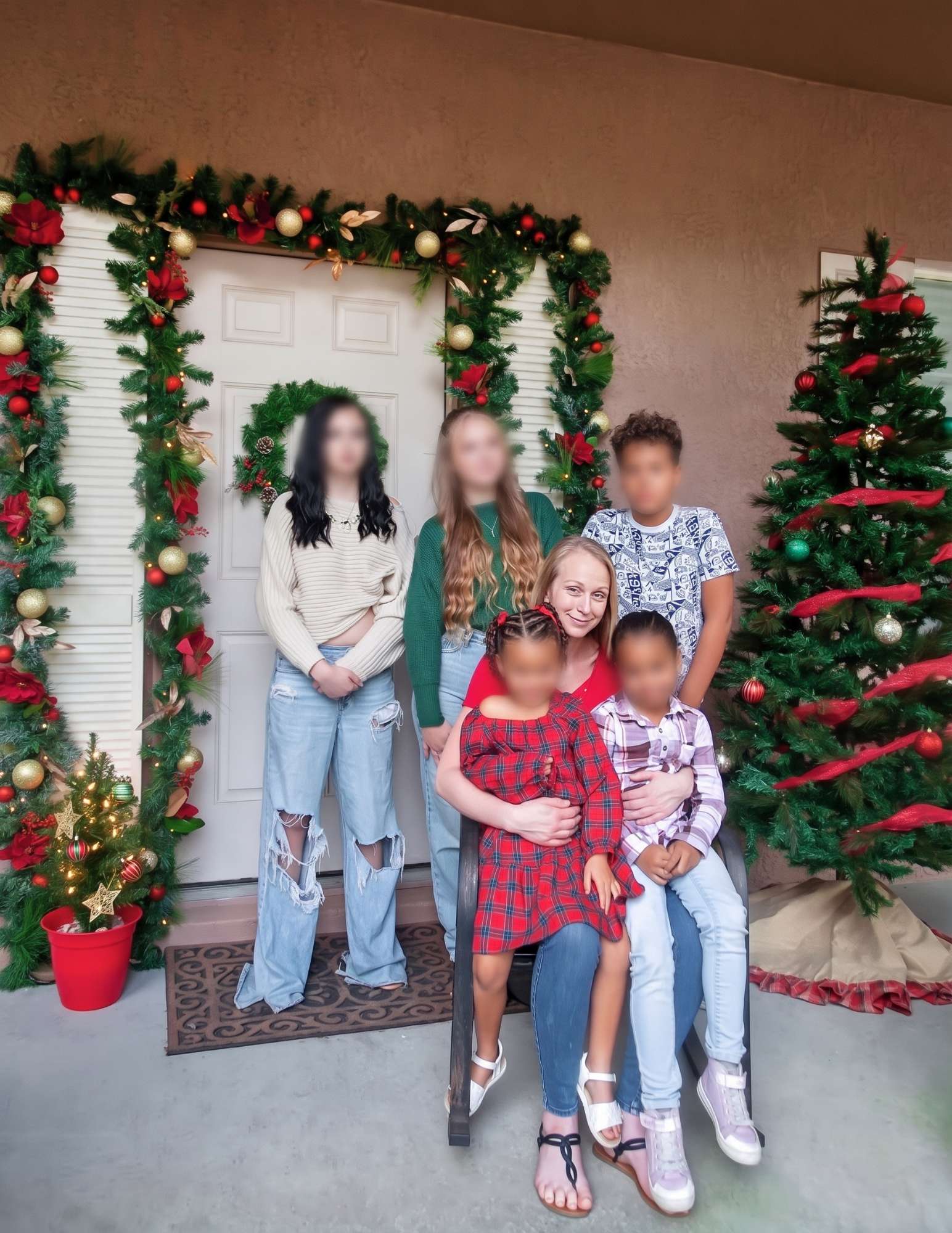
Five children were removed from their mother on January 23, 2024. What followed now spans 974 days of placements, reports of harm and distress while in care, disputed records, services, child-contact decisions, children's own written accounts, unresolved procedural questions, permanency proceedings, and termination of parental-rights proceedings.
I am not asking the public to decide from this petition whether I was right or the State was wrong. I am asking authorized, independent reviewers to examine enough of the complete record to determine that for themselves.
The review should reconstruct what happened before, during, and after State intervention; what each decision-maker knew and when; what the children reported; what actions were taken or not taken; whether the record accurately reflects those events; and what all of those separate decisions became when five children had to live their combined effect.
WHO I AM ASKING TO ACT
I am asking the Governor of Florida and the Florida Senate Committee on Children, Families, and Elder Affairs to use the oversight authority each possesses to require meaningful examination of the complete record and the systemic questions it raises.
I am asking the Governor to use Florida's executive oversight structure to ensure that the DCF-related portions of Case 05-2024-DP-000587—including agency and contractor conduct, record integrity, placement and service concerns, responses to reports of harm, and potential oversight failures—are referred to and examined through the appropriate independent executive accountability channels.
I am asking the Senate Committee on Children, Families, and Elder Affairs to use its legislative oversight authority to determine whether this record warrants agency reports, examination of records, testimony, further investigation, hearings, or corrective legislative action concerning Florida's child-welfare system.
I am not asking either branch to overturn a court judgment. Judicial relief belongs in the courts. I am asking them to exercise the oversight powers they actually possess over the institutions, practices, records, and systemic failures that may have contributed to what happened.
“Temporary.”
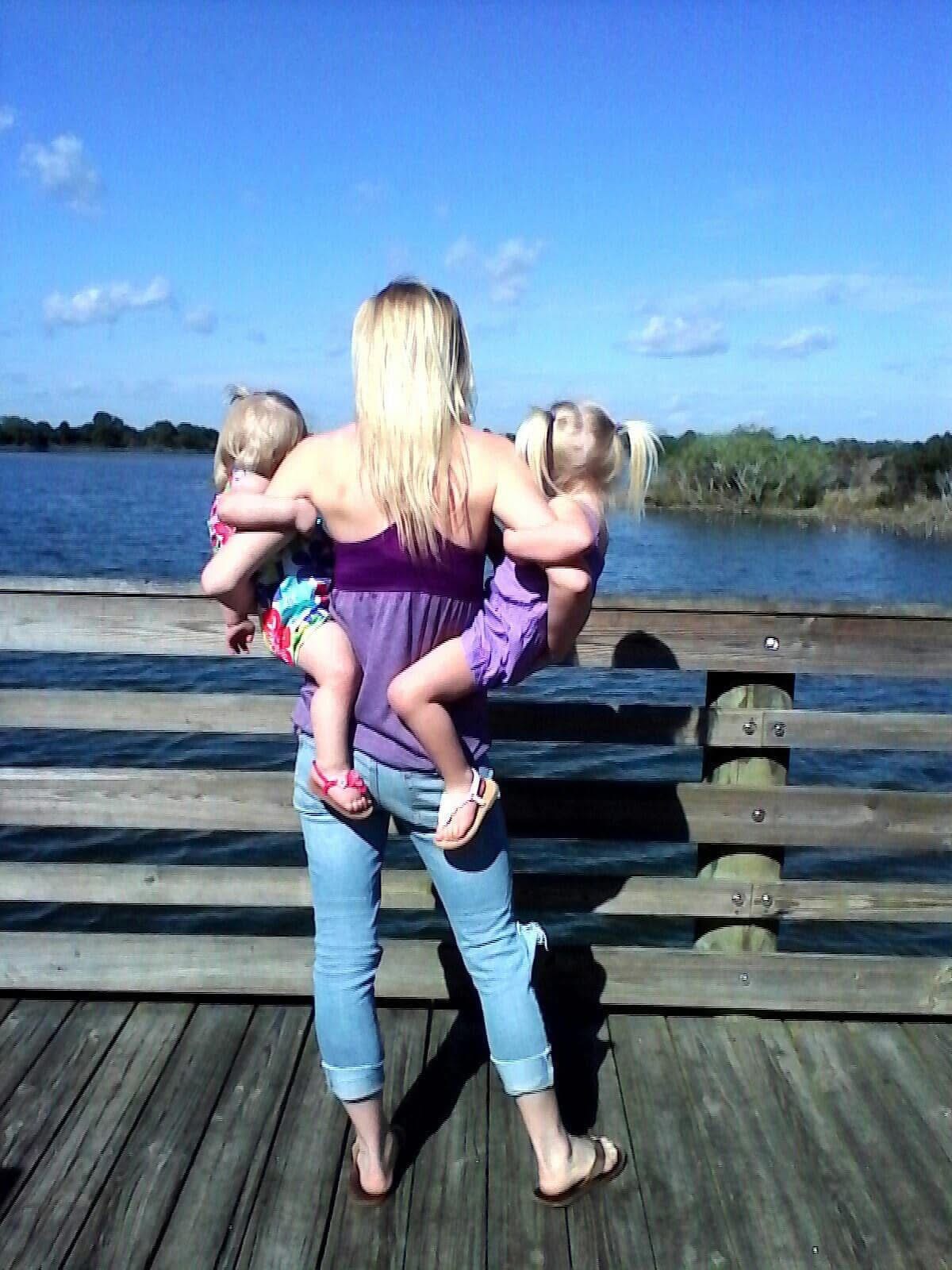
That was the word. Temporary separation. Temporary placement. Temporary disruption while adults determined what was necessary to keep five children safe.
But children do not experience time in court terms. They grow through it.
As of September 23, 2026, 974 days have passed since my children were removed on January 23, 2024. My youngest was two. She is five now. Birthdays came. Bodies changed. Voices changed. Relationships changed. My children did not stop growing because my world stood still.
And somewhere inside almost three years of allegations, investigations, placements, services, attorneys, hearings, reports, case plans, visitation decisions, records, permanency decisions, and legal arguments is the one thing that should never have moved from the center: the child.
Not children as a statistic. Not a case number. Not a permanency outcome. Not a percentage.
One child is enough. One child suffering preventable harm is enough to ask what happened. One child saying she is hurting is enough to listen. One child who cannot find the words is enough to pay attention. Because children have the least control over dependency proceedings while potentially carrying the greatest consequences of every decision made in their name.
My children have been trying to tell us that. One of my daughters wrote words I cannot get out of my head:
"We said but none heard."
That is where I am asking you to begin.
What Does It Mean to Protect a Child?
Most of us already agree on the words: Protect children. Keep them safe. Prevent abuse. Stop neglect. Act when a child is in danger.
Those words carry enormous weight because ordinary people already understand what they believe those words mean. When people hear that the State removed children for safety, a natural inference follows: Something terrible must have happened. They would not take children for no reason.
I understand why people think that. But that sentence answers much less than people realize. Having a reason does not tell us whether the reason was accurate. It does not tell us how complete the information was. It does not tell us what contradicted it. It does not tell us whether another safe option existed. It does not tell us whether what was believed on the first day remained true six months later.
And it tells us nothing about what happened to the child after the intervention began. That is the missing question: What happened during?
Every time we examine another piece of this case, I want us to return to the same place: What did this become in the life of the child?
What Happened During?
For my children, “during” was not an abstract period between removal and permanency. It was something they lived.
My children have described being placed together on a back porch, sleeping around a damaged air mattress, being unable at times to freely access food, water, or a bathroom, and one younger child having to use a cup when she could not get inside.
One of my daughters later wrote that they had spoken about what was happening but felt nobody listened:
"We said but none heard."
She described being frightened in placements, feeling trapped, lacking access to food and a bathroom, and wondering why the adults were heard while the children were not. Those are her allegations and her account of what she experienced, and they deserve to be tested against placement records, hotline reports, police contacts, caregiver records, agency notes, witnesses, photographs, communications, and every other available source—not discarded simply because a child did not know how to prove them herself.
My older daughters also described being pushed into adult responsibilities while separated from me. Other records and evidence I have collected concern medication issues, placement instability, restrictions on family contact, and additional reported harm while they were in care.
One of my daughters became pregnant while in State care and later miscarried while placed hours away from me. She also disclosed a sexual assault during the period she was in care. What happened surrounding those events, what was reported, who knew, what response followed, and what protections were provided are among the matters I am asking authorized reviewers to independently reconstruct.
I am not asking readers to accept my interpretation simply because these allegations are painful. I am asking why allegations against a parent can justify immediate scrutiny while serious allegations made by the children themselves should receive anything less than the same seriousness of inquiry.
Harm Does Not Change Depending on Who Caused It
Different harms are not identical. Different people have different legal duties. Intent matters for some accountability questions. Severity matters. Knowledge matters. Preventability matters.
But none of those things determines whether a child hurts.
A child who is frightened does not experience less fear because the adult involved meant well. A child who loses an important relationship does not experience less loss because the separation occurred through a legal proceeding. A child harmed by something nobody could reasonably have prevented still has to heal from it. And a child harmed by something that could have been prevented has to heal from it too.
Preventability changes what adults should answer for. It does not determine whether the wound exists. That is why child protection cannot stop with: Who caused this?
The first question has to be: What happened to the child? Then we ask: Was it preventable? Who knew? When did they know? What authority did they have? What could they have done? What did they do? What did they not do? And once harm occurred, what happened next?
Because what adults do after a child is hurt can become part of the harm—or the beginning of healing.
Listening Is Not the Same as Hearing Words
Children should not have to speak like lawyers before adults understand that something is wrong. They may not know how to explain trauma, attachment, instability, grief, fear, coercion, or loss.
A child might simply say: I want my mom. Or: I want to go home. Or: Nobody listened.
A child may cry. Withdraw. Become angry. Act differently. Write. Post online. Repeat the same question. Stop talking altogether.
None of those things proves its own cause, but none of them is nothing. A child's behavior should not automatically become an answer. It should tell us where to ask the next question.
My daughters found words. They wrote about separation. They wrote about placements. They wrote about crying. They wrote about missing their family. One daughter explained something adults spend entire careers studying: therapy cannot heal a child if the thing the child experiences as hurting them continues while therapy is happening. She should never have needed professional vocabulary to make that point matter.
Children already have voices. The adult responsibility is to make sure their meaning reaches the people making decisions without being translated away.
The Response Matters Too
A child tells an adult something happened. Now there is a fork.
Someone listens. Someone asks another question. Someone checks. Someone comforts. Someone investigates. Someone changes course.
Or someone minimizes it. Waits. Assumes somebody else will deal with it. Decides it does not fit the existing story. Remains silent. Does nothing.
The first harm teaches a child: This happened to me. The response teaches something else: Someone comes when I need help, or Nobody does. My words matter, or Talking changes nothing. Adults can make mistakes and repair them, or Adults protect the story before they protect me.
That is why silence can become loud. That is why inaction matters when meaningful action was available. And that is why stopping the immediate crisis is not the same thing as healing the wound beneath it.
Time Does Not Heal What Keeps Being Reopened
I know that from another side of this story too. I was once one of the children who did not know how to make adults understand what hurt.
The child I was did not disappear because I became an adult. The pain changed language. It wore different clothes. Eventually, I gained words for things I could once only feel. That taught me something I wish adults understood sooner: Time passing and healing are not the same thing.
A scab can cover a wound that is still repairing underneath. If it keeps being pulled away before healing is complete, the calendar does not make the wound ready. It bleeds again.
Children are not wounds, and human beings are more complicated than a metaphor. But the lesson is the same: If the conditions repeatedly producing an injury do not materially change, time alone cannot be expected to produce a different result.
Words Matter Because Words Become Decisions
There is another thing families learn after entering dependency court: ordinary words do not always remain ordinary.
Safety. Danger. Neglect. Abuse. Shelter. Consent. Compliance. Reasonable efforts. Best interests.
Meaning can depend upon the word beside it. Its order in a sentence. Which law is being applied. Which stage of the case you are in. Who the language refers to. What came before it. What comes after it.
Professionals learn that language through education, repetition, and experience. Families may discover there is a second meaning only after the proceedings have already begun. You can understand every English word someone says to you and still not understand what you are legally being told.
And while the parent learns, the child keeps growing. The system accumulates experience through time. The family experiences consequences through time. A parent can finally understand on Day 500 what she needed to understand on Day 5. Knowing it later cannot reopen the opportunity that existed then. And it cannot return the child's Day 5.
Who Holds the Pen Matters
Real life happens first. Then somebody records it.
An event becomes a note. A note becomes an assessment. An assessment becomes an allegation. An allegation enters a petition. The petition becomes history. History influences services. Services influence findings. Findings enter later reports.
Eventually, something that began as one person's description can be encountered by another professional simply as: the history of the case.
That does not mean the original writer lied. It means records have power. And records must therefore be tested too. A professionally written paragraph is not necessarily more accurate because it is calm and organized. A parent's imperfect chronology is not necessarily false because she was living through an emergency while trying to explain it.
The parent may be questioned while frightened, overwhelmed, and trying to understand where her children are going. The institution gets time to write afterward. Then the polished record can be compared against the frightened human being, and the discrepancy becomes a question about the human being's credibility.
There is another question we should ask just as seriously: Who is required to prove the record against reality?
Scrutinize me. Please. Scrutinize my choices. My mistakes. My inconsistencies. Every allegation. Every document. Every piece of evidence that supports the State's position.
But do not stop there. Scrutinize the investigation. The records. The placements. The services. The responses when the children reported problems. The representations made to the court. The decisions that followed. Apply curiosity in both directions.
That is not asking for special treatment. It is asking that the complete record become the record.
Responsibility and Power Are Not the Same Thing
Parents are expected to make it work. You are the mother. Find a ride. Get there. Finish the service. Work. Maintain the home. Manage the crisis. Meet the children's needs. Fight harder. Do more. Because they are your children.
I understand that responsibility. But notice what happens when pressure overwhelms different people.
When a parent cannot manage everything, the failure can become evidence against the parent. When a professional becomes overwhelmed, we are more willing to consider caseloads, staffing, training, resources, management, burnout, and time.
Maybe we should consider those things. But then context should matter everywhere. A parent may carry enormous personal responsibility while possessing almost no institutional power. The system possesses extraordinary institutional power while responsibility is divided among investigators, case managers, providers, caregivers, attorneys, contractors, agencies, and courts.
Everyone can accurately describe the boundary of their individual role. The child cannot divide the consequences according to those boundaries. Everyone gets a piece. The child gets the whole system.
The Number Is Not the Answer
Statistics matter. I want the numbers. How many hotline reports? Investigations? Removals? How many children remain safely home? Reunify? Are harmed in care? How many workers leave? How much funding is spent? How long do cases last?
But a number tells us what was counted. It cannot automatically tell us why.
A large number of hotline reports cannot tell us how many were genuine concerns, duplicate reports, misunderstandings, retaliatory reports, mistaken reports, or something else. A closed investigation does not by itself tell us why it closed. An increased budget does not prove that the problem the increase was supposed to solve actually improved. A successful outcome does not automatically tell us which intervention caused the success.
The number is not the answer. The number tells us where to ask the next question. And when important variables are not measured, that is information too. It tells us which questions the system may not be capable of answering about itself.
The Whole Gives the Pieces Their Coordinates
This case has too many pieces to understand by isolating one. That is precisely why an independent full-record review matters.
A dependency case is cumulative. Early information affects later information. Intervention changes circumstances. Changed circumstances become new evidence. The child reacts. Adults interpret the reaction. That interpretation can drive another intervention. Time passes. The new reality is then judged as though it simply appeared.
You cannot understand the ending by beginning at the ending. You have to reconstruct the path.
The individual fact still matters. The statistic, the order, the service, the placement, the child's statement—they all still matter. But the whole picture gives every piece its coordinates: What came before it. What came after it. What it affected. What affected it. And what all those separate pieces became when one child had to experience them together.
WHAT I AM ASKING TO BE REVIEWED
I am asking the Governor and the Senate Committee on Children, Families, and Elder Affairs to use their respective executive and legislative oversight powers to cause the complete record to be examined—not as isolated incidents assigned to separate actors, but as one cumulative sequence.
Where the evidence identifies matters properly belonging to DCF's Inspector General, the Chief Inspector General, another oversight office, law enforcement, licensing authorities, contracted-provider oversight, or the courts, those matters should be referred to the authority legally empowered to address them.
The purpose is not to make one office responsible for every remedy. It is to prevent divided jurisdiction from becoming the reason nobody examines what all of the pieces became when they came together in the lives of five children.
The review should include:
- The factual foundation for removal and whether available alternatives were meaningfully considered.
The evolution and accuracy of the agency record.
Placements and reported harm or distress while the children were in care.
Responses to those reports.
Visitation and sibling contact.
Services and barriers.
Case-plan and compliance findings.
The children's own stated wishes and experiences.
Representation and notice issues.
Evidence presented, disputed, excluded, or left unresolved.
Unresolved motions and procedural questions.
The sequence surrounding the August 17–20, 2026 proceedings.
Permanency representations.
Whether the cumulative record supports the conclusions ultimately reached.
I am not asking anyone to adopt my conclusions before reviewing the evidence. I am asking them to review enough of the evidence to earn their own conclusion. Not one summary. Not one allegation. Not one hearing. Not one parent's version. Not one agency's version. The whole record.
This Is Bigger Than Determining Who Was Wrong
If something protected my children, identify it. Preserve it. Learn from it.
If something harmed them, examine it. If that harm was preventable, determine how. If it was not preventable, ask whether the response reduced the damage or added another wound.
If a parent failed, understand the failure well enough to prevent it. If a worker failed, do the same. If a policy failed, change it. If a policy worked but was not followed, ask why. If everybody performed an individually understandable task but their combined actions produced an unacceptable result, then examine the connections between the tasks.
Failure without reconstruction produces blame. Success without reconstruction produces credit. Neither automatically produces knowledge. And knowledge is what gives the next child a better chance.
We Teach Children to Do Hard Things. Adults Should Be Willing to Do Them Too.
We teach children that things worth having take work. We tell them to tell the truth even when it is uncomfortable. We tell them to speak when somebody is being hurt. We tell them mistakes do not have to define them if they take responsibility and make things right. We tell them not to look away simply because something is difficult.
Adults should be willing to live by what we teach.
Looking honestly at child welfare may require parents, workers, agencies, courts, and providers to confront failure. It may also require us to recognize what worked, who protected children, what families overcame, and which interventions actually prevented harm.
That is not the opposite of child protection. That is child protection. Listening is protection. Prevention is protection. Repair is protection. Learning is protection. Changing course when something is harming a child is protection. And sometimes saying, "We got this wrong. What do we do now?" may be the most protective thing an adult can do next.
Before. During. After.
We cannot promise children a life in which nothing ever hurts. But we can prevent what can reasonably be prevented. We can listen sooner. We can respond better. We can stop treating harm as important only when it comes from the person we already expected to cause it. We can recognize that effects ripple outward—and that healing does too.
A child who speaks and is heard learns that speaking matters. A child who watches adults repair a mistake learns that authority and accountability can coexist. A child protected before preventable harm occurs never has to spend adulthood learning how to heal from that particular wound.
That is the ripple worth creating. So before deciding whether my family deserved what happened, I am asking you to look deeper.
Listen to the children. Read the record. Follow the timeline. Follow what was known. Follow what was reported. Follow what was done. Follow what was not done. Follow what worked. Follow what failed. And keep returning to the question that should never change:
What did this become in the life of the child?
Because adults divide dependency cases into statutes, allegations, services, placements, agencies, hearings, budgets, findings, and outcomes. Children divide none of it. They live the whole thing.
My daughter's words were simple:
"We said but none heard."
I am asking that they be heard now.
Please add your name to the request for independent, full-record review by the authorities with lawful responsibility for the different parts of Case 05-2024-DP-000587.
Not to decide the case by petition.
Not to automatically believe me.
Not to automatically disbelieve the State.
To require that the pieces finally be examined together.
Because the complete record should become the record. Because the child should remain the center—before, during, and after. And because the human cost does not end when the docket closes.

10
The Issue
946 Days Before the Window Closes: Review the Whole Record. Hear the Children.
A request for independent, full-record review and oversight concerning Florida dependency case 05-2024-DP-000587.
THE REQUEST — IN 20 SECONDS
Five children were removed from their mother on January 23, 2024. What followed now spans 974 days of placements, reports of harm and distress while in care, disputed records, services, child-contact decisions, children's own written accounts, unresolved procedural questions, permanency proceedings, and termination of parental-rights proceedings.
I am not asking the public to decide from this petition whether I was right or the State was wrong. I am asking authorized, independent reviewers to examine enough of the complete record to determine that for themselves.
The review should reconstruct what happened before, during, and after State intervention; what each decision-maker knew and when; what the children reported; what actions were taken or not taken; whether the record accurately reflects those events; and what all of those separate decisions became when five children had to live their combined effect.
WHO I AM ASKING TO ACT
I am asking the Governor of Florida and the Florida Senate Committee on Children, Families, and Elder Affairs to use the oversight authority each possesses to require meaningful examination of the complete record and the systemic questions it raises.
I am asking the Governor to use Florida's executive oversight structure to ensure that the DCF-related portions of Case 05-2024-DP-000587—including agency and contractor conduct, record integrity, placement and service concerns, responses to reports of harm, and potential oversight failures—are referred to and examined through the appropriate independent executive accountability channels.
I am asking the Senate Committee on Children, Families, and Elder Affairs to use its legislative oversight authority to determine whether this record warrants agency reports, examination of records, testimony, further investigation, hearings, or corrective legislative action concerning Florida's child-welfare system.
I am not asking either branch to overturn a court judgment. Judicial relief belongs in the courts. I am asking them to exercise the oversight powers they actually possess over the institutions, practices, records, and systemic failures that may have contributed to what happened.
“Temporary.”
That was the word. Temporary separation. Temporary placement. Temporary disruption while adults determined what was necessary to keep five children safe.
But children do not experience time in court terms. They grow through it.
As of September 23, 2026, 974 days have passed since my children were removed on January 23, 2024. My youngest was two. She is five now. Birthdays came. Bodies changed. Voices changed. Relationships changed. My children did not stop growing because my world stood still.
And somewhere inside almost three years of allegations, investigations, placements, services, attorneys, hearings, reports, case plans, visitation decisions, records, permanency decisions, and legal arguments is the one thing that should never have moved from the center: the child.
Not children as a statistic. Not a case number. Not a permanency outcome. Not a percentage.
One child is enough. One child suffering preventable harm is enough to ask what happened. One child saying she is hurting is enough to listen. One child who cannot find the words is enough to pay attention. Because children have the least control over dependency proceedings while potentially carrying the greatest consequences of every decision made in their name.
My children have been trying to tell us that. One of my daughters wrote words I cannot get out of my head:
"We said but none heard."
That is where I am asking you to begin.
What Does It Mean to Protect a Child?
Most of us already agree on the words: Protect children. Keep them safe. Prevent abuse. Stop neglect. Act when a child is in danger.
Those words carry enormous weight because ordinary people already understand what they believe those words mean. When people hear that the State removed children for safety, a natural inference follows: Something terrible must have happened. They would not take children for no reason.
I understand why people think that. But that sentence answers much less than people realize. Having a reason does not tell us whether the reason was accurate. It does not tell us how complete the information was. It does not tell us what contradicted it. It does not tell us whether another safe option existed. It does not tell us whether what was believed on the first day remained true six months later.
And it tells us nothing about what happened to the child after the intervention began. That is the missing question: What happened during?
Every time we examine another piece of this case, I want us to return to the same place: What did this become in the life of the child?
What Happened During?
For my children, “during” was not an abstract period between removal and permanency. It was something they lived.
My children have described being placed together on a back porch, sleeping around a damaged air mattress, being unable at times to freely access food, water, or a bathroom, and one younger child having to use a cup when she could not get inside.
One of my daughters later wrote that they had spoken about what was happening but felt nobody listened:
"We said but none heard."
She described being frightened in placements, feeling trapped, lacking access to food and a bathroom, and wondering why the adults were heard while the children were not. Those are her allegations and her account of what she experienced, and they deserve to be tested against placement records, hotline reports, police contacts, caregiver records, agency notes, witnesses, photographs, communications, and every other available source—not discarded simply because a child did not know how to prove them herself.
My older daughters also described being pushed into adult responsibilities while separated from me. Other records and evidence I have collected concern medication issues, placement instability, restrictions on family contact, and additional reported harm while they were in care.
One of my daughters became pregnant while in State care and later miscarried while placed hours away from me. She also disclosed a sexual assault during the period she was in care. What happened surrounding those events, what was reported, who knew, what response followed, and what protections were provided are among the matters I am asking authorized reviewers to independently reconstruct.
I am not asking readers to accept my interpretation simply because these allegations are painful. I am asking why allegations against a parent can justify immediate scrutiny while serious allegations made by the children themselves should receive anything less than the same seriousness of inquiry.
Harm Does Not Change Depending on Who Caused It
Different harms are not identical. Different people have different legal duties. Intent matters for some accountability questions. Severity matters. Knowledge matters. Preventability matters.
But none of those things determines whether a child hurts.
A child who is frightened does not experience less fear because the adult involved meant well. A child who loses an important relationship does not experience less loss because the separation occurred through a legal proceeding. A child harmed by something nobody could reasonably have prevented still has to heal from it. And a child harmed by something that could have been prevented has to heal from it too.
Preventability changes what adults should answer for. It does not determine whether the wound exists. That is why child protection cannot stop with: Who caused this?
The first question has to be: What happened to the child? Then we ask: Was it preventable? Who knew? When did they know? What authority did they have? What could they have done? What did they do? What did they not do? And once harm occurred, what happened next?
Because what adults do after a child is hurt can become part of the harm—or the beginning of healing.
Listening Is Not the Same as Hearing Words
Children should not have to speak like lawyers before adults understand that something is wrong. They may not know how to explain trauma, attachment, instability, grief, fear, coercion, or loss.
A child might simply say: I want my mom. Or: I want to go home. Or: Nobody listened.
A child may cry. Withdraw. Become angry. Act differently. Write. Post online. Repeat the same question. Stop talking altogether.
None of those things proves its own cause, but none of them is nothing. A child's behavior should not automatically become an answer. It should tell us where to ask the next question.
My daughters found words. They wrote about separation. They wrote about placements. They wrote about crying. They wrote about missing their family. One daughter explained something adults spend entire careers studying: therapy cannot heal a child if the thing the child experiences as hurting them continues while therapy is happening. She should never have needed professional vocabulary to make that point matter.
Children already have voices. The adult responsibility is to make sure their meaning reaches the people making decisions without being translated away.
The Response Matters Too
A child tells an adult something happened. Now there is a fork.
Someone listens. Someone asks another question. Someone checks. Someone comforts. Someone investigates. Someone changes course.
Or someone minimizes it. Waits. Assumes somebody else will deal with it. Decides it does not fit the existing story. Remains silent. Does nothing.
The first harm teaches a child: This happened to me. The response teaches something else: Someone comes when I need help, or Nobody does. My words matter, or Talking changes nothing. Adults can make mistakes and repair them, or Adults protect the story before they protect me.
That is why silence can become loud. That is why inaction matters when meaningful action was available. And that is why stopping the immediate crisis is not the same thing as healing the wound beneath it.
Time Does Not Heal What Keeps Being Reopened
I know that from another side of this story too. I was once one of the children who did not know how to make adults understand what hurt.
The child I was did not disappear because I became an adult. The pain changed language. It wore different clothes. Eventually, I gained words for things I could once only feel. That taught me something I wish adults understood sooner: Time passing and healing are not the same thing.
A scab can cover a wound that is still repairing underneath. If it keeps being pulled away before healing is complete, the calendar does not make the wound ready. It bleeds again.
Children are not wounds, and human beings are more complicated than a metaphor. But the lesson is the same: If the conditions repeatedly producing an injury do not materially change, time alone cannot be expected to produce a different result.
Words Matter Because Words Become Decisions
There is another thing families learn after entering dependency court: ordinary words do not always remain ordinary.
Safety. Danger. Neglect. Abuse. Shelter. Consent. Compliance. Reasonable efforts. Best interests.
Meaning can depend upon the word beside it. Its order in a sentence. Which law is being applied. Which stage of the case you are in. Who the language refers to. What came before it. What comes after it.
Professionals learn that language through education, repetition, and experience. Families may discover there is a second meaning only after the proceedings have already begun. You can understand every English word someone says to you and still not understand what you are legally being told.
And while the parent learns, the child keeps growing. The system accumulates experience through time. The family experiences consequences through time. A parent can finally understand on Day 500 what she needed to understand on Day 5. Knowing it later cannot reopen the opportunity that existed then. And it cannot return the child's Day 5.
Who Holds the Pen Matters
Real life happens first. Then somebody records it.
An event becomes a note. A note becomes an assessment. An assessment becomes an allegation. An allegation enters a petition. The petition becomes history. History influences services. Services influence findings. Findings enter later reports.
Eventually, something that began as one person's description can be encountered by another professional simply as: the history of the case.
That does not mean the original writer lied. It means records have power. And records must therefore be tested too. A professionally written paragraph is not necessarily more accurate because it is calm and organized. A parent's imperfect chronology is not necessarily false because she was living through an emergency while trying to explain it.
The parent may be questioned while frightened, overwhelmed, and trying to understand where her children are going. The institution gets time to write afterward. Then the polished record can be compared against the frightened human being, and the discrepancy becomes a question about the human being's credibility.
There is another question we should ask just as seriously: Who is required to prove the record against reality?
Scrutinize me. Please. Scrutinize my choices. My mistakes. My inconsistencies. Every allegation. Every document. Every piece of evidence that supports the State's position.
But do not stop there. Scrutinize the investigation. The records. The placements. The services. The responses when the children reported problems. The representations made to the court. The decisions that followed. Apply curiosity in both directions.
That is not asking for special treatment. It is asking that the complete record become the record.
Responsibility and Power Are Not the Same Thing
Parents are expected to make it work. You are the mother. Find a ride. Get there. Finish the service. Work. Maintain the home. Manage the crisis. Meet the children's needs. Fight harder. Do more. Because they are your children.
I understand that responsibility. But notice what happens when pressure overwhelms different people.
When a parent cannot manage everything, the failure can become evidence against the parent. When a professional becomes overwhelmed, we are more willing to consider caseloads, staffing, training, resources, management, burnout, and time.
Maybe we should consider those things. But then context should matter everywhere. A parent may carry enormous personal responsibility while possessing almost no institutional power. The system possesses extraordinary institutional power while responsibility is divided among investigators, case managers, providers, caregivers, attorneys, contractors, agencies, and courts.
Everyone can accurately describe the boundary of their individual role. The child cannot divide the consequences according to those boundaries. Everyone gets a piece. The child gets the whole system.
The Number Is Not the Answer
Statistics matter. I want the numbers. How many hotline reports? Investigations? Removals? How many children remain safely home? Reunify? Are harmed in care? How many workers leave? How much funding is spent? How long do cases last?
But a number tells us what was counted. It cannot automatically tell us why.
A large number of hotline reports cannot tell us how many were genuine concerns, duplicate reports, misunderstandings, retaliatory reports, mistaken reports, or something else. A closed investigation does not by itself tell us why it closed. An increased budget does not prove that the problem the increase was supposed to solve actually improved. A successful outcome does not automatically tell us which intervention caused the success.
The number is not the answer. The number tells us where to ask the next question. And when important variables are not measured, that is information too. It tells us which questions the system may not be capable of answering about itself.
The Whole Gives the Pieces Their Coordinates
This case has too many pieces to understand by isolating one. That is precisely why an independent full-record review matters.
A dependency case is cumulative. Early information affects later information. Intervention changes circumstances. Changed circumstances become new evidence. The child reacts. Adults interpret the reaction. That interpretation can drive another intervention. Time passes. The new reality is then judged as though it simply appeared.
You cannot understand the ending by beginning at the ending. You have to reconstruct the path.
The individual fact still matters. The statistic, the order, the service, the placement, the child's statement—they all still matter. But the whole picture gives every piece its coordinates: What came before it. What came after it. What it affected. What affected it. And what all those separate pieces became when one child had to experience them together.
WHAT I AM ASKING TO BE REVIEWED
I am asking the Governor and the Senate Committee on Children, Families, and Elder Affairs to use their respective executive and legislative oversight powers to cause the complete record to be examined—not as isolated incidents assigned to separate actors, but as one cumulative sequence.
Where the evidence identifies matters properly belonging to DCF's Inspector General, the Chief Inspector General, another oversight office, law enforcement, licensing authorities, contracted-provider oversight, or the courts, those matters should be referred to the authority legally empowered to address them.
The purpose is not to make one office responsible for every remedy. It is to prevent divided jurisdiction from becoming the reason nobody examines what all of the pieces became when they came together in the lives of five children.
The review should include:
- The factual foundation for removal and whether available alternatives were meaningfully considered.
The evolution and accuracy of the agency record.
Placements and reported harm or distress while the children were in care.
Responses to those reports.
Visitation and sibling contact.
Services and barriers.
Case-plan and compliance findings.
The children's own stated wishes and experiences.
Representation and notice issues.
Evidence presented, disputed, excluded, or left unresolved.
Unresolved motions and procedural questions.
The sequence surrounding the August 17–20, 2026 proceedings.
Permanency representations.
Whether the cumulative record supports the conclusions ultimately reached.
I am not asking anyone to adopt my conclusions before reviewing the evidence. I am asking them to review enough of the evidence to earn their own conclusion. Not one summary. Not one allegation. Not one hearing. Not one parent's version. Not one agency's version. The whole record.
This Is Bigger Than Determining Who Was Wrong
If something protected my children, identify it. Preserve it. Learn from it.
If something harmed them, examine it. If that harm was preventable, determine how. If it was not preventable, ask whether the response reduced the damage or added another wound.
If a parent failed, understand the failure well enough to prevent it. If a worker failed, do the same. If a policy failed, change it. If a policy worked but was not followed, ask why. If everybody performed an individually understandable task but their combined actions produced an unacceptable result, then examine the connections between the tasks.
Failure without reconstruction produces blame. Success without reconstruction produces credit. Neither automatically produces knowledge. And knowledge is what gives the next child a better chance.
We Teach Children to Do Hard Things. Adults Should Be Willing to Do Them Too.
We teach children that things worth having take work. We tell them to tell the truth even when it is uncomfortable. We tell them to speak when somebody is being hurt. We tell them mistakes do not have to define them if they take responsibility and make things right. We tell them not to look away simply because something is difficult.
Adults should be willing to live by what we teach.
Looking honestly at child welfare may require parents, workers, agencies, courts, and providers to confront failure. It may also require us to recognize what worked, who protected children, what families overcame, and which interventions actually prevented harm.
That is not the opposite of child protection. That is child protection. Listening is protection. Prevention is protection. Repair is protection. Learning is protection. Changing course when something is harming a child is protection. And sometimes saying, "We got this wrong. What do we do now?" may be the most protective thing an adult can do next.
Before. During. After.
We cannot promise children a life in which nothing ever hurts. But we can prevent what can reasonably be prevented. We can listen sooner. We can respond better. We can stop treating harm as important only when it comes from the person we already expected to cause it. We can recognize that effects ripple outward—and that healing does too.
A child who speaks and is heard learns that speaking matters. A child who watches adults repair a mistake learns that authority and accountability can coexist. A child protected before preventable harm occurs never has to spend adulthood learning how to heal from that particular wound.
That is the ripple worth creating. So before deciding whether my family deserved what happened, I am asking you to look deeper.
Listen to the children. Read the record. Follow the timeline. Follow what was known. Follow what was reported. Follow what was done. Follow what was not done. Follow what worked. Follow what failed. And keep returning to the question that should never change:
What did this become in the life of the child?
Because adults divide dependency cases into statutes, allegations, services, placements, agencies, hearings, budgets, findings, and outcomes. Children divide none of it. They live the whole thing.
My daughter's words were simple:
"We said but none heard."
I am asking that they be heard now.
Please add your name to the request for independent, full-record review by the authorities with lawful responsibility for the different parts of Case 05-2024-DP-000587.
Not to decide the case by petition.
Not to automatically believe me.
Not to automatically disbelieve the State.
To require that the pieces finally be examined together.
Because the complete record should become the record. Because the child should remain the center—before, during, and after. And because the human cost does not end when the docket closes.
The Decision Makers


Petition Updates
Share this petition
Petition created on September 8, 2026