

Stop the Proposed Cellphone Ban in NY Schools: Focus on Real Solutions for Safety and Educ
The Issue
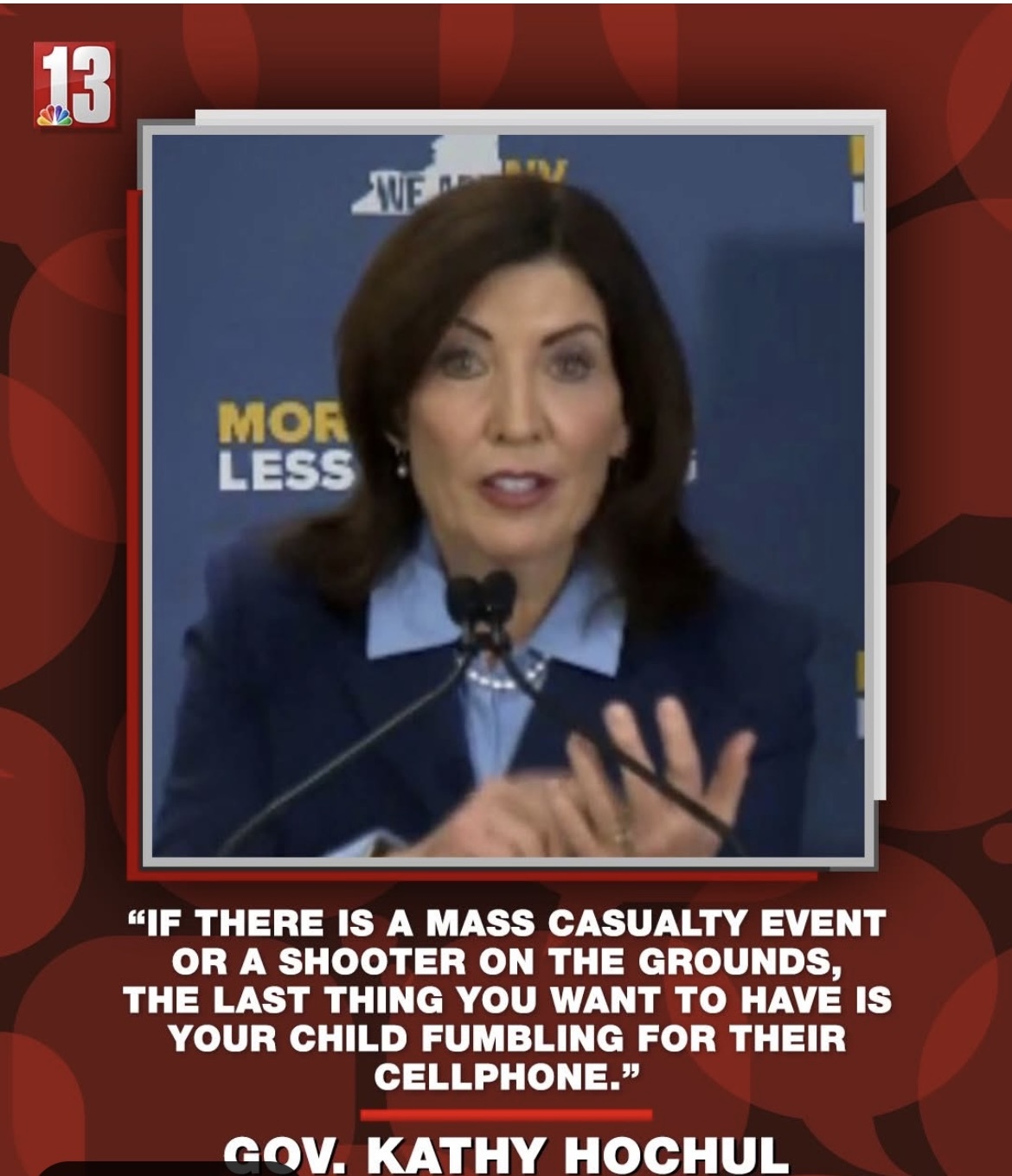
Governor Kathy Hochul’s proposed statewide cellphone ban, paired with $13 million in taxpayer-funded locking bags, is a misguided and dangerous policy. This proposal is not about protecting students or improving education—it’s about control. It prioritizes political optics over meaningful solutions and risks eroding the crucial bond between families during times of crisis.
Why This Ban is Harmful and Misguided
1. No Data to Support the Governor’s Claims
Governor Hochul’s proposed cellphone ban assumes, without evidence, that phones are dangerous in emergencies. However, there is no data to suggest that having a phone during an emergency makes the situation worse. In fact, phones have repeatedly saved lives during school shootings and other crises by allowing students to:
• Call for help.
• Share critical information with law enforcement.
• Contact their families.
The governor’s assertion that phones are harmful in emergencies is not supported by any measurable data or research. If anything, the absence of phones leaves students isolated, scared, and unable to act.
Moreover, the idea that speaking to loved ones during a traumatic moment is unnecessary or harmful is deeply troubling. Research and human experience show that in moments of crisis, the natural instinct is to connect with family. These moments of communication provide emotional comfort, reassurance, and closure—things every person would want if faced with such a scenario. By proposing this ban, Governor Hochul is not only ignoring reality but also signaling a disturbing willingness to erode the vital bond between families.
2. Misplaced Priorities and Wasted Spending
The $13 million proposed for locking bags has no measurable educational merit. Imagine walking into an IEP meeting and suggesting a $13 million plan with no goals, no outcomes, and no impact on learning. This would never be acceptable in special education planning—so why is it acceptable on a statewide level?
Instead of wasting taxpayer money, these funds could be used to:
• Hire more special education teachers and support staff.
• Fund mental health resources and counselors.
• Provide assistive technology for students with disabilities.
• Ensure every district has School Resource Officers (SROs) to improve safety.
Banning cellphones and spending millions on locking bags does nothing to address the root causes of bullying, school violence, or mental health challenges. It’s a performative policy that wastes resources and solves nothing.
3. Phones Are Tools, Not Just Distractions
For many students, especially those with disabilities, phones are lifelines. They serve as critical tools for:
• Assistive technology, such as speech-to-text apps or audiobooks.
• Real-time communication for students with anxiety or medical needs.
• Safety and accountability, particularly for students whose accommodations are not consistently implemented.
Banning phones disproportionately harms students with disabilities and removes a vital tool for accountability and support. Phones are also essential for contacting parents in emergencies—whether it’s about bullying, a medical issue, or a lockdown.
4. Bullying and Violence Are Rooted in Systemic Issues
The argument that banning phones will solve bullying or violence is deeply flawed. Bullying existed long before cellphones and will continue in other forms without them. Similarly, school violence and shootings are not caused by phones—they are the result of systemic failures, including:
• Outdated discipline policies that fail to address disruptive behaviors.
• Inadequate mental health support for students in crisis.
• A lack of focus on preventative measures and safety protocols.
Governor Hochul’s cellphone ban distracts from these real issues. Spending $13 million on locking bags is a waste of taxpayer dollars that ignores the real challenges schools face.
Dangerous and Callous Messaging
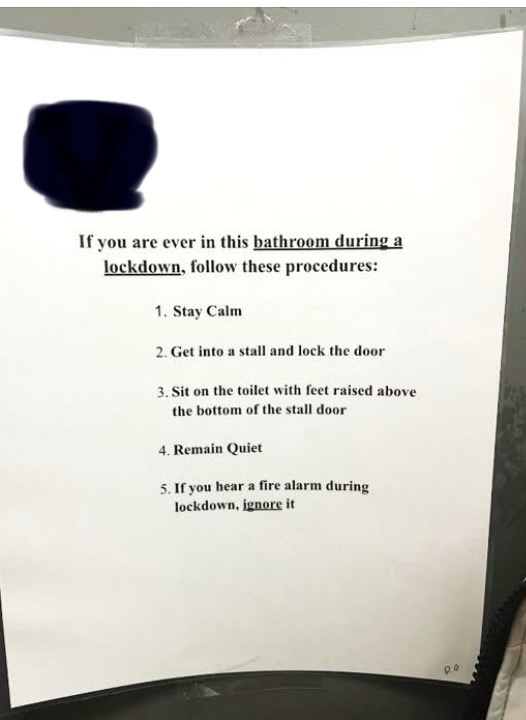
Governor Hochul’s decision to promote this ban by speaking at a school and describing students’ “last moments” in a crisis is callous and deeply offensive. Instead of addressing systemic failures in school safety, mental health, and discipline, she is using this emotionally charged topic to push a political agenda. This policy does nothing to improve safety, and it risks making dangerous situations even worse by removing a vital tool for communication.
A Better Use of $13 Million
Imagine if this money were spent on something meaningful—additional teachers, updated technology, improved safety measures, or mental health programs. Locking up phones doesn’t improve education, stop bullying, or enhance safety. It’s time to demand better for our schools, our children, and our communities.
Sign the Petition Today
By signing this petition, you are standing up for:
• Real solutions that address school safety and educational needs.
• Parental rights and the ability to decide what’s best for your children.
• Responsible spending of taxpayer dollars.
• The rights of all students, especially those with disabilities, to access tools and accommodations that help them succeed.
Join us in opposing the cellphone ban and demanding meaningful change in our schools. Let’s stop wasting money on policies that don’t work and start investing in what matters most—our children’s education, safety, and well-being.

216
The Issue
Governor Kathy Hochul’s proposed statewide cellphone ban, paired with $13 million in taxpayer-funded locking bags, is a misguided and dangerous policy. This proposal is not about protecting students or improving education—it’s about control. It prioritizes political optics over meaningful solutions and risks eroding the crucial bond between families during times of crisis.
Why This Ban is Harmful and Misguided
1. No Data to Support the Governor’s Claims
Governor Hochul’s proposed cellphone ban assumes, without evidence, that phones are dangerous in emergencies. However, there is no data to suggest that having a phone during an emergency makes the situation worse. In fact, phones have repeatedly saved lives during school shootings and other crises by allowing students to:
• Call for help.
• Share critical information with law enforcement.
• Contact their families.
The governor’s assertion that phones are harmful in emergencies is not supported by any measurable data or research. If anything, the absence of phones leaves students isolated, scared, and unable to act.
Moreover, the idea that speaking to loved ones during a traumatic moment is unnecessary or harmful is deeply troubling. Research and human experience show that in moments of crisis, the natural instinct is to connect with family. These moments of communication provide emotional comfort, reassurance, and closure—things every person would want if faced with such a scenario. By proposing this ban, Governor Hochul is not only ignoring reality but also signaling a disturbing willingness to erode the vital bond between families.
2. Misplaced Priorities and Wasted Spending
The $13 million proposed for locking bags has no measurable educational merit. Imagine walking into an IEP meeting and suggesting a $13 million plan with no goals, no outcomes, and no impact on learning. This would never be acceptable in special education planning—so why is it acceptable on a statewide level?
Instead of wasting taxpayer money, these funds could be used to:
• Hire more special education teachers and support staff.
• Fund mental health resources and counselors.
• Provide assistive technology for students with disabilities.
• Ensure every district has School Resource Officers (SROs) to improve safety.
Banning cellphones and spending millions on locking bags does nothing to address the root causes of bullying, school violence, or mental health challenges. It’s a performative policy that wastes resources and solves nothing.
3. Phones Are Tools, Not Just Distractions
For many students, especially those with disabilities, phones are lifelines. They serve as critical tools for:
• Assistive technology, such as speech-to-text apps or audiobooks.
• Real-time communication for students with anxiety or medical needs.
• Safety and accountability, particularly for students whose accommodations are not consistently implemented.
Banning phones disproportionately harms students with disabilities and removes a vital tool for accountability and support. Phones are also essential for contacting parents in emergencies—whether it’s about bullying, a medical issue, or a lockdown.
4. Bullying and Violence Are Rooted in Systemic Issues
The argument that banning phones will solve bullying or violence is deeply flawed. Bullying existed long before cellphones and will continue in other forms without them. Similarly, school violence and shootings are not caused by phones—they are the result of systemic failures, including:
• Outdated discipline policies that fail to address disruptive behaviors.
• Inadequate mental health support for students in crisis.
• A lack of focus on preventative measures and safety protocols.
Governor Hochul’s cellphone ban distracts from these real issues. Spending $13 million on locking bags is a waste of taxpayer dollars that ignores the real challenges schools face.
Dangerous and Callous Messaging
Governor Hochul’s decision to promote this ban by speaking at a school and describing students’ “last moments” in a crisis is callous and deeply offensive. Instead of addressing systemic failures in school safety, mental health, and discipline, she is using this emotionally charged topic to push a political agenda. This policy does nothing to improve safety, and it risks making dangerous situations even worse by removing a vital tool for communication.
A Better Use of $13 Million
Imagine if this money were spent on something meaningful—additional teachers, updated technology, improved safety measures, or mental health programs. Locking up phones doesn’t improve education, stop bullying, or enhance safety. It’s time to demand better for our schools, our children, and our communities.
Sign the Petition Today
By signing this petition, you are standing up for:
• Real solutions that address school safety and educational needs.
• Parental rights and the ability to decide what’s best for your children.
• Responsible spending of taxpayer dollars.
• The rights of all students, especially those with disabilities, to access tools and accommodations that help them succeed.
Join us in opposing the cellphone ban and demanding meaningful change in our schools. Let’s stop wasting money on policies that don’t work and start investing in what matters most—our children’s education, safety, and well-being.
The Decision Makers


Supporter Voices
Petition Updates
Share this petition
Petition created on January 22, 2025