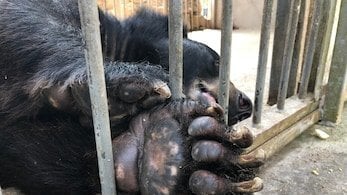
Animal welfare refers to the well-being of animals and encompasses how animals are treated, cared for, and protected from harm. It involves ensuring that animals have suitable living conditions, adequate food and water, and are free from cruelty and suffering. Animal welfare also includes efforts to conserve natural habitats and protect wildlife from threats such as deforestation and pollution.
AI-generated content
Deforestation leads to the loss and fragmentation of natural habitats, which threatens the survival of many animal species. In places like Aarey Forest, cutting down trees removes critical homes and food sources for wildlife, leading to decreased biodiversity and increased risk of species displacement or extinction. The disruption of these habitats also affects ecological balance and can contribute to environmental degradation.
AI-generated content
Animal cruelty primarily affects the animals subjected to abuse, including wildlife and domesticated species. In countries like Pakistan and China, weak enforcement of animal protection laws can leave animals vulnerable to neglect, exploitation, and harm. These issues also impact communities that rely on animals for livelihood or cultural practices, and raise concerns among animal rights advocates globally.
AI-generated content
Common demands to improve farm animal conditions include better living environments with more space and natural light, humane treatment practices, and reductions in intensive farming methods. Advocates often call for changes to dairy management that minimize stress and pain for animals, such as ending practices like early separation of calves from mothers, and improving nutrition and healthcare to promote animal welfare.