A guide to the top public policy issues in the United States right now
A guide to the top public policy issues in the United States right now
Learn about the major types of public policy impacting American citizens to help you understand important areas to get involved and make an impact in.With the 2024 presidential election behind us, the United States will enter 2025 with a new administration and governing approach. This is an ideal moment for us to reflect on and be informed about the top public policy issues in the U.S.
Some of the top public policy issues facing Americans today include healthcare, immigration, climate change and the environment, abortion, and the economy. It’s important to have a holistic understanding of the history, recent developments, and the present day impact of these policies to become a meaningful advocate for change.
Let’s dive into some of the key issues currently shaping the nation and how they affect citizens.
Why is public policy important?
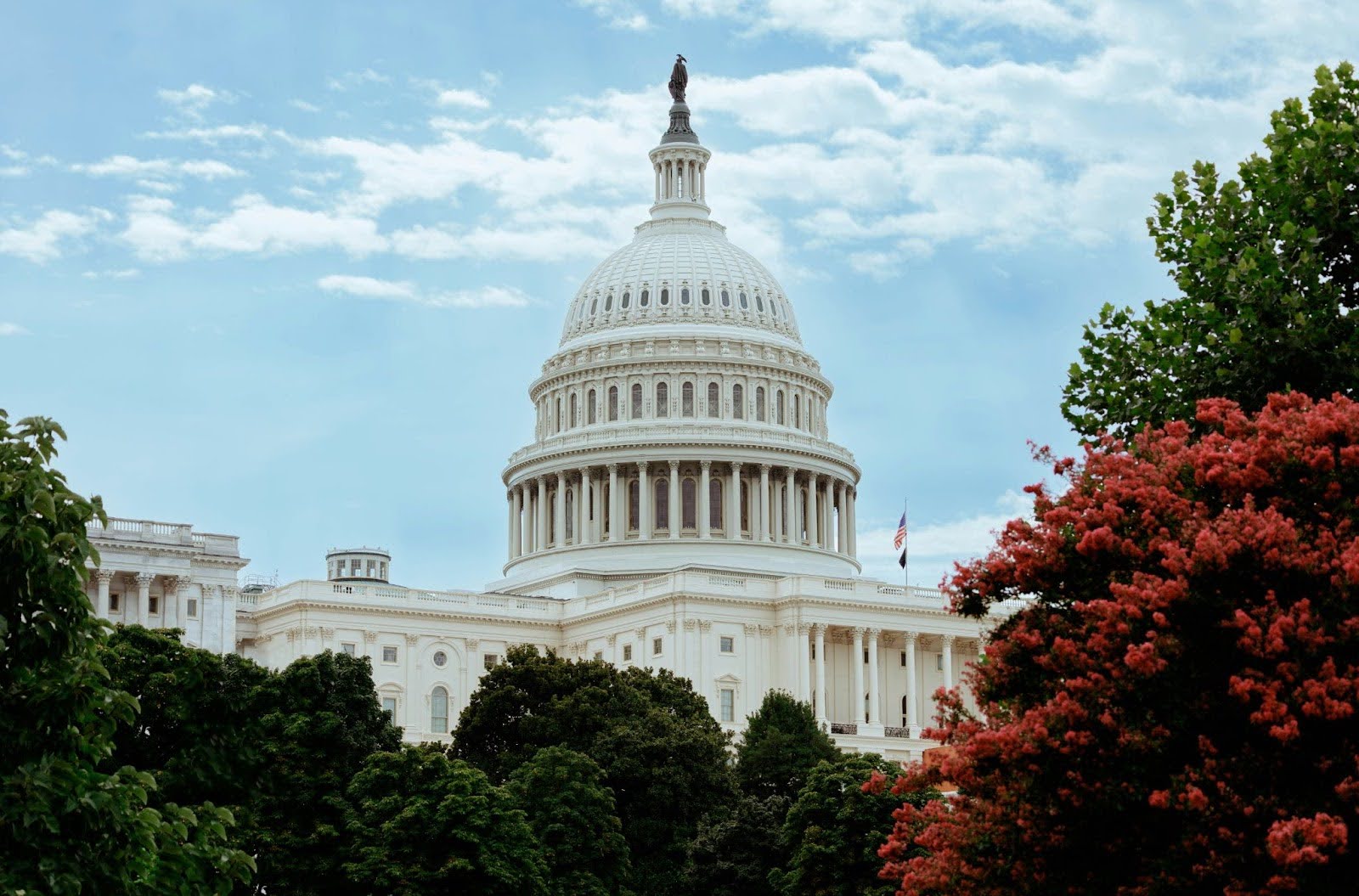
Public policy refers to the set of laws, regulations, and actions established by government officials to guide public life. These policies are typically created by policymakers at both the state and federal levels, including those in Capitol Hill, with the goal of achieving specific social, economic, or environmental goals. They are addressed to meet the needs of the public.
Here’s why public policy is such an important part of the democratic process:
It impacts daily life: Public policy affects everything from our healthcare access, to education quality, job creation, environmental protections, and public safety. For example, policies like the Affordable Care Act (ACA) have transformed healthcare access for millions of Americans, while climate-focused initiatives like the Inflation Reduction Act aim to promote sustainable energy solutions and reduce greenhouse gas emissions.
It empowers citizens: Understanding public policy empowers citizens to champion their causes effectively and participate in democracy. It enables meaningful engagement with elected officials and raising community awareness. Advocacy efforts, like contacting Congress or joining campaigns, help shape legislation and align policies with public priorities.
It prepares us for the future: Public policy changes as society evolves, responding to new challenges like climate change, healthcare costs, and economic inequality. Staying informed helps you not only understand these shifts but also adapt and contribute to solutions. Knowing what’s happening ensures you’re ready to engage and make a difference in the issues that matter most.
Elected officials’ role in implementing public policy
Elected officials aren’t just making decisions — they’re shaping the daily lives and future of our communities. Here are some of their key policy responsibilities:
Legislate: Congress is responsible for introducing, debating, and passing laws that address critical issues like healthcare, the economy, and education. These laws form the foundation of public policy. For example, the Affordable Care Act was passed by Congress to reform healthcare in the U.S.
Advocate for communities: Officials represent their constituents, meaning they push for policies that reflect the needs of the people they represent. Whether it's securing funding for local projects or advocating for broader national reforms, their role is to ensure the public's voice is heard in decision-making.
Oversight: Once policies are enacted, elected officials ensure they’re properly implemented by overseeing government agencies. They hold hearings and question agency leaders to make sure policies are carried out effectively.
Allocate resources: Elected officials decide how public funds are allocated, directing resources to various programs like healthcare, infrastructure, and education. Their decisions about the federal budget influence the success of public policies.
Now, let’s look at the U.S. public policy issues in detail and why they matter today.
1. The economy
Seventy percent of registered voters in this election cycle identified the economy as one of their top public policy concerns. Approximately 32% of Americans believe that the economy will decline over the next year.
Here are some of the top economic issues that Americans worry about the most:
Inflation
Rising prices for food, consumer goods, and services are among Americans' top concerns, with over 70% expressing significant worry. This issue directly affects household budgets and the ability to afford daily items.
Housing costs
Sixty nine percent of Americans are deeply concerned about not being able to afford housing in the U.S., reflecting the current state of high rents and property prices.
Employment and job security
Concerns about the availability of jobs are rising, with approximately 40% of Americans highlighting this issue.
Recent steps to encourage economic growth
The U.S. government has implemented several measures to bolster the economy and address ongoing challenges. Here’s a look at the top initiatives.
Infrastructure and manufacturing investments
Legislation like the Infrastructure Investment and Jobs Act has allocated billions to modernize transportation, energy grids, and broadband access, creating jobs and stimulating economic activity. Manufacturing incentives such as the CHIPS Act to encourage domestic semiconductor production complement these policies.
Inflation Reduction Act and energy policies
The Inflation Reduction Act focuses on reducing energy costs for households, lowering prescription drug prices, and supporting clean energy development. These measures tackle immediate cost pressures while promoting sustainable growth.
Equitable tax reform
The Biden administration proposed higher minimum taxes for corporations and the wealthiest Americans while ensuring no increases for individuals earning less than $400,000 annually. This approach seeks to promote fairer wealth distribution and reduce the fiscal deficit.
2. Healthcare
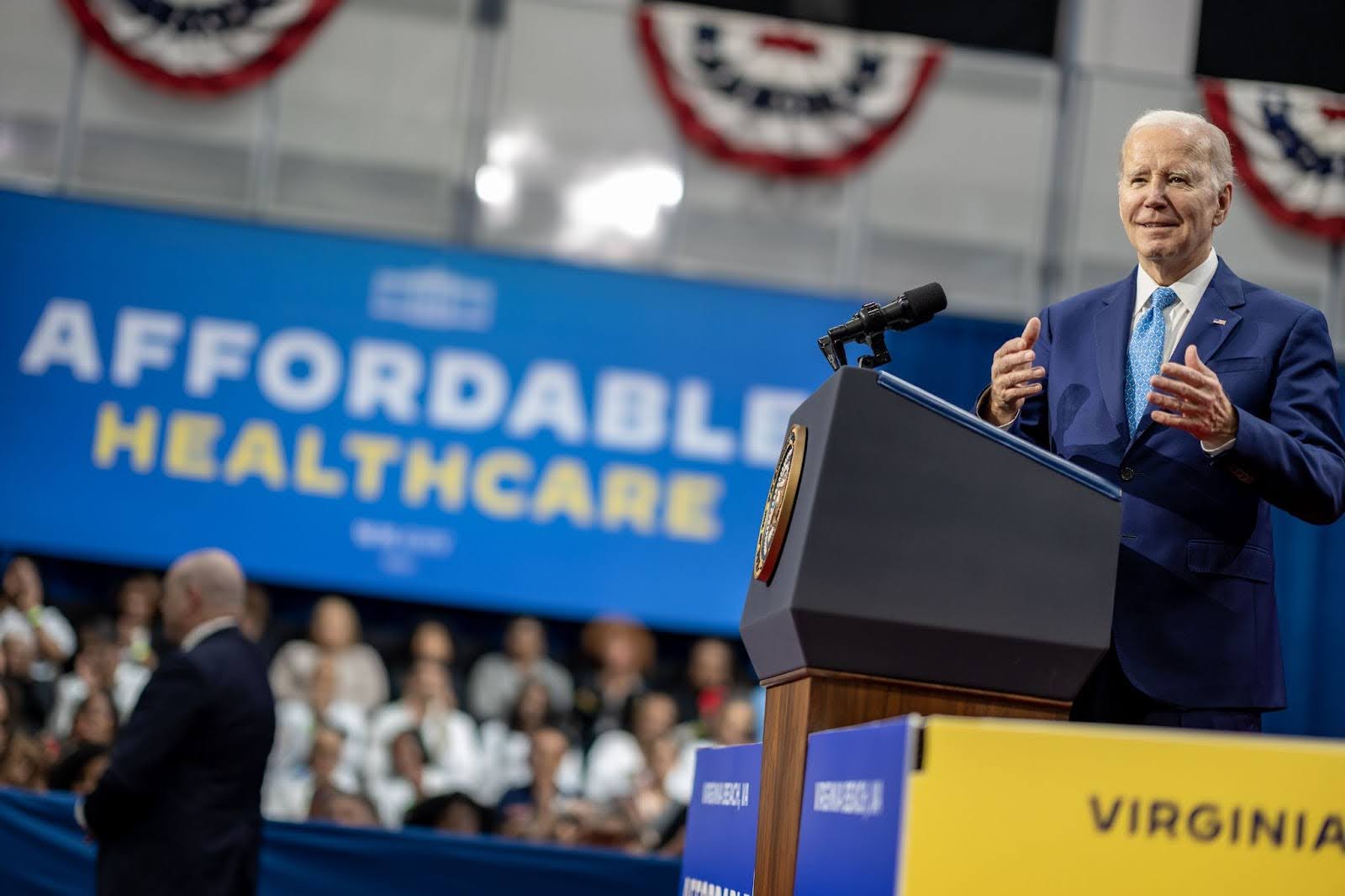
In a recent survey of registered voters, healthcare ranked as their second most important issue, just behind the economy. Here are some of the top healthcare concerns for American citizens.
Affordability
A 2024 health insurance survey of over 8,000 Americans age 19 and older found affordability and medical debt to be top healthcare challenges. Over 20% reported that they were underinsured, meaning that even though they had health insurance for a full year, it was not affordable.
Out of those underinsured adults, 57% said they didn’t get necessary health care because of the cost, and 44% reported having medical or dental debt being paid over time. Almost half of adults with medical debt are paying off $2,000 or more, and half of those bills are from hospital stays.
Limited access for vulnerable communities
Racial and ethnic disparities in health, well-being, and life expectancy are pervasive in the U.S. Black and AIAN populations face some of the most severe outcomes, including shorter lifespans, higher rates of chronic conditions, greater risks during pregnancy, and higher infant mortality rates compared to white and Hispanic populations.
Many communities of color experience elevated poverty levels, pollution, crime, and limited green spaces, all of which undermine health outcomes. Additionally, barriers like inadequate access to affordable, quality health care, higher rates of uninsured individuals, and financial challenges often delay care and increase medical debt. As a result, people of color are less likely to receive timely preventive care, including vaccinations, and often lack a consistent source of medical support.
Changing policies
Democrats and Republicans have different approaches to public health. Even in the recent elections, Harris advocated for expanding Medicaid coverage for low-income communities across the country. While Trump is currently no longer calling to repeal the Affordable Healthcare Act, research shows that the incoming president is likely to deprioritize health care coverage as he did in his previous term.
Recent steps to improve healthcare access
Recent healthcare policy developments in the U.S. reflect a mix of reforms aimed at improving access, affordability, and innovation.
Drug pricing reforms
The Inflation Reduction Act introduced measures to lower prescription drug costs for Medicare recipients. Starting in 2025, a $2,000 out-of-pocket cap for prescription drugs will benefit nearly 19 million Medicare beneficiaries. Additionally, pharmaceutical companies now face penalties for raising drug prices faster than the rate of inflation.
Affordable Care Act expansion
The temporary expansion of premium tax credits (PTCs), introduced under the American Rescue Plan in 2021 and later extended through 2025 by the Inflation Reduction Act, has significantly reduced costs for ACA marketplace enrollees. On average, these enhancements have lowered premiums by $800 annually, improving the affordability of marketplace coverage and enabling more individuals to secure health insurance.
Women’s health research
A White House initiative is investing $12 billion in women's health research, addressing long-standing gaps in understanding and treating conditions affecting women specifically, including menopause.
3. Abortion
Abortion is a deeply contested topic in the United States. A majority of Americans (55%) believe that abortion should generally be permitted up to a certain point in pregnancy and restricted afterward. Meanwhile, 24% think abortion should always be restricted, and 21% support allowing it at any stage of pregnancy.
The issue is likely to remain central to U.S. public policy debates, with ongoing battles in courts, state legislatures, and the federal government shaping the future of reproductive rights.
Here are some of the recent developments in abortion and reproductive rights in the U.S.
Banning federal abortion rights across the U.S.
In 2022, the Dobbs v. Jackson Women’s Health Organization ruling overturned Roe v. Wade, eliminating the federal constitutional right to abortion. This ruling left individual states to regulate abortion. Since then, 13 states including Texas, Alabama, and Arkansas have banned abortion while others have implemented restrictive laws, creating significant disparities in access across the country.
Health and access problems
Abortion restrictions lead to maternal risks including ectopic pregnancies and severe fetal abnormalities, especially among low-income communities. Moreover, about 22 million American women of reproductive age don’t have local access to abortion, requiring them to travel out of state if they need an abortion.
4. Immigration
The immigrant population in the U.S. has grown from 9.6 million in 1970 to 48 million in 2023, and makes up about 14.3% of the nation’s population. This sharp rise in immigration has raised arguments over tightening immigration laws and fortifying borders. Here’s how the attitudes towards immigrants differ between Republicans and Democrats.
Border security and enforcement
Republicans emphasize stricter border security and enforcement, advocating for physical barriers like the border wall and policies to deter unauthorized crossings, including immediate deportations and harsher penalties for illegal re-entry.
Democrats, while also acknowledging the importance of border security, focus on humane and systematic solutions, such as increasing funding for immigration courts and asylum officers to handle cases efficiently and fairly.
Pathways to citizenship
Democrats support pathways to citizenship for undocumented immigrants, particularly for Dreamers under the Deferred Action for Childhood Arrivals (DACA) program. They argue for inclusive reforms that integrate immigrants into society.
Republicans generally oppose broad amnesty, favoring limited or merit-based legal immigration systems and prioritizing deportations of undocumented individuals, often framing this as a matter of national security.
Asylum seekers and refugees
Democrats promote policies that allow for legal entry and thorough vetting of asylum seekers and refugees to protect vulnerable groups fleeing persecution.
Republicans favor restrictive asylum policies and have implemented measures to limit eligibility and processing, arguing these steps are necessary to control immigration numbers and ensure national safety.
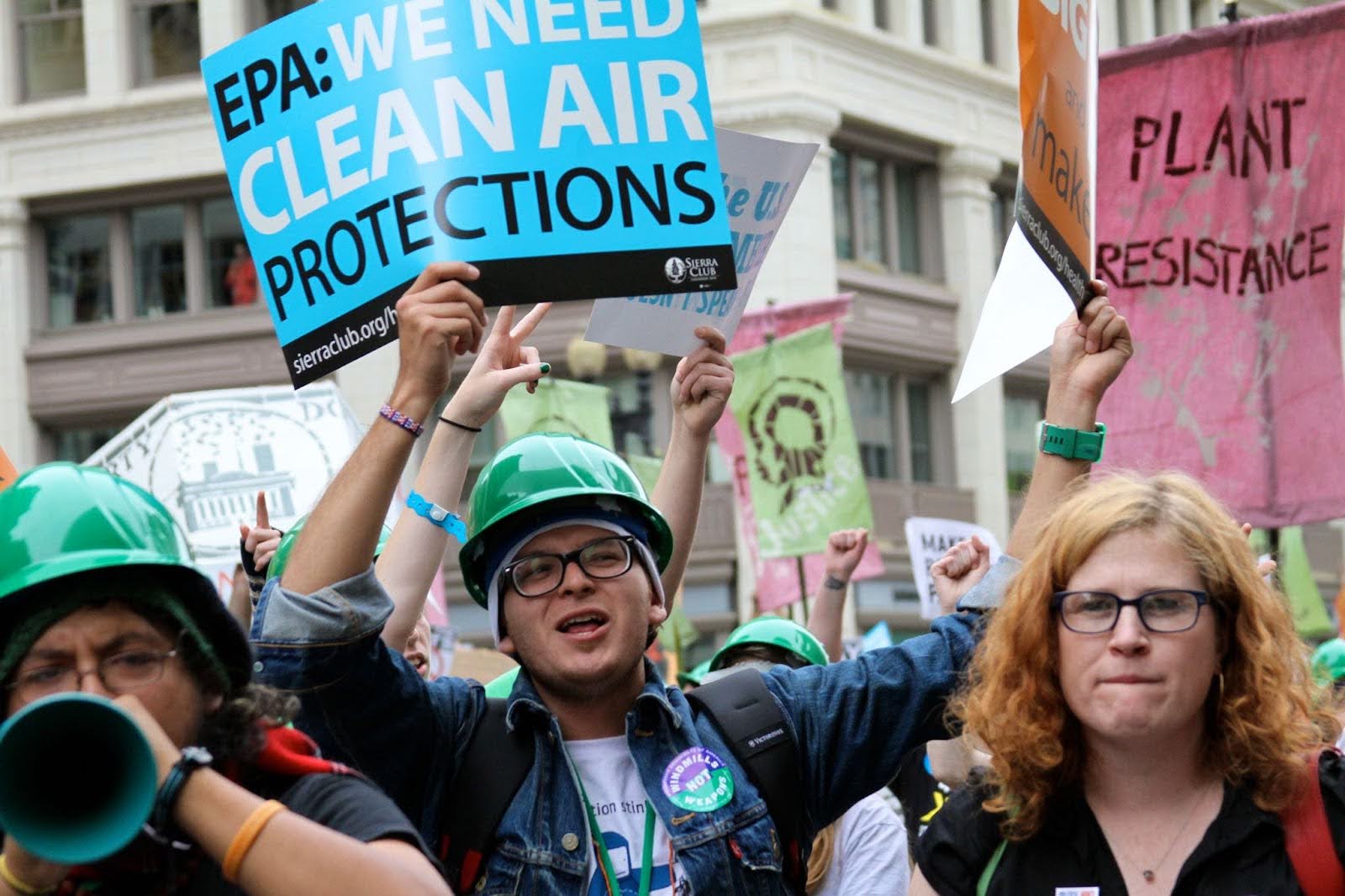
5. Climate change
The U.S. faces several significant challenges in addressing climate change as a public policy issue. This is another divisive issue among Democrats and Republicans.
Rising greenhouse gas emissions
While the Inflation Reduction Act targeted emission reductions, fossil fuel use remains a major contributor to the U.S. carbon footprint. Balancing energy needs with sustainable alternatives continues to be a challenge.
Extreme weather events
Increasingly severe hurricanes, wildfires, and floods cause significant human and economic losses. The government has begun investing in resilience initiatives, such as FEMA’s Swift Current Initiative, but the scale and frequency of events strain resources.
Environmental justice
Marginalized communities often bear the brunt of climate impacts, such as higher exposure to pollution and inadequate infrastructure to deal with disasters. Programs like the EPA's Environmental and Climate Justice Grants aim to address these inequities but require long-term commitment.
Water Scarcity
Droughts in the western U.S. threaten agriculture, hydropower, and drinking water supplies. Efforts to improve water infrastructure, such as those funded by the Bipartisan Infrastructure Law, are critical but require significant coordination among legislators.
Recent steps to tackle the climate crisis in the U.S.
Some of the federal climate policies addressing climate change in recent years include:
Inflation Reduction Act (IRA) – 2022
Provides $369 billion for clean energy, electric vehicles (EVs), energy efficiency, and decarbonization projects.
Includes tax credits for renewable energy, EV purchases, and clean manufacturing.
Bipartisan Infrastructure Law – 2021
Invests in modernizing infrastructure to make it more climate-resilient.
Funds projects for EV charging networks, public transportation, and energy grid upgrades.
Paris Agreement
The U.S. rejoined the Paris Agreement in 2021 under President Biden.
The global framework is committed to reducing greenhouse gas emissions by 50-52% below 2005 levels by 2030.
States also have an important role in setting their own climate policies. Some states leading ambitious initiatives include:
California: California's cap-and-trade program is a market-based system designed to reduce greenhouse gas emissions by setting a statewide emissions cap and allowing businesses to buy, sell, or trade allowances for their emissions. This incentivizes companies to adopt cleaner energy practices while generating revenue for investments in climate initiatives.
New York: New York's Climate Leadership and Community Protection Act (CLCPA) is one of the nation's most ambitious climate laws, aiming to achieve net-zero greenhouse gas emissions statewide by 2050. It mandates a 70% renewable energy share by 2030 and prioritizes investments in disadvantaged communities to ensure an equitable transition to clean energy.
You can help shape important public policy
As we face many pressing public policy issues in the U.S., we as citizens have the power to push for reform. We can raise our voices to protest harmful policies and advocate for new policies that will bring positive change.
One powerful way to raise awareness about a policy issue that’s important to you, get the attention of legislators, and even change public policy is by creating a petition.
Learn how to start a petition and start creating your own today.