Convince decision makers to act: How to be a policy advocate
Convince decision makers to act: How to be a policy advocate
If there's a policy or law you want changed or created, you can ask leaders and elected officials to take action. Use this guide to advocate for policies in your community that matter to you, from infrastructure to housing, and in any other areas.In this article you will learn:
Let’s say your city’s public transportation options are severely lacking. Many major and smaller cities don’t have adequate funding for accessible and affordable public transportation, resulting in limited routes, infrequent service, and high fares.
This disproportionately affects working-class and middle-class people. It makes it harder for them to access city resources and recreation, and commute to jobs without the cost of owning and maintaining a car.
This is where policy advocacy comes in. To address this problem, concerned citizens can ask for or show their support for policies that expand public transportation options and make them affordable.
In this guide, find out the purpose of policy advocacy and how to approach it, based on direct feedback from decision makers who are able to create, uphold, or eliminate policies.
Goals of policy advocacy
The point of policy advocacy is to shape and influence public policy decisions that affect the community and environment at the local, state, or national level. Employees can also advocate for policies that affect their workplace operations and rights.
Policy advocates work to sway decision-makers to take action in favor of specific ideas or reforms that would improve conditions and public welfare. When advocates succeed, their ideas often get adopted by policymakers as their own, as one mark of success.
Policy advocacy can lead to these key outcomes:
Drive policy change: Advocacy is all about pushing for change, whether it’s creating new policies or getting laws changed to better meet the needs of society.
Influence decision-makers: Advocates communicate and negotiate with the people who can make policy decisions, from local councils to federal leaders, to influence their policy choices.
Engagement at every level: Policy advocacy isn’t just for national issues; it can also create change at local or state levels, where decisions often have a more immediate impact.
Empower citizens: Everyday people can use advocacy to voice their concerns, fight for change, and challenge policies that impact their daily lives.
💡 Read the full guide to how to get a law changed
How to advocate for public policy
If there’s a policy you think should be changed, blocked, or developed related to healthcare, education, the environment, infrastructure, or any other community issues — you can take action.
Here are some best practices and tips for policy advocacy, including insights from dozens of decision makers we surveyed. Use these to build a strong case and communicate it successfully to the right people.
Understand your issue and decision maker
The first step is to identify and research the policy you want to change or the new policy you want to introduce. This means understanding the current policy’s strengths and weaknesses, and gathering any data, research, or real-life examples that support your cause.
If you're advocating for a new policy, it’s crucial to define what that policy should look like. What changes would you like to see? Be specific about what you want, whether it's a new healthcare initiative, changes in environmental laws, or improved public infrastructure. Gather any important facts, statistics, or case studies that reinforce your position and make the need for the policy clear.
Next, you need to identify the decision makers who have the power to make your policy changes a reality. This could be local government officials, state lawmakers, or even national representatives, depending on the scope of your issue. Focus on the people or groups with the authority to act on your request.
Build a campaign and public support for your policy goal
For your best chances of influencing policy, build awareness and support behind your ideas and recommendations. You can do this in a variety of ways:
Create a digital home for your campaign
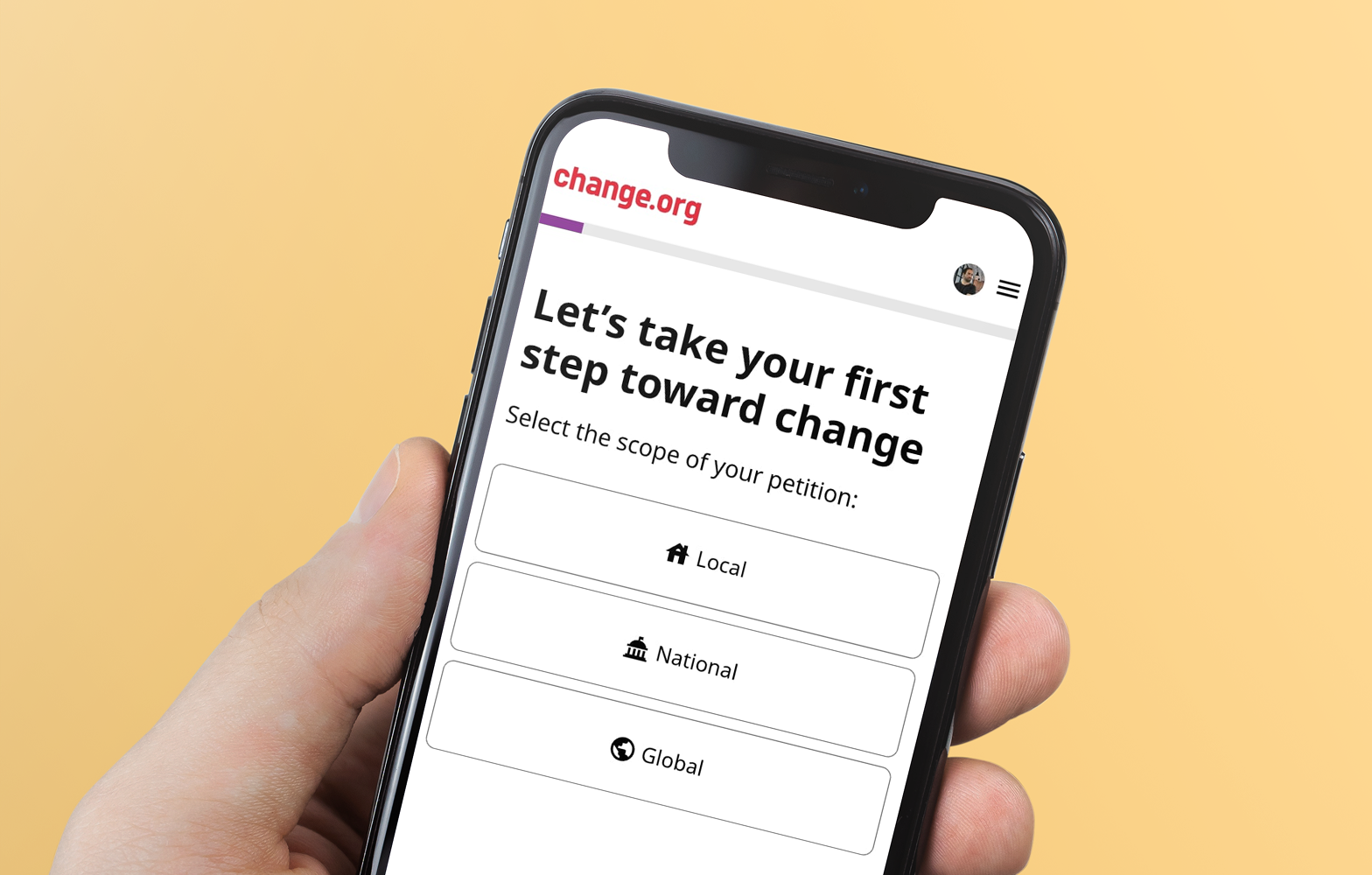
Establishing a digital hub is key for organizing your advocacy efforts. Create a website or a Change.org petition to serve as your digital campaign headquarters. Here are the primary details to include in your platform:
A clear explanation of how the current, proposed, or missing policies impact the community and the challenges they pose
The changes and solutions you’re advocating for
Data or personal stories that back up your claims
Demonstrated support in the form of petition signatures and testimonials
Having a place to direct supporters, community members, and decision makers enables you to unify your efforts and provide all the information people need to get involved and stay informed.

You can ask local government for better public transportation policies
Grassroots organizing and mobilization
Grassroots organizing brings together supporters and the community to raise awareness of your policy concerns, encouraging decision-makers to take action.
Here are some primary ways to help you mobilize support:
Start a petition: Create and promote an online petition to gather signatures and demonstrate public support for your cause. Petitions can also be an organizing and communication tool.
Email and phone call campaigns: Rally supporters to email or call decision-makers with a clear message that conveys the problems and requested solutions, urging them to take action on your issue.
Organize demonstrations: Host local events, rallies, or marches to raise awareness and show decision makers the strength of your movement.
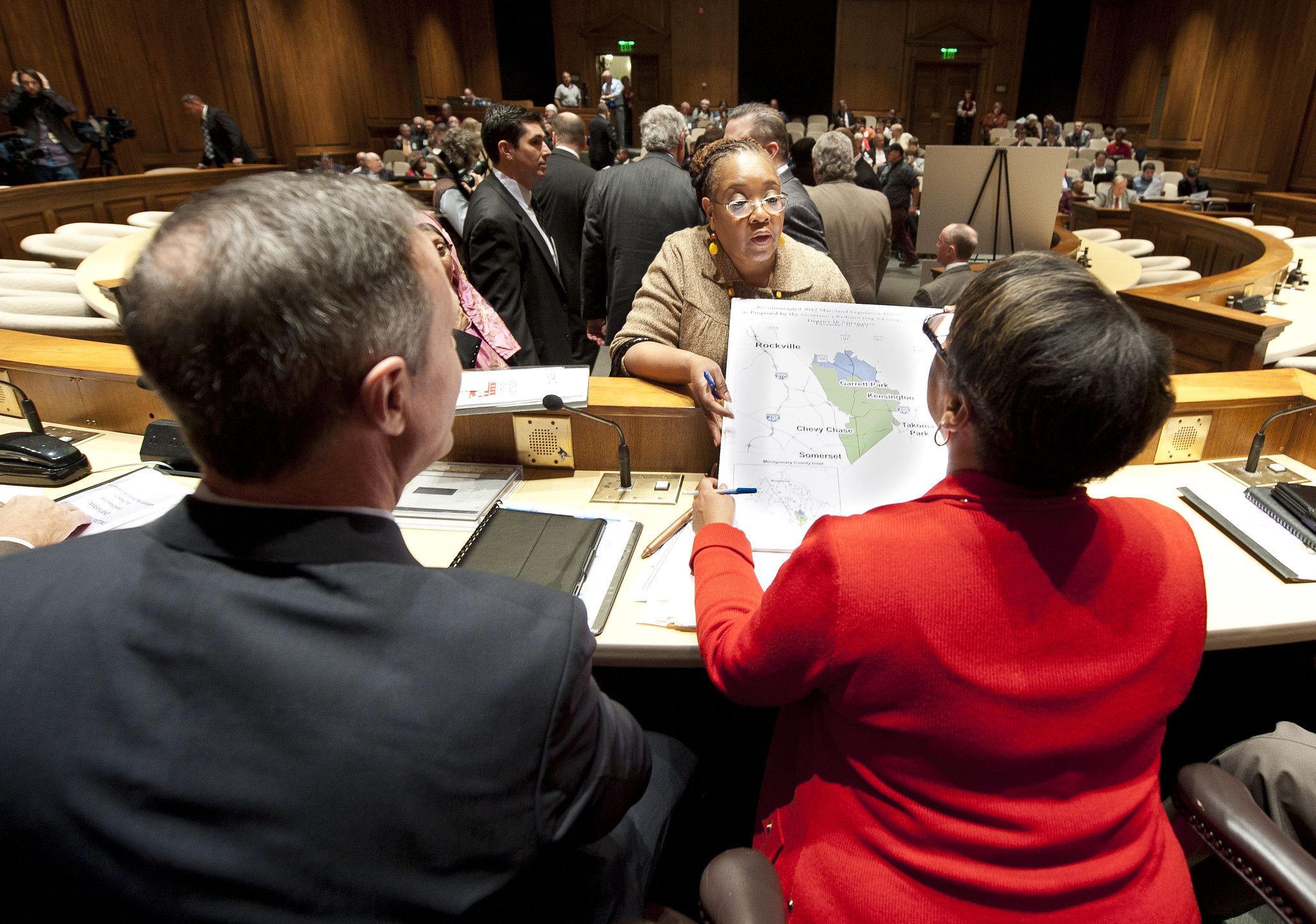
Attend public meetings: Organize supporters to attend public events to demonstrate a strong presence for your policy initiative and speak directly to policymakers. Citizens can attend city council meetings, school board meetings, zoning and planning committee meetings, public hearings on legislation, and budget hearings.
Collaborate with local organizations: Partner with community groups, nonprofits, or other advocates who align with your cause to expand your reach and resources.
Launch media campaigns
A strong media campaign can amplify your message, build urgency around your policy goals, and put public pressure on decision makers. These two approaches are effective to support your advocacy campaign:
Social media advocacy: Many people get their information from Twitter, Facebook, Instagram, and TikTok, where you can also engage with supporters directly. Use these channels to share key information, attract supporters, and organize events. Social media is also an effective way to interact with elected officials, putting public pressure on them to address your issue. Check out our digital advocacy guide for a detailed breakdown.
Traditional media outreach: Reach out to local newspapers, TV stations, and radio programs to spread the word. Writing op-eds in key local or regional publications is a great way to influence public opinion and get attention from policymakers.
Appeal to decision makers
Achieving your policy goals largely hinges on getting the attention of the decision maker and persuading them to make the changes you’re proposing. That requires reaching them with a tailored message that shows the significance and relevance of your issue. To demonstrate that, it’s important to understand their stance on the issue and how they can implement your requests.
📊 Key insights from decision makers
Based on the responses from decision makers we surveyed, the top reasons that would convince them to respond to a petition include:
The petition aligns with their values – 40%
The signers are registered voters – 33.3%
The signers are from their constituency – 20%
The signers have posted a compelling testimonial – 6.7%
These insights mean your message and research needs to show how the policy issues impact the community that the decision maker serves. It also needs to reflect the decision maker’s personal beliefs, principles, or priorities. When a cause resonates with what they stand for, they’re more likely to engage and take action.
Decision makers included these more detailed and additional factors they look for in petitions that would influence a response:
The impact the proposed policy decision will have on their community
If it supports the goals of the city
If it supports the common good of the community
Enough signatures to demonstrate a concerned and engaged constituency
It needs to address equity, equality, and support the working and middle class
It's an issue the decision maker supported in an election
If it’s related to people’s health, safety, life-and-death issues, access to resources, or denial of due process.
If the request is legally sound and does not contradict city or state law
If the petition addresses something within their authority they can actually do something about
Once you’ve done your research on the decision maker and crafted a message that aligns with their values and interests, it’s time to make contact with them. These are the most common and effective methods for outreach:
Email them with a targeted message and a link to your petition
Request an in-person meeting with them or someone from their team
Call the decision maker or legislator’s office to deliver your message and request
Attend and speak at town halls and other public meetings where decision makers are present to present your issue and request
Tag and direct message decision makers on social media with a brief message and a link to your petition
Examples of public policy advocates
Here are just a few examples of petitions that have successfully influenced policy, proving how citizens can make a difference in shaping laws and policies.
OK Survivor Justice Coalition: The Oklahoma survivors act
In Oklahoma, a shocking statistic revealed that in 2021, only about 1,000 out of 43,000 domestic violence calls in Oklahoma County resulted in arrests. Victims of domestic abuse often found themselves punished for their actions while trying to survive in abusive situations.
The proposed SB1470 would allow Oklahoma courts to consider a defendant’s history of abuse when determining sentencing. This bill would affect over 500 existing cases and provide lower sentences for future cases involving domestic abuse victims.
How the petitioners put pressure on decision makers:
Supporters rallied behind a petition to bring attention to the issue and encourage lawmakers to take action. The petitioners made phone calls and sent emails to Oklahoma legislators urging them to pass SB1470.
Victory outcome:
Thanks to the pressure from supporters who signed the petition and contacted legislators, the Oklahoma Survivors' Act was successfully passed and signed into law by Governor Stitt. This victory underscores the power of citizens coming together to support those in need of justice.
Katie Shields: South Carolina Child Luring Law bill
South Carolina was one of the few states without a Child Luring Law, leaving law enforcement powerless when predators attempted to lure children into vehicles or structures. This petition called for the passage of Bill 3015, which would allow law enforcement to charge individuals attempting to lure children.
How the petitioners put pressure on decision makers:
The petitioners rallied behind Bill 3015, calling on lawmakers, including Representative Newton and the Judiciary Committee, to pass the bill. Citizens reached out to legislators through phone calls, emails, and public pressure.
Victory Outcome:
Based on the supporters’ sustained efforts, the South Carolina Child Luring Law was passed, and Governor McMaster officially signed the bill into law.
California citizens: Rejection of California discrimination bill
California legislators introduced ACA-7, a proposal that would allow the governor to create exceptions to Proposition 209, which prohibits discrimination or preferential treatment based on race, sex, color, ethnicity, or national origin. If ACA-7 passed, it would have allowed governors to make “exceptions” to the constitutional ban on discrimination, essentially paving the way for legalized race- and sex-based discrimination.
How the petitioners put pressure on decision makers:
Concerned citizens, including those from the Asian-American community, launched a petition to stop ACA-7, urging California state senators to oppose it. The petition made clear that Californians had already rejected similar measures in the past and should not be forced to revisit the issue. Advocates used public campaigns, emails, and direct engagement with lawmakers to show their opposition to the bill.
Victory outcome:
Thanks to the overwhelming response from petitioners, ACA-7 was halted before it could make it to the ballot. State Assemblyman Corey Jackson, the bill’s primary sponsor, ultimately backed down, and the proposal was put on hold for the year. This victory highlights how public opposition can make lawmakers reconsider and retreat from controversial legislation.
Start your policy advocacy campaign now on Change.org
Now that you've seen how powerful policy advocacy can be, it's time to take action. Change.org provides an easy platform to start your own petition and rally support for the causes that matter most to you. Take action to influence policy and create lasting impact.