

We Can't Turn Off Grief. We Should At Least Get To Turn Off Notifications!
The Issue
Dear leaders of Apple, Android, social media and business platforms,
When I was little, I dutifully made Mother’s Day cards at school to give to my mom. I did not realize how much those cards meant to my mother until I was going through her things after she passed. I found that she had held onto several drawings and Mother’s Day cards I gave her as a child. I lost my mother at 28 years old and cared for her for 2 years prior while she was critically ill. When my mother first got sick, Mother’s Day was not as joyous as it had been before. After she passed in July 2024, it became unbearable.
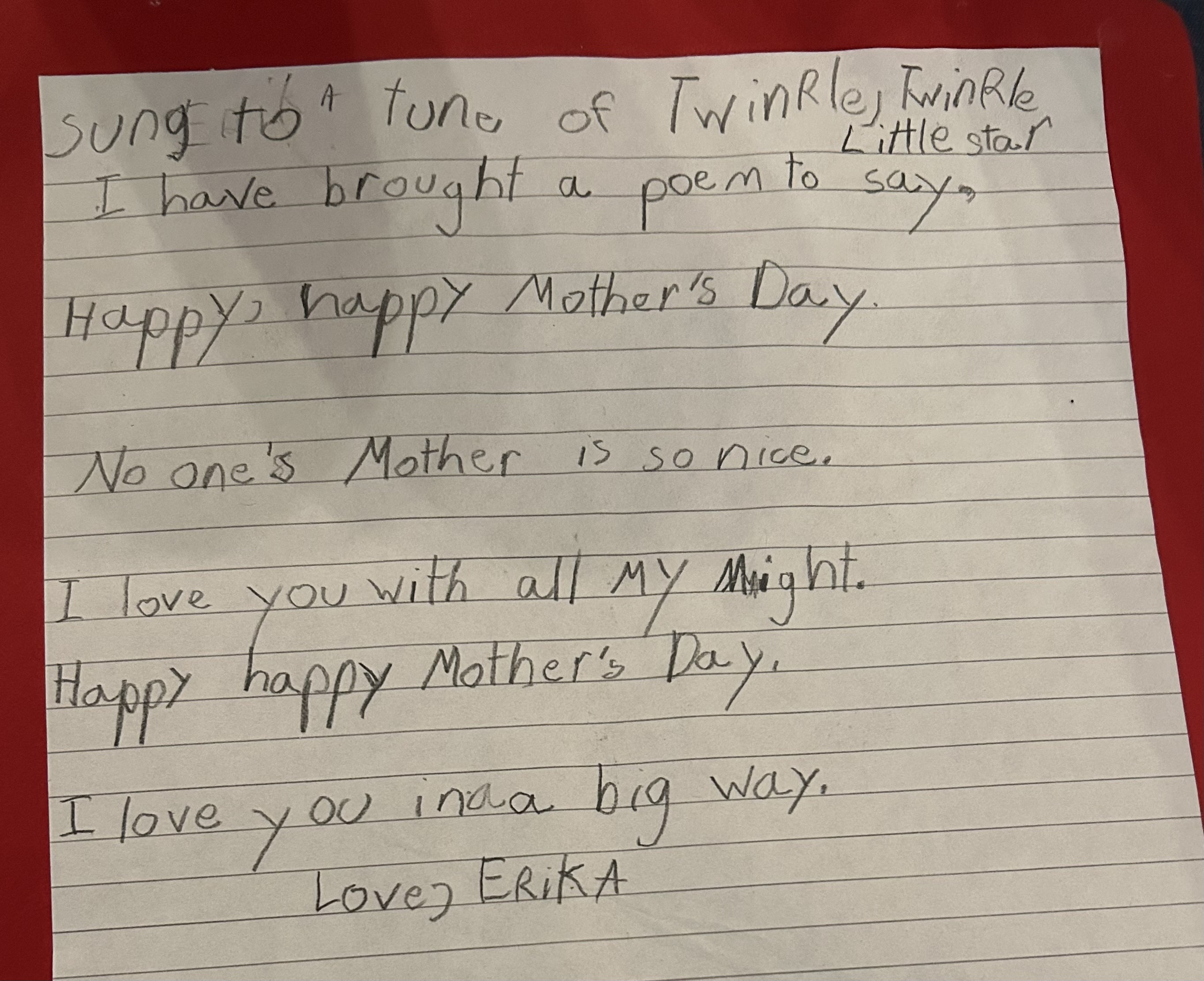
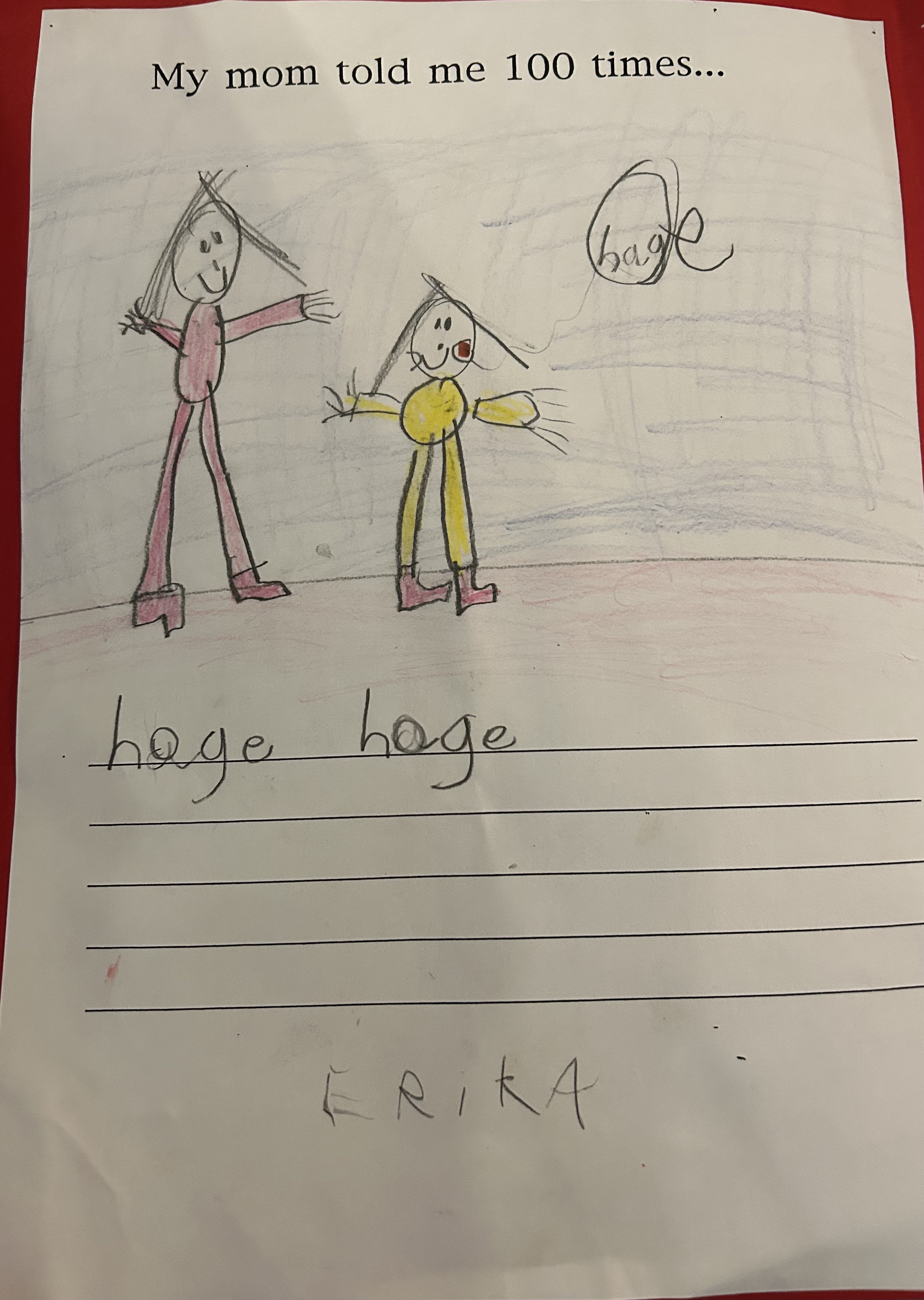
Mother’s Day 2025 was my first without her. In the week leading up to the holiday, I began receiving notifications from various apps on my phone about it. Uber Eats urged me to “Make Mom Smile: Order chocolates, candles, and more for Mother’s Day,” the notification popping up with my favorite picture of my Mommer on my phone’s background. I was at work when I received this notification, and I cried on the spot. I cannot send her chocolates. Now, I must survive the day with the heavy reminder that I no longer have a mother.
After surviving the week of constant ads from what seemed like every app and website I visited, the day I had been dreading all year finally came. I woke up in a tent by a river in the Texas hill country, alone. I didn’t want to be around anyone. I took one glimpse of social media early in the morning. Naturally, people were posting about their mothers, their brunches and spa days peppered with the obnoxious, inescapable ads, a flood of painful reminders that I am motherless. I am in grief groups for people in their twenties who’d lost a parent, and I followed their suggestion to stay off social media for the remainder of the day. As I said often in the couple of months following my mother’s death, someone may as well have hit me with a bag of bricks.

In addition to being a griever, I’m also a clinical psychologist; as such, I know that I am not alone in my experiences. We can't turn off grief. Mother’s Day will come and go. Grief waves can be triggered by the smallest of things, such as smells, songs, or even finding a shirt or trinket that my mother picked out for me. Those who know life-changing grief also know that those waves can feel unbearable and make it hard to function. On Mother’s Day, I did my best to shield myself from more pain; however, I found it to be downright impossible to escape the insufferable ads and posts. I thought, surely, with today’s technology, there must be a way to filter out words and Mother’s Day related content. Surely, I and other grievers won’t be doomed to this miserable experience every year.
My plea to you is that we create ways users across platforms can turn off content related to Mother’s Day, Father’s Day, and other significant grief-triggering events. After all, what use will come of sending users ads for chocolates to buy for a mother that is no longer alive?
Although we cannot bring back loved ones, we can do our best to make an excruciating and heartbreaking day for thousands of people just a little more manageable.
Sincerely,
Erika Lee Donawho Williams, Psy.D.
Licensed Clinical Psychologist
In the reason for signing, please let us know if you are a mental health professional. Additionally, I would love to hear from grievers and others your reasons for signing as much as you feel comfortable.


102
The Issue
Dear leaders of Apple, Android, social media and business platforms,
When I was little, I dutifully made Mother’s Day cards at school to give to my mom. I did not realize how much those cards meant to my mother until I was going through her things after she passed. I found that she had held onto several drawings and Mother’s Day cards I gave her as a child. I lost my mother at 28 years old and cared for her for 2 years prior while she was critically ill. When my mother first got sick, Mother’s Day was not as joyous as it had been before. After she passed in July 2024, it became unbearable.
Mother’s Day 2025 was my first without her. In the week leading up to the holiday, I began receiving notifications from various apps on my phone about it. Uber Eats urged me to “Make Mom Smile: Order chocolates, candles, and more for Mother’s Day,” the notification popping up with my favorite picture of my Mommer on my phone’s background. I was at work when I received this notification, and I cried on the spot. I cannot send her chocolates. Now, I must survive the day with the heavy reminder that I no longer have a mother.
After surviving the week of constant ads from what seemed like every app and website I visited, the day I had been dreading all year finally came. I woke up in a tent by a river in the Texas hill country, alone. I didn’t want to be around anyone. I took one glimpse of social media early in the morning. Naturally, people were posting about their mothers, their brunches and spa days peppered with the obnoxious, inescapable ads, a flood of painful reminders that I am motherless. I am in grief groups for people in their twenties who’d lost a parent, and I followed their suggestion to stay off social media for the remainder of the day. As I said often in the couple of months following my mother’s death, someone may as well have hit me with a bag of bricks.
In addition to being a griever, I’m also a clinical psychologist; as such, I know that I am not alone in my experiences. We can't turn off grief. Mother’s Day will come and go. Grief waves can be triggered by the smallest of things, such as smells, songs, or even finding a shirt or trinket that my mother picked out for me. Those who know life-changing grief also know that those waves can feel unbearable and make it hard to function. On Mother’s Day, I did my best to shield myself from more pain; however, I found it to be downright impossible to escape the insufferable ads and posts. I thought, surely, with today’s technology, there must be a way to filter out words and Mother’s Day related content. Surely, I and other grievers won’t be doomed to this miserable experience every year.
My plea to you is that we create ways users across platforms can turn off content related to Mother’s Day, Father’s Day, and other significant grief-triggering events. After all, what use will come of sending users ads for chocolates to buy for a mother that is no longer alive?
Although we cannot bring back loved ones, we can do our best to make an excruciating and heartbreaking day for thousands of people just a little more manageable.
Sincerely,
Erika Lee Donawho Williams, Psy.D.
Licensed Clinical Psychologist
In the reason for signing, please let us know if you are a mental health professional. Additionally, I would love to hear from grievers and others your reasons for signing as much as you feel comfortable.


Supporter Voices
Petition Updates
Share this petition
Petition created on June 8, 2025