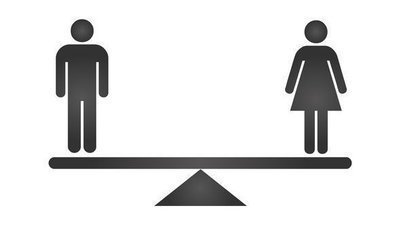
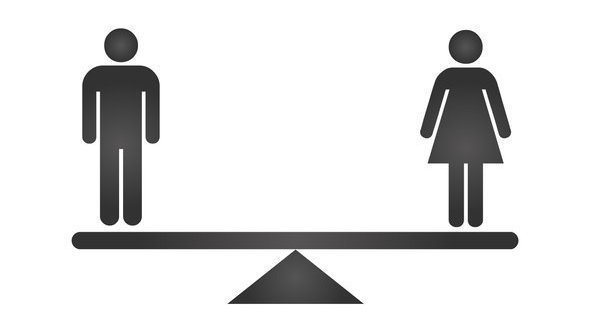
Gender Equality. Does our society treat men and women equally?
Gender Equality. Does our society treat men and women equally?
The Issue
Gender equality is a human right, but our world faces a persistent gap in access to opportunities and decision-making power for women and men. Globally, women have fewer opportunities for economic participation than men, less access to basic and higher education, greater health and safety risks, and less political representation. Guaranteeing the rights of women and giving them opportunities to reach their full potential is critical not only for attaining gender equality, but also for meeting a wide range of international development goals. Empowered women and girls contribute to the health and productivity of their families, communities, and countries, creating a ripple effect that benefits everyone.
The word gender describes the socially-constructed roles and responsibilities that societies consider appropriate for men and women. Gender equality means that men and women have equal power and equal opportunities for financial independence, education, and personal development. Women's empowerment is a critical aspect of achieving gender equality. It includes increasing a woman's sense of self-worth, her decision-making power, her access to opportunities and resources, her power and control over her own life inside and outside the home, and her ability to effect change. Yet gender issues are not focused on women alone, but on the relationship between men and women in society. The actions and attitudes of men and boys play an essential role in achieving gender equality. A final area of focus in attaining gender equality is women's economic and political empowerment. Though women comprise more than 50% of the world's population, they only own 1% of the world's wealth. Throughout the world, women and girls perform long hours of unpaid domestic work. In some places, women still lack rights to own land or to inherit property, obtain access to credit, earn income, or to move up in their workplace, free from job discrimination. At all levels, including at home and in the public arena, women are widely underrepresented as decision-makers. In legislatures around the world, women are outnumbered 4 to 1, yet women's political participation is crucial for achieving gender equality and genuine democracy.
Around the world, Peace Corps Volunteers are working with communities to address gender equality and empower women and girls. In 1974, Congress signed the Percy Amendment requiring Peace Corps Volunteers to actively integrate women into the economic, political, and social development of their countries. Many Peace Corps Volunteers implement the Camp Girls Leading Our World program, to help girls develop self-esteem and leadership skills. Recognizing that men and boys must be equal partners in achieving gender equality, Volunteers also teach leadership and life skills to boys through Teaching Our Boys Excellence camps. Peace Corps Volunteers promote gender equality and women's empowerment through health education, business development, and by raising awareness of women's rights and contributions to their communities

55
The Issue
Gender equality is a human right, but our world faces a persistent gap in access to opportunities and decision-making power for women and men. Globally, women have fewer opportunities for economic participation than men, less access to basic and higher education, greater health and safety risks, and less political representation. Guaranteeing the rights of women and giving them opportunities to reach their full potential is critical not only for attaining gender equality, but also for meeting a wide range of international development goals. Empowered women and girls contribute to the health and productivity of their families, communities, and countries, creating a ripple effect that benefits everyone.
The word gender describes the socially-constructed roles and responsibilities that societies consider appropriate for men and women. Gender equality means that men and women have equal power and equal opportunities for financial independence, education, and personal development. Women's empowerment is a critical aspect of achieving gender equality. It includes increasing a woman's sense of self-worth, her decision-making power, her access to opportunities and resources, her power and control over her own life inside and outside the home, and her ability to effect change. Yet gender issues are not focused on women alone, but on the relationship between men and women in society. The actions and attitudes of men and boys play an essential role in achieving gender equality. A final area of focus in attaining gender equality is women's economic and political empowerment. Though women comprise more than 50% of the world's population, they only own 1% of the world's wealth. Throughout the world, women and girls perform long hours of unpaid domestic work. In some places, women still lack rights to own land or to inherit property, obtain access to credit, earn income, or to move up in their workplace, free from job discrimination. At all levels, including at home and in the public arena, women are widely underrepresented as decision-makers. In legislatures around the world, women are outnumbered 4 to 1, yet women's political participation is crucial for achieving gender equality and genuine democracy.
Around the world, Peace Corps Volunteers are working with communities to address gender equality and empower women and girls. In 1974, Congress signed the Percy Amendment requiring Peace Corps Volunteers to actively integrate women into the economic, political, and social development of their countries. Many Peace Corps Volunteers implement the Camp Girls Leading Our World program, to help girls develop self-esteem and leadership skills. Recognizing that men and boys must be equal partners in achieving gender equality, Volunteers also teach leadership and life skills to boys through Teaching Our Boys Excellence camps. Peace Corps Volunteers promote gender equality and women's empowerment through health education, business development, and by raising awareness of women's rights and contributions to their communities
55
The Decision Makers

Petition Updates
Share this petition
Petition created on 12 September 2021