

Support and promote Nigerian women’s participation in politics to end underrepresentation!
The Issue
In Nigeria, the underrepresentation of women in politics affects every single one of us, shaping the very fabric of our society. It is not just a matter of numbers or statistics; it is a deeply personal issue that impacts the lives of individuals, families, and communities across the nation.
Imagine a young girl growing up in a society where women are consistently marginalized and excluded from the corridors of power. She dreams of making a difference, of having her voice heard and her ideas valued. But as she looks around, she sees a stark reality: a lack of female role models in positions of political leadership. The absence of women in decision-making processes sends a powerful message to her, one that chips away at her confidence and self-belief. She wonders if her aspirations and dreams will ever be given the chance to flourish in a system that seems stacked against her. 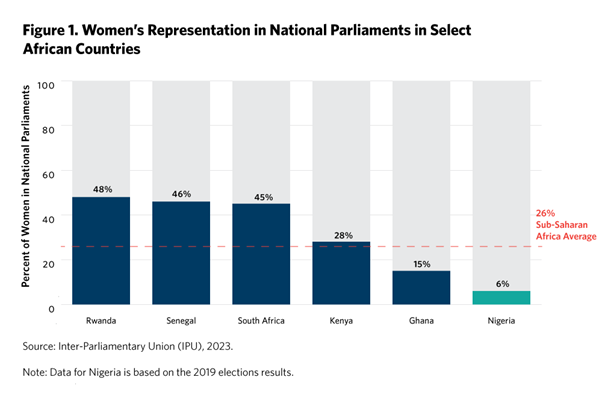 Consider the story of Oiza, a resilient 51-year-old widow who has faced numerous challenges and shown unwavering dedication to her community. Oiza's journey is a testament to the barriers women like her face in Nigerian politics and the urgent need for change.
Before her husband's untimely passing in 2002, he held a prominent position as the state chairman of a political party. During that time, Oiza played a pivotal role in supporting the party's activities, going above and beyond to ensure the comfort and well-being of its members during conventions and meetings. Her commitment and tireless efforts earned her the respect and admiration of her party colleagues.
Following her husband's death, Oiza found herself facing the daunting task of raising their four children as a single mother. Despite the challenges, she continued to be involved in the affairs of the political party, never wavering in her dedication to its success. Oiza's strong ties with women at the grassroots level made her a respected matriarch in her community, as she understood the struggles and aspirations of ordinary women. Driven by her passion for empowering widows in impoverished communities, Oiza took the courageous step of starting her own non-governmental organization (NGO) dedicated to their welfare. Oiza's selfless work made a tangible difference in the lives of many, demonstrating her natural leadership and compassionate spirit.
Inspired by her experiences and fueled by a deep desire to make a more significant impact, Oiza made the decision to run for the position of House Representative in her state, under the very political party she had dedicated herself to for years. However, to her dismay, she encountered a disheartening reality. The party members informed her that there was no space for her, as all the positions had been allocated to men. They suggested that she continue her noble work and perhaps, one day, she would be rewarded with the position of national women leader.
Oiza's story is a poignant example of the gender bias and exclusion that persist in Nigerian politics. Despite her qualifications, experience, and commitment to her community, she faced a wall of resistance and limited opportunities. This injustice highlights the urgent need for change. We cannot continue to overlook the vast potential and valuable contributions that women like Oiza bring to the table.
WHAT IS AT STAKE?
At stake is the very essence of our democracy and the future we envision for Nigeria. If we continue down the path of limited women's representation in politics, we risk perpetuating an imbalanced system that fails to harness the full potential of our nation.
If things remain the same, we will continue to witness policies and decisions that do not reflect the diverse needs and experiences of our population. The voices of women, who make up almost 50% of our nation, will continue to be stifled and overlooked, resulting in a disconnect between governance and the realities faced by women in their everyday lives. The issues that disproportionately affect them, such as maternal health, gender-based violence, and economic empowerment, will receive inadequate attention and resources.
Furthermore, the absence of women in political leadership means missed opportunities for transformative change. Women bring a unique perspective to the table, shaped by their experiences as human beings, entrepreneurs, and community builders. Their voices offer fresh insights and alternative solutions to the challenges we face as a nation. By denying women equal representation, we deny ourselves the full range of ideas and approaches that can lead to inclusive, forward-thinking policies.
WHY IS NOW THE TIME TO ACT?
Now, more than ever is the time to act with urgency and determination. We cannot afford to delay or remain complacent in the face of this pressing issue.
The world is changing rapidly, and so too must our political landscape. Globally, we have witnessed the positive impact of increased women's representation in politics. Countries that have embraced gender equality in their leadership have experienced improved governance, increased social inclusion, and greater respect for human rights. Nigeria cannot afford to be left behind in this wave of progress.
Moreover, the momentum for change is building. The current composition of the National Assembly sits just 3 women out of 109 members. For a nation that is 49.7% female, it is only trite that Nigerian women be represented in the governance of their nation. By acting now, we send a powerful message to our government and political parties that the status quo is no longer acceptable. Things cannot continue like this, and that is why I need you to join me in signing this petition.

Petition Closed
The Issue
In Nigeria, the underrepresentation of women in politics affects every single one of us, shaping the very fabric of our society. It is not just a matter of numbers or statistics; it is a deeply personal issue that impacts the lives of individuals, families, and communities across the nation.
Imagine a young girl growing up in a society where women are consistently marginalized and excluded from the corridors of power. She dreams of making a difference, of having her voice heard and her ideas valued. But as she looks around, she sees a stark reality: a lack of female role models in positions of political leadership. The absence of women in decision-making processes sends a powerful message to her, one that chips away at her confidence and self-belief. She wonders if her aspirations and dreams will ever be given the chance to flourish in a system that seems stacked against her. Consider the story of Oiza, a resilient 51-year-old widow who has faced numerous challenges and shown unwavering dedication to her community. Oiza's journey is a testament to the barriers women like her face in Nigerian politics and the urgent need for change.
Before her husband's untimely passing in 2002, he held a prominent position as the state chairman of a political party. During that time, Oiza played a pivotal role in supporting the party's activities, going above and beyond to ensure the comfort and well-being of its members during conventions and meetings. Her commitment and tireless efforts earned her the respect and admiration of her party colleagues.
Following her husband's death, Oiza found herself facing the daunting task of raising their four children as a single mother. Despite the challenges, she continued to be involved in the affairs of the political party, never wavering in her dedication to its success. Oiza's strong ties with women at the grassroots level made her a respected matriarch in her community, as she understood the struggles and aspirations of ordinary women. Driven by her passion for empowering widows in impoverished communities, Oiza took the courageous step of starting her own non-governmental organization (NGO) dedicated to their welfare. Oiza's selfless work made a tangible difference in the lives of many, demonstrating her natural leadership and compassionate spirit.
Inspired by her experiences and fueled by a deep desire to make a more significant impact, Oiza made the decision to run for the position of House Representative in her state, under the very political party she had dedicated herself to for years. However, to her dismay, she encountered a disheartening reality. The party members informed her that there was no space for her, as all the positions had been allocated to men. They suggested that she continue her noble work and perhaps, one day, she would be rewarded with the position of national women leader.
Oiza's story is a poignant example of the gender bias and exclusion that persist in Nigerian politics. Despite her qualifications, experience, and commitment to her community, she faced a wall of resistance and limited opportunities. This injustice highlights the urgent need for change. We cannot continue to overlook the vast potential and valuable contributions that women like Oiza bring to the table.
WHAT IS AT STAKE?
At stake is the very essence of our democracy and the future we envision for Nigeria. If we continue down the path of limited women's representation in politics, we risk perpetuating an imbalanced system that fails to harness the full potential of our nation.
If things remain the same, we will continue to witness policies and decisions that do not reflect the diverse needs and experiences of our population. The voices of women, who make up almost 50% of our nation, will continue to be stifled and overlooked, resulting in a disconnect between governance and the realities faced by women in their everyday lives. The issues that disproportionately affect them, such as maternal health, gender-based violence, and economic empowerment, will receive inadequate attention and resources.
Furthermore, the absence of women in political leadership means missed opportunities for transformative change. Women bring a unique perspective to the table, shaped by their experiences as human beings, entrepreneurs, and community builders. Their voices offer fresh insights and alternative solutions to the challenges we face as a nation. By denying women equal representation, we deny ourselves the full range of ideas and approaches that can lead to inclusive, forward-thinking policies.
WHY IS NOW THE TIME TO ACT?
Now, more than ever is the time to act with urgency and determination. We cannot afford to delay or remain complacent in the face of this pressing issue.
The world is changing rapidly, and so too must our political landscape. Globally, we have witnessed the positive impact of increased women's representation in politics. Countries that have embraced gender equality in their leadership have experienced improved governance, increased social inclusion, and greater respect for human rights. Nigeria cannot afford to be left behind in this wave of progress.
Moreover, the momentum for change is building. The current composition of the National Assembly sits just 3 women out of 109 members. For a nation that is 49.7% female, it is only trite that Nigerian women be represented in the governance of their nation. By acting now, we send a powerful message to our government and political parties that the status quo is no longer acceptable. Things cannot continue like this, and that is why I need you to join me in signing this petition.
The Decision Makers

Petition Updates
Share this petition
Petition created on 14 June 2023