
Stop the pay-per-mile Charge
Stop the pay-per-mile Charge
The Issue
Some of the disadvantages of pay-per-mile are:
1. Unpredictable costs - With pay-per-mile, your monthly transportation costs can fluctuate significantly based on how much you drive. This can make budgeting and planning more difficult.
2. Disincentive to drive - The more you drive, the more you pay. This could discourage people from driving, which may not be practical for those who need a car for work or other essential trips.
3. Mileage tracking challenges - Accurately tracking mileage for billing purposes can be challenging, especially if you use your vehicle for both personal and business use.
4. Potential for abuse - There is a risk that odometers could be tampered with or mileage could be misreported to avoid higher charges.
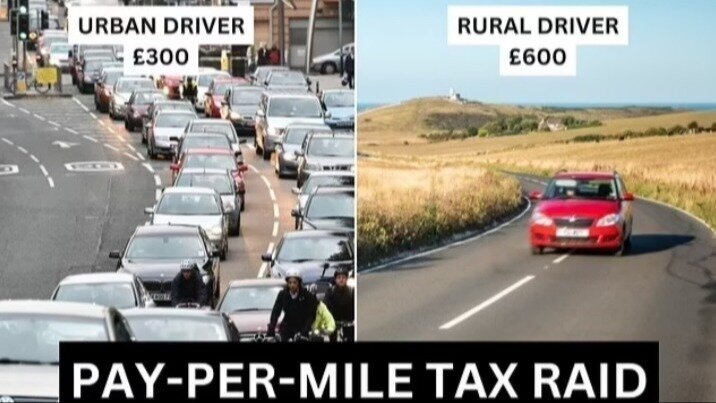
5. Equity concerns - Those who need to drive more, such as commuters or people living in rural areas, may end up paying significantly more than those who drive less.
6. Technology requirements - Pay-per-mile models often require in-vehicle devices or smartphone apps to track mileage, which adds costs and complexity.
7. Lack of incentive for fuel efficiency - With a pay-per-mile model, there may be less motivation for drivers to choose fuel-efficient vehicles.
These are some of the potential drawbacks that have been identified with pay-per-mile pricing approaches. The significance of each factor can vary depending on individual circumstances and transportation needs.

957
The Issue
Some of the disadvantages of pay-per-mile are:
1. Unpredictable costs - With pay-per-mile, your monthly transportation costs can fluctuate significantly based on how much you drive. This can make budgeting and planning more difficult.
2. Disincentive to drive - The more you drive, the more you pay. This could discourage people from driving, which may not be practical for those who need a car for work or other essential trips.
3. Mileage tracking challenges - Accurately tracking mileage for billing purposes can be challenging, especially if you use your vehicle for both personal and business use.
4. Potential for abuse - There is a risk that odometers could be tampered with or mileage could be misreported to avoid higher charges.
5. Equity concerns - Those who need to drive more, such as commuters or people living in rural areas, may end up paying significantly more than those who drive less.
6. Technology requirements - Pay-per-mile models often require in-vehicle devices or smartphone apps to track mileage, which adds costs and complexity.
7. Lack of incentive for fuel efficiency - With a pay-per-mile model, there may be less motivation for drivers to choose fuel-efficient vehicles.
These are some of the potential drawbacks that have been identified with pay-per-mile pricing approaches. The significance of each factor can vary depending on individual circumstances and transportation needs.
957
Supporter Voices
Petition Updates
Share this petition
Petition created on 18 August 2024