

Solar the Right Way — Protecting Wirral’s Green Belt, One Roof at a Time
The Issue
Rooftop Solar vs Green Belt Solar
Solar the Right Way — Protecting Wirral’s Green Belt, One Roof at a Time
Why This Campaign Exists
I live and work in Wirral. I help local families, schools and businesses cut energy bills, improve home comfort and move away from fossil fuels. I see every week what works — and what doesn’t.
This campaign is not about stopping solar. It is about doing solar properly — in a way that protects the places we love, keeps benefits local, and helps people who are struggling most.
I genuinely believe Wirral can deliver clean energy without giving up precious Green Belt land. This campaign exists to prove that — using real local evidence, not arguments.
Wirral Is Not Anti-Solar
Across the borough, residents, schools and businesses are already installing rooftop solar to reduce bills, improve comfort and cut carbon.
The question facing Wirral is not whether to generate clean energy, but how.
This petition supports a community-led, rooftop-first approach — using the buildings we already have, before turning protected countryside into industrial infrastructure.
An Apples-for-Apples Choice
This is an apples-for-apples comparison.
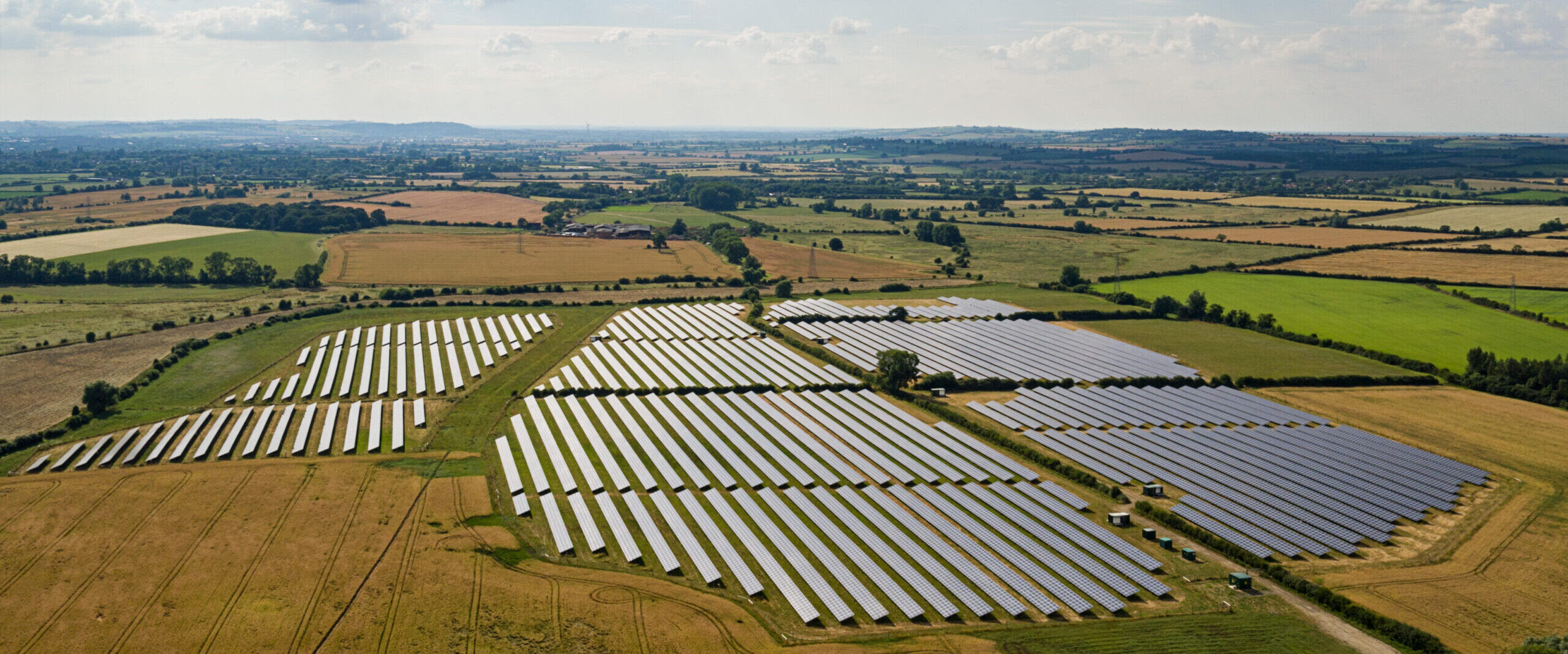
The same 26 MW of solar power can be delivered either:
by a large, ground-mounted solar farm on protected Green Belt land, or
by using rooftops on homes, schools and businesses that already exist across Wirral.
Both options produce the same clean electricity and the same carbon reduction.
The difference is what is lost, who benefits, and where the impact falls.
Why Using Rooftops First Matters
Local electricity networks have limited spare capacity. When a single large solar farm connects at one point, it can reserve a significant share of that capacity, making it harder or more expensive for homes and businesses to connect rooftop solar later.
Rooftop solar works differently. Power is used where it is generated, reducing strain on the grid rather than concentrating it. It supports local jobs, keeps energy savings within the community, and strengthens local energy independence.
This approach also aligns with the Government’s Warm Homes Plan, which focuses on improving home comfort, cutting energy bills and decarbonising heat — especially for households most exposed to fuel poverty. All of this depends on homes and businesses being able to access the grid.
Why This Place Matters
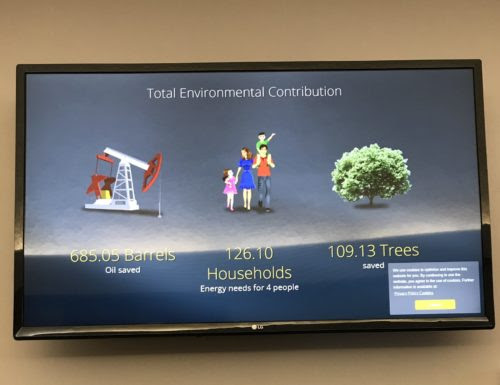
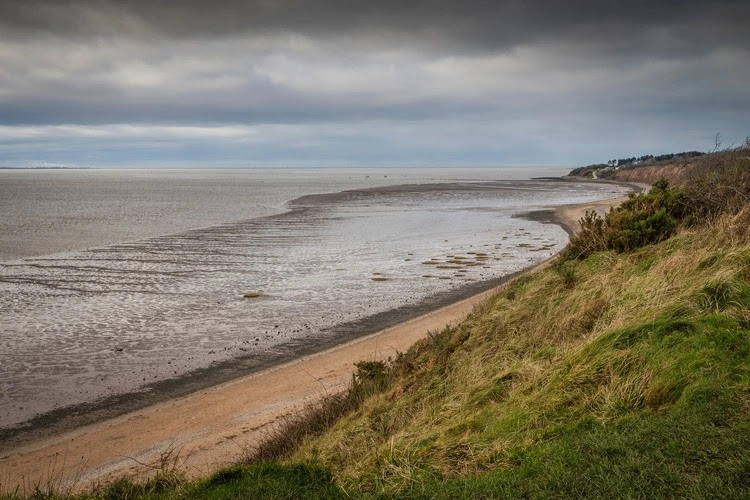
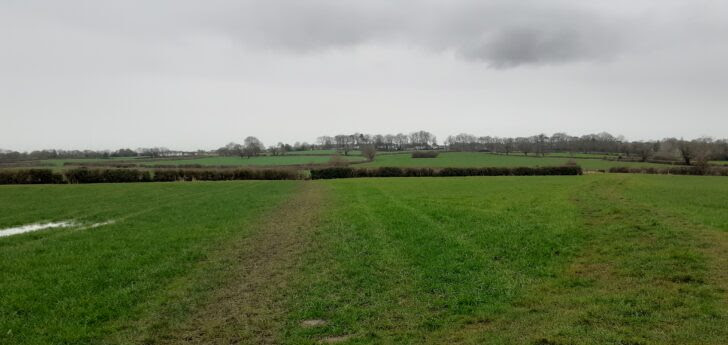
The proposed solar farm site at Thurstaston overlooks the Dee Estuary and forms part of the Wirral Way. It is used daily by families, walkers and visitors, and valued for its open landscape, wildlife and contribution to wellbeing.
Once Green Belt land is industrialised, it is lost for generations.
That should only happen if there is no realistic alternative.
What the Developer Says — and Why We’re Questioning It
A large solar farm has been proposed at Rose Cottage, Thurstaston. The developer says the scheme would generate around 26 MW of clean energy, help meet net-zero targets, include biodiversity measures and offer a community benefit fund.
I don’t dispute the need for clean energy.
I work in renewable energy — I believe in it.
What this campaign questions is whether protected Green Belt land needs to be used at all, when an apples-for-apples alternative already exists.
The Evidence Suggests We Don’t
Wirral has around 140,000 homes.
To match a 26 MW solar farm using homes alone would require panels on roughly 5,600 homes — about 4 % of households, assuming a typical domestic system size.
That means:
96 % of homes would not need panels at all, and
this calculation is based on homes only.
When schools, supermarkets, warehouses, public buildings and brownfield land are included, the potential increases further.
Put simply: the proposed solar farm represents only a small fraction of what Wirral can already generate using the buildings it has.
What the Rooftop Pledges Are For
Planning decisions are often framed as if communities must choose between clean energy or protecting land. The rooftop pledges exist to show that this is a false choice.
By making a non-binding rooftop pledge, residents and businesses are not committing to an installation or a cost. They are simply saying:
“If clean energy is needed, start with our roofs — not our countryside.”
Taken together, these pledges turn opinion into evidence. They show that Wirral residents are willing to use their own buildings to support clean energy before giving up protected Green Belt land.
Transparency
I run Eco Renewable Energy, a family-owned renewable energy company based in Wirral. We work locally with households, schools and businesses on rooftop solar, batteries and low-carbon heating.
I’m open about this because my work gives me day-to-day insight into what rooftops across Wirral can realistically deliver, where grid constraints already exist, and how energy costs affect local people and businesses.
This campaign is not a sales exercise.
Signing this petition or making a rooftop pledge does not commit anyone to installing solar or entering into any agreement.
The purpose of this campaign is evidence, not promotion.
The Question This Campaign Asks
The question is simple — and answerable with data:
Can Wirral match the output of a commercial solar farm using the roofs we already have?
This campaign exists to show that we can — and to deliver solar the right way, in the right places.

200
The Issue
Rooftop Solar vs Green Belt Solar
Solar the Right Way — Protecting Wirral’s Green Belt, One Roof at a Time
Why This Campaign Exists
I live and work in Wirral. I help local families, schools and businesses cut energy bills, improve home comfort and move away from fossil fuels. I see every week what works — and what doesn’t.
This campaign is not about stopping solar. It is about doing solar properly — in a way that protects the places we love, keeps benefits local, and helps people who are struggling most.
I genuinely believe Wirral can deliver clean energy without giving up precious Green Belt land. This campaign exists to prove that — using real local evidence, not arguments.
Wirral Is Not Anti-Solar
Across the borough, residents, schools and businesses are already installing rooftop solar to reduce bills, improve comfort and cut carbon.
The question facing Wirral is not whether to generate clean energy, but how.
This petition supports a community-led, rooftop-first approach — using the buildings we already have, before turning protected countryside into industrial infrastructure.
An Apples-for-Apples Choice
This is an apples-for-apples comparison.
The same 26 MW of solar power can be delivered either:
by a large, ground-mounted solar farm on protected Green Belt land, or
by using rooftops on homes, schools and businesses that already exist across Wirral.
Both options produce the same clean electricity and the same carbon reduction.
The difference is what is lost, who benefits, and where the impact falls.
Why Using Rooftops First Matters
Local electricity networks have limited spare capacity. When a single large solar farm connects at one point, it can reserve a significant share of that capacity, making it harder or more expensive for homes and businesses to connect rooftop solar later.
Rooftop solar works differently. Power is used where it is generated, reducing strain on the grid rather than concentrating it. It supports local jobs, keeps energy savings within the community, and strengthens local energy independence.
This approach also aligns with the Government’s Warm Homes Plan, which focuses on improving home comfort, cutting energy bills and decarbonising heat — especially for households most exposed to fuel poverty. All of this depends on homes and businesses being able to access the grid.
Why This Place Matters
The proposed solar farm site at Thurstaston overlooks the Dee Estuary and forms part of the Wirral Way. It is used daily by families, walkers and visitors, and valued for its open landscape, wildlife and contribution to wellbeing.
Once Green Belt land is industrialised, it is lost for generations.
That should only happen if there is no realistic alternative.
What the Developer Says — and Why We’re Questioning It
A large solar farm has been proposed at Rose Cottage, Thurstaston. The developer says the scheme would generate around 26 MW of clean energy, help meet net-zero targets, include biodiversity measures and offer a community benefit fund.
I don’t dispute the need for clean energy.
I work in renewable energy — I believe in it.
What this campaign questions is whether protected Green Belt land needs to be used at all, when an apples-for-apples alternative already exists.
The Evidence Suggests We Don’t
Wirral has around 140,000 homes.
To match a 26 MW solar farm using homes alone would require panels on roughly 5,600 homes — about 4 % of households, assuming a typical domestic system size.
That means:
96 % of homes would not need panels at all, and
this calculation is based on homes only.
When schools, supermarkets, warehouses, public buildings and brownfield land are included, the potential increases further.
Put simply: the proposed solar farm represents only a small fraction of what Wirral can already generate using the buildings it has.
What the Rooftop Pledges Are For
Planning decisions are often framed as if communities must choose between clean energy or protecting land. The rooftop pledges exist to show that this is a false choice.
By making a non-binding rooftop pledge, residents and businesses are not committing to an installation or a cost. They are simply saying:
“If clean energy is needed, start with our roofs — not our countryside.”
Taken together, these pledges turn opinion into evidence. They show that Wirral residents are willing to use their own buildings to support clean energy before giving up protected Green Belt land.
Transparency
I run Eco Renewable Energy, a family-owned renewable energy company based in Wirral. We work locally with households, schools and businesses on rooftop solar, batteries and low-carbon heating.
I’m open about this because my work gives me day-to-day insight into what rooftops across Wirral can realistically deliver, where grid constraints already exist, and how energy costs affect local people and businesses.
This campaign is not a sales exercise.
Signing this petition or making a rooftop pledge does not commit anyone to installing solar or entering into any agreement.
The purpose of this campaign is evidence, not promotion.
The Question This Campaign Asks
The question is simple — and answerable with data:
Can Wirral match the output of a commercial solar farm using the roofs we already have?
This campaign exists to show that we can — and to deliver solar the right way, in the right places.
Supporter Voices
Petition Updates
Share this petition
Petition created on 4 January 2026