

SOBRANG KANTINA: IMPLEMENTING CLEAN AND NOURISHING SCHOOL CAFETERIA MEALS
SOBRANG KANTINA: IMPLEMENTING CLEAN AND NOURISHING SCHOOL CAFETERIA MEALS
The Issue
Out of the Cycle
“Canteen tayo, doon sa kabila na lang, malinis doon eh”
The air is thick with the smell of dirty trays and old grease. Flies hover over sticky tables, where bits of rice stick to the surface, mixed with sweat and spilled sauce. Under dim lights, lukewarm food sits, unappetizing and uninviting—offering little comfort to hungry students bracing for another disappointing meal.
In many public schools across the Philippines, this is the reality—where sanitation and nutrition are often ignored. Yet, school cafeterias should not be places of discomfort. They should nourish young minds, not expose them to sickness or leave them craving something better.
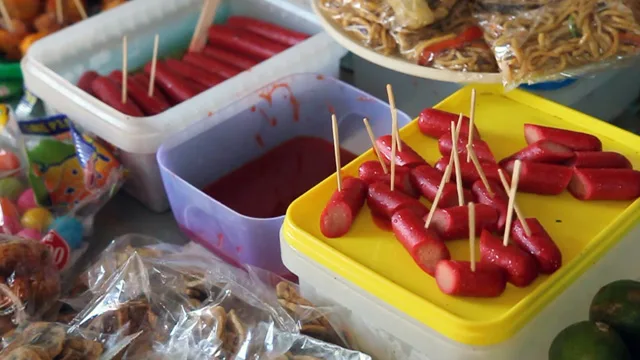
Jee Y. Geronimo - Rappler
How can students focus in class when their meals are neither safe nor healthy? How can a place meant to serve become a source of concern?
Imagine a school cafeteria that isn’t just a place to eat but a space that promotes health and well-being—where every meal is fresh, clean, and satisfying, like the warmth of your own “hapagkainan.” A place that truly fuels learning and growth. This change is possible, but it starts with a shared commitment to improvement. Together, we can create a better, healthier environment for all students—because every student deserves a meal they can trust.
In the Know
Schools play a crucial role in shaping children's development and addressing malnutrition. However, improving childhood nutrition requires looking beyond just the food served—it involves considering the entire school food environment, including the cleanliness, infrastructure, and overall conditions within school premises. Ensuring a safe and healthy dining space is essential for fostering good eating habits that children will carry into adulthood.
In the Philippines, the Department of Education (DepEd) regularly implements policies and programs focused on food and nutrition. While these initiatives have shown positive effects, such as encouraging students to consume more fruits and vegetables, there remains significant room for improvement. Many students still have diets dominated by processed, sugary, and greasy foods, with fresh and nutritious options being less accessible or affordable.
Studies indicate that Filipino children’s diets are shifting, with fewer fresh and natural food choices. The lack of access to affordable and nutritious meals contributes to long-term health risks, including undernutrition and obesity. Additionally, research highlights that school food handlers often lack proper food safety training, leading to unsanitary conditions in canteens. Common issues include inadequate hygiene practices, improper storage of utensils, and inefficient food preparation, which increase the risk of contamination and foodborne illnesses.
Addressing these concerns requires a holistic approach, where schools prioritize both nutrition and sanitation. By creating cleaner and healthier cafeteria environments, students can develop better eating habits, experience improved well-being, and be set up for success in both their education and future health.
How Change Happens
The Sobrang Kantina project is an initiative dedicated to improving the sanitation and nutritional quality of school cafeterias in public schools across the Philippines. By advocating for cleaner dining spaces and healthier meal options, this project aims to create a safe, hygienic, and nourishing environment that supports student well-being, academic performance, and long-term health.
Improving cafeteria conditions will have a huge impact on students’ health, academic performance, and overall well-being. A cleaner cafeteria helps prevent the spread of bacteria, eliminates pests, and reduces the risk of foodborne illnesses, ensuring that students can eat in a safe and sanitary environment. Additionally, when students have access to nutritious meals, they experience increased energy levels, sharper concentration, and improved cognitive function, all of which contribute to better performance in school.
A well-balanced diet not only helps students stay focused in class but also supports long-term physical health, reducing the risk of illnesses related to poor nutrition. Beyond these immediate benefits, creating a culture that values cleanliness and proper nutrition encourages lifelong healthy habits, shaping a generation that understands the importance of well-being. By addressing these issues, schools can create an environment where students feel cared for, supported, and empowered to thrive.
Getting Involved
We acknowledge the concerns about cost, food preferences, and logistics, but these are problems with solutions. Schools can explore cost-effective meal plans and meal preparations to keep food affordable while still ensuring quality. Schools could assign nutritious days wherein foods are vegetable-focused, serving foods such as “Lugaw” or “Sopas” as its main course. Students may be resistant to changes in their meals, but by introducing healthier options gradually and making them appealing, schools can encourage better eating habits without forcing sudden shifts. Additionally, school officials could assign cafeteria janitors or workers to maintain the sanitation of the cafeterias, this not only benefits the school but also encourages job security.
Change the Cycle
Shared commitment is at the heart of this movement. Key partners include school administrations, local government units (LGUs), health experts, and parent-teacher associations, all of whom play a crucial role in ensuring sustainable improvements in school cafeterias. LGUs provide regulatory support and funding, school administrations implement sanitation policies, health experts guide nutritional planning, and parents advocate for better food quality. Together, these efforts create a holistic approach that balances affordability, nutrition, and accessibility.
Through the Sobrang Kantina project , we envision a future where students enjoy safe, clean, and nourishing meals that empower them to learn, grow, and succeed.

14
The Issue
Out of the Cycle
“Canteen tayo, doon sa kabila na lang, malinis doon eh”
The air is thick with the smell of dirty trays and old grease. Flies hover over sticky tables, where bits of rice stick to the surface, mixed with sweat and spilled sauce. Under dim lights, lukewarm food sits, unappetizing and uninviting—offering little comfort to hungry students bracing for another disappointing meal.
In many public schools across the Philippines, this is the reality—where sanitation and nutrition are often ignored. Yet, school cafeterias should not be places of discomfort. They should nourish young minds, not expose them to sickness or leave them craving something better.
Jee Y. Geronimo - Rappler
How can students focus in class when their meals are neither safe nor healthy? How can a place meant to serve become a source of concern?
Imagine a school cafeteria that isn’t just a place to eat but a space that promotes health and well-being—where every meal is fresh, clean, and satisfying, like the warmth of your own “hapagkainan.” A place that truly fuels learning and growth. This change is possible, but it starts with a shared commitment to improvement. Together, we can create a better, healthier environment for all students—because every student deserves a meal they can trust.
In the Know
Schools play a crucial role in shaping children's development and addressing malnutrition. However, improving childhood nutrition requires looking beyond just the food served—it involves considering the entire school food environment, including the cleanliness, infrastructure, and overall conditions within school premises. Ensuring a safe and healthy dining space is essential for fostering good eating habits that children will carry into adulthood.
In the Philippines, the Department of Education (DepEd) regularly implements policies and programs focused on food and nutrition. While these initiatives have shown positive effects, such as encouraging students to consume more fruits and vegetables, there remains significant room for improvement. Many students still have diets dominated by processed, sugary, and greasy foods, with fresh and nutritious options being less accessible or affordable.
Studies indicate that Filipino children’s diets are shifting, with fewer fresh and natural food choices. The lack of access to affordable and nutritious meals contributes to long-term health risks, including undernutrition and obesity. Additionally, research highlights that school food handlers often lack proper food safety training, leading to unsanitary conditions in canteens. Common issues include inadequate hygiene practices, improper storage of utensils, and inefficient food preparation, which increase the risk of contamination and foodborne illnesses.
Addressing these concerns requires a holistic approach, where schools prioritize both nutrition and sanitation. By creating cleaner and healthier cafeteria environments, students can develop better eating habits, experience improved well-being, and be set up for success in both their education and future health.
How Change Happens
The Sobrang Kantina project is an initiative dedicated to improving the sanitation and nutritional quality of school cafeterias in public schools across the Philippines. By advocating for cleaner dining spaces and healthier meal options, this project aims to create a safe, hygienic, and nourishing environment that supports student well-being, academic performance, and long-term health.
Improving cafeteria conditions will have a huge impact on students’ health, academic performance, and overall well-being. A cleaner cafeteria helps prevent the spread of bacteria, eliminates pests, and reduces the risk of foodborne illnesses, ensuring that students can eat in a safe and sanitary environment. Additionally, when students have access to nutritious meals, they experience increased energy levels, sharper concentration, and improved cognitive function, all of which contribute to better performance in school.
A well-balanced diet not only helps students stay focused in class but also supports long-term physical health, reducing the risk of illnesses related to poor nutrition. Beyond these immediate benefits, creating a culture that values cleanliness and proper nutrition encourages lifelong healthy habits, shaping a generation that understands the importance of well-being. By addressing these issues, schools can create an environment where students feel cared for, supported, and empowered to thrive.
Getting Involved
We acknowledge the concerns about cost, food preferences, and logistics, but these are problems with solutions. Schools can explore cost-effective meal plans and meal preparations to keep food affordable while still ensuring quality. Schools could assign nutritious days wherein foods are vegetable-focused, serving foods such as “Lugaw” or “Sopas” as its main course. Students may be resistant to changes in their meals, but by introducing healthier options gradually and making them appealing, schools can encourage better eating habits without forcing sudden shifts. Additionally, school officials could assign cafeteria janitors or workers to maintain the sanitation of the cafeterias, this not only benefits the school but also encourages job security.
Change the Cycle
Shared commitment is at the heart of this movement. Key partners include school administrations, local government units (LGUs), health experts, and parent-teacher associations, all of whom play a crucial role in ensuring sustainable improvements in school cafeterias. LGUs provide regulatory support and funding, school administrations implement sanitation policies, health experts guide nutritional planning, and parents advocate for better food quality. Together, these efforts create a holistic approach that balances affordability, nutrition, and accessibility.
Through the Sobrang Kantina project , we envision a future where students enjoy safe, clean, and nourishing meals that empower them to learn, grow, and succeed.
14
Petition Updates
Share this petition
Petition created on March 11, 2025