

Help save the fawns in Rattray Marsh. Remove the deer exclusion fencing.
The Issue
Five fawns died within 10 days of Conservation Area installing fencing to protect newly planted saplings.
In both 2022 and 2023, Rattray Marsh Conservation Area, in Mississauga, Ontario, Canada, lost 100% of the fawn population, before the fawns were 6 weeks old. Coyotes and deer have coexisted in the Marsh for years and the park has never lost this many fawns in such a short time. The deer exclusion fencing was the only change to the Marsh. It is likely that the fencing gave the coyotes an unfair advantage and contributed to the death of the fawns. Research from Penn State University shows that the deer exclusion fencing did not make a difference in seedling height or survival rate over a 7-year period. Credit Valley Conservation has been informed that Rattray Marsh has lost 100% of the fawn population in the last two summers. If there is research showing that the deer exclusion fencing does not work, and the Marsh is losing fawns at an alarming rate, then why is Credit Valley Conservation refusing to take down the fencing? What is worse is that they plan on keeping the fencing up for at least 5 years.
How do I know that the fawns died? I walk through Rattray Marsh everyday and I can tell the deer apart. For instance: One doe has a chunk out of her right ear, like another deer bit her, while another doe has more white to the right of her tail. All 5 does were pregnant in both 2022 and 2023. I have pictures showing this. Also, in both years I saw all 5 of the does nursing their fawn. A doe will hide her fawn for the first six weeks. After that time, the doe will start walking around with her fawn and the rest of her family. In 2022, the adults were together after the six week period, but there were no fawns. In 2023, the adult deer started walking together well before the six week period and there were no fawns with them. The last fawn sighting was in June.
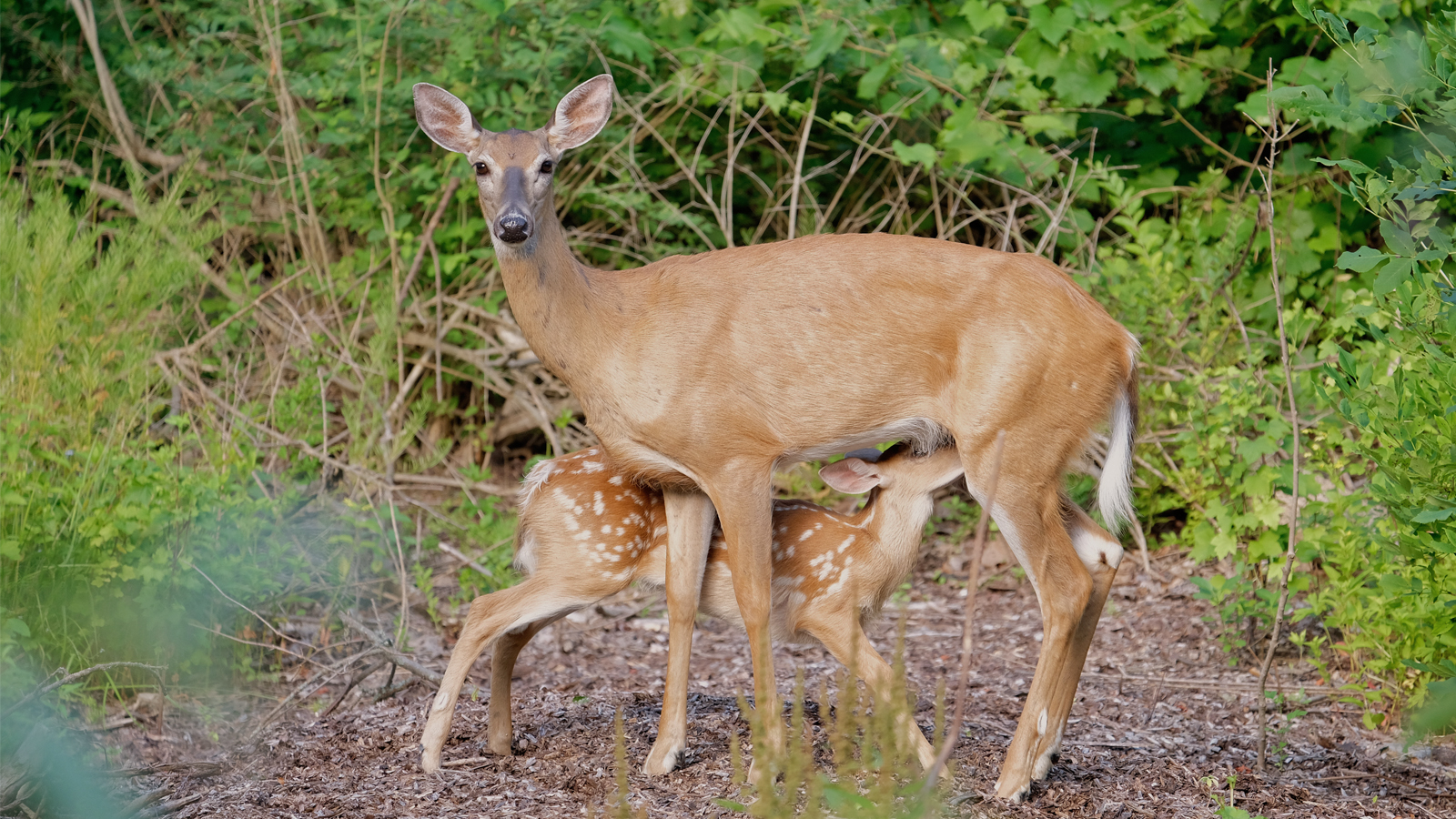
A Conservation Area should care about the wildlife in its park. Protecting the trees should not come at the expense of the deer. Please add your signature to help save the fawns. Also, please share this with others.
For more information see:

Petition Closed
The Issue
Five fawns died within 10 days of Conservation Area installing fencing to protect newly planted saplings.
In both 2022 and 2023, Rattray Marsh Conservation Area, in Mississauga, Ontario, Canada, lost 100% of the fawn population, before the fawns were 6 weeks old. Coyotes and deer have coexisted in the Marsh for years and the park has never lost this many fawns in such a short time. The deer exclusion fencing was the only change to the Marsh. It is likely that the fencing gave the coyotes an unfair advantage and contributed to the death of the fawns. Research from Penn State University shows that the deer exclusion fencing did not make a difference in seedling height or survival rate over a 7-year period. Credit Valley Conservation has been informed that Rattray Marsh has lost 100% of the fawn population in the last two summers. If there is research showing that the deer exclusion fencing does not work, and the Marsh is losing fawns at an alarming rate, then why is Credit Valley Conservation refusing to take down the fencing? What is worse is that they plan on keeping the fencing up for at least 5 years.
How do I know that the fawns died? I walk through Rattray Marsh everyday and I can tell the deer apart. For instance: One doe has a chunk out of her right ear, like another deer bit her, while another doe has more white to the right of her tail. All 5 does were pregnant in both 2022 and 2023. I have pictures showing this. Also, in both years I saw all 5 of the does nursing their fawn. A doe will hide her fawn for the first six weeks. After that time, the doe will start walking around with her fawn and the rest of her family. In 2022, the adults were together after the six week period, but there were no fawns. In 2023, the adult deer started walking together well before the six week period and there were no fawns with them. The last fawn sighting was in June.
A Conservation Area should care about the wildlife in its park. Protecting the trees should not come at the expense of the deer. Please add your signature to help save the fawns. Also, please share this with others.
For more information see:
The Decision Makers

Petition Updates
Share this petition
Petition created on July 7, 2023