

Reduce Delays in Patient Care: Support H.R. 2433!
The Issue
Petition at a Glance:
- Health insurance in the United States is broken. Delays and denials put patients' health and financial stability at risk and are a serious burden to doctors and their staff.
- H.R. 2433, the "Reducing Medically Unnecessary Delays in Care Act of 2025", calls for reform among payers participating in federal health programs like Medicaid. The goal is for health insurance to be a help, rather than a hindrance, to patients' access to care.
- Sign the petition today to tell our legislators that we support H.R. 2433!
Background:
At the age of 42, Jenn Coffey received a diagnosis that nobody wants to receive: breast cancer. She was told that she needed to have surgery, but she had no clue that another diagnosis awaited her on the other side. She woke up from surgery in excruciating pain. While pain after surgery is normal, Jenn's pain was different--it was a hellish agony that she describes as: "feeling like I'm walking on broken glass in a briar patch, wrapped in barbed wire." Before her surgery, Jenn had saved lives as an EMT; but now she struggles to even take care of herself due to her debilitating symptoms. Jenn was diagnosed with complex regional pain syndrome (CRPS). This dreadful disease is triggered by injury--surgery, in Jenn's case--and ails its victims for life. CRPS is commonly called the "suicide disease" because its lifetime symptoms are so unbearable that 70% of those affected turn to suicide. However, suicide does not have to be the only way out of this torment: there are treatments available to help patients cope with CRPS, but they are unaffordable for most. Jenn is insured under a Medicare Advantage (MA) plan, but none of the available CRPS treatments are approved by the FDA, giving her insurer a convenient excuse to deny her lifesaving treatment. In addition to battling the physical, mental, and emotional torture of CRPS, Jenn has been forced to fight for the treatment she desperately needs. She sunk hours into phone calls with her insurer, a social media campaign, and contacting her senators; yet she was still left with no choice but to sell everything to pay for her treatments. Years later, she tells me she is still fighting this unfair battle.

As a future physician, I am appalled by Jenn's story, knowing that hers is just one of millions of examples of how health insurance has failed to have patients' backs in their most vulnerable moments. I can relate in a way to Jenn's struggle. During my first semester of medical school, a rare autoimmune disease dangled me over the jaws of death. After failing first- and second-line treatments, I was prescribed a new medication that would keep me from having another near-death experience but would cost me $10,000 a month. When my health insurance provider refused to cover the medication, I was forced to decide between my life and financial stability.

Sometimes I wonder whether the hundreds of thousands of dollars and countless hours I am pouring into my medical education are worthwhile if my patients would not be able to access the treatments I prescribe because insurance denies them, like what happened for Jenn and me. In a 2024 survey conducted by the American Medical Association (AMA), 82% of physicians reported that the prior authorization (PA) process leads patients to abandon their recommended course of treatment--in many cases leading to emergency room visits, unexpected hospitalization, disability, and even death. In the same survey, 80% of physicians reported that the PA process leads patients to pay out of pocket for their treatment. Studies show that the sad consequence of this is that medical bills cause 1 million U.S. adults to declare bankruptcy every year, accounting for close to 70% of all bankruptcies in the U.S. The PA process does not just adversely affect patients: it impacts healthcare providers as well. The 2024 AMA survey revealed that physicians and their staff spend an average of 13 hours--over one entire business day--each week completing PA, and close to half of physicians have staff who work exclusively on PA. Almost all physicians report PA as a significant cause of burnout.
H.R. 2433 Calls for Change:
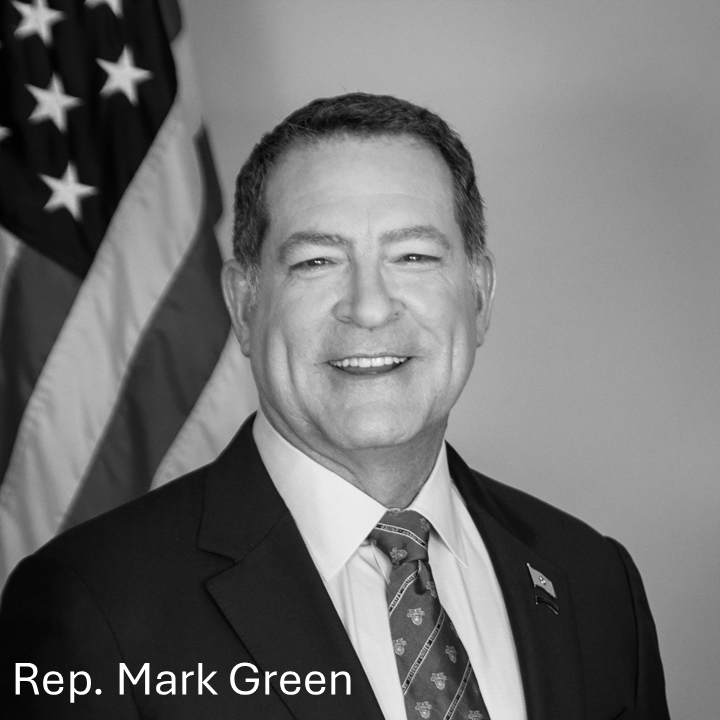
It is against this backdrop that Rep. Mark Green, a cancer survivor and former ER doctor, introduced H.R. 2433, the "Reducing Medically Unnecessary Delays in Care Act of 2025". This bill, if passed into law, would mandate the following of Medicare and MA organizations:
- Evidence-based criteria for evaluating prior authorization requests, with enough flexibility to allow exceptions on a case-by-case basis
- Basing coverage/payment decisions on medical necessity, as determined by actively practicing, appropriately licensed, specialty-matched physicians.
- Greater transparency between insurers, patients, and healthcare providers
Of H.R. 2433, Rep. Kim Schrier said: "As a physician myself, I've seen firsthand how prior authorization has created life threatening barriers to essential and standard care...This common sense legislation is something everyone should get behind to ensure patients can access the treatment they need when they need it by putting medical decisions back in their physician's hands." The medical community has indeed rallied in support, with over two dozen medical professional associations--including the American Medical Association--endorsing the bill.
Proposed Revisions to H.R. 2433:
I fully support what H.R. 2433 stands for, and I humbly propose two revisions that I hope would further enhance the bill's efficacy in achieving positive reform in the U.S. health insurance industry:
Sec 3(7): This section mandates public posting of PA approval/denial statistics. This requirement for increased transparency is much-needed, considering the prevalence of denials of requests that should have been approved. For example, a 2022 study performed by the U.S. Department of Health and Human Services uncovered that MA organizations delayed or denied patients' access to services even though PA requests met coverage rules, possibly in an attempt to increase profits. While the approval/denial data specified in H.R. 2433 would offer insight into PA request outcomes, it offers limited insight into process delays and the resulting burden experienced by patients and providers. To address this, I recommend additionally mandating public posting of process metrics (e.g., decision turnaround times and appeal rates/stages).
Sec 3(8): This section mandates "all preauthorizations and adverse determinations" to be made by an appropriately licensed and specialty-matched physician. Appropriate physician input on coverage/payment decisions is crucial, but the data shows that this is currently terribly lacking. According to the AMA, only 16% of physicians participating in peer-to-peer reviews reported that the "peer" was appropriately qualified. However, the current wording in Sec 3(8) could be interpreted as requiring all decisions--both approvals and denials--to be made by a physician, which could have unintended consequences. Many PA requests meet criteria straightforwardly and could be quickly approved by non-physician staff or even an automated system. To require physician sign-off for approvals would unnecessarily increase costs and introduce a human bottleneck that could delay care. It is in the case of denials that physician input is vital--such as in Jenn's case, where her medically-necessary but non-FDA-approved treatments may require an exception because they do not meet coverage rules. Hence, I recommend omitting the phrase "all preauthorizations" from Sec 3(8) to clarify that only adverse determinations are mandated to be made by a physician.
Summary:
In conclusion, with some minor revisions, H.R. 2433 is a big step toward bringing about positive reform in Medicare and MA organizations, which offers hope to millions of suffering patients like Jenn. As one of the most critical purchasers of healthcare in the U.S., Medicare influences the rest of the health insurance industry, so H.R. 2433 would have ripple effects beyond Medicare, resulting in a healthier America.
Sign the petition to tell our legislators that the U.S. health insurance industry needs reform!
Have you or a loved one been impacted by the prior authorization process? Use your voice to bring about positive change! Share your story in the comments, or write your representatives today! Visit congress.gov/members/find-your-member to find and contact your representatives.
Consider donating to Jenn's GoFundMe!
Disclaimer: The views expressed in this petition are my own and do not represent the views of my school or employer.
References:
- Jenn Coffey: What it's like to live with the 'suicide disease' | Op-eds | unionleader.com
- A Personal Story about a Medicare Advantage Denial ~ Written for PSARA Education Fund | by Jenn Coffey | Medium
- Complex Regional Pain Syndrome - StatPearls - NCBI Bookshelf
- 2024 AMA prior authorization physician survey | American Medical Association
- Medical Bankruptcies by Country 2025 | World Population Review
- Medical Bankruptcy: Still Common Despite the Affordable Care Act - PMC
- Rep. Green Reintroduces Bill to Protect Patients from Delays in Medical Care | Press Releases | Congressman Mark Green
- Some Medicare Advantage Organization Denials of Prior Authorization Requests Raise Concerns About Beneficiary Access to Medically Necessary Care | Office of Inspector General | Government Oversight | U.S. Department of Health and Human Services
- Medicare in the 21st Century: Understanding the Program to Promote Improvements | Journal of the American Academy of Orthopaedic Surgeons

619
The Issue
Petition at a Glance:
- Health insurance in the United States is broken. Delays and denials put patients' health and financial stability at risk and are a serious burden to doctors and their staff.
- H.R. 2433, the "Reducing Medically Unnecessary Delays in Care Act of 2025", calls for reform among payers participating in federal health programs like Medicaid. The goal is for health insurance to be a help, rather than a hindrance, to patients' access to care.
- Sign the petition today to tell our legislators that we support H.R. 2433!
Background:
At the age of 42, Jenn Coffey received a diagnosis that nobody wants to receive: breast cancer. She was told that she needed to have surgery, but she had no clue that another diagnosis awaited her on the other side. She woke up from surgery in excruciating pain. While pain after surgery is normal, Jenn's pain was different--it was a hellish agony that she describes as: "feeling like I'm walking on broken glass in a briar patch, wrapped in barbed wire." Before her surgery, Jenn had saved lives as an EMT; but now she struggles to even take care of herself due to her debilitating symptoms. Jenn was diagnosed with complex regional pain syndrome (CRPS). This dreadful disease is triggered by injury--surgery, in Jenn's case--and ails its victims for life. CRPS is commonly called the "suicide disease" because its lifetime symptoms are so unbearable that 70% of those affected turn to suicide. However, suicide does not have to be the only way out of this torment: there are treatments available to help patients cope with CRPS, but they are unaffordable for most. Jenn is insured under a Medicare Advantage (MA) plan, but none of the available CRPS treatments are approved by the FDA, giving her insurer a convenient excuse to deny her lifesaving treatment. In addition to battling the physical, mental, and emotional torture of CRPS, Jenn has been forced to fight for the treatment she desperately needs. She sunk hours into phone calls with her insurer, a social media campaign, and contacting her senators; yet she was still left with no choice but to sell everything to pay for her treatments. Years later, she tells me she is still fighting this unfair battle.
As a future physician, I am appalled by Jenn's story, knowing that hers is just one of millions of examples of how health insurance has failed to have patients' backs in their most vulnerable moments. I can relate in a way to Jenn's struggle. During my first semester of medical school, a rare autoimmune disease dangled me over the jaws of death. After failing first- and second-line treatments, I was prescribed a new medication that would keep me from having another near-death experience but would cost me $10,000 a month. When my health insurance provider refused to cover the medication, I was forced to decide between my life and financial stability.
Sometimes I wonder whether the hundreds of thousands of dollars and countless hours I am pouring into my medical education are worthwhile if my patients would not be able to access the treatments I prescribe because insurance denies them, like what happened for Jenn and me. In a 2024 survey conducted by the American Medical Association (AMA), 82% of physicians reported that the prior authorization (PA) process leads patients to abandon their recommended course of treatment--in many cases leading to emergency room visits, unexpected hospitalization, disability, and even death. In the same survey, 80% of physicians reported that the PA process leads patients to pay out of pocket for their treatment. Studies show that the sad consequence of this is that medical bills cause 1 million U.S. adults to declare bankruptcy every year, accounting for close to 70% of all bankruptcies in the U.S. The PA process does not just adversely affect patients: it impacts healthcare providers as well. The 2024 AMA survey revealed that physicians and their staff spend an average of 13 hours--over one entire business day--each week completing PA, and close to half of physicians have staff who work exclusively on PA. Almost all physicians report PA as a significant cause of burnout.
H.R. 2433 Calls for Change:
It is against this backdrop that Rep. Mark Green, a cancer survivor and former ER doctor, introduced H.R. 2433, the "Reducing Medically Unnecessary Delays in Care Act of 2025". This bill, if passed into law, would mandate the following of Medicare and MA organizations:
- Evidence-based criteria for evaluating prior authorization requests, with enough flexibility to allow exceptions on a case-by-case basis
- Basing coverage/payment decisions on medical necessity, as determined by actively practicing, appropriately licensed, specialty-matched physicians.
- Greater transparency between insurers, patients, and healthcare providers
Of H.R. 2433, Rep. Kim Schrier said: "As a physician myself, I've seen firsthand how prior authorization has created life threatening barriers to essential and standard care...This common sense legislation is something everyone should get behind to ensure patients can access the treatment they need when they need it by putting medical decisions back in their physician's hands." The medical community has indeed rallied in support, with over two dozen medical professional associations--including the American Medical Association--endorsing the bill.
Proposed Revisions to H.R. 2433:
I fully support what H.R. 2433 stands for, and I humbly propose two revisions that I hope would further enhance the bill's efficacy in achieving positive reform in the U.S. health insurance industry:
Sec 3(7): This section mandates public posting of PA approval/denial statistics. This requirement for increased transparency is much-needed, considering the prevalence of denials of requests that should have been approved. For example, a 2022 study performed by the U.S. Department of Health and Human Services uncovered that MA organizations delayed or denied patients' access to services even though PA requests met coverage rules, possibly in an attempt to increase profits. While the approval/denial data specified in H.R. 2433 would offer insight into PA request outcomes, it offers limited insight into process delays and the resulting burden experienced by patients and providers. To address this, I recommend additionally mandating public posting of process metrics (e.g., decision turnaround times and appeal rates/stages).
Sec 3(8): This section mandates "all preauthorizations and adverse determinations" to be made by an appropriately licensed and specialty-matched physician. Appropriate physician input on coverage/payment decisions is crucial, but the data shows that this is currently terribly lacking. According to the AMA, only 16% of physicians participating in peer-to-peer reviews reported that the "peer" was appropriately qualified. However, the current wording in Sec 3(8) could be interpreted as requiring all decisions--both approvals and denials--to be made by a physician, which could have unintended consequences. Many PA requests meet criteria straightforwardly and could be quickly approved by non-physician staff or even an automated system. To require physician sign-off for approvals would unnecessarily increase costs and introduce a human bottleneck that could delay care. It is in the case of denials that physician input is vital--such as in Jenn's case, where her medically-necessary but non-FDA-approved treatments may require an exception because they do not meet coverage rules. Hence, I recommend omitting the phrase "all preauthorizations" from Sec 3(8) to clarify that only adverse determinations are mandated to be made by a physician.
Summary:
In conclusion, with some minor revisions, H.R. 2433 is a big step toward bringing about positive reform in Medicare and MA organizations, which offers hope to millions of suffering patients like Jenn. As one of the most critical purchasers of healthcare in the U.S., Medicare influences the rest of the health insurance industry, so H.R. 2433 would have ripple effects beyond Medicare, resulting in a healthier America.
Sign the petition to tell our legislators that the U.S. health insurance industry needs reform!
Have you or a loved one been impacted by the prior authorization process? Use your voice to bring about positive change! Share your story in the comments, or write your representatives today! Visit congress.gov/members/find-your-member to find and contact your representatives.
Consider donating to Jenn's GoFundMe!
Disclaimer: The views expressed in this petition are my own and do not represent the views of my school or employer.
References:
- Jenn Coffey: What it's like to live with the 'suicide disease' | Op-eds | unionleader.com
- A Personal Story about a Medicare Advantage Denial ~ Written for PSARA Education Fund | by Jenn Coffey | Medium
- Complex Regional Pain Syndrome - StatPearls - NCBI Bookshelf
- 2024 AMA prior authorization physician survey | American Medical Association
- Medical Bankruptcies by Country 2025 | World Population Review
- Medical Bankruptcy: Still Common Despite the Affordable Care Act - PMC
- Rep. Green Reintroduces Bill to Protect Patients from Delays in Medical Care | Press Releases | Congressman Mark Green
- Some Medicare Advantage Organization Denials of Prior Authorization Requests Raise Concerns About Beneficiary Access to Medically Necessary Care | Office of Inspector General | Government Oversight | U.S. Department of Health and Human Services
- Medicare in the 21st Century: Understanding the Program to Promote Improvements | Journal of the American Academy of Orthopaedic Surgeons
The Decision Makers





Supporter Voices
Petition Updates
Share this petition
Petition created on April 12, 2025