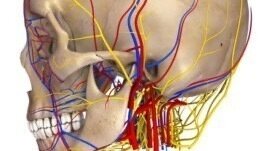

More funding for research into persistent neuropathic and idiopathic facial pain condition
The Issue
A few years ago, I began experiencing severe toothache and gum pain. Despite seeing multiple dentists, no underlying cause could be found.
After many months of ongoing pain and numerous dental procedures intended to relieve it, I was eventually referred to an oral medicine consultant. I was diagnosed with persistent idiopathic facial pain (PIFP) — a chronic pain condition in which the central nervous system is thought to malfunction, causing it to generate and continue sending pain signals to the teeth, gums and face despite there being no identifiable clinical cause.
PIFP is classified as a chronic pain condition and predominantly affects women aged 40 and over. Treatment is currently largely based on medications such as antidepressants and anticonvulsants, which aim to reduce or interrupt abnormal pain signalling. Unfortunately, their effectiveness can be limited, while the side effects can be significant, including severe brain fog, fatigue and sweating. For many patients, the result is only a modest reduction in the constant pain at the cost of considerable disruption to their quality of life.
There is currently limited research into PIFP and other neuropathic facial pain conditions, including trigeminal neuralgia and burning mouth syndrome. Yet thousands of people in the UK are estimated to live with these conditions, with some estimates suggesting that neuropathic facial pain affects around 7% of the population.
Living with persistent facial pain can be debilitating. It affects not only physical wellbeing, but also the ability to work, sleep, eat, socialise and live a normal life. Patients can spend months or even years searching for answers and undergoing unnecessary or ineffective treatments before receiving an accurate diagnosis.
I therefore call on the Government to make a serious and sustained investment in research into persistent idiopathic facial pain and other neuropathic facial pain conditions. Greater research funding could lead to a better understanding of these poorly understood conditions, earlier and more accurate diagnosis, and — most importantly — more effective treatments for the thousands of people whose lives are affected by chronic facial pain.

596
The Issue
A few years ago, I began experiencing severe toothache and gum pain. Despite seeing multiple dentists, no underlying cause could be found.
After many months of ongoing pain and numerous dental procedures intended to relieve it, I was eventually referred to an oral medicine consultant. I was diagnosed with persistent idiopathic facial pain (PIFP) — a chronic pain condition in which the central nervous system is thought to malfunction, causing it to generate and continue sending pain signals to the teeth, gums and face despite there being no identifiable clinical cause.
PIFP is classified as a chronic pain condition and predominantly affects women aged 40 and over. Treatment is currently largely based on medications such as antidepressants and anticonvulsants, which aim to reduce or interrupt abnormal pain signalling. Unfortunately, their effectiveness can be limited, while the side effects can be significant, including severe brain fog, fatigue and sweating. For many patients, the result is only a modest reduction in the constant pain at the cost of considerable disruption to their quality of life.
There is currently limited research into PIFP and other neuropathic facial pain conditions, including trigeminal neuralgia and burning mouth syndrome. Yet thousands of people in the UK are estimated to live with these conditions, with some estimates suggesting that neuropathic facial pain affects around 7% of the population.
Living with persistent facial pain can be debilitating. It affects not only physical wellbeing, but also the ability to work, sleep, eat, socialise and live a normal life. Patients can spend months or even years searching for answers and undergoing unnecessary or ineffective treatments before receiving an accurate diagnosis.
I therefore call on the Government to make a serious and sustained investment in research into persistent idiopathic facial pain and other neuropathic facial pain conditions. Greater research funding could lead to a better understanding of these poorly understood conditions, earlier and more accurate diagnosis, and — most importantly — more effective treatments for the thousands of people whose lives are affected by chronic facial pain.
The Decision Makers


Supporter Voices
Petition Updates
Share this petition
Petition created on 23 August 2026