Mandatory Disclosure of Microplastics in Skincare Products by Social Media Influencers

Mandatory Disclosure of Microplastics in Skincare Products by Social Media Influencers
The Issue
We, the undersigned, call upon regulatory bodies to mandate that all social media influencers disclose whether the skincare and cosmetic products they promote contain microplastics. This transparency is crucial for consumers to make informed choices about the products they purchase and use.
Harmful Microplastics in Skincare and Makeup:
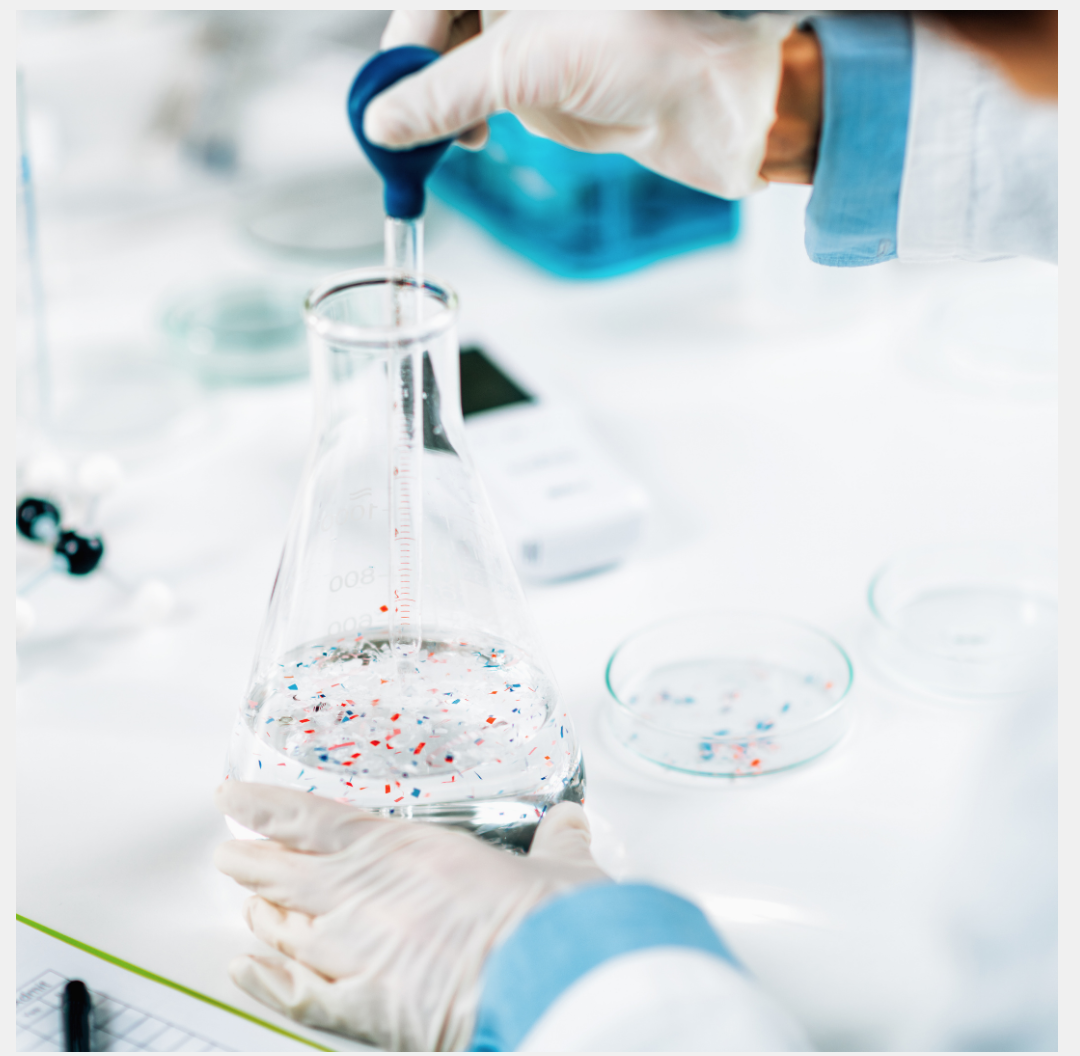
Microplastics are tiny plastic particles less than 5 millimeters in size that are often added to skincare and makeup products for exfoliation or texture. The most widely used microplastics in skincare products include:
Polyethylene (PE): Often used in exfoliating products like scrubs and cleansers for its abrasive properties.
Polypropylene (PP): Found in various products, including deodorants and hair care items, for its film-forming abilities.
Polymethyl methacrylate (PMMA): Used in makeup products like foundations and powders to provide a smooth texture.
Nylon (PA): Commonly added to products like mascara and lipsticks to enhance texture and durability.
Polyurethane: Utilised in a range of cosmetics for its flexibility and film-forming properties
These microplastics are added for various functional benefits, but they pose environmental concerns due to their persistence and potential impact on human health and marine life.
Definition of a Social Media Influencer:
A social media influencer is an individual who has established credibility in a specific industry and has the power to affect the purchasing decisions of others due to their authority, knowledge, or relationship with their audience. Influencers typically operate on platforms such as Instagram, TikTok, YouTube, and Facebook, where they create and share content to engage their followers
Why This Change is Necessary:
Consumers deserve to know what they are buying, especially when it comes to products that can impact their health and the environment. By requiring influencers to disclose the presence of microplastics in skincare and cosmetics products, we can ensure greater transparency and allow consumers to make better-informed decisions. This change will promote responsible consumption and help reduce the environmental and health impacts of microplastics.
We urge regulatory bodies to implement this requirement to protect consumers and the planet.
We urge regulatory bodies to require social media influencers to disclose if the skincare products they promote contain microplastics. This transparency is essential for consumers to make informed choices.
Microplastics, such as Polyethylene (PE), Polypropylene (PP), Polymethyl methacrylate (PMMA), Nylon (PA), and Polyurethane, are added to skincare products for various benefits but pose environmental risks. Influencers, who have significant sway over purchasing decisions, often lack the knowledge to inform their followers about these ingredients.
Consumers deserve to know what they are buying, especially when it affects their health and the environment. Mandating disclosure will promote responsible consumption and help reduce the negative impacts of microplastics. We call on regulatory bodies to implement this change to protect both consumers and the planet.
Hidden plastic in skincare and makeup

345
The Issue
We, the undersigned, call upon regulatory bodies to mandate that all social media influencers disclose whether the skincare and cosmetic products they promote contain microplastics. This transparency is crucial for consumers to make informed choices about the products they purchase and use.
Harmful Microplastics in Skincare and Makeup:
Microplastics are tiny plastic particles less than 5 millimeters in size that are often added to skincare and makeup products for exfoliation or texture. The most widely used microplastics in skincare products include:
Polyethylene (PE): Often used in exfoliating products like scrubs and cleansers for its abrasive properties.
Polypropylene (PP): Found in various products, including deodorants and hair care items, for its film-forming abilities.
Polymethyl methacrylate (PMMA): Used in makeup products like foundations and powders to provide a smooth texture.
Nylon (PA): Commonly added to products like mascara and lipsticks to enhance texture and durability.
Polyurethane: Utilised in a range of cosmetics for its flexibility and film-forming properties
These microplastics are added for various functional benefits, but they pose environmental concerns due to their persistence and potential impact on human health and marine life.
Definition of a Social Media Influencer:
A social media influencer is an individual who has established credibility in a specific industry and has the power to affect the purchasing decisions of others due to their authority, knowledge, or relationship with their audience. Influencers typically operate on platforms such as Instagram, TikTok, YouTube, and Facebook, where they create and share content to engage their followers
Why This Change is Necessary:
Consumers deserve to know what they are buying, especially when it comes to products that can impact their health and the environment. By requiring influencers to disclose the presence of microplastics in skincare and cosmetics products, we can ensure greater transparency and allow consumers to make better-informed decisions. This change will promote responsible consumption and help reduce the environmental and health impacts of microplastics.
We urge regulatory bodies to implement this requirement to protect consumers and the planet.
We urge regulatory bodies to require social media influencers to disclose if the skincare products they promote contain microplastics. This transparency is essential for consumers to make informed choices.
Microplastics, such as Polyethylene (PE), Polypropylene (PP), Polymethyl methacrylate (PMMA), Nylon (PA), and Polyurethane, are added to skincare products for various benefits but pose environmental risks. Influencers, who have significant sway over purchasing decisions, often lack the knowledge to inform their followers about these ingredients.
Consumers deserve to know what they are buying, especially when it affects their health and the environment. Mandating disclosure will promote responsible consumption and help reduce the negative impacts of microplastics. We call on regulatory bodies to implement this change to protect both consumers and the planet.
Hidden plastic in skincare and makeup
345

Supporter Voices
Petition created on 24 September 2024