
Keep Phoenix Trails Open for All: Stop the Restrictive Closures
The Issue
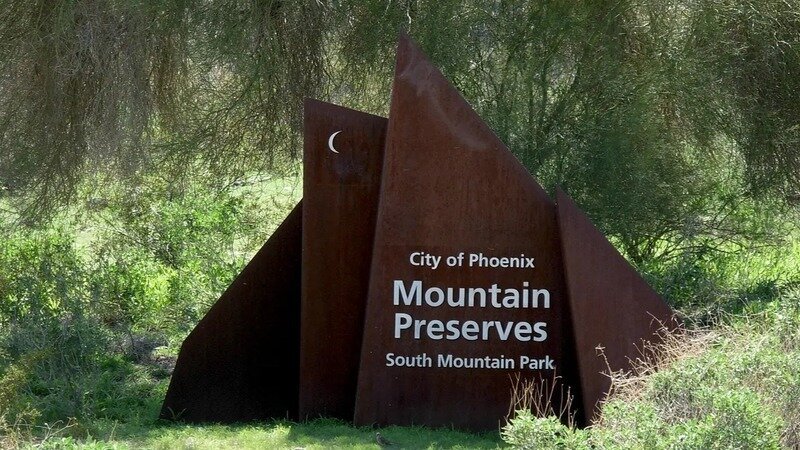
The recent decision by the Phoenix Parks Board to implement restrictive early-morning closures on South Mountain trails impacts thousands of responsible hikers, runners, bikers, and outdoor enthusiasts.
https://keepphoenixtrailsopen.org/
https://www.phoenix.gov/newsroom/parks-and-recreation/3256
While we understand the need for safety, these closures limit access to vital public resources and overlook decades of Phoenician resilience and outdoor activity in warm temperatures.
We call on the City of Phoenix to reconsider these measures and prioritize public education and personal responsibility over blanket restrictions. South Mountain is an irreplaceable resource for fitness, mental well-being, and community connection.
Let Phoenicians decide when and how to enjoy our trails responsibly!
Sign our petition today to keep South Mountain accessible!
While we understand and appreciate the intent to safeguard the public and first responders, we believe that this approach places unnecessary limits on responsible trail users, disregards personal responsibility, and risks alienating the very people these parks are meant to serve.
We urge the City of Phoenix to reconsider the following:
Personal Responsibility Over “Nanny State” Regulations:
Adults are capable of assessing risks and making informed decisions. By enforcing trail closures, the City removes our ability to exercise responsibility and judgment, treating all trail users as if they are unable to manage personal safety. Implementing informative safety guidelines, rather than restricting access, would allow us to make these choices responsibly.
Unfairly Punishing Responsible Trail Users:
The vast majority of trail enthusiasts take proper precautions during high temperatures, such as carrying water and using protective gear. Restricting access based on extreme incidents unfairly penalizes those who use these areas responsibly.
Resource Allocation:
The allocation of resources toward enforcing closures could be better spent on enhancing trail signage, providing real-time weather alerts, and educational programs on safe hiking practices. Additionally, with a rise in car break-ins at popular trailheads, resources could be redirected toward crime prevention measures that address these issues directly. Enforcing trail closures diverts attention from such pressing needs.
Overlooking Outdoor Laborers’ Heat Safety:
Phoenix is home to thousands of outdoor laborers—including landscapers, roofers, and construction crews, as well as city workers building highways and maintaining parks—who routinely work in high temperatures. These essential workers are not only exposed to the same extreme conditions but are also subject to regulations and workplace safety standards that help them work safely. Trail users, similarly aware of the risks, should be given the same trust and freedom to responsibly navigate the trails, especially given that hiking is voluntary and does not pose the same physical demands as labor-intensive jobs.
Preserving Vital Outdoor Access:
For decades, Phoenicians have lived, worked, hiked, and enjoyed outdoor activities in high temperatures, building a tradition of resilience and adaptation to our climate. South Mountain Park and Preserve is an essential resource for physical health, mental well-being, and community connection, and access to it should remain as open as possible. Limiting trail access restricts the rights of responsible users and deprives residents and visitors of vital outdoor spaces.
In light of the above concerns, we request the City consider alternative strategies that prioritize education and personal choice over blanket restrictions. We encourage the Parks and Recreation Department to explore strategies like enhanced trail information, clearer guidance on extreme weather preparation, and optional alerts, rather than restrictive closures.
While we understand and appreciate the intent to safeguard the public and first responders, we believe that this approach places unnecessary limits on responsible trail users, disregards personal responsibility, and risks alienating the very people these parks are meant to serve.
Please reach out to the Phoenix Parks and Recreation Department, the Phoenix City Council, and the Mayor’s Office Phoenix Parks and Recreation Department
OPEN TRAILS, OPEN MINDS
OUR TRAILS, OUR CHOICE
NO CLOSURE, JUST CAUTION
DESERT LIFE, TRAIL RIGHTS
Director, Cynthia Aguilar
Email: cynthia.aguilar@phoenix.gov
Phone: (602) 262-6862
General Contact for Parks and Recreation
Email: parks@phoenix.gov
City of Phoenix Council Members
You may also wish to email individual council members, particularly those representing areas around South Mountain and those with a particular interest in public safety and city resources.
Phoenix City Council Contact Information:
Visit the City Council webpage to find email addresses and phone numbers for individual council members.
Office of the Mayor, Kate Gallego
Email: mayor.gallego@phoenix.gov
Phone: (602) 262-7111
Here are details on two upcoming community meetings you can attend to make your voice heard on this issue:
City Council Meeting, November 13: City Council Chambers, 200 West Jefferson, Phoenix, Arizona on Wednesday at 2:30 p.m.
More detail can be found here: https://www.phoenix.gov/cityclerksite/PublicMeetings/241113001.pdf
The Parks and Recreation Board meets once per month on the fourth Thursday at 5:00 p.m., except the meeting for November is changed to the third Thursday because of holidays. This is also held at City Council Chambers, 200 W. Jefferson St., Phoenix, Arizona, 85003. More detail can be found here:
https://www.phoenix.gov/parks/board
Thank you for your advocacy on this issue.
Here are some additional background and opinions the community have expressed as well since the start of our petition.
Flip the Script...Food for Thought
Picture a seasoned desert dweller from Phoenix traveling to Minnesota to try ice fishing, only to end up in a dangerous situation due to inexperience with extreme cold. Would Minnesotans restrict residents’ access to ice fishing because of tourist mishaps? It’s unlikely. Similarly, our trails are a vital part of life in Phoenix, and blanket restrictions unfairly penalize those who are prepared and responsible.
Accountability vs. Restriction
Like Arizona’s “Stupid Motorist Law” that holds individuals accountable for risky behavior during flash floods, we can implement similar measures for trail safety. This would protect freedoms while encouraging personal responsibility rather than blanket restrictions.
Understanding the Benefits of Trails
Many who support restrictions are less familiar with the benefits trails provide. It’s easy to support closures when you’re unaffected, but trails are vital for health and well-being. Without regular use, it’s difficult to appreciate the importance of these spaces to those who rely on them.
Mountain Rescues as Essential Public Service
We really want to highlight our incredibly fortunate access to the world-class, all-hazard emergency services provided by Phoenix Fire and the Automatic Aid consortium. It’s no small feat to cover the needs of the 5th largest city in the U.S. in one of the nation’s fastest-growing counties. Our community recognizes the hard work and innovation of Fire Chief Duran and Local 493 leadership in tackling these challenges. Moving forward, we’d like to see resources and funding prioritized to support Phoenix Fire’s capabilities as the city grows.
With just a bit more time and discussion, we believe we can identify effective solutions that balance safety with accessibility. For instance, expanding Phoenix Fire’s drone program could be a game-changer. Drones can quickly locate those in need, helping deploy the necessary resources precisely and efficiently.
We feel that closing all trails outright isn’t the best solution. Instead, additional discussion and a collaborative approach could ensure both the safety of first responders and the continued, responsible enjoyment of Phoenix’s trails. We’re eager to work together toward a resolution that supports our mutual goals.
Why are the closures supported by some residents?
- Support Driven by Lack of Understanding....Support for these restrictions is often driven by a lack of direct impact or understanding of the benefits of trail use. Those who don’t use these resources are not affected by the closures and may not appreciate the importance of accessible trails for community well-being. This dynamic skews public opinion and may lead to regulations that do not accurately reflect the interests of the broader community, particularly those most affected by the closures.
- Personal Bias Against Outdoor Enthusiasts…Many who support these restrictions may do so because they don’t regularly use the trails or engage in outdoor activities, leading to a bias against the needs of those who do. Without personal experience or understanding of the benefits, they may view outdoor activities solely through a lens of risk rather than as essential to health, fitness, and quality of life. This bias unfairly influences policy decisions that affect the freedoms of a large, active segment of the population.
- Disproportionate Impact on Outdoor Enthusiasts...Policies favoring those less familiar with the trails disproportionately restrict outdoor enthusiasts, many of whom are dedicated, well-prepared, and highly knowledgeable about managing safety risks. Limiting access based on the preferences of non-users fails to account for the value these trails offer to the physical and mental health of residents who actively use them.
While we understand the need for empathy and safety for first responders and the unprepared, these closures limit access to vital public resources and overlook decades of Phoenician resilience and outdoor activity in warm temperatures.

5,593
The Issue
The recent decision by the Phoenix Parks Board to implement restrictive early-morning closures on South Mountain trails impacts thousands of responsible hikers, runners, bikers, and outdoor enthusiasts.
https://keepphoenixtrailsopen.org/
https://www.phoenix.gov/newsroom/parks-and-recreation/3256
While we understand the need for safety, these closures limit access to vital public resources and overlook decades of Phoenician resilience and outdoor activity in warm temperatures.
We call on the City of Phoenix to reconsider these measures and prioritize public education and personal responsibility over blanket restrictions. South Mountain is an irreplaceable resource for fitness, mental well-being, and community connection.
Let Phoenicians decide when and how to enjoy our trails responsibly!
Sign our petition today to keep South Mountain accessible!
While we understand and appreciate the intent to safeguard the public and first responders, we believe that this approach places unnecessary limits on responsible trail users, disregards personal responsibility, and risks alienating the very people these parks are meant to serve.
We urge the City of Phoenix to reconsider the following:
Personal Responsibility Over “Nanny State” Regulations:
Adults are capable of assessing risks and making informed decisions. By enforcing trail closures, the City removes our ability to exercise responsibility and judgment, treating all trail users as if they are unable to manage personal safety. Implementing informative safety guidelines, rather than restricting access, would allow us to make these choices responsibly.
Unfairly Punishing Responsible Trail Users:
The vast majority of trail enthusiasts take proper precautions during high temperatures, such as carrying water and using protective gear. Restricting access based on extreme incidents unfairly penalizes those who use these areas responsibly.
Resource Allocation:
The allocation of resources toward enforcing closures could be better spent on enhancing trail signage, providing real-time weather alerts, and educational programs on safe hiking practices. Additionally, with a rise in car break-ins at popular trailheads, resources could be redirected toward crime prevention measures that address these issues directly. Enforcing trail closures diverts attention from such pressing needs.
Overlooking Outdoor Laborers’ Heat Safety:
Phoenix is home to thousands of outdoor laborers—including landscapers, roofers, and construction crews, as well as city workers building highways and maintaining parks—who routinely work in high temperatures. These essential workers are not only exposed to the same extreme conditions but are also subject to regulations and workplace safety standards that help them work safely. Trail users, similarly aware of the risks, should be given the same trust and freedom to responsibly navigate the trails, especially given that hiking is voluntary and does not pose the same physical demands as labor-intensive jobs.
Preserving Vital Outdoor Access:
For decades, Phoenicians have lived, worked, hiked, and enjoyed outdoor activities in high temperatures, building a tradition of resilience and adaptation to our climate. South Mountain Park and Preserve is an essential resource for physical health, mental well-being, and community connection, and access to it should remain as open as possible. Limiting trail access restricts the rights of responsible users and deprives residents and visitors of vital outdoor spaces.
In light of the above concerns, we request the City consider alternative strategies that prioritize education and personal choice over blanket restrictions. We encourage the Parks and Recreation Department to explore strategies like enhanced trail information, clearer guidance on extreme weather preparation, and optional alerts, rather than restrictive closures.
While we understand and appreciate the intent to safeguard the public and first responders, we believe that this approach places unnecessary limits on responsible trail users, disregards personal responsibility, and risks alienating the very people these parks are meant to serve.
Please reach out to the Phoenix Parks and Recreation Department, the Phoenix City Council, and the Mayor’s Office Phoenix Parks and Recreation Department
OPEN TRAILS, OPEN MINDS
OUR TRAILS, OUR CHOICE
NO CLOSURE, JUST CAUTION
DESERT LIFE, TRAIL RIGHTS
Director, Cynthia Aguilar
Email: cynthia.aguilar@phoenix.gov
Phone: (602) 262-6862
General Contact for Parks and Recreation
Email: parks@phoenix.gov
City of Phoenix Council Members
You may also wish to email individual council members, particularly those representing areas around South Mountain and those with a particular interest in public safety and city resources.
Phoenix City Council Contact Information:
Visit the City Council webpage to find email addresses and phone numbers for individual council members.
Office of the Mayor, Kate Gallego
Email: mayor.gallego@phoenix.gov
Phone: (602) 262-7111
Here are details on two upcoming community meetings you can attend to make your voice heard on this issue:
City Council Meeting, November 13: City Council Chambers, 200 West Jefferson, Phoenix, Arizona on Wednesday at 2:30 p.m.
More detail can be found here: https://www.phoenix.gov/cityclerksite/PublicMeetings/241113001.pdf
The Parks and Recreation Board meets once per month on the fourth Thursday at 5:00 p.m., except the meeting for November is changed to the third Thursday because of holidays. This is also held at City Council Chambers, 200 W. Jefferson St., Phoenix, Arizona, 85003. More detail can be found here:
https://www.phoenix.gov/parks/board
Thank you for your advocacy on this issue.
Here are some additional background and opinions the community have expressed as well since the start of our petition.
Flip the Script...Food for Thought
Picture a seasoned desert dweller from Phoenix traveling to Minnesota to try ice fishing, only to end up in a dangerous situation due to inexperience with extreme cold. Would Minnesotans restrict residents’ access to ice fishing because of tourist mishaps? It’s unlikely. Similarly, our trails are a vital part of life in Phoenix, and blanket restrictions unfairly penalize those who are prepared and responsible.
Accountability vs. Restriction
Like Arizona’s “Stupid Motorist Law” that holds individuals accountable for risky behavior during flash floods, we can implement similar measures for trail safety. This would protect freedoms while encouraging personal responsibility rather than blanket restrictions.
Understanding the Benefits of Trails
Many who support restrictions are less familiar with the benefits trails provide. It’s easy to support closures when you’re unaffected, but trails are vital for health and well-being. Without regular use, it’s difficult to appreciate the importance of these spaces to those who rely on them.
Mountain Rescues as Essential Public Service
We really want to highlight our incredibly fortunate access to the world-class, all-hazard emergency services provided by Phoenix Fire and the Automatic Aid consortium. It’s no small feat to cover the needs of the 5th largest city in the U.S. in one of the nation’s fastest-growing counties. Our community recognizes the hard work and innovation of Fire Chief Duran and Local 493 leadership in tackling these challenges. Moving forward, we’d like to see resources and funding prioritized to support Phoenix Fire’s capabilities as the city grows.
With just a bit more time and discussion, we believe we can identify effective solutions that balance safety with accessibility. For instance, expanding Phoenix Fire’s drone program could be a game-changer. Drones can quickly locate those in need, helping deploy the necessary resources precisely and efficiently.
We feel that closing all trails outright isn’t the best solution. Instead, additional discussion and a collaborative approach could ensure both the safety of first responders and the continued, responsible enjoyment of Phoenix’s trails. We’re eager to work together toward a resolution that supports our mutual goals.
Why are the closures supported by some residents?
- Support Driven by Lack of Understanding....Support for these restrictions is often driven by a lack of direct impact or understanding of the benefits of trail use. Those who don’t use these resources are not affected by the closures and may not appreciate the importance of accessible trails for community well-being. This dynamic skews public opinion and may lead to regulations that do not accurately reflect the interests of the broader community, particularly those most affected by the closures.
- Personal Bias Against Outdoor Enthusiasts…Many who support these restrictions may do so because they don’t regularly use the trails or engage in outdoor activities, leading to a bias against the needs of those who do. Without personal experience or understanding of the benefits, they may view outdoor activities solely through a lens of risk rather than as essential to health, fitness, and quality of life. This bias unfairly influences policy decisions that affect the freedoms of a large, active segment of the population.
- Disproportionate Impact on Outdoor Enthusiasts...Policies favoring those less familiar with the trails disproportionately restrict outdoor enthusiasts, many of whom are dedicated, well-prepared, and highly knowledgeable about managing safety risks. Limiting access based on the preferences of non-users fails to account for the value these trails offer to the physical and mental health of residents who actively use them.
While we understand the need for empathy and safety for first responders and the unprepared, these closures limit access to vital public resources and overlook decades of Phoenician resilience and outdoor activity in warm temperatures.
The Decision Makers




Supporter Voices
Petition Updates
Share this petition
Petition created on October 28, 2024