How to prevent addiction in gadgets

How to prevent addiction in gadgets
The Issue
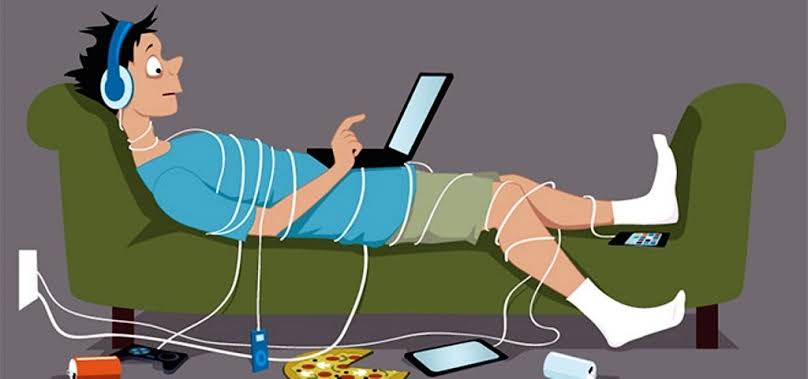
The problem of addiction to gadgets has had a concrete and far-reaching impact on people's lives. From a physical standpoint, excessive use of gadgets such as smartphones, tablets, and gaming devices has led to an increase in sedentary behavior, resulting in a higher risk of obesity, musculoskeletal issues, and decreased overall physical health. Moreover, prolonged exposure to screens has disrupted sleep patterns, causing insomnia and fatigue. Psychologically, gadget addiction has been linked to anxiety, depression, and social isolation as individuals become engrossed in virtual interactions and detached from real-world relationships. The addictive nature of gadgets has also negatively affected productivity and concentration, leading to decreased academic and professional performance.
If things stay the same regarding gadget addiction, the negative impacts associated with it will continue to grow, affecting individuals' health, productivity, and overall well-being. In particular, we can expect to see an increase in sedentary behavior, obesity, and musculoskeletal issues, as well as a rise in mental health problems such as anxiety and depression. Social isolation may become more widespread, and there may be a decrease in real-world relationships as individuals become increasingly engrossed in virtual interactions. Financially, individuals may continue to experience financial strain due to the constant need for upgrades and online purchases. If things stay the same, the negative impacts of gadget addiction are likely to become more pronounced and widespread, affecting more people across different demographics.
Now is the time to act about addiction in gadgets because we are increasingly reliant on technology and gadgets in our daily lives. The proliferation of smartphones, tablets, and other digital devices has made them an integral part of modern life. While these gadgets offer many benefits and conveniences, they also pose a significant risk of addiction.
Research has shown that the excessive use of gadgets and digital devices can lead to addiction, which can have serious negative impacts on individuals' mental health, social relationships, and productivity. Moreover, the COVID-19 pandemic has increased our reliance on technology for remote work, education, and socialization, which has further exacerbated the problem.
Therefore, it is crucial to address the issue of addiction in gadgets now before it becomes a more significant problem. This can be done by raising awareness about the risks of excessive gadget use, promoting healthy habits and balance in the use of technology, and developing tools and resources to help people manage their use of gadgets and digital devices. By taking action now, we can help individuals develop a healthier relationship with technology and avoid the negative consequences of addiction.

The Issue
The problem of addiction to gadgets has had a concrete and far-reaching impact on people's lives. From a physical standpoint, excessive use of gadgets such as smartphones, tablets, and gaming devices has led to an increase in sedentary behavior, resulting in a higher risk of obesity, musculoskeletal issues, and decreased overall physical health. Moreover, prolonged exposure to screens has disrupted sleep patterns, causing insomnia and fatigue. Psychologically, gadget addiction has been linked to anxiety, depression, and social isolation as individuals become engrossed in virtual interactions and detached from real-world relationships. The addictive nature of gadgets has also negatively affected productivity and concentration, leading to decreased academic and professional performance.
If things stay the same regarding gadget addiction, the negative impacts associated with it will continue to grow, affecting individuals' health, productivity, and overall well-being. In particular, we can expect to see an increase in sedentary behavior, obesity, and musculoskeletal issues, as well as a rise in mental health problems such as anxiety and depression. Social isolation may become more widespread, and there may be a decrease in real-world relationships as individuals become increasingly engrossed in virtual interactions. Financially, individuals may continue to experience financial strain due to the constant need for upgrades and online purchases. If things stay the same, the negative impacts of gadget addiction are likely to become more pronounced and widespread, affecting more people across different demographics.
Now is the time to act about addiction in gadgets because we are increasingly reliant on technology and gadgets in our daily lives. The proliferation of smartphones, tablets, and other digital devices has made them an integral part of modern life. While these gadgets offer many benefits and conveniences, they also pose a significant risk of addiction.
Research has shown that the excessive use of gadgets and digital devices can lead to addiction, which can have serious negative impacts on individuals' mental health, social relationships, and productivity. Moreover, the COVID-19 pandemic has increased our reliance on technology for remote work, education, and socialization, which has further exacerbated the problem.
Therefore, it is crucial to address the issue of addiction in gadgets now before it becomes a more significant problem. This can be done by raising awareness about the risks of excessive gadget use, promoting healthy habits and balance in the use of technology, and developing tools and resources to help people manage their use of gadgets and digital devices. By taking action now, we can help individuals develop a healthier relationship with technology and avoid the negative consequences of addiction.
Petition Closed
Share this petition
Petition Updates
Share this petition
Petition created on May 11, 2023