

End Hay Burning - Create Value, Not Pollution
The Issue
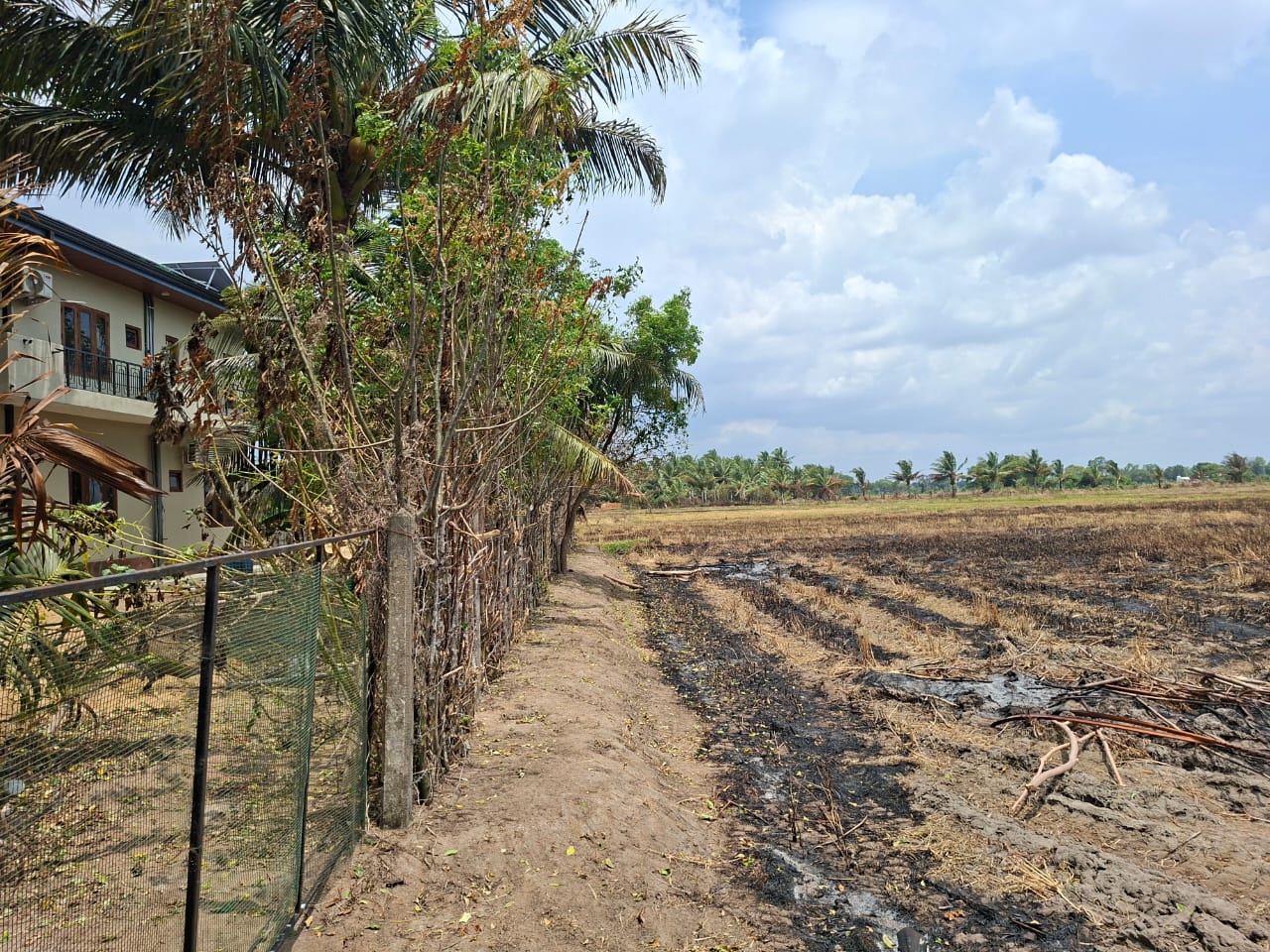
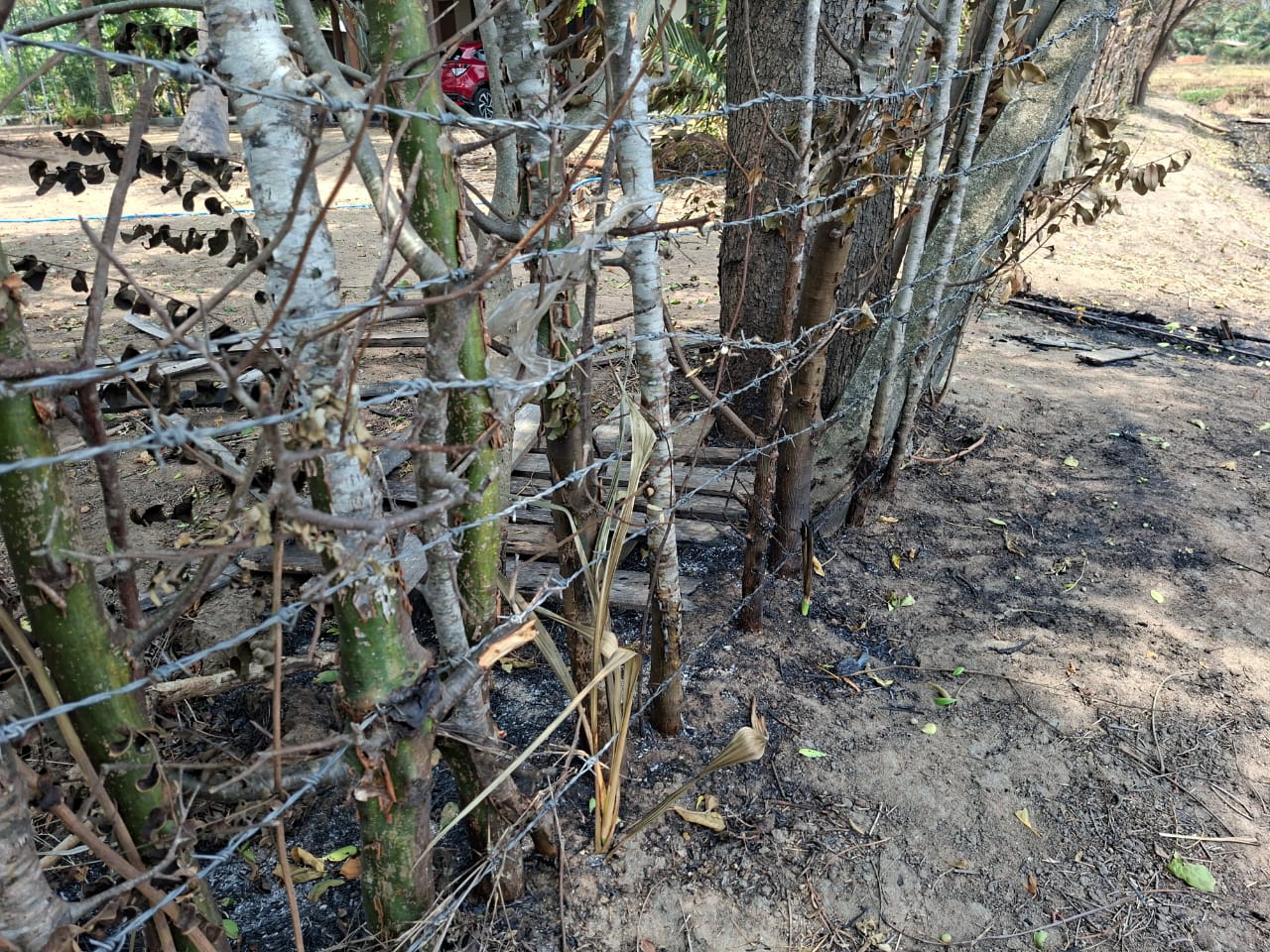
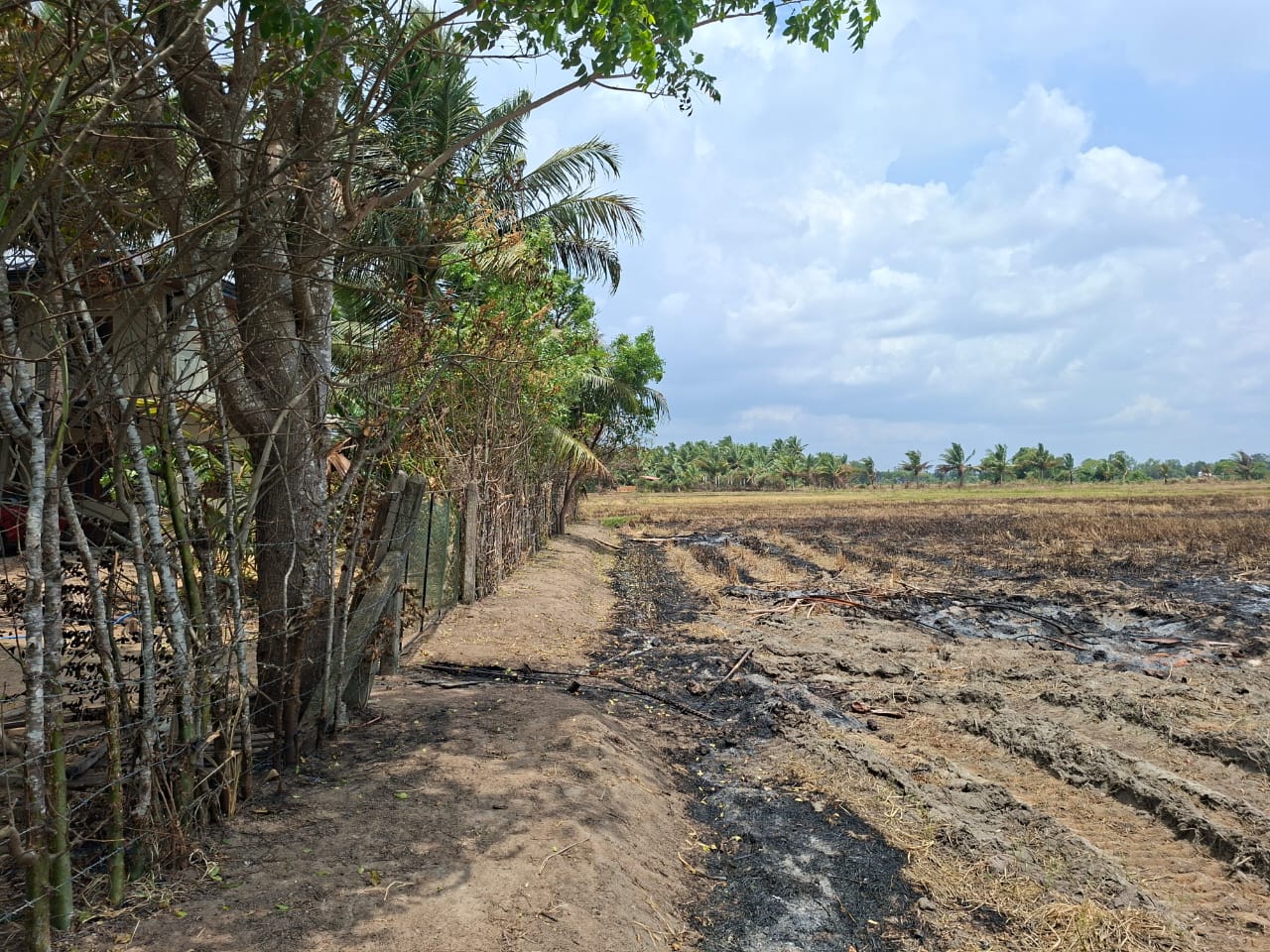
Burning large areas of hay or crops can have severe consequences for both environmental and public health. Some of the potential impacts include:
1.Environmental Consequences:
1. Air Pollution: Burning hay releases particulate matter, carbon monoxide, volatile organic compounds, and other pollutants into the air, contributing to poor air quality.
2. Climate Change: Burning biomass releases stored carbon into the atmosphere, exacerbating climate change.
3. Soil Degradation: Burning can damage soil health by killing beneficial microorganisms and reducing organic matter.
4. Loss of Biodiversity: Burning can harm local ecosystems, potentially killing wildlife and disrupting habitats.
2. Public Health Consequences:
1. Respiratory Issues: Poor air quality from burning hay can exacerbate respiratory conditions like asthma, bronchitis, and chronic obstructive pulmonary disease (COPD).
2. Cardiovascular Problems: Exposure to poor air quality can increase cardiovascular stress, potentially leading to heart attacks, strokes, and other cardiovascular events.
3. Increased Risk of Cancer: Long-term exposure to pollutants from burning hay may increase the risk of certain types of cancer.
4. Nuisance and Quality of Life: Burning hay can also cause nuisance issues, such as reduced visibility, unpleasant odors, and decreased quality of life for nearby residents.
-------------------------------------------------------------------------------
Alternatives to Burning:
1. Composting: Composting hay can help reduce waste, create nutrient-rich soil amendments, and support sustainable agriculture.
2. Mulching: Mulching hay can help retain soil moisture, suppress weeds, and reduce the need for synthetic fertilizers.
3. Animal Feed or Bedding: Hay can be repurposed as animal feed or bedding, reducing waste and supporting local livestock producers.
Considering these alternatives and implementing sustainable practices can help mitigate the negative consequences of burning hay and promote a healthier environment and community.
---------------------------------------------------------------------------------
---------------------------------------------------------------------------
Let's dive deeper into implementing these alternatives and exploring other sustainable practices.
Implementing Alternatives:
1. Cattle Feed: Partner with local farmers or livestock producers to supply hay as feed. Ensure proper storage and handling to maintain quality.
2. Biochar Production: Invest in biochar production technology or partner with companies that specialize in biochar production. Explore uses for biochar in agriculture, water filtration, and environmental remediation.
3. Paper and Cardboard Production: Collaborate with paper mills or manufacturers that can process hay fibers into paper and cardboard products. Develop sustainable supply chains and product lines.
Other Sustainable Practices:
1. Composting: Convert hay waste into nutrient-rich compost for agriculture or landscaping.
2. Mushroom Cultivation: Use hay as a substrate for mushroom cultivation, promoting sustainable agriculture and food production.
3. Biogas Production: Anaerobically digest hay to produce biogas, a renewable energy source.
Benefits:
1. Reduced Waste: Divert hay from landfills and burning, reducing environmental pollution.
2. Economic Opportunities: Create new revenue streams through sustainable products and services.
3. Environmental Benefits: Promote carbon sequestration, soil health, and biodiversity through sustainable practices.
Next Steps:
1. Assess Feasibility: Evaluate the economic, environmental, and social feasibility of implementing these alternatives.
2. Develop Partnerships: Collaborate with stakeholders, including farmers, manufacturers, and local communities.
3. Invest in Technology: Explore technologies that support sustainable hay management, such as biochar production or biogas generation.
Would you like to explore specific aspects of implementation or discuss potential challenges and opportunities?

26
The Issue
Burning large areas of hay or crops can have severe consequences for both environmental and public health. Some of the potential impacts include:
1.Environmental Consequences:
1. Air Pollution: Burning hay releases particulate matter, carbon monoxide, volatile organic compounds, and other pollutants into the air, contributing to poor air quality.
2. Climate Change: Burning biomass releases stored carbon into the atmosphere, exacerbating climate change.
3. Soil Degradation: Burning can damage soil health by killing beneficial microorganisms and reducing organic matter.
4. Loss of Biodiversity: Burning can harm local ecosystems, potentially killing wildlife and disrupting habitats.
2. Public Health Consequences:
1. Respiratory Issues: Poor air quality from burning hay can exacerbate respiratory conditions like asthma, bronchitis, and chronic obstructive pulmonary disease (COPD).
2. Cardiovascular Problems: Exposure to poor air quality can increase cardiovascular stress, potentially leading to heart attacks, strokes, and other cardiovascular events.
3. Increased Risk of Cancer: Long-term exposure to pollutants from burning hay may increase the risk of certain types of cancer.
4. Nuisance and Quality of Life: Burning hay can also cause nuisance issues, such as reduced visibility, unpleasant odors, and decreased quality of life for nearby residents.
-------------------------------------------------------------------------------
Alternatives to Burning:
1. Composting: Composting hay can help reduce waste, create nutrient-rich soil amendments, and support sustainable agriculture.
2. Mulching: Mulching hay can help retain soil moisture, suppress weeds, and reduce the need for synthetic fertilizers.
3. Animal Feed or Bedding: Hay can be repurposed as animal feed or bedding, reducing waste and supporting local livestock producers.
Considering these alternatives and implementing sustainable practices can help mitigate the negative consequences of burning hay and promote a healthier environment and community.
---------------------------------------------------------------------------------
---------------------------------------------------------------------------
Let's dive deeper into implementing these alternatives and exploring other sustainable practices.
Implementing Alternatives:
1. Cattle Feed: Partner with local farmers or livestock producers to supply hay as feed. Ensure proper storage and handling to maintain quality.
2. Biochar Production: Invest in biochar production technology or partner with companies that specialize in biochar production. Explore uses for biochar in agriculture, water filtration, and environmental remediation.
3. Paper and Cardboard Production: Collaborate with paper mills or manufacturers that can process hay fibers into paper and cardboard products. Develop sustainable supply chains and product lines.
Other Sustainable Practices:
1. Composting: Convert hay waste into nutrient-rich compost for agriculture or landscaping.
2. Mushroom Cultivation: Use hay as a substrate for mushroom cultivation, promoting sustainable agriculture and food production.
3. Biogas Production: Anaerobically digest hay to produce biogas, a renewable energy source.
Benefits:
1. Reduced Waste: Divert hay from landfills and burning, reducing environmental pollution.
2. Economic Opportunities: Create new revenue streams through sustainable products and services.
3. Environmental Benefits: Promote carbon sequestration, soil health, and biodiversity through sustainable practices.
Next Steps:
1. Assess Feasibility: Evaluate the economic, environmental, and social feasibility of implementing these alternatives.
2. Develop Partnerships: Collaborate with stakeholders, including farmers, manufacturers, and local communities.
3. Invest in Technology: Explore technologies that support sustainable hay management, such as biochar production or biogas generation.
Would you like to explore specific aspects of implementation or discuss potential challenges and opportunities?
The Decision Makers
Petition Updates
Share this petition
Petition created on 3 September 2025