BUILD: Funding to Supercharge Wildlife Camera Traps with AI Tech

BUILD: Funding to Supercharge Wildlife Camera Traps with AI Tech
The issue
Boost Funding for Wildlife Monitoring Through Camera Traps
We are reaching out to call for increased funding and support for a critical initiative: the use of camera traps and AI in wildlife conservation.
The Australian Wildlife Conservancy has made remarkable strides with a project that uses these technologies to differentiate between native species and invasive ones, crucial for protecting our natural heritage.
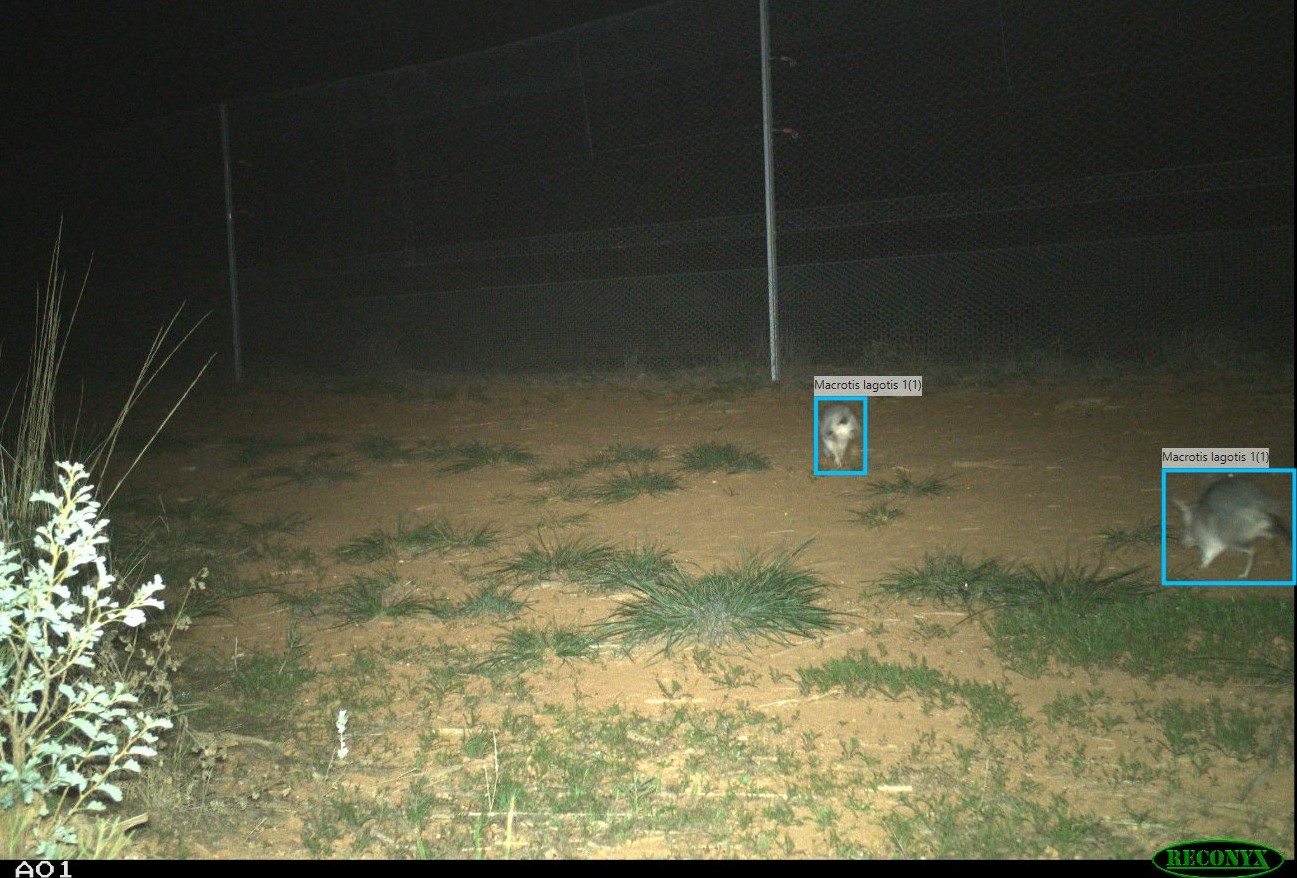
The AI model developed by Australian Wildlife Conservancy identifies two animals in a camera-trap image as bilbies. Image courtesy of Australian Wildlife Conservancy.
Despite the strides made with a recent government grant, there is a pressing need to expand this project.
Camera traps, paired with AI, offer a fast and accurate way to monitor wildlife, identifying dozens of species and alerting conservationists to the presence of harmful invasive species.
This technology is our eyes in the most remote parts of our wilderness, working tirelessly to safeguard the creatures that call it home.
Why is this important?
Camera traps don’t just snap pretty pictures. They are vital for tracking the health and movement of species, many of which are threatened.
By identifying invasive species early, we can take action to protect our native wildlife before it’s too late. This isn’t just about animals; it’s about preserving the balance of our ecosystems.
However, this incredible work is bottlenecked by funding.
More funds mean more cameras, better AI training, and ultimately, a richer understanding and stronger protection of our biodiversity.
Your support can make a difference.
By backing this call for more funding, you’re standing up for our wildlife and wild places.
Let’s ensure the Australian Wildlife Conservancy and similar efforts worldwide have the resources they need to keep our planet vibrant and diverse for generations to come.
Together, we can protect our natural world. Thank you for your support.
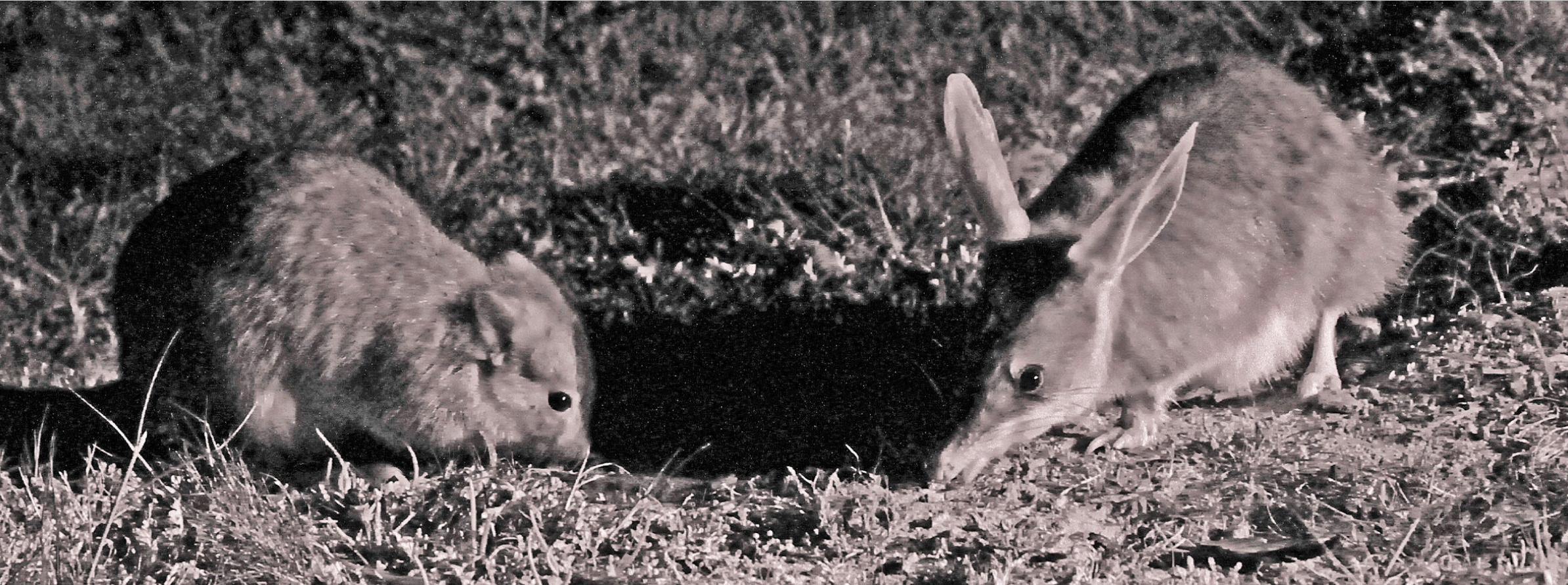
A Boodie (Bettongia lesueur) and a Bilby (Macrotis lagotis), two Australian marsupials. Image by Philip Bouchard via Flickr (CC BY-NC-ND 2.0).
Background
In the realm of wildlife conservation, the recent strides made by the Australian Wildlife Conservancy (AWC) stand as a beacon of innovation and hope.
With the assistance of a generous A$750,000 grant from the Australian government, the AWC has embarked on a pioneering project employing artificial intelligence (AI) to sift through camera trap images, discerning native Australian species from invasive ones.
This initiative not only showcases the merging of technology and conservation efforts but also opens new avenues for protecting biodiversity in Australia and potentially around the globe.
The funding boost is a significant milestone for the AWC's project, which began with the ambitious goal of leveraging AI to automate the identification of wildlife captured in camera trap photos.
This technology addresses a critical bottleneck in conservation efforts: the labor-intensive process of manually reviewing thousands of images to spot rare or invasive species.
By training the AI model to recognize 44 species, including iconic Australian animals like kangaroos and dingoes as well as invasive species like cats and foxes, the AWC has laid the groundwork for a scalable solution to monitor and protect diverse ecosystems.
The potential use cases for this technology are vast. One immediate application is in the real-time monitoring of invasive species.
Invasive species pose a significant threat to native wildlife, often outcompeting them for resources or preying on them directly.
The AI's ability to promptly identify these invaders allows for quicker management actions, ranging from trapping to more targeted conservation strategies, thereby mitigating their impact on native populations.
Moreover, this approach can vastly improve the monitoring of species recovery efforts.
For species on the brink of extinction or those affected by habitat loss, real-time data on population sizes and health can guide conservation strategies, adjust protection measures, and even inform policy decisions at a national or global level.
The implications extend beyond immediate conservation needs.
By gathering and analysing extensive data on wildlife movements and populations, scientists can study ecological patterns, understand the impacts of climate change, and predict future challenges to biodiversity.
This can lead to proactive, rather than reactive, conservation strategies.
This project also serves as a model for global conservation efforts.
The technology, once perfected, can be adapted to different regions and ecosystems, offering a cost-effective and efficient method to monitor wildlife worldwide.
It showcases the importance of interdisciplinary collaboration—bringing together technologists, ecologists, and policymakers—to address some of the most pressing environmental challenges of our time.
The AWC's initiative, empowered by governmental support, exemplifies how strategic funding can be the catalyst for significant advancements in conservation technology.
It's a reminder of the critical role of innovation in safeguarding our planet's future, demonstrating that with the right support and resources, we can find new ways to protect and preserve our natural world for future generations.
Camera traps and AI have played significant roles in wildlife conservation, offering insights into animal behavior, population trends, and the presence of endangered or invasive species with minimal disturbance to natural habitats.
- African Golden Cat in Gabon: Camera traps captured rare footage of this elusive cat, providing valuable data on its behavior and habitat use, crucial for conservation planning.
- Giant Armadillo in Brazil: In the Pantanal, camera traps helped document the presence and ecological role of the world's largest armadillo, indicating its burrows shelter other species.
- AI-Enabled Wildlife Identification Project: The Australian Wildlife Conservancy has developed an AI model to distinguish between native and invasive species from camera trap images. This project received significant support from the government, with a A$750,000 grant, and aims to scale up the model to identify up to 120 species. The technology also plays a vital role in alerting land managers about the presence of invasive species, contributing significantly to conservation efforts.
- Eyes on Recovery Initiative: Following the catastrophic wildfires that swept through Australia's coasts, the Eyes on Recovery program, supported by WWF-Australia, WWF-US, and Conservation International with funding from Google.org, launched an extensive post-fire monitoring program. It deployed over 1,100 cameras across eight fire-affected regions, capturing over 7 million images to track wildlife recovery. This initiative uses AI through the Wildlife Insights cloud platform to sort and analyze images, aiding in the recovery and management of species like the Kangaroo Island dunnart, brush-tailed rock wallabies, and koalas. The technology has enabled more effective management of invasive species and informed the timing and location of prescribed burns.
- Daintree Rainforest: In the Daintree Rainforest, feral pigs are recognized as significant pests due to their environmental and economic impacts. They disrupt soil and affect plant regeneration through their rooting behavior. Various management methods, including trapping, hunting, and poison baiting, have been explored to mitigate their effects. However, poison baiting in rainforests is limited due to potential risks to native fauna. This study aims to understand the ecological impacts of feral pigs and assess baiting methods that minimize impacts on native species.
These examples illustrate not only the diverse applications of camera traps and AI in wildlife monitoring but also their potential to enhance conservation efforts by providing accurate, real-time data.
This technology enables researchers to observe and analyse wildlife without intruding into their natural habitats, offering a non-invasive method to gather critical information.
The integration of AI speeds up the processing and analysis of the vast data camera traps collect, allowing conservationists to make informed decisions and take timely action to protect vulnerable species and ecosystems.

63
The issue
Boost Funding for Wildlife Monitoring Through Camera Traps
We are reaching out to call for increased funding and support for a critical initiative: the use of camera traps and AI in wildlife conservation.
The Australian Wildlife Conservancy has made remarkable strides with a project that uses these technologies to differentiate between native species and invasive ones, crucial for protecting our natural heritage.
The AI model developed by Australian Wildlife Conservancy identifies two animals in a camera-trap image as bilbies. Image courtesy of Australian Wildlife Conservancy.
Despite the strides made with a recent government grant, there is a pressing need to expand this project.
Camera traps, paired with AI, offer a fast and accurate way to monitor wildlife, identifying dozens of species and alerting conservationists to the presence of harmful invasive species.
This technology is our eyes in the most remote parts of our wilderness, working tirelessly to safeguard the creatures that call it home.
Why is this important?
Camera traps don’t just snap pretty pictures. They are vital for tracking the health and movement of species, many of which are threatened.
By identifying invasive species early, we can take action to protect our native wildlife before it’s too late. This isn’t just about animals; it’s about preserving the balance of our ecosystems.
However, this incredible work is bottlenecked by funding.
More funds mean more cameras, better AI training, and ultimately, a richer understanding and stronger protection of our biodiversity.
Your support can make a difference.
By backing this call for more funding, you’re standing up for our wildlife and wild places.
Let’s ensure the Australian Wildlife Conservancy and similar efforts worldwide have the resources they need to keep our planet vibrant and diverse for generations to come.
Together, we can protect our natural world. Thank you for your support.
A Boodie (Bettongia lesueur) and a Bilby (Macrotis lagotis), two Australian marsupials. Image by Philip Bouchard via Flickr (CC BY-NC-ND 2.0).
Background
In the realm of wildlife conservation, the recent strides made by the Australian Wildlife Conservancy (AWC) stand as a beacon of innovation and hope.
With the assistance of a generous A$750,000 grant from the Australian government, the AWC has embarked on a pioneering project employing artificial intelligence (AI) to sift through camera trap images, discerning native Australian species from invasive ones.
This initiative not only showcases the merging of technology and conservation efforts but also opens new avenues for protecting biodiversity in Australia and potentially around the globe.
The funding boost is a significant milestone for the AWC's project, which began with the ambitious goal of leveraging AI to automate the identification of wildlife captured in camera trap photos.
This technology addresses a critical bottleneck in conservation efforts: the labor-intensive process of manually reviewing thousands of images to spot rare or invasive species.
By training the AI model to recognize 44 species, including iconic Australian animals like kangaroos and dingoes as well as invasive species like cats and foxes, the AWC has laid the groundwork for a scalable solution to monitor and protect diverse ecosystems.
The potential use cases for this technology are vast. One immediate application is in the real-time monitoring of invasive species.
Invasive species pose a significant threat to native wildlife, often outcompeting them for resources or preying on them directly.
The AI's ability to promptly identify these invaders allows for quicker management actions, ranging from trapping to more targeted conservation strategies, thereby mitigating their impact on native populations.
Moreover, this approach can vastly improve the monitoring of species recovery efforts.
For species on the brink of extinction or those affected by habitat loss, real-time data on population sizes and health can guide conservation strategies, adjust protection measures, and even inform policy decisions at a national or global level.
The implications extend beyond immediate conservation needs.
By gathering and analysing extensive data on wildlife movements and populations, scientists can study ecological patterns, understand the impacts of climate change, and predict future challenges to biodiversity.
This can lead to proactive, rather than reactive, conservation strategies.
This project also serves as a model for global conservation efforts.
The technology, once perfected, can be adapted to different regions and ecosystems, offering a cost-effective and efficient method to monitor wildlife worldwide.
It showcases the importance of interdisciplinary collaboration—bringing together technologists, ecologists, and policymakers—to address some of the most pressing environmental challenges of our time.
The AWC's initiative, empowered by governmental support, exemplifies how strategic funding can be the catalyst for significant advancements in conservation technology.
It's a reminder of the critical role of innovation in safeguarding our planet's future, demonstrating that with the right support and resources, we can find new ways to protect and preserve our natural world for future generations.
Camera traps and AI have played significant roles in wildlife conservation, offering insights into animal behavior, population trends, and the presence of endangered or invasive species with minimal disturbance to natural habitats.
- African Golden Cat in Gabon: Camera traps captured rare footage of this elusive cat, providing valuable data on its behavior and habitat use, crucial for conservation planning.
- Giant Armadillo in Brazil: In the Pantanal, camera traps helped document the presence and ecological role of the world's largest armadillo, indicating its burrows shelter other species.
- AI-Enabled Wildlife Identification Project: The Australian Wildlife Conservancy has developed an AI model to distinguish between native and invasive species from camera trap images. This project received significant support from the government, with a A$750,000 grant, and aims to scale up the model to identify up to 120 species. The technology also plays a vital role in alerting land managers about the presence of invasive species, contributing significantly to conservation efforts.
- Eyes on Recovery Initiative: Following the catastrophic wildfires that swept through Australia's coasts, the Eyes on Recovery program, supported by WWF-Australia, WWF-US, and Conservation International with funding from Google.org, launched an extensive post-fire monitoring program. It deployed over 1,100 cameras across eight fire-affected regions, capturing over 7 million images to track wildlife recovery. This initiative uses AI through the Wildlife Insights cloud platform to sort and analyze images, aiding in the recovery and management of species like the Kangaroo Island dunnart, brush-tailed rock wallabies, and koalas. The technology has enabled more effective management of invasive species and informed the timing and location of prescribed burns.
- Daintree Rainforest: In the Daintree Rainforest, feral pigs are recognized as significant pests due to their environmental and economic impacts. They disrupt soil and affect plant regeneration through their rooting behavior. Various management methods, including trapping, hunting, and poison baiting, have been explored to mitigate their effects. However, poison baiting in rainforests is limited due to potential risks to native fauna. This study aims to understand the ecological impacts of feral pigs and assess baiting methods that minimize impacts on native species.
These examples illustrate not only the diverse applications of camera traps and AI in wildlife monitoring but also their potential to enhance conservation efforts by providing accurate, real-time data.
This technology enables researchers to observe and analyse wildlife without intruding into their natural habitats, offering a non-invasive method to gather critical information.
The integration of AI speeds up the processing and analysis of the vast data camera traps collect, allowing conservationists to make informed decisions and take timely action to protect vulnerable species and ecosystems.
63
The Decision Makers

Petition Updates
Share this petition
Petition created on 26 March 2024