Ban ALPR and Flock cameras in Mississippi
The Issue
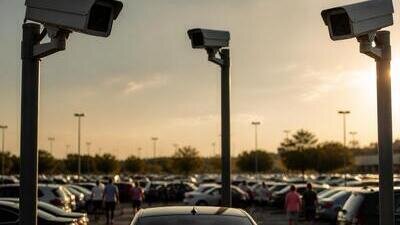
Recently, I went on a simple trip to Lowe's in Mississippi, and what I saw there changed my perspective on privacy significantly. As I parked my car, I noticed three Flock Safety cameras mounted in the parking lot. My curiosity was piqued, and thereafter, I began to see similar devices popping up all over town. Alarmed by this seemingly rampant surveillance, I decided to do some research, and what I found was deeply concerning.
The deployment of Automatic License Plate Readers (ALPR) and flock cameras across the state of Mississippi represents a significant invasion of privacy, infringing upon the Fourth Amendment rights of citizens. Guaranteed by the U.S. Constitution, the Fourth Amendment protects American citizens against unreasonable searches and seizures, ensuring our right to privacy. The presence of these cameras covertly collecting our data without consent, through a privately owned company and sold to, not only law enforcement, but also over 5,000 private sector groups, feels like a betrayal, a sentiment echoed in the landmark case of Chatrie v. United States. On June 29, 2026, the Supreme Court voted 6-3 highlighting the unconstitutional nature of such unwarranted surveillance stating that using a third-party company's digital location history constitutes a search under the fourth amendment. Meaning it needs a warrant.
With these devices capturing every moment, from the instant we leave our driveways to the time we return, they create a virtual tracking system gathering information on our whereabouts. This unchecked surveillance is not only a threat to our privacy but potentially endangers our freedom to move within our communities without the fear of government monitoring. Flock and ALPR companies have stated that the AI program not only captures your license plate, but also every dent, scratch, ding, and bumper sticker you have and adds it to your "profile".
Moreover, studies have shown that ALPR systems are susceptible to errors. These technical inaccuracies often lead to wrongful allegations and can cast unjust suspicion, affecting individuals who have not committed any crime. Such errors reveal the pressing need for more robust oversight if technology is to intersect with our everyday life. This was demonstrated when a mother and her child were held at gunpoint, by officers in Colorado, after the AI system flagged her vehicle as stolen and notified law enforcement.
Another concerning aspect is the security of the data collected. Who has access to this information? How is it being used, stored, or shared? Can we trust corporations to manage this sensitive data responsibly, especially considering the rising frequency of data breaches? Currently over 7,000 law enforcement groups and over 5,000 private sector groups are customers of Flock and other ALPR programs. Spanning anywhere from corporations to homeowner associations.
By banning these surveillance systems in Mississippi, we can prevent infringement on personal freedoms while also encouraging a conversation about the kind of surveillance laws that genuinely honor citizens’ rights and foster trust within the community. Even recently the mayor of Los Angeles called for the disbandment and disuse of Flock and other ALPR cameras saying it "violates the trust of the citizens."
It's time to take a stand and urge the decision-makers in Mississippi to reassess the use of ALPR and flock cameras. We need to protect our constitutional rights and insist on transparency and accountability from those collecting our data. Especially something we did not ask for or consent to.
Join us in calling for an immediate ban on these invasive surveillance technologies in Mississippi. Sign this petition to protect our rights and preserve our freedom.

236
The Issue
Recently, I went on a simple trip to Lowe's in Mississippi, and what I saw there changed my perspective on privacy significantly. As I parked my car, I noticed three Flock Safety cameras mounted in the parking lot. My curiosity was piqued, and thereafter, I began to see similar devices popping up all over town. Alarmed by this seemingly rampant surveillance, I decided to do some research, and what I found was deeply concerning.
The deployment of Automatic License Plate Readers (ALPR) and flock cameras across the state of Mississippi represents a significant invasion of privacy, infringing upon the Fourth Amendment rights of citizens. Guaranteed by the U.S. Constitution, the Fourth Amendment protects American citizens against unreasonable searches and seizures, ensuring our right to privacy. The presence of these cameras covertly collecting our data without consent, through a privately owned company and sold to, not only law enforcement, but also over 5,000 private sector groups, feels like a betrayal, a sentiment echoed in the landmark case of Chatrie v. United States. On June 29, 2026, the Supreme Court voted 6-3 highlighting the unconstitutional nature of such unwarranted surveillance stating that using a third-party company's digital location history constitutes a search under the fourth amendment. Meaning it needs a warrant.
With these devices capturing every moment, from the instant we leave our driveways to the time we return, they create a virtual tracking system gathering information on our whereabouts. This unchecked surveillance is not only a threat to our privacy but potentially endangers our freedom to move within our communities without the fear of government monitoring. Flock and ALPR companies have stated that the AI program not only captures your license plate, but also every dent, scratch, ding, and bumper sticker you have and adds it to your "profile".
Moreover, studies have shown that ALPR systems are susceptible to errors. These technical inaccuracies often lead to wrongful allegations and can cast unjust suspicion, affecting individuals who have not committed any crime. Such errors reveal the pressing need for more robust oversight if technology is to intersect with our everyday life. This was demonstrated when a mother and her child were held at gunpoint, by officers in Colorado, after the AI system flagged her vehicle as stolen and notified law enforcement.
Another concerning aspect is the security of the data collected. Who has access to this information? How is it being used, stored, or shared? Can we trust corporations to manage this sensitive data responsibly, especially considering the rising frequency of data breaches? Currently over 7,000 law enforcement groups and over 5,000 private sector groups are customers of Flock and other ALPR programs. Spanning anywhere from corporations to homeowner associations.
By banning these surveillance systems in Mississippi, we can prevent infringement on personal freedoms while also encouraging a conversation about the kind of surveillance laws that genuinely honor citizens’ rights and foster trust within the community. Even recently the mayor of Los Angeles called for the disbandment and disuse of Flock and other ALPR cameras saying it "violates the trust of the citizens."
It's time to take a stand and urge the decision-makers in Mississippi to reassess the use of ALPR and flock cameras. We need to protect our constitutional rights and insist on transparency and accountability from those collecting our data. Especially something we did not ask for or consent to.
Join us in calling for an immediate ban on these invasive surveillance technologies in Mississippi. Sign this petition to protect our rights and preserve our freedom.
The Decision Makers


Supporter Voices
Petition Updates
Share this petition
Petition created on August 13, 2026