Fight for reform: How to start a criminal justice petition

Fight for reform: How to start a criminal justice petition
A step-by-step guide to creating a petition for criminal justice issues like wrongful convictions, sentencing reform, police accountability, prison conditions, and bail reform.In 2024, there were just 10 days when no police-related deaths were recorded in the U.S., according to Mapping Police Violence.
The criminal justice system affects millions of lives, yet it remains plagued by systemic issues such as wrongful convictions, sentencing disparities, and police misconduct.
Advocacy can play a crucial role in pushing for reforms that ensure fairness, accountability, and justice.
An effective way to amplify public support and drive change is through petitions. Petitions have historically contributed to policy shifts, exonerations, and the repeal of unjust laws.
This guide provides a step-by-step approach to launching an effective criminal justice petition with real-life examples and data to empower individuals seeking reform.
Why start a criminal justice petition?
Many petitions on Change.org have contributed to and directly resulted in significant criminal justice victories, from raising wide public awareness to granting clemency. Some of those include:
With over 19 million signatures, the petition asking for justice after the murder of George Floyd became one of the most signed petitions in history. It contributed to protests sparking worldwide and policy discussions on police reform.
Breonna Taylor was killed by the police after a raid in her home. A petition calling for justice became the second most signed.
Kevin Strickland was wrongfully imprisoned in 1979 at the age of 18. A petition was started at the end of June 2021 to exonerate him, which he was granted in November 2021.
Following 23 years in prison for two robberies, a petition was started in October 2017 asking for clemency for Bryon Russ. With almost 6,000 signatures, Russ was released in May 2018.

Some key areas where petitions can make a significant impact include:
Wrongful convictions
Exoneration, when the conviction for a crime is reversed, is a key focus area in criminal justice reform.
According to the U.S. National Registry of Exonerations, over 3,650 people have been exonerated since 1989. In total, those people lost more than 32,750 years serving sentences for crimes they did not commit.
Sentencing reform
Harsh sentencing laws, especially for nonviolent offences, have contributed to mass incarceration in the U.S.
The Sentencing Project reports that the U.S. “ranks among the highest worldwide in its dependence on incarceration,” with over five million people under supervision by the criminal legal system. They also emphasize the racial disparity, reporting that nearly seven in 10 people in prison are people of color.
Police accountability
Police misconduct and excessive force continue to be major concerns in 2025. According to Mapping Police Violence, U.S. law enforcement officers killed 1,364 people in 2024, up from 1,358 in 2023.
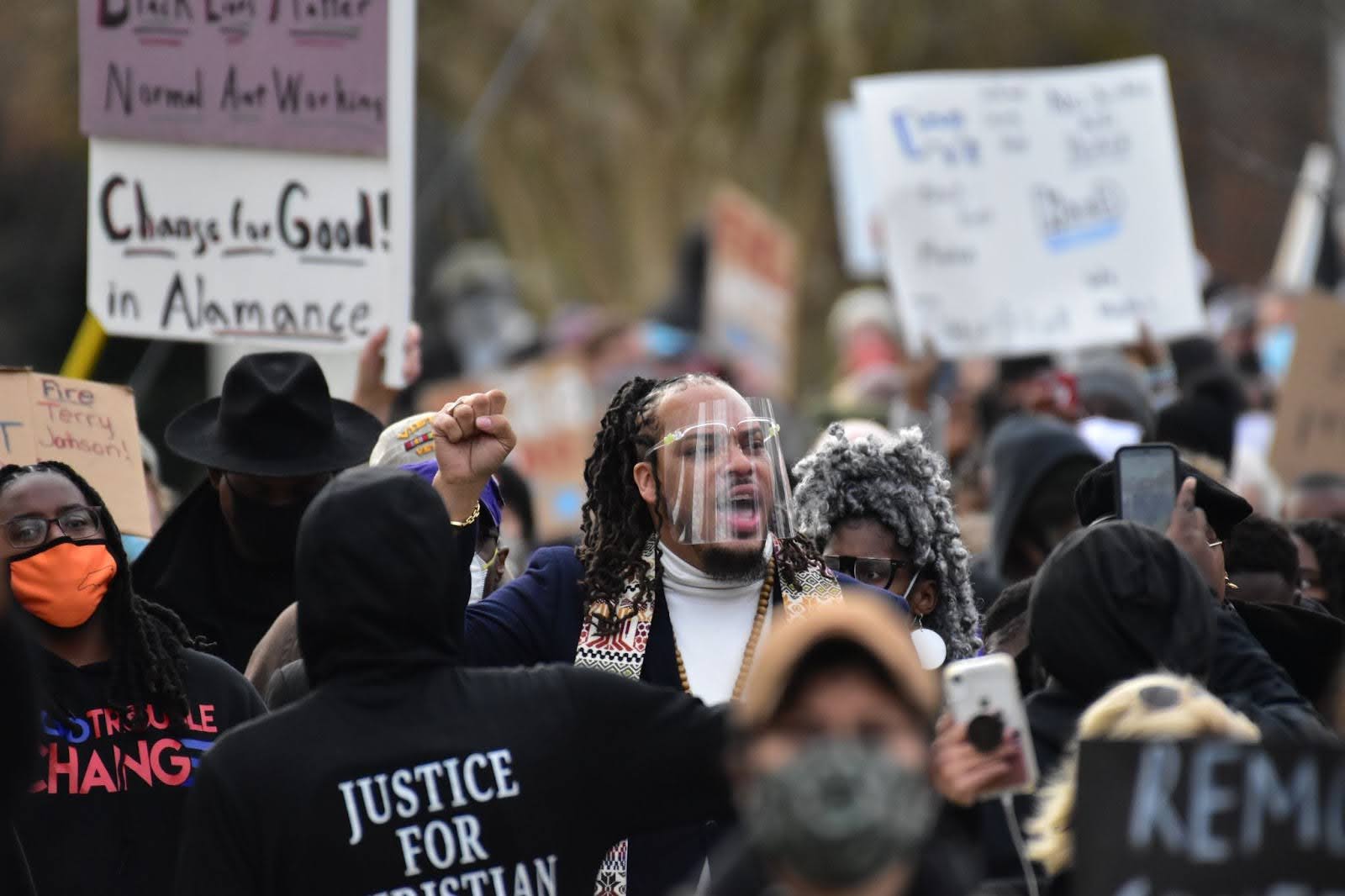
Petitions have helped drive policy changes, such as banning chokeholds in many states, especially after the killing of George Floyd. His unnecessary death sparked worldwide protests.
Prison conditions
Many U.S. prisons suffer from overcrowding, inadequate healthcare, and human rights violations.
According to the Prison Policy Initiative, the U.S. has the highest incarceration rate of any independent democracy in the world.
“In fact, many of the countries that rank alongside the least punitive U.S. states, such as Turkmenistan, Belarus, Russia, and Azerbaijan, have authoritarian or dictatorial governments, but the U.S. — the land of the free — still incarcerates more people per capita than almost every other nation,” reads their 2024 report.
Bail reform
Cash bail disproportionately affects low-income individuals, keeping people in jail for minor offenses simply because they cannot afford bail.
This can leave people in jail awaiting trial sometimes for months, or even years, while wealthy people who can afford bail can return home.
According to the Prison Policy Initiative, more than 400,000 people in the U.S. are currently being detained pretrial.
How to start a criminal justice petition
Following a few simple steps can help you maximize the chances of your petition’s ability to raise awareness and create tangible change. These guidelines will also ease the process and ensure your petition contains all the essential components.
1. Identify the issue you want to address
A well-defined issue increases the chances of victory of your petition. Rather than broadly advocating for criminal justice reform, focus on a specific, actionable demand.
For example, this petition started in February 2025, calls “for immediate action to ensure transparency, accountability, and justice within the Riverside County Sheriff's Department.”
The jail system in that California county is the deadliest in the U.S., as reported by the New York Times.
2. Research and build your case
Support your petition with statistics, legal precedents, expert opinions, and real-life stories and examples. Engaging directly with impacted individuals and criminal justice advocacy organizations can provide firsthand insights and enhance your petition’s strength.
Here are some valuable resources to gather data:
The Innocence Project: Focuses on wrongful convictions and exoneration efforts.
The Sentencing Project: Provides data on mass incarcerations and sentencing disparities.
Campaign Zero: Offers policy solutions for police reform.
Looking at previous petitions that have been successful can provide a strong blueprint. For example, if you want to start a petition asking for clemency for a prisoner, refer to Brion Russ’ clemency petition. This is a strong example of a petition that shares the detailed story of the incarcerated individual and his progress, resonating with supporters and decision makers.
3. Choose the right decision maker
Identifying who has the power to enact change is critical. This might be a state governor, district attorney, judge, police chief, or legislature.
Understanding the decision-making process and the stakeholders involved is crucial for launching an effective and successful petition. Researching their stance on criminal justice issues and past actions can help in crafting a compelling petition.
Once you’ve identified the right decision-maker, find their official contact details through:
Government websites (e.g., state legislature websites, city council directories, regulatory agency websites): Most officials have contact forms, phone numbers, and office addresses listed.
Legislative directories: Use sites like Congress.gov for federal lawmakers or state legislature websites for local representatives.
Advocacy organizations: Groups such as the ACLU or The Sentencing Project often track decision-makers and can help provide contact information for relevant petitions.
Social media and press releases: Many officials list their public email addresses or have press offices that handle inquiries.
4. Write and publish your petition
Having a petition with a clear structure is essential to gaining traction. Make sure to include these key elements:
Problem statement: Clearly define the issue, who it affects, and why it matters. Use compelling language and relevant data to illustrate the urgency.
Proposed solution: Specify the action you want the decision-maker to take. Keep it realistic, actionable, and results-oriented.
Call to action: Directly encourage people to sign and share your petition. Make it clear how their support can help drive change.
For example, the Riverside County petition clearly states the problem, what they seek to achieve, and encourages readers to sign the petition.
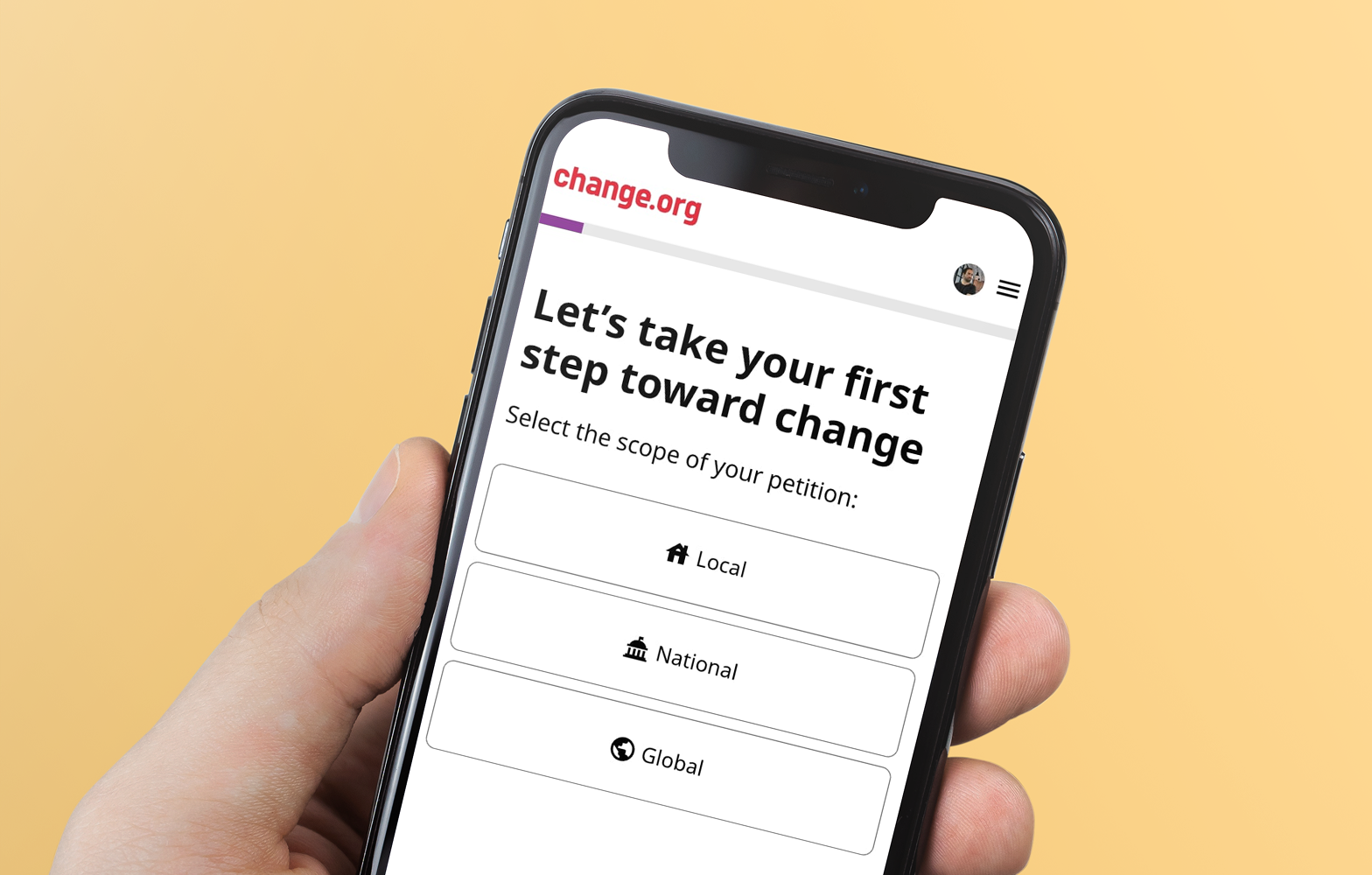
Draft your petition in a Google or Word document (or similar tool), or directly on Change.org. The Change.org platform is free, easy to use, and you can directly publish and share your petition with a huge global audience. When you create a petition on Change.org, you gain access to tools that help spread awareness, engage supporters, and even reach decision-makers directly.
5. Attract supporters and raise awareness
Leverage social media, advocacy organizations, and local communities to amplify your petitions. Engaging with journalists, activists, and influencers can further boost the visibility of your petitions.
For example, a petition in 2020 sought justice after the killing of 18-year-old Andrés Guardado by a Los Angeles County Sheriff deputy. It gained significant traction online and the Los Angeles County Board of Supervisors demanded an independent investigation into the shooting.
Reaching out to advocacy groups to support your petition, such as the ACLU and The Innocence Project, can also extend its reach and impact. Write a clear statement explaining the purpose of your petition and your shared goals with the organization.
Contacting journalists covering criminal justice via e-mail or social media with a compelling news hook could persuade them to cover your petition for further visibility.
6. Engage decision makers and apply pressure
Similarly, engaging directly with decision-makers ensures they are aware of your issue and the support you’ve gained through your petition. This can include sending emails and making phone calls, but also meeting with policymakers and their staff.
The more people you can recruit to help contact decision makers advocating for your petition, the more impact it will have. Organizing community actions like letter writing and phone calling campaigns, rallies, or attending town halls can also help maximize your efforts to pressure decision makers to take action.
7. Mobilize and boost momentum
Keeping up momentum is also key. With petitions on Change.org, you can include updates to keep your supporters up to speed on any developments, news coverage, upcoming meetings, and more. For example, the petition to pardon Kevin Strickland included several updates.
That way you can not only inform supporters of progress being made, but encourage further action and maintain engagement. Turn your petition signers into active advocates by giving them the opportunity to contact decision makers and participate in peaceful protests to grow your movement.
Start your petition to reform the criminal justice system on Change.org
Starting a criminal justice petition is a powerful way to advocate for change. By following these steps, engaging with relevant communities, and sharing real-world examples, individuals can push for meaningful reforms.
Even if they feel like small steps, increasing awareness of these important issues is an achievement of its own.
Your petition could be the next one to bring life-changing reform into the criminal justice system. Start one today on Change.org.