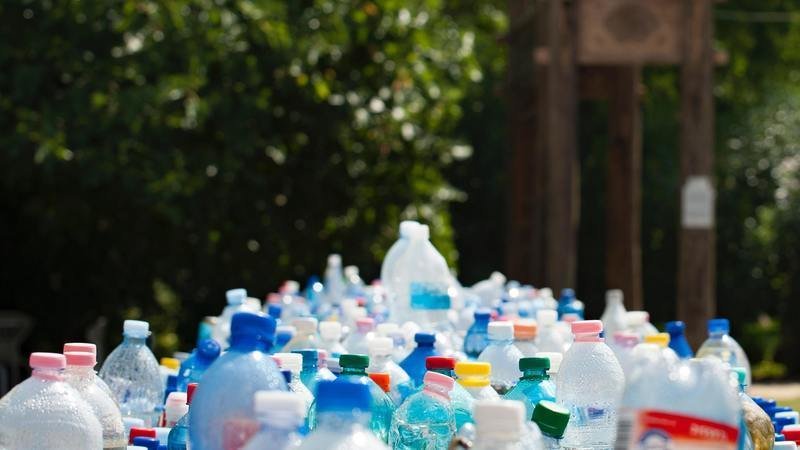
Plastic pollution refers to the accumulation of plastic products and particles in the environment, causing harm to ecosystems and wildlife. It primarily involves single-use plastics like straws, cutlery, rings, and carrier bags that are discarded and do not biodegrade easily, leading to widespread environmental contamination.
AI-generated content
Single-use plastics can be ingested by marine animals or entangle them, leading to injury or death. These plastics also degrade into microplastics, which contaminate water and food sources, disrupting marine ecosystems and threatening biodiversity.
AI-generated content
In places like Singapore, local actions include banning plastic straws and initiatives to make major sites, such as airports, straw-free. These efforts aim to reduce single-use plastic consumption at a local level as part of a broader response to global plastic waste.
AI-generated content
Establishing deadlines for all plastics to be recyclable encourages manufacturers and governments to improve recycling technologies and systems. This aims to reduce plastic waste by ensuring products can be processed and reused rather than accumulating in landfills or natural environments.
AI-generated content
Plastic pellets, used as raw materials in manufacturing, can spill into the ocean and contribute to pollution. These pellets pose a risk to marine animals if ingested and contribute to the larger problem of marine plastic debris. Regulatory bodies like the International Maritime Organisation are targeted to address and reduce such pollution.