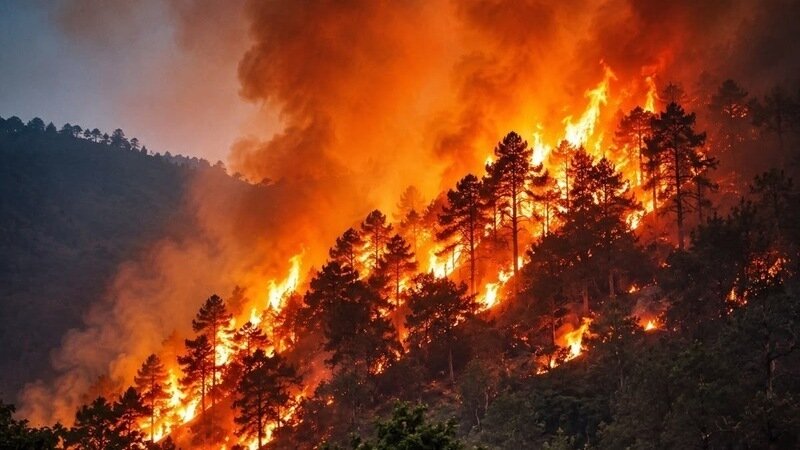
Climate change refers to significant and lasting changes in the Earth's climate patterns, primarily caused by human activities such as burning fossil fuels, deforestation, and pollution. It results in global warming, rising sea levels, altered weather patterns, and impacts on natural ecosystems and wildlife.
AI-generated content
Key environmental concerns tied to climate change include the destruction of natural habitats like rainforests, threats to wildlife such as polar bears, pollution, and the impact of offshore activities like blasting on marine ecosystems. These issues contribute to biodiversity loss and ecosystem disruption.
AI-generated content
Debates focus on whether governments should declare climate emergencies, restrict new fossil fuel developments, and implement stronger legal protections for trees and natural resources. Policymakers also consider the balance between economic growth and environmental preservation when addressing these challenges.
AI-generated content
Communities living near coasts and lakes, as well as the ecosystems in those areas, are affected by infrastructure projects that may lead to pollution or habitat destruction. These developments can threaten local biodiversity and disrupt the livelihoods of people relying on natural resources.