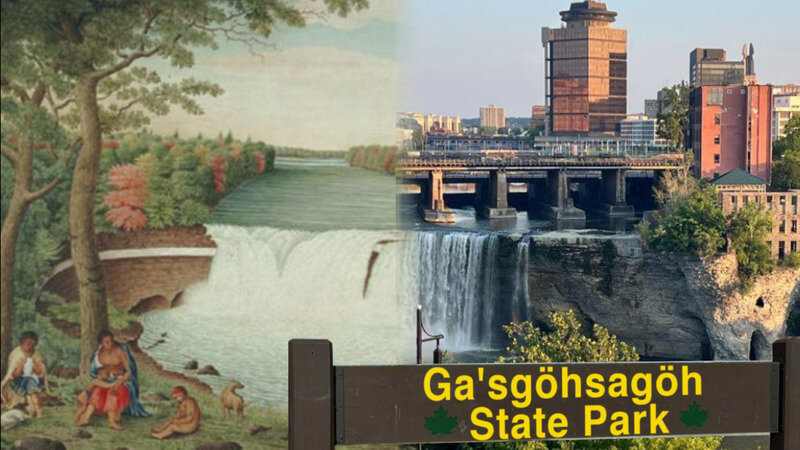
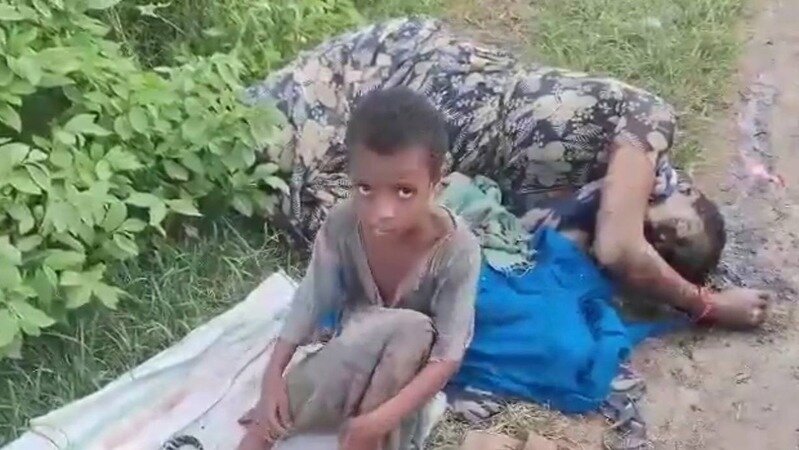
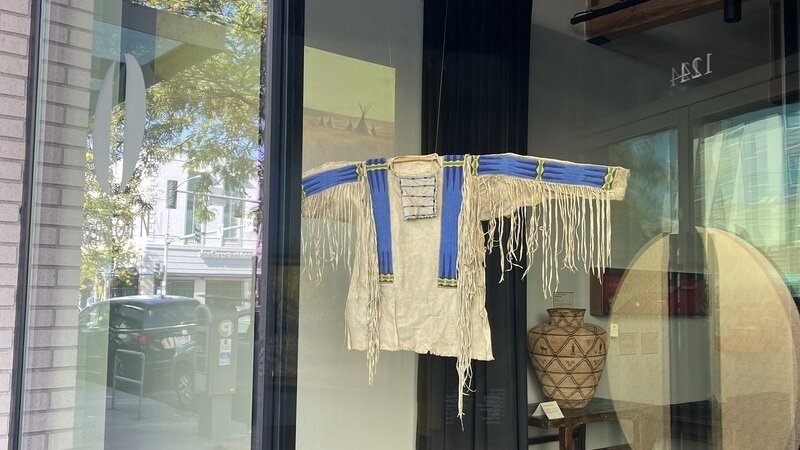
Indigenous Rights refer to the rights and protections afforded to Indigenous peoples concerning their cultural heritage, lands, environment, and legal status. These rights aim to preserve Indigenous communities' traditions, lands, and political autonomy while addressing historical injustices and ongoing challenges.
AI-generated content
The debate centers on environmental and cultural concerns, as many Indigenous groups oppose projects like the Willow oil drilling due to potential harm to their lands, ecosystems, and way of life. Supporters may argue for economic development and job creation, while opponents emphasize protection of Indigenous territories and sustainability.
AI-generated content
This issue affects Indigenous women and their families deeply, highlighting systemic problems such as violence, lack of adequate law enforcement response, and broader social inequalities. It has raised awareness about the need for justice and increased protection for Indigenous women communities.
AI-generated content
Some Indigenous communities raise concerns that certain business names misuse Indigenous words or symbols without permission, which can perpetuate stereotypes or disrespect their culture. This has led to calls for more respectful representation and acknowledgment of Indigenous heritage.
AI-generated content
Many advocate for stronger government action to uphold treaties, safeguard Indigenous lands, ensure meaningful consultation with Indigenous peoples on projects affecting them, and enforce laws that protect their cultural and environmental interests globally.