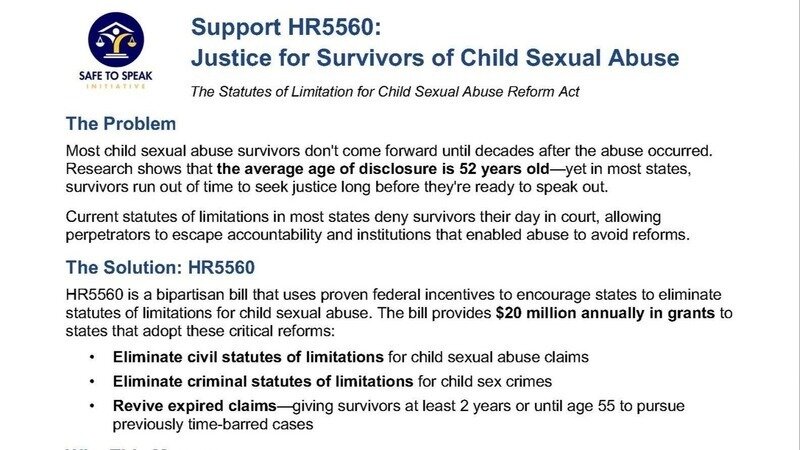
Child sexual abuse refers to any sexual activity forced upon a child by an adult or older individual. It involves exploiting a child's vulnerability for sexual gratification, which severely impacts the child's physical and psychological well-being.
AI-generated content
Legal challenges in prosecuting child sexual abuse often include the handling of evidence, ensuring the child's testimony is reliable and protected, and dealing with confidentiality agreements that may limit survivors' ability to speak out. Terminology used in courts and media can also affect perceptions and outcomes in these cases.
AI-generated content
Confidentiality agreements can restrict survivors from discussing their abuse publicly, which may hinder their healing process and limit awareness about the abuse. These agreements sometimes prevent survivors from speaking about their experiences or the details of settlements, posing challenges for advocacy and justice.
AI-generated content
Common demands include strengthening sex offender laws, imposing harsher penalties on perpetrators, improving evidence handling in trials, and refining legal and media terminology to better support victims. These measures aim to enhance prevention, ensure justice, and provide better care for survivors.