

wetlands
The Issue
Help us protect our wetlands
Wetlands help regulate floods, prevent coastal erosion and mitigate the effects of natural disasters like cyclones and tidal waves. These natural water-bodies act as sources of drinking water, recharge groundwater, support biodiversity and provide livelihood opportunities to a large number of people.
The problem:
In India, wetlands are polluted through agricultural runoff and discharge of untreated sewage and other waste from urban areas. Further, natural water bodies in the area are facing the threat of extinction. According to the estimates by Wetlands International South Asia (WISA), nearly 30 percent of the natural wetlands in India have been lost mainly to illegal construction, unsustainable urbanisation, agricultural expansion and pollution in the last three decades.
Kanwar lake in Begusarai, Bihar which has the distinction of being Asia’s largest oxbow lake has been shrinking rapidly since 2000. Potential coastal risks in West Bengal’s Sundarbans region include loss of land due to increased erosion, damage to coastal infrastructure, salinization of freshwater supplies etc. Furthermore, wetlands near urban areas are under increasing developmental pressure for residential, commercial and industrial facilities. As per a survey report published by Gurgaon Metropolitan Development Authority (GMDA), 153 water bodies in Gurugram alone are beyond revival and another 53 waterbodies face an imminent threat.
Solutions to protect wetlands:
Nature-based solutions are increasingly being recognised as an effective and cost-efficient way of reducing disaster risks, helping people adapt to climate change and building community resilience. It can range from minimal intervention, for example, protection of areas important for the delivery of ecosystem services to extensive management of ecosystems to even creating new and artificial ecosystems. They include protecting and restoring forests, the protection of mangroves and coral reefs, the conservation and restoration of wetlands and the creation of urban green spaces.
SEEDS has collaborated with Gurgaon Metropolitan Development Authority (GMDA) to revive and restore the Wazirabad lake in Gurugram, which is currently ongoing. But there is a need to revive the natural habitat in various other water bodies in the city.
Apart from Gurugram SEEDS is currently working to restore the Huvinayakanahalli lake in Bangalore as well as the Kanwar lake in Begusarai, Bihar. Our nature-based solutions in these areas aim to improve local livelihoods, enable farming communities to become more resilient to a changing climate and more.
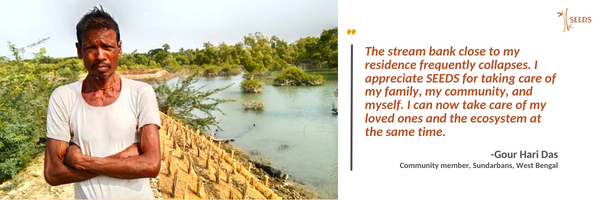
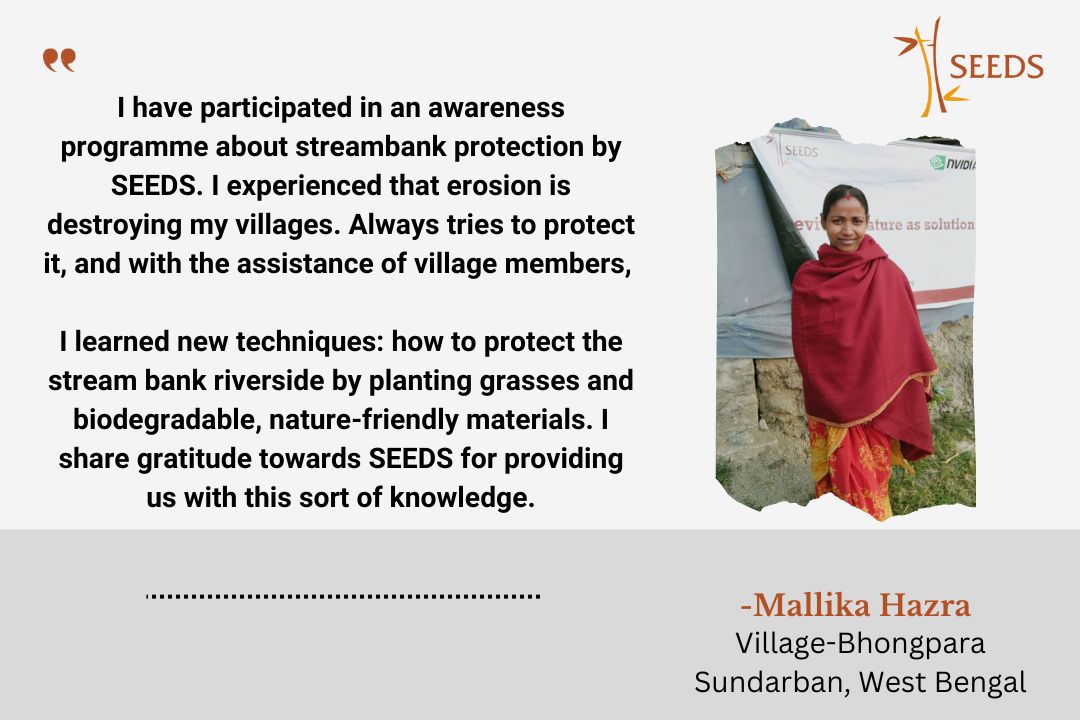
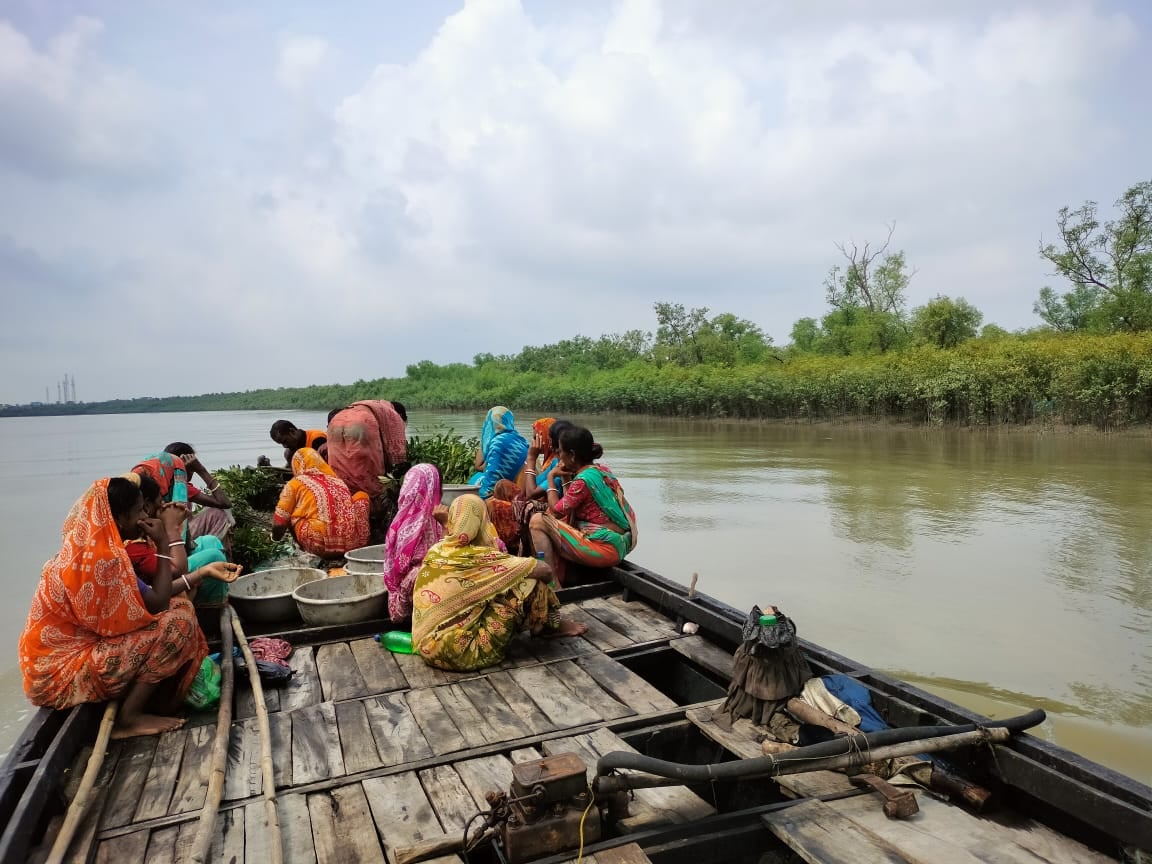
Similarly, the livelihood of the coastal communities living in Sundarbans region needs to be restored as the agriculture has been affected by ever increasing salinity and seawater-sulphate concentrations, caused by the decreased runoffs in the eastern rivers. The decrease in freshwater run-off has also affected mangrove growth. SEEDS, under its pilot initiative planted over 5000 mangroves in a village for the most marginalised women who are part of the Self-help groups (SHGs) and the coastal farming and fishing communities in order to maintain the natural ecosystem sand to derive manifold economic benefits that accrue from them.
Contribute in planting more mangroves!
https://en.gaonconnection.com/sundarbans-west-bengal-mangroves-environment-trees-plantation-women-empowerment-livelihood-climate-change-cyclones-amphan-yaas-42523/
For the overall conservation and management of wetlands, we seek effective collaborations amongst our community, scholars, professionals including the subject experts (Ecologists, Water Management Specialists) to decision-makers.
Join us in creating a future in which humans and nature not only survive but thrive together!
Sign the petition!

Petition Closed
The Issue
Help us protect our wetlands
Wetlands help regulate floods, prevent coastal erosion and mitigate the effects of natural disasters like cyclones and tidal waves. These natural water-bodies act as sources of drinking water, recharge groundwater, support biodiversity and provide livelihood opportunities to a large number of people.
The problem:
In India, wetlands are polluted through agricultural runoff and discharge of untreated sewage and other waste from urban areas. Further, natural water bodies in the area are facing the threat of extinction. According to the estimates by Wetlands International South Asia (WISA), nearly 30 percent of the natural wetlands in India have been lost mainly to illegal construction, unsustainable urbanisation, agricultural expansion and pollution in the last three decades.
Kanwar lake in Begusarai, Bihar which has the distinction of being Asia’s largest oxbow lake has been shrinking rapidly since 2000. Potential coastal risks in West Bengal’s Sundarbans region include loss of land due to increased erosion, damage to coastal infrastructure, salinization of freshwater supplies etc. Furthermore, wetlands near urban areas are under increasing developmental pressure for residential, commercial and industrial facilities. As per a survey report published by Gurgaon Metropolitan Development Authority (GMDA), 153 water bodies in Gurugram alone are beyond revival and another 53 waterbodies face an imminent threat.
Solutions to protect wetlands:
Nature-based solutions are increasingly being recognised as an effective and cost-efficient way of reducing disaster risks, helping people adapt to climate change and building community resilience. It can range from minimal intervention, for example, protection of areas important for the delivery of ecosystem services to extensive management of ecosystems to even creating new and artificial ecosystems. They include protecting and restoring forests, the protection of mangroves and coral reefs, the conservation and restoration of wetlands and the creation of urban green spaces.
SEEDS has collaborated with Gurgaon Metropolitan Development Authority (GMDA) to revive and restore the Wazirabad lake in Gurugram, which is currently ongoing. But there is a need to revive the natural habitat in various other water bodies in the city.
Apart from Gurugram SEEDS is currently working to restore the Huvinayakanahalli lake in Bangalore as well as the Kanwar lake in Begusarai, Bihar. Our nature-based solutions in these areas aim to improve local livelihoods, enable farming communities to become more resilient to a changing climate and more.
Similarly, the livelihood of the coastal communities living in Sundarbans region needs to be restored as the agriculture has been affected by ever increasing salinity and seawater-sulphate concentrations, caused by the decreased runoffs in the eastern rivers. The decrease in freshwater run-off has also affected mangrove growth. SEEDS, under its pilot initiative planted over 5000 mangroves in a village for the most marginalised women who are part of the Self-help groups (SHGs) and the coastal farming and fishing communities in order to maintain the natural ecosystem sand to derive manifold economic benefits that accrue from them.
Contribute in planting more mangroves!
https://en.gaonconnection.com/sundarbans-west-bengal-mangroves-environment-trees-plantation-women-empowerment-livelihood-climate-change-cyclones-amphan-yaas-42523/
For the overall conservation and management of wetlands, we seek effective collaborations amongst our community, scholars, professionals including the subject experts (Ecologists, Water Management Specialists) to decision-makers.
Join us in creating a future in which humans and nature not only survive but thrive together!
Sign the petition!
Petition Updates
Share this petition
Petition created on 3 February 2023