

We demand an impartial international investigation into mass graves in Sri Lanka.
The Issue
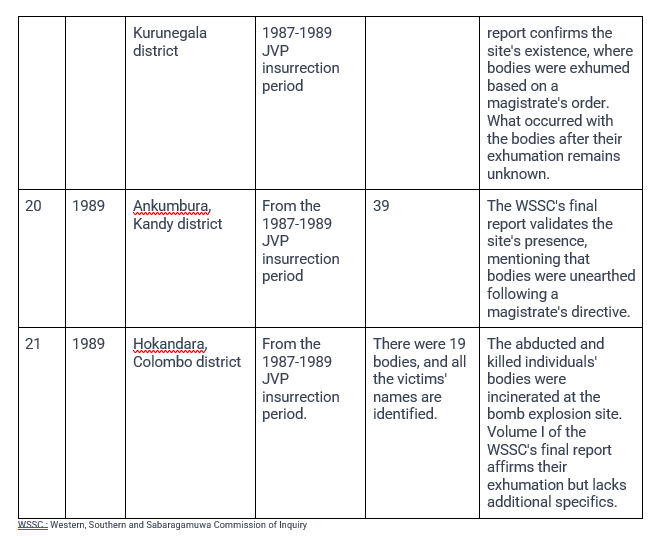
As survivors of Sri Lanka’s genocidal war, we call for an urgent, internationally monitored, impartial investigation into the mass grave discovered on June 29th, 2023, in Kokku Thoduvai. [1] It is not the first mass grave in Sri Lanka. In recent decades, twenty-three unmarked graves have been accidentally uncovered during construction work, and many of the bodies were severely mutilated. Some skulls were blindfolded with bullet holes; others had their hands tied behind their backs[2].
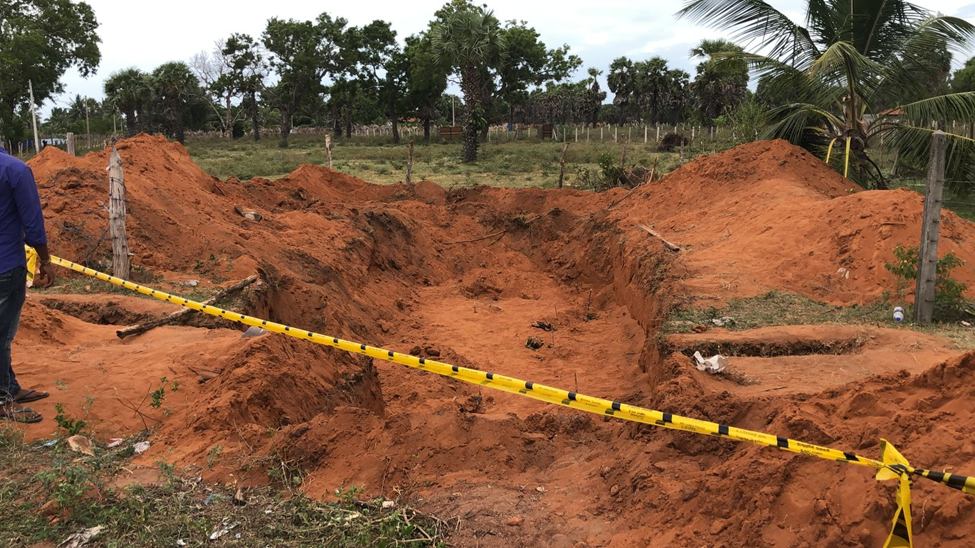 Kokku Thoduvai mass grave
A troubling truth has emerged after exhumations of these mass graves in the last three decades: the Sri Lankan state has consistently demonstrated its inability or reluctance to ensure an impartial investigation or truth-seeking behind the mass graves. Furthermore, there are indications that the Sri Lankan military actively concealed mass graves[3] without facing any consequences, creating additional obstacles in the quest for truth and justice.
The United Nations (UN) special procedures and several presidential commissions have repeatedly drawn attention to the absence of a sufficient legal framework and political system in Sri Lanka, preventing the conduct of impartial investigations and the delivery of justice. There has not been any sign of progress or interest from the government; this ongoing tragedy leaves families of the disappeared in a constant state of fear, uncertain about the fate of their loved ones. Sadly, closure continues to elude these families, making international pressure crucial for resolving this tragic ongoing situation.
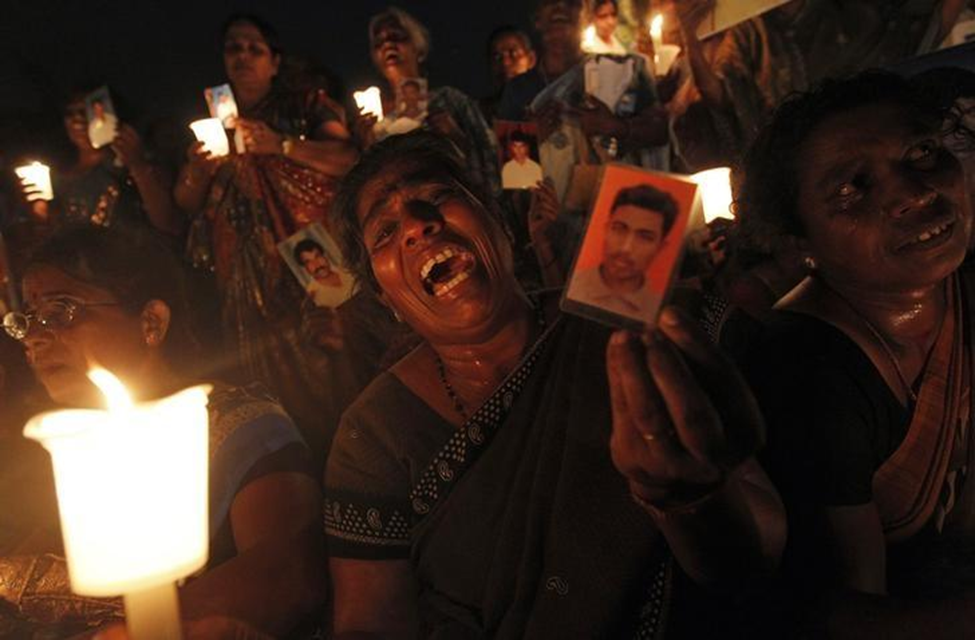 Family members of forcibly disappeared persons from the North & East of Sri Lanka, Reuters
"Navi" Pillay, who served as a judge at the International Criminal Tribute for Rwanda (ICTR) from 2003 to 2008 and then as the United Nations High Commissioner for Human Rights from 2008 to 2014, said,
"The United Nations' investigations determined that during the war in Sri Lanka international crimes, such as war crimes and crimes against humanity were committed. Yet, there has been no judicial mechanism no perpetrators have been brought to justice. Recently, in a cynical move, the President pardoned and released from prison the only soldier and Army sergeant who had been convicted by the courts and sentenced to prison for killing eight civilians, including a child. He was released by the President last month. This is a far cry from justice; Tamils in Sri Lanka continue to suffer all kinds of prejudice, discrimination, and violation of human rights. The lands that were stolen from them by the military have still not been restored."
Every excavation provides hope to families seeking their missing loved ones. Yet, the Sri Lankan government's approach has yielded limited identification of remains and brought few responsible for disappearances to justice. This juncture calls for addressing past excavation deficiencies such as culture of impunity, political interference, conflict of interest in AGO (Attorney General’s Office), and witness tampering and calls for guaranteeing that forthcoming excavations meticulously uphold the families' entitlement to truth, justice, and reparation.
Culture of Impunity
In Sri Lanka, a lack of effective mechanisms, procedures, or practices hinders an independent, unbiased investigation to identify the victims, ascertaining the circumstances of their death, and ultimately pursuing prosecution and securing convictions.
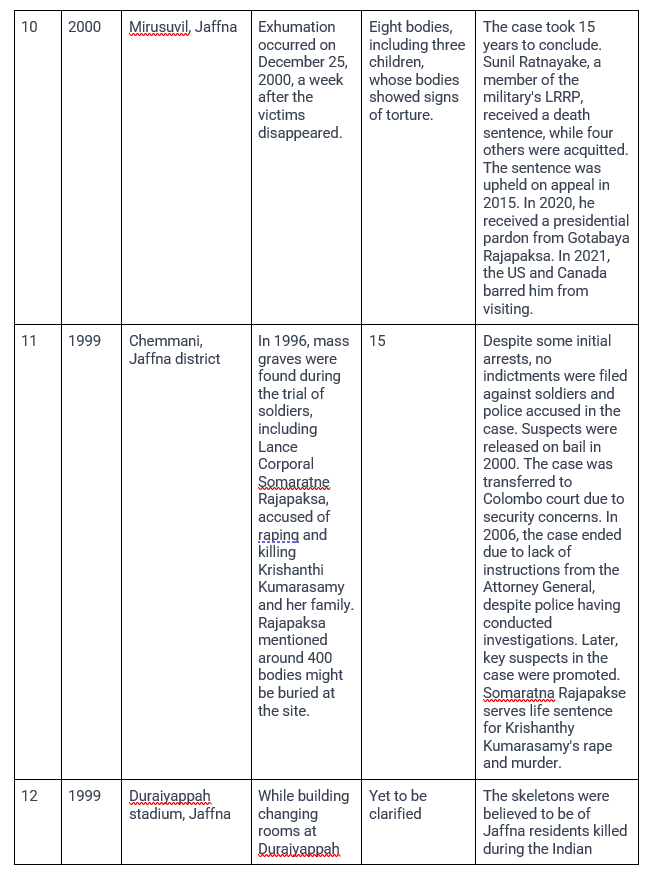
One exception concerns Sunil Ratnayake, a member of the military's LRRP, who was convicted in 2015 for killing eight individuals (including three children) whose bodies were discovered in a well in Mirusuvil, Jaffna district, in 2000. Although four other suspects were acquitted, Ratnayake's death sentence was upheld on appeal. However, he was pardoned in 2020 by then-President Gotabaya Rajapaksa, exemplifying impunity and violating domestic and international laws.[5]
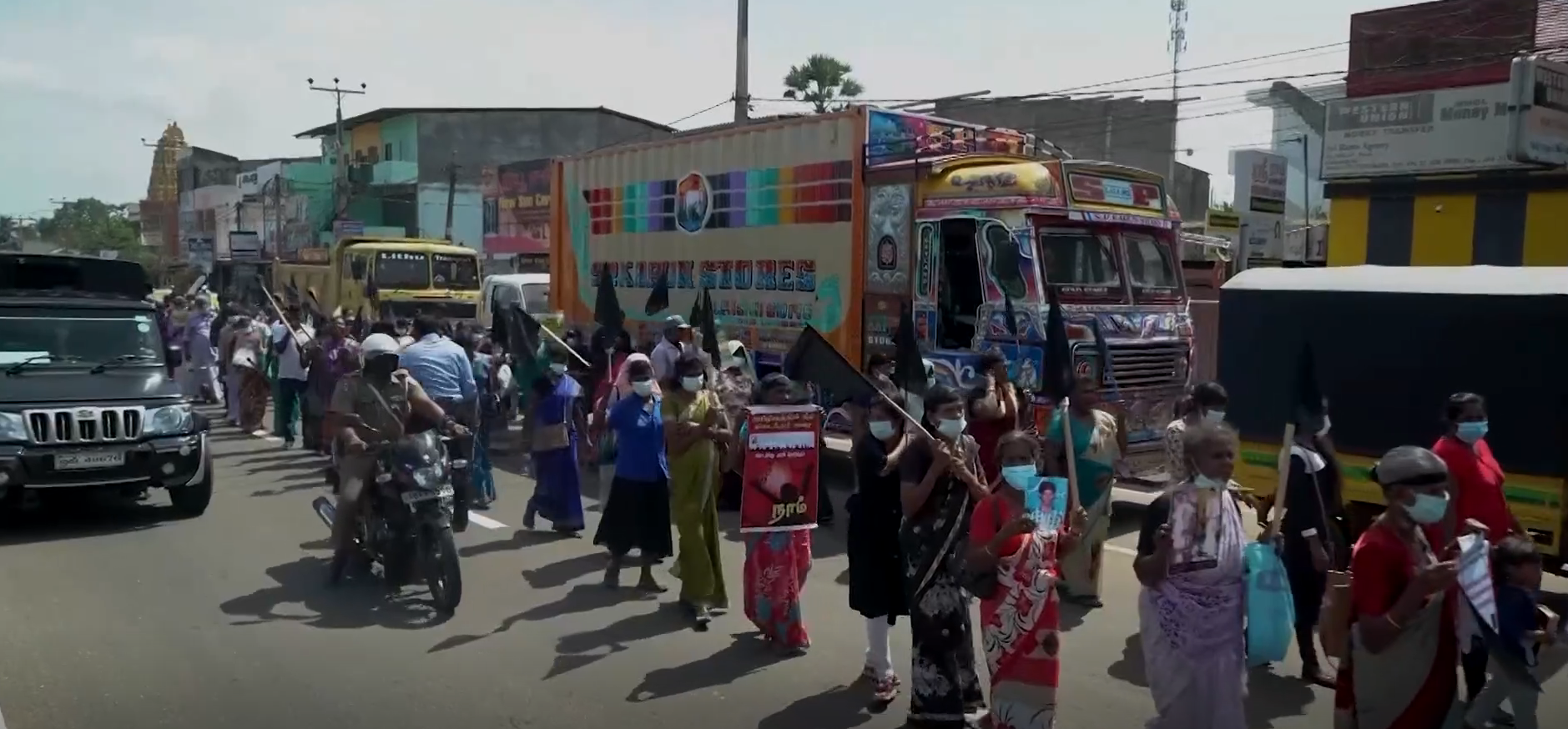 Family members of forcibly disappeared persons from the North & East of Sri Lanka, Reuters
Political Interference
The Minnesota Protocol states that one crucial element is conducting investigations not influenced by institutional hierarchies or chains of command. In Sri Lanka, the interference of politicians in the exhumation processes lies at the core of the failures to uncover the truth and deliver justice to the victims who have disappeared so far.
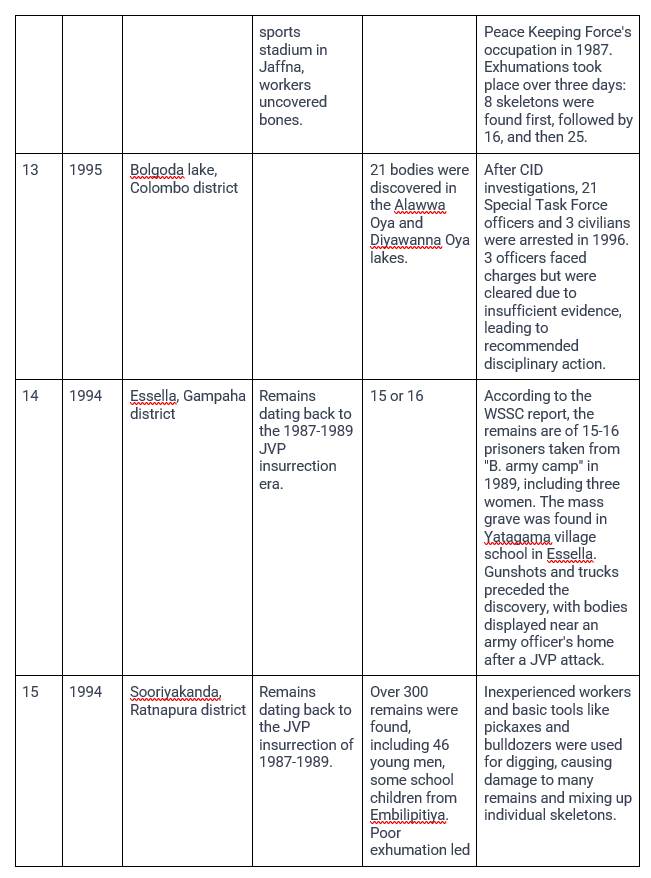
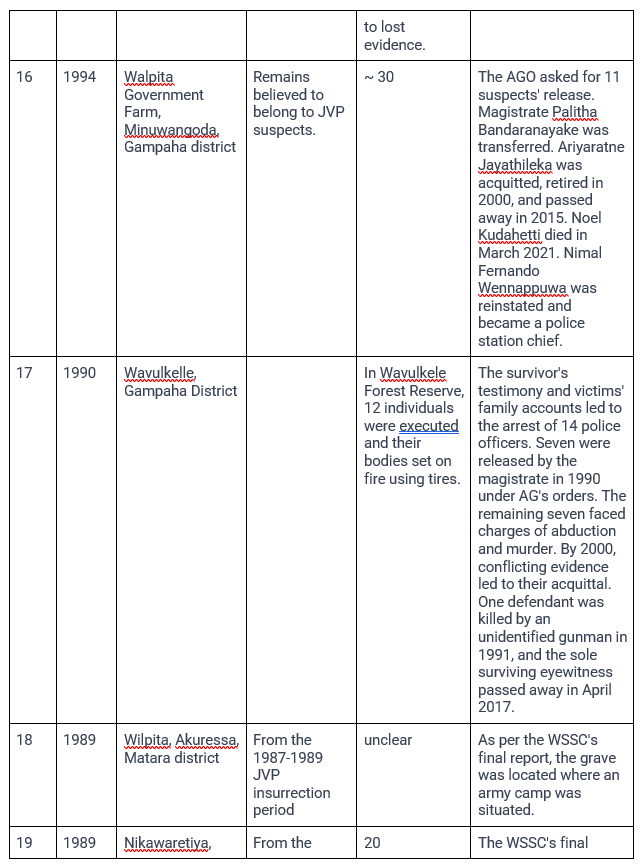
The initial inspection of the Kaluwanchikudy site in Batticaloa district in 2014 was conducted hastily, assuming that the remains found belonged to LTTE victims. However, subsequent investigations were halted, raising suspicions that the state deliberately suspended the inquiries to avoid potential implications for Vinayagamoorthy Muralitharan (Colonel Karuna). Colonel Karuna defected from the LTTE and collaborated with the military in 2004 before officially joining the regime of Mahinda Rajapaksa, then the president of the country, in 2008. Despite nearly a decade passing since the initial complaint, no exhumations took place at the site [6].
The judicial system in Sri Lanka lacks independence.
To sway exhumation processes, senior government officials frequently transfer magistrates, police officers, or other officials to different positions or locations.
- During the Mannar exhumation case, which has continued into 2023, seven magistrates have presided over the hearings. Some were transferred as part of regular rotations, while others were reportedly moved due to political pressure. The Judicial Medical Officers (JMO) handling the Mannar site in 2018 was transferred to Colombo in 2019. No identification of the bodies from the mass grave was achieved. The JMO from the 2013 exhumation was moved to Anuradhapura and later to Matale, impeding the analysis of the remains.
- In the Matale case, Judge Chathurika Silva was removed from the case following her order for the CID to publish notices in newspapers in all three languages to locate the families of the missing. The new judge declined to accept additional affidavits and referred them to the Presidential Commission of Inquiry.[7]
Sri Lanka’s Attorney General’s Office (AGO) is marred by conflicts of interest.
The lack of independence in the AGO and the broader legal system has raised persistent concerns. Concerning exhumations, the AGO's role in dropping cases, granting bail to suspects, and prioritizing pending procedures has been problematic. The Chief Magistrate highlighted that the AGO's absence was deemed an obstruction of justice.[8]
- After discovering the Chemmani mass graves in 1998, a committee of five members implicated four army officers in 15 disappearances. Despite this, the committee's report remained unpublished. Following the AGO's advice, the suspects were released on bail in July 2000, and all four officers were later promoted.[9] [10]
Capt. C.J.T.K. Lalith Hewa (61834), Capt. T.D. Sasika Perera (62188), Capt. Sachindra Wijesiriwardena (62421), and Lt. A. Yatagama (63088) were implicated in a series of sexual assaults and homicides within the region, according to Somaratne Rajapakse.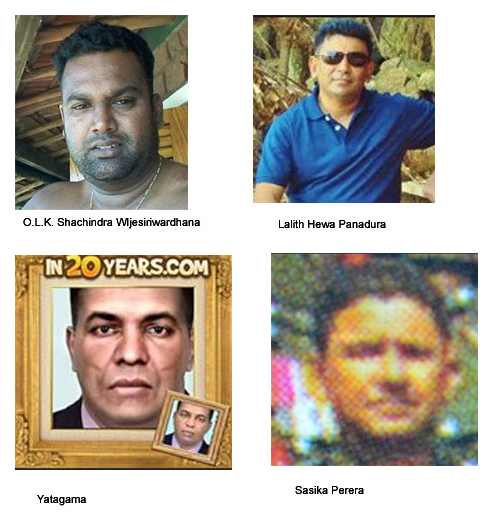
What happened to the Chemmani mass grave case?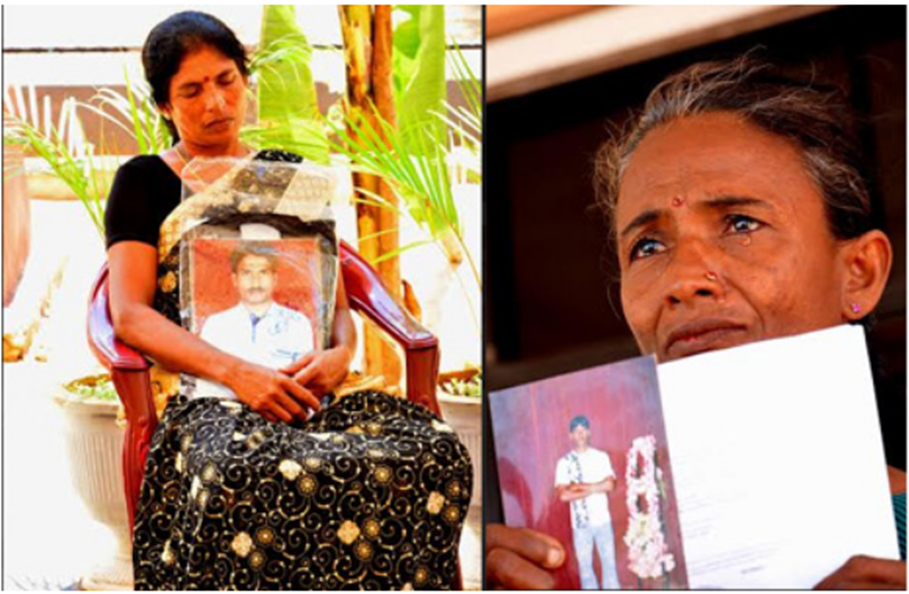
“They were given personal legal support by Peter Mohan Maithri Peiris, then an assistant advocate at the Attorney General’s department. Later, the case was taken up several times, but as soon as Mohan Peiris was posted to high positions, the Chemmani mass grave case was thrown under the carpet. The impounded passports were returned to the suspects. For these services, Mohan Peiris received a considerable sum of money from the suspects.” .[9]
-
AGO representatives have consistently caused delays in the early stages of proceedings, as seen in the Chemmani investigations. Their repeated requests for delays frustrated the magistrate and lawyers representing the victims' families.[11] [12] [13]
Mohan Maithri Peiris then became a permanent representative of Sri Lanka to the United Nations.
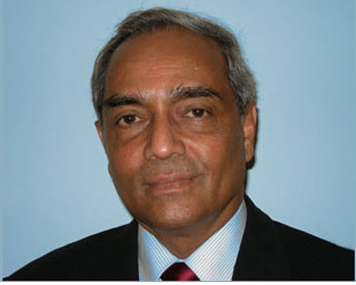 Mohan Maithri Peiris
Witness Tampering
The Minnesota Protocol requires a site to be secured at the earliest possible opportunity, and unauthorized personnel are not permitted entry. Still, in Sri Lanka, the military actively conceals the mass graves, and the judicial system has no power over the military. [3] Reports have emerged of threats being directed toward witnesses involved in exhumations. Lance Corporal Somaratne Rajapakse, who in 1996 disclosed the presence of mass graves at Chemmani, Jaffna, came up against threats and physical violence. Additionally, his wife received two letters, purportedly from ‘some members of the army,’ pressuring her to ensure that he retracted his statement made in court.[14]
During the exhumations in Matale, the involvement of Gotabaya Rajapaksa, who was the Secretary to the Ministry of Defense at the time (and had previously served as the Military Coordinating Officer of Matale district from July 1989 to January 1990, later becoming the President of Sri Lanka), stands as a significant instance of witness tampering. It was alleged that he issued orders to destroy all police registers and records older than 5 years at police stations in the Central Province, including Matale.[15]
Absence of Political Determination
Sri Lanka faces limitations in its forensic capacity and often relies on foreign testing for exhumation results. There have been significant delays in forensic experts submitting reports to magistrates, such as in the case of the Sathosa building in Mannar. The forensic report, originally due by June 30, 2019, was yet unsubmitted as of May 2023. The delay is attributed to missing artifacts from the exhumation site, although some sources monitoring the situation express doubts about the given reasons. This serves as yet another prominent illustration of the absence of political will; even after 30 years, the Sri Lankan government has not demonstrated any intention to allocate adequate resources for an unbiased investigation. Conversely, state-owned enterprises (SOEs) have hired excessive employees, ultimately contributing to their downfall.
Demands
Over three decades, the mishandling of human graves confirms the Sri Lankan government's failure to address international crimes and human rights violations.
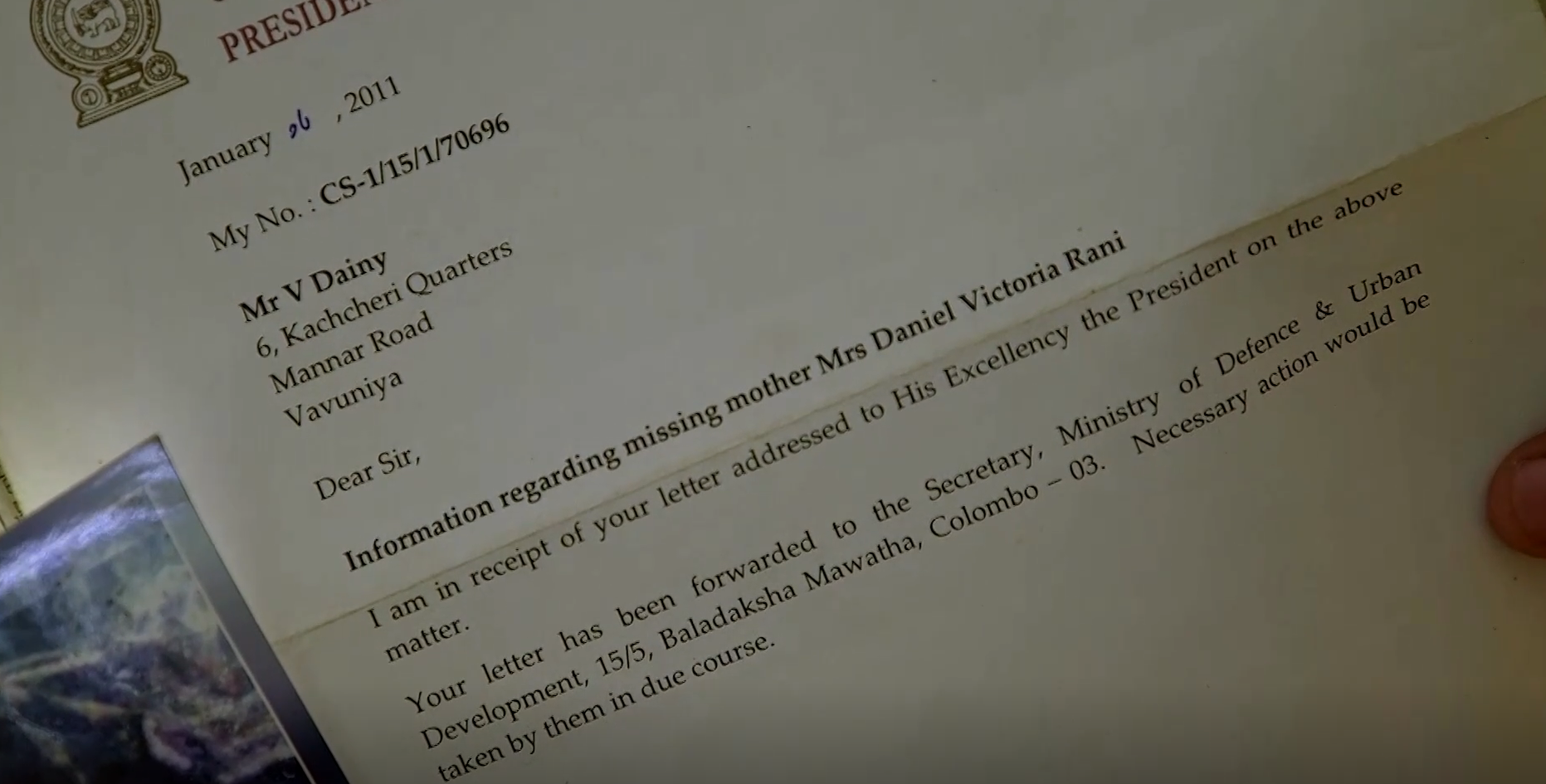
As a result, this severely violates the victims' rights and denies them the right to access the truth. Specific graves are suspected of potentially holding the remains of individuals who went missing while in the custody of Sri Lankan government troops. It is an unending tragedy for the families of the disappeared; they are forced to live and die without ever finding their loved ones.
At a June 2023 session on Sri Lanka in Geneva, Nada al-Nashif,[4] the UN's deputy high commissioner for human rights, stated,
“Accountability remains the fundamental gap in attempts to deal with the past…As long as impunity prevails, Sri Lanka will achieve neither genuine reconciliation nor sustainable peace."
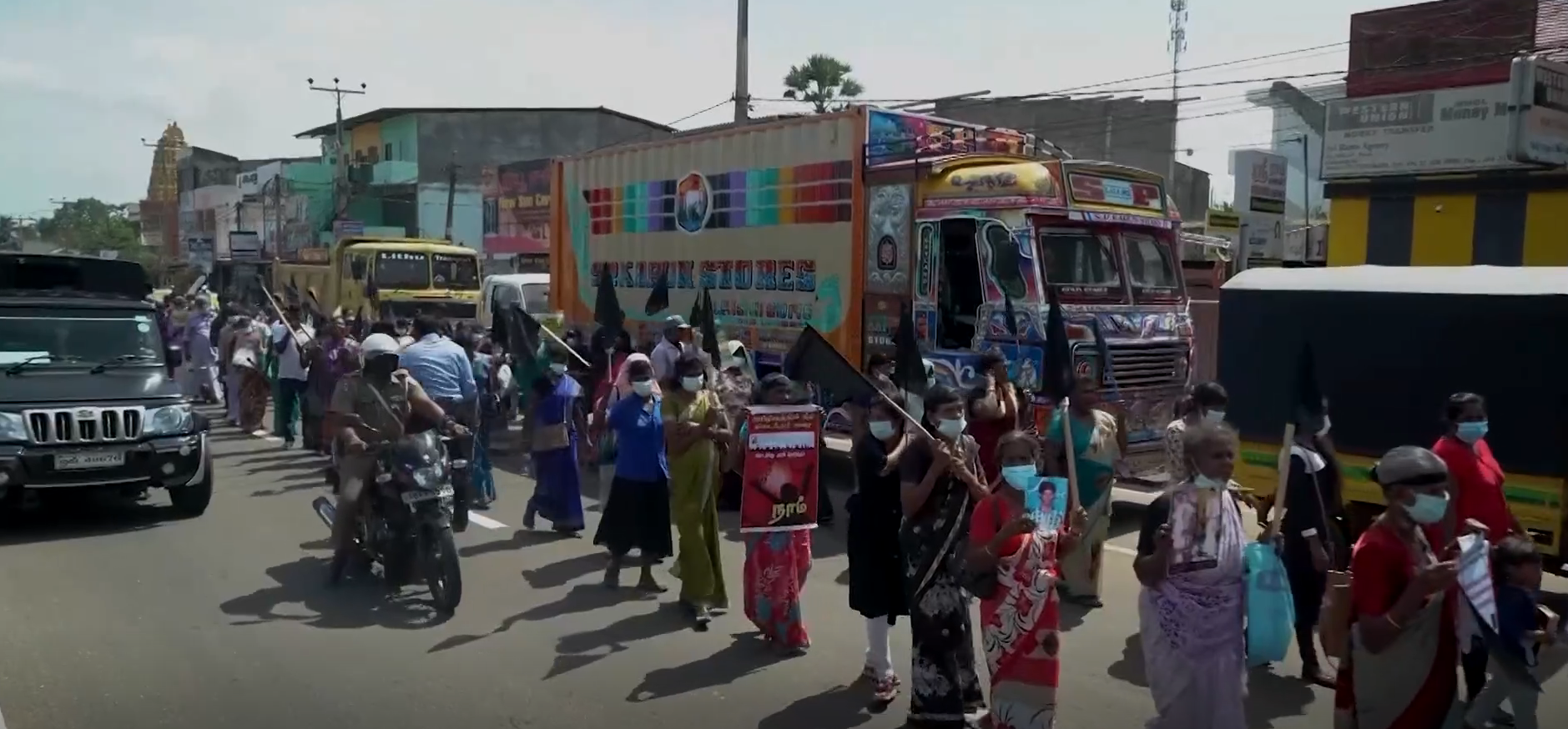 Family members of forcibly disappeared persons from the North & East of Sri Lanka, Reuters
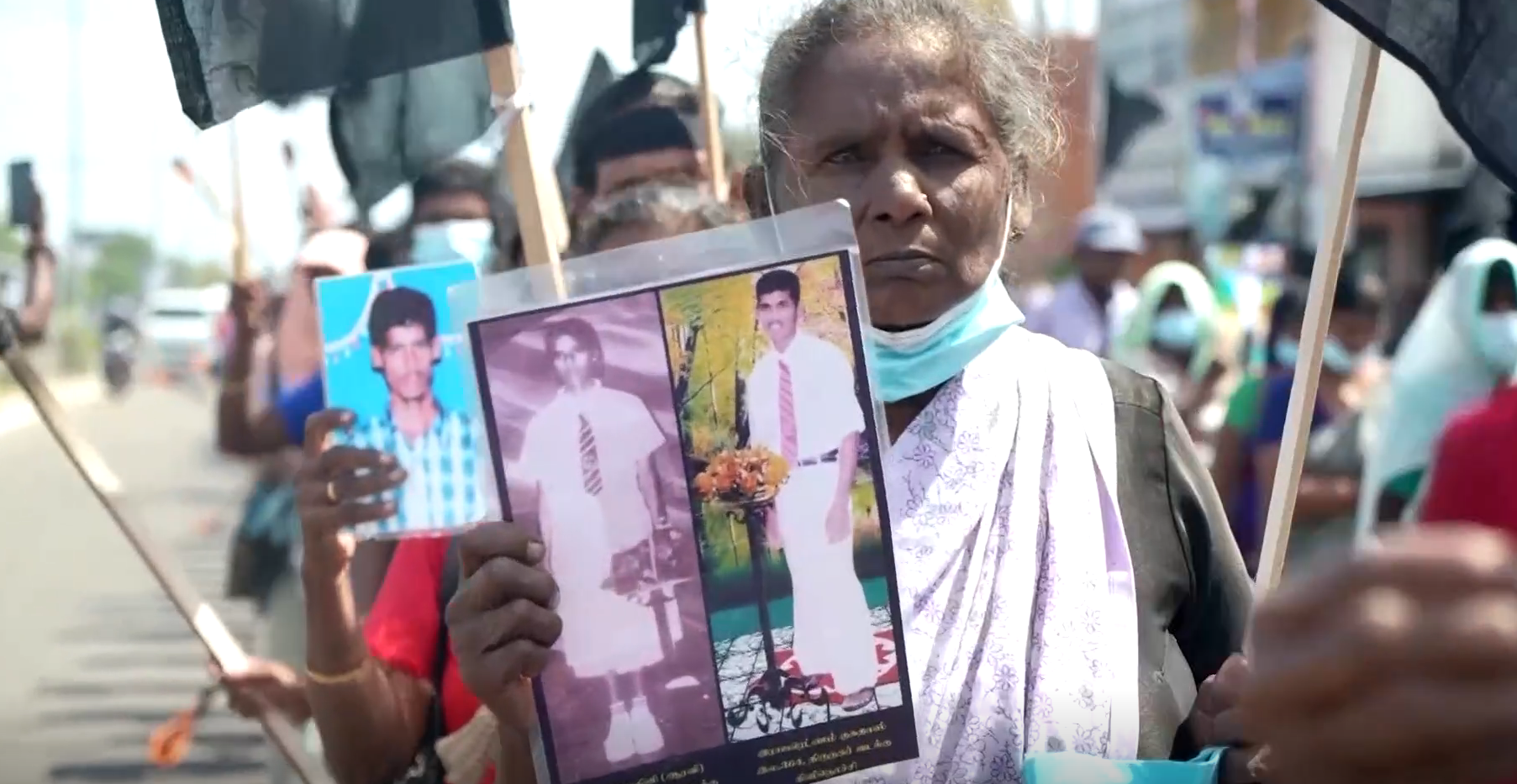
Sri Lanka has one of the highest recorded rates of enforced disappearances globally, with Amnesty International estimating that these cases have ranged from 60,000 to 100,000 since the late 1980s.[17] In line with international law, governments must thoroughly address families' inquiries about disappeared relatives, conducting consistent investigations to uncover evidence and hold responsible parties accountable for human rights violations. Still, the Sri Lankan government failed to do any of this, and as history says, it will never do anything without international pressure. Justice delayed is justice denied, and the ongoing struggle of the relatives of those who forcibly disappeared in the North and East has stretched for an excessive 2400 days as of today.
- We call upon international authorities and governments to implement sanctions, compelling the investigation of recently discovered mass grave sites and creating a dedicated unit with adequate resources without political interference to identify new graves.
- We urge to formally acknowledge the mass graves linked to the Tamil genocide on national and international levels, designating them as historically significant sites. We appeal to governments to allocate necessary resources for the respectful exhumation, identification, and commemoration of these graves to promote reconciliation and enhance educational opportunities.
- We also call for the Sri Lankan government to make all available information public to allow the relatives of missing persons to search for loved ones.
- Specific laws and regulations must be established to address matters concerning human remains, including identification, exhumation, preservation, and follow-up investigations. Preservation involves securely storing bones or soil from human burials along with maintaining relevant documentation.
- Facilitate a transparent dialogue with international experts and ensure that any established framework, policy, and standard operating procedures incorporate audit and adherence to Bournemouth resolutions.
- Guarantee the participation of observers during excavations and seeking assistance from international forensic experts to ensure impartiality.
- Introduce cutting-edge technologies like LiDAR, geospatial analysis, and thermal imaging to assist in discovering and dating human burials while implementing robust security measures to safeguard sensitive burial information and deter acts of vandalism.
- Provide an opportunity for family members to witness and identify the recovered remains, along with any accompanying personal belongings, and then facilitate the respectful return of these identified remains to their rightful individuals.
They deserve to know the truth!
“The world will not be destroyed by those who do evil, but by those who watch them without doing anything.”
*********************Tamil Translation***************************
இலங்கையில் நடந்த 30 வருட இனப்படுகொலைப் போரில் உயிர் பிழைத்தவர்கள் என்கிற வகையில், கொக்குத்தொடுவாயில்[1], ஜூன் 29, 2023 அன்று கண்டுபிடிக்கப்பட்ட மனித புதைகுழி குறித்து சர்வதேசத்தால் கண்காணிக்கப்படும், பாராபட்சமற்ற அவசர சர்வதேச விசாரணையை நாங்கள் கோருகிறோம். கொக்குத்தொடுவாய் இலங்கையின் முதல் மனித புதைகுழி அல்ல. கடந்த பத்தாண்டுகளில், இருபத்தி மூன்று மனித புதைக்குழிகள் கட்டுமானப் பணிகளின் போது கண்டுபிடிக்கப்பட்டன. பல உடல்கள் கடுமையாக சிதைக்கப்பட்டும், மண்டை ஓடுகள் துப்பாக்கி குண்டுகளால் துளைக்கப்பட்டும், கைகள் முதுகுக்குப் பின்னால் கட்டப்பட்ட நிலையிலும் உடல்கள் கண்டெடுக்கப்பட்டன[2].
கடந்த முப்பது ஆண்டுகளில், தொடர்ச்சியாக தோண்டியெடுக்கப்பட்டு வரும் மனித புதைகுழிகளினால் பல கவலைக்குரிய உண்மைகள் வெளிப்பட்டுள்ளது. இலங்கை அரசு மனித புதைகுழிகளுக்குப் பின்னால் இருக்கும் உண்மையை அறிய பாரபட்சமற்ற விசாரணை முடுக்கி விடுவதில் தனது விருப்பமின்மையை அல்லது இயலாமையைத் தொடர்ந்து நிரூபித்து வருகிறது. மேலும், பல தடைகளை உருவாக்கி உண்மையை உலகுக்கு அறிய விடாமல் மனித புதைகுழிகளை[3] இலங்கை இராணுவம் தீவிரமாக மறைத்து வருகிறது என்பதற்கு பல சான்றுகள் உள்ளன.
ஐக்கிய நாடுகள் சபையின் (ஐ.நா.) சிறப்பு நடைமுறை மற்றும் உயர் ஆணையம், இலங்கையில் போதிய சட்ட கட்டமைப்பு மற்றும் அரசியல் அமைப்பு இல்லாதது குறித்தும், பாரபட்சமற்ற விசாரணை, நீதி வழங்கப்படுவதைத் தடுப்பது குறித்தும் தொடர்ச்சியாக கவனித்து வந்துள்ளது. இந்த பிரச்சனைகள் தீர்ப்பது தொடர்பாக இலங்கை அரசாங்கத்திடம் எந்தவொரு முன்னேற்றமோ ஆர்வமோ இல்லை. பல ஆண்டுகளாக இந்த துயரம் தொடர்கிறது. காணாமல் போனவர்களையோ அல்லது அவர்களது குடும்ப உறுப்பினர்களை பற்றியோ எந்த தகவலும்,அக்கறையும் இல்லாத நிலை தான் தொடர்ந்து நீடிக்கிறது. இந்த சோகமான தற்போதைய சூழ்நிலையைத் தீர்ப்பதற்கு சர்வதேச அளவில் விசாரணையை முடுக்கிவிடும் அழுத்தம் மிக முக்கியமாகின்றது.
2003 முதல் 2008 வரை ருவாண்டாவிற்கான சர்வதேச குற்றவியல் நீதிமன்றத்தில் (ICTR) நீதிபதியாகவும், பின்னர் 2008 முதல் 2014 வரை ஐக்கிய நாடுகளின் மனித உரிமைகள் உயர் ஆணையராகவும் பணியாற்றிய "நவி" பிள்ளை, பின்வருமாறு கூறுகிறார்,
“.....ஐக்கிய நாடுகள் சபையின் விசாரணையில் இலங்கையில் நடந்த போரின் போது போர்க்குற்றங்கள் மற்றும் மனித குலத்திற்கு எதிரான குற்றங்கள் போன்ற சர்வதேச குற்றங்கள் இழைக்கப்பட்டதாக உறுதி செய்யப்பட்டது. எவ்வாறாயினும், குற்றவாளிகள் நீதியின் முன் நிறுத்தப்படவில்லை. அண்மையில், ஒரு குழந்தை உட்பட எட்டு பொதுமக்களைக் கொன்றதற்காக நீதிமன்றத்தால் தண்டிக்கப்பட்டு சிறைத்தண்டனை விதிக்கப்பட்ட ஒரு சிப்பாய் மற்றும் இராணுவ சார்ஜென்ட் ஆகியோரை ஜனாதிபதி மன்னித்து சிறையில் இருந்து விடுதலை செய்தார். இது நியாயமானதல்ல; இலங்கையில் உள்ள தமிழர்கள் அனைத்து வகையான பாகுபாடுகள் மற்றும் மனித உரிமை மீறல்களை அனுபவித்து வருகின்றனர். இராணுவத்தினரால் அவர்களிடமிருந்து அபகரிக்கப்பட்ட காணிகள் இன்னும் மீட்கப்படவில்லை....” என்றார்.
தமது அன்புக்குரியவர்களைத் தேடும் குடும்பங்களுக்குப் மனித புதைக்குழியை தோண்டும் ஆய்வானது இழந்து போயிருந்த நம்பிக்கையைத் திரும்ப தருகிற உணர்வை ஏற்படுத்துகிறது. எவ்வாறாயினும், இலங்கை அரசாங்கத்தின் அணுகுமுறையானது பெரிய அளவில் உடல் எச்சங்களை அடையாளம் காணவோ, காணாமல் ஆக்கப்பட்டதற்கு காரணமாக இருந்த குற்றவாளிகளை நீதியின் முன் நிறுத்தவோ பெரிதாக வழிவகுக்கவில்லை. தண்டனையிலிருந்து தப்பித்தல், அரசியல் தலையீடு, AGO (அட்டார்னி ஜெனரல் அலுவலகம்) மீதான கருத்து வேற்றுமை மற்றும் சாட்சிகளை சேதப்படுத்துதல், வழக்கில் குறுக்கீடு செய்தல் போன்ற கடந்தகால அகழ்வாராய்ச்சிகளின் குறைபாடுகளை நீக்கி, எதிர்கால அகழ்வாராய்ச்சிகளை உரிய முறையில் நடத்தி உண்மைமை கண்டறிந்து அதனூடாக பாதிக்கப்பட்ட தமிழ் மக்களுக்கு, நீதி மற்றும் இழப்பீடுகளை வழங்கி இழந்த குடும்பகளுக்கு உரிய உத்தரவாதம் அளிக்க வேண்டும்.
தண்டனையின்மை கலாச்சாரம்
இலங்கையில், போதிய சட்ட நடைமுறைகள் இல்லாததால், பாதிக்கப்பட்டவர்களை அடையாளம் காணவும், அவர்களின் இறப்புக்கான சூழ்நிலைகளைக் கண்டறியவும், குற்றம் இழைத்தவர்களுக்கு எதிராக வழக்குத் தொடரவும், தண்டனை வழங்கவும், சுயாதீனமான பாராபட்சமற்ற விசாரணைகளை மேற்கொள்ள முடியாத சூழல் நிலவுகின்றது.
2000 ஆம் ஆண்டு யாழ்ப்பாண மாவட்டம் மிருசுவிலில் கிணற்றில் இருந்து சடலங்களாக கண்டெடுக்கப்பட்ட எட்டு நபர்களை (மூன்று குழந்தைகள் உட்பட) கொன்றதற்காக 2015 இல் ரத்நாயக்கவிற்கு மரண தண்டனை விதிக்கப்பட்டது. இதில் குற்றம் சாட்டப்பட்ட நான்கு சந்தேகநபர்கள் விடுவிக்கப்பட்ட போதிலும், மேன்முறையீட்டில் ரத்நாயக்கவின் மரண தண்டனை உறுதி செய்யப்பட்டது.இருப்பினும், அவர் 2020 ஆம் ஆண்டில் அப்போதைய ஜனாதிபதி கோத்தபாய ராஜபக்ஷவால் மன்னிக்கப்பட்டு விடுதலை செய்யப்பட்டார். இது இலங்கையில் இனப்படுகொலைக்கு தண்டனையின்மை மற்றும் உள்நாட்டு, சர்வதேச சட்டங்களை மீறுவதற்கான எடுத்துக்காட்டாகும்.[5]
அரசியல் தலையீடு
மினசோட்டா நெறிமுறையின் ஒரு முக்கியமான உறுப்பானது, நிறுவனப் படிநிலைகள் அல்லது கட்டளை பொறிமுறைகளால் பாதிக்கப்படாத விசாரணையை நடத்துவதை பற்றி கூறுகிறது. இலங்கையில் மனிதப்புதைகுழி அகழ்வில், இதுவரையில் காணாமல் போனவர்களுக்கான உண்மையை வெளிக்கொணரவும், நீதியை வழங்கவும் தவறியதன் முக்கிய காரணமாக அரசியல்வாதிகளின் தலையீடு உள்ளது.
2014ம் ஆண்டு மட்டக்களப்பு மாவட்டத்தின் களுவாஞ்சிகுடி பிரதேசத்தில் கண்டெடுக்கப்பட்ட சடலங்கள் விடுதலைப் புலிகளால் கொல்லப்பட்டவர்களின் சடலங்களாக இருக்கலாம் எனக் கருதி துரிதமாக ஆய்வுகள் மேற்கொள்ளப்பட்டது. எவ்வாறாயினும்,இந்த ஆய்வில் விநாயகமூர்த்தி முரளிதரனுக்கு (கேணல் கருணா) எதிராக ஏற்படக்கூடிய தாக்கங்களைத் தவிர்ப்பதற்காக அரசாங்கம் வேண்டுமென்றே விசாரணையைத் தாமதப்படுத்தியதாக சந்தேகம் எழுகிறது, அந்த ஆய்வுகள் தொடர்பான விசாரணைகள் நிறுத்தப்பட்டன. கேணல் கருணா LTTE யில் இருந்து விலகி 2004 இல் இராணுவத்துடன் மகிந்த ராஜபக்ச ஆட்சியில் உத்தியோகபூர்வமாக இணைந்து கொண்டார். கிட்டத்தட்டப் பத்தாண்டுகள் கடந்துவிட்ட போதிலும், அந்த இடத்தில் எந்த அகழ்வாராய்ச்சியும் மேற்கொள்ளப்படவில்லை என்பது குறிப்பிடத்தக்கது.[6]
இலங்கை நீதித்துறை சுதந்திரமாக செயல்படவில்லை
அகழ்வாராய்ச்சி செயல்முறையில் செல்வாக்கு செலுத்தும், மூத்த அரசாங்க அதிகாரிகள் பெரும்பாலும் நீதிபதிகள், காவல்துறை அதிகாரிகளை அல்லது பிற அதிகாரிகளை வெவ்வேறு பதவிகள் வழங்குதல் மூலமோ அல்லது அவர்களை வேறு இடங்களுக்கு பணிமாற்றம் செய்வதன் மூலமாகவோ தொடர்ச்சியாக மனித புதைக்குழி அகழ்வாராச்சிகளுக்கு இடையூறு விளைவிக்கிறார்கள்.
- 2023 ஆம் ஆண்டு வரை தொடரும் மன்னார் மனித புதைக்குழி அகழ்வு வழக்கின் போது, ஏழு நீதிபதிகள் முன்னிலையாகினர். சிலர் வழக்கமான சுழற்சியின் ஒரு பகுதியாக பணியிடம் மாற்றம் செய்யப்பட்டனர். மற்றவர்கள் அரசியல் அழுத்தம் காரணமாக பணியிடம் மாற்றப்பட்டதாக கூறப்படுகிறது. 2018 இல் மன்னார் புதைகுழியை கையாண்ட நீதித்துறை மருத்துவ அதிகாரி (JMO) 2019 இல் கொழும்புக்கு இடமாற்றம் செய்யப்பட்டார்.மேலும், இவ்வாறு அதிகாரிகள் அடிக்கடி பணியிடமாற்றம் செய்யப்படுவதால் மனித புதைகுழியில் இருந்து எச்சங்களை அடையாளம் காணும் நடவடிக்கைகளில் குழப்பங்கள் விளைவிக்கப்படுகின்றன. 2013 அகழ்வாராய்ச்சியில் இருந்து நீதித்துறை மருத்துவ அதிகாரி அனுராதபுரத்திற்கும் பின்னர் மாத்தளைக்கும் மாற்றப்பட்டதால் சிதைந்த உடல்களை பகுப்பாய்வு செய்வதில் தடை ஏற்பட்டது.
- மாத்தளை வழக்கில், காணாமல் போனவர்களின் குடும்பங்களைக் கண்டறிய மூன்று மொழிகளிலும் செய்தித்தாள்களில் அறிவிப்புகளை வெளியிடுமாறு CID க்கு உத்தரவிட்டதைத் தொடர்ந்து நீதிபதி சதுரிகா சில்வா வழக்கிலிருந்து நீக்கப்பட்டார். புதிய நீதிபதி மேலதிக வாக்குமூலத்தை ஏற்க மறுத்து ஜனாதிபதி விசாரணை ஆணைக்குழுவிற்கு அனுப்பி வைத்தார்[7].
இலங்கையின் அட்டர்னி ஜெனரல் அலுவலகம் (AGO) பல்வேறுப்பட்ட முரண்பாடுகளால் பாதிக்கப்பட்டுள்ளது.
சுதந்திரம் இல்லாத சட்ட நிர்வாக கட்டமைப்பும், சுதந்திரமற்ற AGO நிலைப்பாடுகளும் தொடர்ந்து கவலைக்குரிய விடயங்களாக உள்ளன.மனிதப்புதைகுழி அகழ்வை பொறுத்தவரை, வழக்குகளை கைவிடுதல், சந்தேக நபர்களுக்கு ஜாமீன் வழங்குதல் மற்றும் நிலுவையில் உள்ள நடைமுறைகளுக்கு முன்னுரிமை அளிப்பதில் AGO-வின் பங்கு சிக்கலாக உள்ளது. தலைமை மாஜிஸ்திரேட்டும் , AGOவின் அசமந்தப்போக்கு நீதிக்கு இடையூறாக இருப்பதாக குறிப்பிட்டுள்ளார். [8]
- 1998 இல் செம்மணி மனிதப்புதைகுழிகளைக் கண்டுபிடித்த பின்னர், ஐந்து பேர் கொண்ட குழு நான்கு இராணுவ அதிகாரிகளை 15 காணாமல் போனவர்களுடன் தொடர்புள்ளவர்கள் என்று கண்டறிந்தது.இருந்த போதிலும், முழுமையான இவர்கள் மீதான குற்ற அறிக்கை வெளியிடப்படாமல் மறைக்கப்பட்டது. AGO ஆலோசனையைத் தொடர்ந்து, சந்தேக நபர்கள் ஜூலை 2000 இல் ஜாமீனில் விடுவிக்கப்பட்டனர், மேலும் நான்கு அதிகாரிகளும் பின்னர் பதவி உயர்வு பெற்றனர்.[9][10]
“அப்போது சட்டமா அதிபர் திணைக்களத்தில் உதவி சட்டத்தரணியாக இருந்த பீட்டர் மொஹான் மைத்திரி பீரிஸினால் குற்றம் சாட்டப்பட்டவர்களுக்கு தனிப்பட்ட சட்ட ஆதரவு வழங்கப்பட்டது. பின்னர் பல தடவைகள் இந்த வழக்கு விசாரணைக்கு எடுத்துக் கொள்ளப்பட்ட போதிலும், மொஹான் பீரிஸ் உயர் பதவிகளில் அமர்த்தப்பட்டவுடன் செம்மணி மனித புதைகுழி வழக்குத் தூக்கி எறியப்பட்டது. பறிமுதல் செய்யப்பட்ட கடவுச்சீட்டுகள் சந்தேகநபர்களிடம் ஒப்படைக்கப்பட்டன. இந்தச் செயல்களுக்காக மொஹான் பீரிஸ் சந்தேக நபர்களிடமிருந்து கணிசமான தொகையைப் பெற்றுள்ளார்” என்றார். [9] - செம்மணி விசாரணைகளில் காணப்படுவது போல், AGO பிரதிநிதிகள் ஆரம்ப கட்டங்களில் தொடர்ந்து தாமதத்தை ஏற்படுத்தி வந்திருக்கின்றனர்.வழக்கை காலதாமதம் செய்வதற்காக அவர்கள் தொடர்ச்சியான மேற்கொண்ட கோரிக்கைகள் பாதிக்கப்பட்டவர்களின் குடும்பங்களை பிரதிநிதித்துவப்படுத்தும் மாஜிஸ்திரேட் மற்றும் வழக்கறிஞர்களை விரக்தியடையச் செய்தது.[11][12][13]
அதன் பின்னர் மொஹான் மைத்திரி பீரிஸ் ஐக்கிய நாடுகள் சபைக்கான இலங்கையின் நிரந்தரப் பிரதிநிதியானார்.
சாட்சி திருத்துதல்
மின்னசோட்டா நெறிமுறையின்படி,மனிதபடுகொலை செய்யப்பட்ட புதைகுழிகள் உடனடியாக பாதுகாக்கப்பட வேண்டும், மேலும் அங்கீகரிக்கப்படாத பணியாளர்கள் நுழைய அனுமதிக்கப்படுவதில்லை.ஆனால் இப்படி சட்டங்கள் இருந்த போதும் இலங்கையில், இராணுவம் மனித புதைகுழிகளை தீவிரமாக மறைக்கிறது, மேலும் இலங்கையின் நீதி அமைப்பால் இராணுவத்தின் மீது அதிகாரம் செலுத்த கூடிய பொறிமுறைகள் இல்லை[3]. மனித புதைக்குழி தோண்டியெடுப்புகளில் ஈடுபட்டுள்ள சாட்சிகளுக்கு அச்சுறுத்தல்கள் இருப்பதாக அறிக்கைகள் வெளிவந்துள்ளன. 1996 ஆம் ஆண்டு யாழ்ப்பாணம் செம்மணியில் மனித புதைகுழிகள் இருப்பதை வெளிப்படுத்திய லான்ஸ் கோப்ரல் சோமரத்ன இராஜபக்ஷ, அச்சுறுத்தல்கள் மற்றும் உடல்ரீதியான வன்முறைகளுக்கு முகம் கொடுத்து அதற்கு எதிராக முறையீடு செய்ய முன்வந்தார்.இதனால் அவரது மனைவிக்கு இரண்டு கடிதங்கள் சில இராணுவ உறுப்பினர்கள் ஊடாக அழுத்தம் கொடுத்து அவர் நீதிமன்றத்தில் அளித்த அறிக்கையைத் திரும்பப் பெறுவதை உறுதி செய்யுமாறு அழுத்தம் கொடுத்தனர்[14].
மாத்தளையில் மனித புதைகுழி தோண்டியெடுக்கப்பட்ட போது, பாதுகாப்பு அமைச்சின் செயலாளராக இருந்த கோட்டாபய ராஜபக்ஷவின் ஈடுபாடு (முன்னர் ஜூலை 1989 முதல் ஜனவரி 1990 வரை மாத்தளை மாவட்டத்தின் இராணுவ ஒருங்கிணைப்பு அதிகாரியாக பணியாற்றி, பின்னர் ஸ்ரீ. லங்கா ஜனாதிபதி ), சாட்சிகளை சீர்குலைப்பதற்கான ஒரு குறிப்பிடத்தக்க நிகழ்வாக உள்ளது. மாத்தளை உட்பட மத்திய மாகாணத்தில் உள்ள பொலிஸ் நிலையங்களில் உள்ள அனைத்து பொலிஸ் பதிவுகளையும் 5 வருடங்களுக்கும் மேலான பதிவுகளையும் அழிக்குமாறு அவர் உத்தரவு பிறப்பித்ததாக குற்றம் சுமத்தப்பட்டது.[15]
அரசியல் உறுதி இல்லாதது
இலங்கை அரசு அதன் தடயவியல் நிபுணத்துவ திறனில் பல சிக்கல்களை எதிர்கொள்கிறது மற்றும் மனித புதைகுழிகளில் தோண்டி எடுக்கும் முடிவுகளுக்கு வெளிநாட்டு சோதனைகளை அடிக்கடி நம்பியுள்ளது, உதாரணமாக மன்னாரில் உள்ள சதொச கட்டிட விவகாரம், இதில் தடயவியல் நிபுணர்கள் நீதவான்களுக்கு அறிக்கை சமர்ப்பிப்பதில் குறிப்பிடத்தக்க தாமதம் ஏற்பட்டுள்ளது. முதலில் ஜூன் 30, 2019 க்குள் சமர்ப்பிக்கப்பட வேண்டிய தடயவியல் அறிக்கை, மே 2023 வரை சமர்ப்பிக்கப்படவில்லை. இந்த காலதாமதத்திற்கு காரணம் தோண்டியெடுக்கப்பட்ட தளத்தில் இருந்து காணாமல் போன பொருட்கள் என்று கூறப்பட்லாலும், நிலைமையை கண்காணிக்கும் சிலர் கொடுக்கப்பட்ட காரணங்களில் சந்தேகங்கள் வெளிப்படுத்துகின்றன. அரசியல் விருப்பமின்மைக்கு இது மற்றொரு முக்கிய எடுத்துக்காட்டு; 30 ஆண்டுகளுக்குப் பிறகும், ஒரு பக்கச்சார்பற்ற விசாரணைக்கு போதுமான மனித மற்றும் பொருளாதர வழங்களை ஒதுக்கும் எந்த நோக்கத்தையும் இலங்கை அரசாங்கம் வெளிப்படுத்தவில்லை. மாறாக, அரசுக்கு சொந்தமான நிறுவனங்கள் (SOEs) அதிகப்படியான ஊழியர்களை வேலைக்கு அமர்த்தியுள்ளன, இறுதியில் அவர்களின் வீழ்ச்சிக்கு பங்களிக்கின்றன.
கோரிக்கைகள்
மூன்று தசாப்தங்களுக்கு மேலாக, மனித புதைகுழிகளை இலங்கை தவறாகக் கையாண்டது, சர்வதேச குற்றங்கள் மற்றும் மனித உரிமை மீறல்களுக்கு தீர்வு காண இலங்கை அரசாங்கம் தவறியதை உறுதிப்படுத்துகிறது.
இதன் விளைவாக, இது பாதிக்கப்பட்டவர்களின் உரிமைகளை கடுமையாக மீறுகிறது, மற்றும் உண்மையை அணுகுவதற்கான உரிமையையும் மறுக்கிறது. இலங்கை அரசாங்கப் படையினரின் காவலில் இருந்தபோது காணாமல் போனவர்களின் எச்சங்கள் குறிப்பிட்ட புதைகுழிகளில் இருக்கலாம் என சந்தேகிக்கப்படுகிறது. காணாமல் போனவர்களின் குடும்பங்களுக்கு இது தீராத சோகம்; அவர்கள் தங்கள் அன்புக்குரியவர்களைக் கண்டுபிடிக்காமல் துயரமான ஒரு வாழ்க்கை வாழ வேண்டிய ஒரு அவள நிலைக்கு தள்ளப்பட்டுள்ளார்கள்.
ஜூன் 2023 இல் ஜெனீவாவில் இலங்கை தொடர்பான அமர்வில், மனித உரிமைகளுக்கான ஐ.நா.வின் துணை உயர் ஆணையர் நடா அல்-நஷிப்,[4],
"கடந்த காலத்தை கையாள்வதற்கான முயற்சிகளில் பொறுப்புக்கூறல் என்பது அடிப்படை இடைவெளியாகவே உள்ளது...தண்டனையின்மை நிலவும் வரை, இலங்கை உண்மையான நல்லிணக்கத்தையோ அல்லது நிலையான சமாதானத்தையோ அடையாது."
அதிக வலிந்து காணாமல் ஆக்கப்பட்டவர்கள் உள்ள நாடுகளின் பட்டியலில் இலங்கையும் ஒன்று. கணக்கெடுப்பின் படி 60,000 க்கும் 100,000 இடைப்பட்டவர்கள் 1980ம் ஆண்டிலிருந்து காணமல் ஆக்கப்பட்டுள்ளனர். சர்வதேச சட்டங்களுக்கு அமைவாக, இலங்கை அரசாங்கமானது காணமல் போன உறவினர்களுடைய கோரிக்கைக்கு ஏற்ப, முழுமையான விசாரணை செய்து உண்மையை கண்டறிவது மட்டுமல்லாது, இவ்வாறான அடிப்படை மனித உரிமை மீறல்கள் புரிந்தவர்களை அதற்கு பொறுப்பேற்க்க வேண்டிய நடவடிக்கைகளையும் மேற்கொள்ள வேண்டும். ஆனால் இவை அனைத்தையும் செய்ய இலங்கை அரசாங்கம் தவறியுள்ளது. கடந்த கால நிகழ்வுகளின்படி, சர்வதேச அழுத்தம் இல்லாமல் இலங்கை அரசு ஒருபோதும் இதற்கு பொறுப்பு கூறப்போவதில்லை. தாமதமான நீதி என்பது மறுக்கப்பட்ட நீதிக்கு சமமானது, வடக்கு, கிழக்கில் பலவந்தமாக காணாமல் ஆக்கப்பட்டவர்களின் உறவினர்களின் தொடர் போராட்டம் இன்று வரை 2375 நாட்களாக தொடர்ந்த வண்ணமுள்ளது.
- சமீபத்தில் கண்டுபிடிக்கப்பட்ட மனித புதைகுழிகள் பற்றிய விசாரணையை கட்டாயப்படுத்தி, புதிய புதைகுழிகளை அடையாளம் காண அரசியல் தலையீடு இல்லாமல் போதுமான ஆதாரங்களுடன் ஒரு பிரத்யேக பிரிவை உருவாக்க, தடைகளை அமல்படுத்த சர்வதேச அதிகாரிகளையும் அரசாங்கங்களையும் நாங்கள் அழைக்கிறோம்.
- தேசிய மற்றும் சர்வதேச மட்டங்களில் தமிழ் இனப்படுகொலையுடன் தொடர்புடைய வெகுஜன புதைகுழிகளை முறையாக அங்கீகரிக்கவும், அவற்றை வரலாற்று முக்கியத்துவம் வாய்ந்த இடங்களாக குறிப்பிடவும் வலியுறுத்துகிறோம். நல்லிணக்கத்தை ஊக்குவிப்பதற்கும் கல்வி வாய்ப்புகளை மேம்படுத்துவதற்கும் இந்த கல்லறைகளை மரியாதையுடன் தோண்டி எடுப்பதற்கும், அடையாளம் காண்பதற்கும், நினைவுகூருவதற்கும் தேவையான ஆதாரங்களை ஒதுக்குமாறு அரசாங்கங்களுக்கு நாங்கள் வேண்டுகோள் விடுக்கிறோம்.
- காணாமல் ஆக்கப்பட்டவர்களின் உறவினர்கள் அன்பானவர்களைத் தேடுவதற்கு இலங்கை அரசாங்கம் கிடைக்கக்கூடிய அனைத்துத் தகவல்களையும் பகிரங்கப்படுத்த வேண்டும் என்றும் நாங்கள் கேட்டுக்கொள்கிறோம்.
- மனித எச்சங்கள் தொடர்பான விஷயங்களை அடையாளம் காண, தோண்டியெடுத்தல், பாதுகாத்தல் மற்றும் பின்தொடர்தல் விசாரணைகள் உட்பட, குறிப்பிட்ட சட்டங்கள் மற்றும் ஒழுங்குமுறைகள் நிறுவப்பட வேண்டும். பாதுகாப்பு என்பது மனித புதைகுழிகளிலிருந்து எலும்புகள் அல்லது மண்ணை பாதுகாப்பாக சேமித்து வைப்பதோடு தொடர்புடைய ஆவணங்களை பராமரிப்பதை உள்ளடக்கியது.
- சர்வதேச வல்லுனர்களுடன் வெளிப்படையான உரையாடலை எளிதாக்குதல் மற்றும் எந்தவொரு நிறுவப்பட்ட கட்டமைப்பு, கொள்கை மற்றும் நிலையான செயல்பாட்டு நடைமுறைகள் தணிக்கை மற்றும் போர்ன்மவுத் தீர்மானங்களை கடைபிடிப்பதை உறுதிப்படுத்துகின்றன.
- அகழ்வாராய்ச்சியின் போது பார்வையாளர்களின் பங்கேற்புக்கு உத்தரவாதம் அளித்தல் மற்றும் பாரபட்சமற்ற தன்மையை உறுதிப்படுத்த சர்வதேச தடயவியல் நிபுணர்களின் உதவியை நாடுதல்.
- மனித புதைகுழிகளைக் கண்டறிவதற்கு உதவும் வகையில் LiDAR, புவிசார் பகுப்பாய்வு மற்றும் வெப்ப இமேஜிங் போன்ற அதிநவீன தொழில்நுட்பங்களை அறிமுகப்படுத்துங்கள், அதே நேரத்தில் முக்கியமான புதைகுழி தகவல்களைப் பாதுகாக்கவும், காழ்ப்புணர்ச்சிச் செயல்களைத் தடுக்கவும் வலுவான பாதுகாப்பு நடவடிக்கைகளைச் செயல்படுத்துங்கள்.
- மீட்கப்பட்ட எச்சங்களையும், அதனுடன் இருக்கும் தனிப்பட்ட உடமைகளையும் குடும்ப அங்கத்தினர்கள் சாட்சியாக வைத்து அடையாளம் காணும் வாய்ப்பை வழங்கவும், பின்னர் அடையாளம் காணப்பட்ட இந்த எச்சங்களை அவர்களின் உண்மையான உறவினர்களிடம் ஒப்படைக்கவும்.
*********************Tamil Translation End**********************
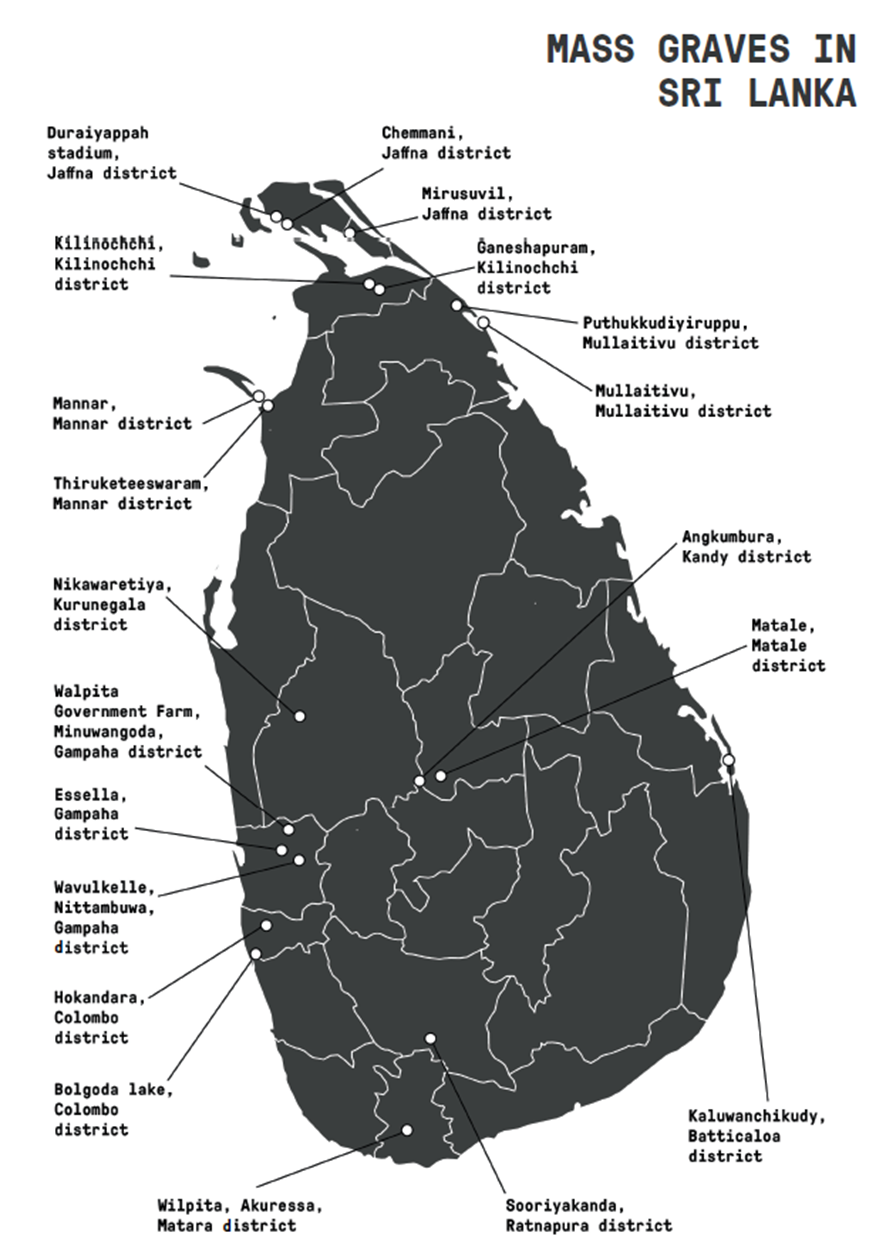
This list is not exhaustive.
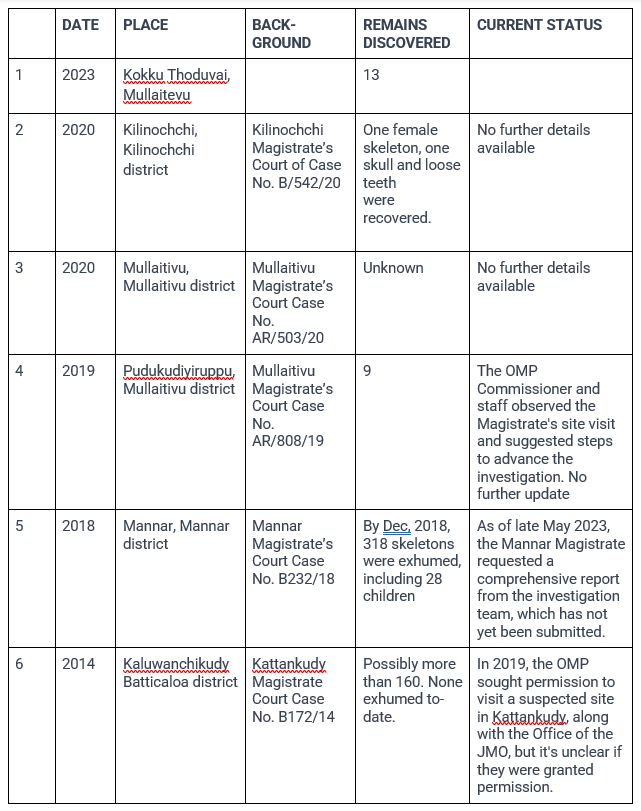
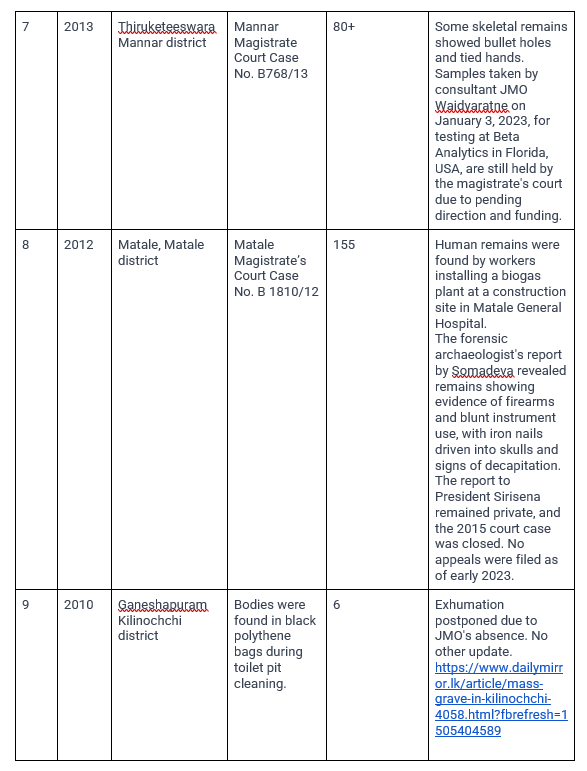
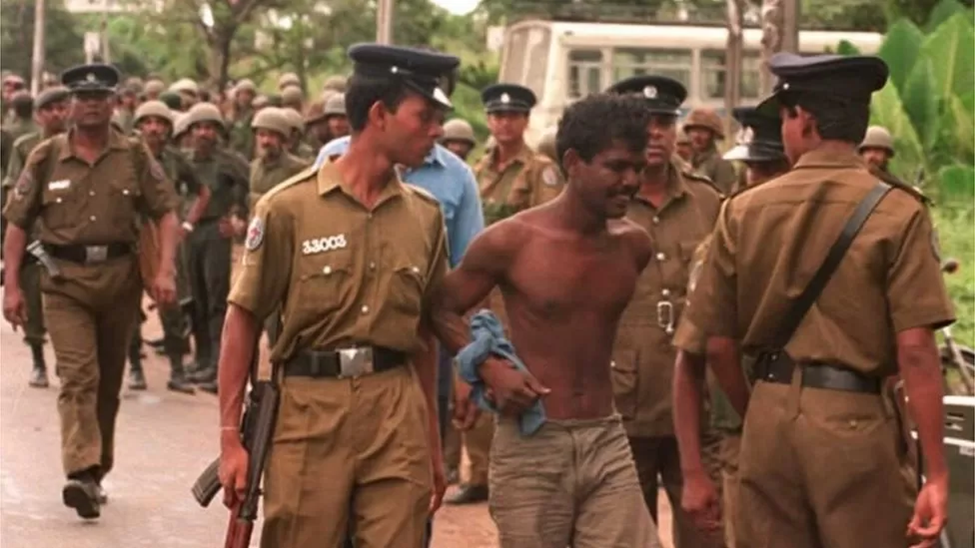
AFP: Many people were taken into custody during the conflict and thousands disappeared
References
[1] Sri Lanka: International expertise ruled out in newly found mass grave exhumations
[2] TNA calls for international probe into Mannar Mass grave
[3] SL military conceals mass graves at Varani in Thenmaraadchi
[4] Sri Lanka is uncovering mass graves but not the grisly truth of its civil war
[5] U.S. sanctions 2 Sri Lankan military officers over human rights violations
[6] Mass graves everywhere, but where are the killers
[7] Transitional Justice in Sri Lanka: Moving Beyond Promises, Pg 309
[8] Impunity: Sri Lanka Attorney General obstructs justice says Sinhala judge
[9] For Whose Desire that Chemmani Mass Grave Case was Closed
[10] Mass graves everywhere, but where are the killers? - Part 2
[11] Chemmani report submitted to Court
[12] Magistrate demands swift end to Chemmani probe
[16] The Bournemouth Protocol on Mass Grave Protection and Investigation
[17] Families in Sri Lanka yearn for answers on relatives who disappeared in civil war
[18] https://itjpsl.com/reports/mass-graves
Cover Photo:
Arumuga Lakshmi is haunted by unanswered questions regarding the whereabouts of her two children, who have been missing for several years.

12,027
The Issue
As survivors of Sri Lanka’s genocidal war, we call for an urgent, internationally monitored, impartial investigation into the mass grave discovered on June 29th, 2023, in Kokku Thoduvai. [1] It is not the first mass grave in Sri Lanka. In recent decades, twenty-three unmarked graves have been accidentally uncovered during construction work, and many of the bodies were severely mutilated. Some skulls were blindfolded with bullet holes; others had their hands tied behind their backs[2].
Kokku Thoduvai mass grave
A troubling truth has emerged after exhumations of these mass graves in the last three decades: the Sri Lankan state has consistently demonstrated its inability or reluctance to ensure an impartial investigation or truth-seeking behind the mass graves. Furthermore, there are indications that the Sri Lankan military actively concealed mass graves[3] without facing any consequences, creating additional obstacles in the quest for truth and justice.
The United Nations (UN) special procedures and several presidential commissions have repeatedly drawn attention to the absence of a sufficient legal framework and political system in Sri Lanka, preventing the conduct of impartial investigations and the delivery of justice. There has not been any sign of progress or interest from the government; this ongoing tragedy leaves families of the disappeared in a constant state of fear, uncertain about the fate of their loved ones. Sadly, closure continues to elude these families, making international pressure crucial for resolving this tragic ongoing situation.
Family members of forcibly disappeared persons from the North & East of Sri Lanka, Reuters
"Navi" Pillay, who served as a judge at the International Criminal Tribute for Rwanda (ICTR) from 2003 to 2008 and then as the United Nations High Commissioner for Human Rights from 2008 to 2014, said,
"The United Nations' investigations determined that during the war in Sri Lanka international crimes, such as war crimes and crimes against humanity were committed. Yet, there has been no judicial mechanism no perpetrators have been brought to justice. Recently, in a cynical move, the President pardoned and released from prison the only soldier and Army sergeant who had been convicted by the courts and sentenced to prison for killing eight civilians, including a child. He was released by the President last month. This is a far cry from justice; Tamils in Sri Lanka continue to suffer all kinds of prejudice, discrimination, and violation of human rights. The lands that were stolen from them by the military have still not been restored."
Every excavation provides hope to families seeking their missing loved ones. Yet, the Sri Lankan government's approach has yielded limited identification of remains and brought few responsible for disappearances to justice. This juncture calls for addressing past excavation deficiencies such as culture of impunity, political interference, conflict of interest in AGO (Attorney General’s Office), and witness tampering and calls for guaranteeing that forthcoming excavations meticulously uphold the families' entitlement to truth, justice, and reparation.
Culture of Impunity
In Sri Lanka, a lack of effective mechanisms, procedures, or practices hinders an independent, unbiased investigation to identify the victims, ascertaining the circumstances of their death, and ultimately pursuing prosecution and securing convictions.
One exception concerns Sunil Ratnayake, a member of the military's LRRP, who was convicted in 2015 for killing eight individuals (including three children) whose bodies were discovered in a well in Mirusuvil, Jaffna district, in 2000. Although four other suspects were acquitted, Ratnayake's death sentence was upheld on appeal. However, he was pardoned in 2020 by then-President Gotabaya Rajapaksa, exemplifying impunity and violating domestic and international laws.[5]
Family members of forcibly disappeared persons from the North & East of Sri Lanka, Reuters
Political Interference
The Minnesota Protocol states that one crucial element is conducting investigations not influenced by institutional hierarchies or chains of command. In Sri Lanka, the interference of politicians in the exhumation processes lies at the core of the failures to uncover the truth and deliver justice to the victims who have disappeared so far.
The initial inspection of the Kaluwanchikudy site in Batticaloa district in 2014 was conducted hastily, assuming that the remains found belonged to LTTE victims. However, subsequent investigations were halted, raising suspicions that the state deliberately suspended the inquiries to avoid potential implications for Vinayagamoorthy Muralitharan (Colonel Karuna). Colonel Karuna defected from the LTTE and collaborated with the military in 2004 before officially joining the regime of Mahinda Rajapaksa, then the president of the country, in 2008. Despite nearly a decade passing since the initial complaint, no exhumations took place at the site [6].
The judicial system in Sri Lanka lacks independence.
To sway exhumation processes, senior government officials frequently transfer magistrates, police officers, or other officials to different positions or locations.
- During the Mannar exhumation case, which has continued into 2023, seven magistrates have presided over the hearings. Some were transferred as part of regular rotations, while others were reportedly moved due to political pressure. The Judicial Medical Officers (JMO) handling the Mannar site in 2018 was transferred to Colombo in 2019. No identification of the bodies from the mass grave was achieved. The JMO from the 2013 exhumation was moved to Anuradhapura and later to Matale, impeding the analysis of the remains.
- In the Matale case, Judge Chathurika Silva was removed from the case following her order for the CID to publish notices in newspapers in all three languages to locate the families of the missing. The new judge declined to accept additional affidavits and referred them to the Presidential Commission of Inquiry.[7]
Sri Lanka’s Attorney General’s Office (AGO) is marred by conflicts of interest.
The lack of independence in the AGO and the broader legal system has raised persistent concerns. Concerning exhumations, the AGO's role in dropping cases, granting bail to suspects, and prioritizing pending procedures has been problematic. The Chief Magistrate highlighted that the AGO's absence was deemed an obstruction of justice.[8]
- After discovering the Chemmani mass graves in 1998, a committee of five members implicated four army officers in 15 disappearances. Despite this, the committee's report remained unpublished. Following the AGO's advice, the suspects were released on bail in July 2000, and all four officers were later promoted.[9] [10]
Capt. C.J.T.K. Lalith Hewa (61834), Capt. T.D. Sasika Perera (62188), Capt. Sachindra Wijesiriwardena (62421), and Lt. A. Yatagama (63088) were implicated in a series of sexual assaults and homicides within the region, according to Somaratne Rajapakse.
What happened to the Chemmani mass grave case?
“They were given personal legal support by Peter Mohan Maithri Peiris, then an assistant advocate at the Attorney General’s department. Later, the case was taken up several times, but as soon as Mohan Peiris was posted to high positions, the Chemmani mass grave case was thrown under the carpet. The impounded passports were returned to the suspects. For these services, Mohan Peiris received a considerable sum of money from the suspects.” .[9]
-
AGO representatives have consistently caused delays in the early stages of proceedings, as seen in the Chemmani investigations. Their repeated requests for delays frustrated the magistrate and lawyers representing the victims' families.[11] [12] [13]
Mohan Maithri Peiris then became a permanent representative of Sri Lanka to the United Nations.
Mohan Maithri Peiris
Witness Tampering
The Minnesota Protocol requires a site to be secured at the earliest possible opportunity, and unauthorized personnel are not permitted entry. Still, in Sri Lanka, the military actively conceals the mass graves, and the judicial system has no power over the military. [3] Reports have emerged of threats being directed toward witnesses involved in exhumations. Lance Corporal Somaratne Rajapakse, who in 1996 disclosed the presence of mass graves at Chemmani, Jaffna, came up against threats and physical violence. Additionally, his wife received two letters, purportedly from ‘some members of the army,’ pressuring her to ensure that he retracted his statement made in court.[14]
During the exhumations in Matale, the involvement of Gotabaya Rajapaksa, who was the Secretary to the Ministry of Defense at the time (and had previously served as the Military Coordinating Officer of Matale district from July 1989 to January 1990, later becoming the President of Sri Lanka), stands as a significant instance of witness tampering. It was alleged that he issued orders to destroy all police registers and records older than 5 years at police stations in the Central Province, including Matale.[15]
Absence of Political Determination
Sri Lanka faces limitations in its forensic capacity and often relies on foreign testing for exhumation results. There have been significant delays in forensic experts submitting reports to magistrates, such as in the case of the Sathosa building in Mannar. The forensic report, originally due by June 30, 2019, was yet unsubmitted as of May 2023. The delay is attributed to missing artifacts from the exhumation site, although some sources monitoring the situation express doubts about the given reasons. This serves as yet another prominent illustration of the absence of political will; even after 30 years, the Sri Lankan government has not demonstrated any intention to allocate adequate resources for an unbiased investigation. Conversely, state-owned enterprises (SOEs) have hired excessive employees, ultimately contributing to their downfall.
Demands
Over three decades, the mishandling of human graves confirms the Sri Lankan government's failure to address international crimes and human rights violations.
As a result, this severely violates the victims' rights and denies them the right to access the truth. Specific graves are suspected of potentially holding the remains of individuals who went missing while in the custody of Sri Lankan government troops. It is an unending tragedy for the families of the disappeared; they are forced to live and die without ever finding their loved ones.
At a June 2023 session on Sri Lanka in Geneva, Nada al-Nashif,[4] the UN's deputy high commissioner for human rights, stated,
“Accountability remains the fundamental gap in attempts to deal with the past…As long as impunity prevails, Sri Lanka will achieve neither genuine reconciliation nor sustainable peace."
Family members of forcibly disappeared persons from the North & East of Sri Lanka, Reuters
Sri Lanka has one of the highest recorded rates of enforced disappearances globally, with Amnesty International estimating that these cases have ranged from 60,000 to 100,000 since the late 1980s.[17] In line with international law, governments must thoroughly address families' inquiries about disappeared relatives, conducting consistent investigations to uncover evidence and hold responsible parties accountable for human rights violations. Still, the Sri Lankan government failed to do any of this, and as history says, it will never do anything without international pressure. Justice delayed is justice denied, and the ongoing struggle of the relatives of those who forcibly disappeared in the North and East has stretched for an excessive 2400 days as of today.
- We call upon international authorities and governments to implement sanctions, compelling the investigation of recently discovered mass grave sites and creating a dedicated unit with adequate resources without political interference to identify new graves.
- We urge to formally acknowledge the mass graves linked to the Tamil genocide on national and international levels, designating them as historically significant sites. We appeal to governments to allocate necessary resources for the respectful exhumation, identification, and commemoration of these graves to promote reconciliation and enhance educational opportunities.
- We also call for the Sri Lankan government to make all available information public to allow the relatives of missing persons to search for loved ones.
- Specific laws and regulations must be established to address matters concerning human remains, including identification, exhumation, preservation, and follow-up investigations. Preservation involves securely storing bones or soil from human burials along with maintaining relevant documentation.
- Facilitate a transparent dialogue with international experts and ensure that any established framework, policy, and standard operating procedures incorporate audit and adherence to Bournemouth resolutions.
- Guarantee the participation of observers during excavations and seeking assistance from international forensic experts to ensure impartiality.
- Introduce cutting-edge technologies like LiDAR, geospatial analysis, and thermal imaging to assist in discovering and dating human burials while implementing robust security measures to safeguard sensitive burial information and deter acts of vandalism.
- Provide an opportunity for family members to witness and identify the recovered remains, along with any accompanying personal belongings, and then facilitate the respectful return of these identified remains to their rightful individuals.
They deserve to know the truth!
“The world will not be destroyed by those who do evil, but by those who watch them without doing anything.”
*********************Tamil Translation***************************
இலங்கையில் நடந்த 30 வருட இனப்படுகொலைப் போரில் உயிர் பிழைத்தவர்கள் என்கிற வகையில், கொக்குத்தொடுவாயில்[1], ஜூன் 29, 2023 அன்று கண்டுபிடிக்கப்பட்ட மனித புதைகுழி குறித்து சர்வதேசத்தால் கண்காணிக்கப்படும், பாராபட்சமற்ற அவசர சர்வதேச விசாரணையை நாங்கள் கோருகிறோம். கொக்குத்தொடுவாய் இலங்கையின் முதல் மனித புதைகுழி அல்ல. கடந்த பத்தாண்டுகளில், இருபத்தி மூன்று மனித புதைக்குழிகள் கட்டுமானப் பணிகளின் போது கண்டுபிடிக்கப்பட்டன. பல உடல்கள் கடுமையாக சிதைக்கப்பட்டும், மண்டை ஓடுகள் துப்பாக்கி குண்டுகளால் துளைக்கப்பட்டும், கைகள் முதுகுக்குப் பின்னால் கட்டப்பட்ட நிலையிலும் உடல்கள் கண்டெடுக்கப்பட்டன[2].
கடந்த முப்பது ஆண்டுகளில், தொடர்ச்சியாக தோண்டியெடுக்கப்பட்டு வரும் மனித புதைகுழிகளினால் பல கவலைக்குரிய உண்மைகள் வெளிப்பட்டுள்ளது. இலங்கை அரசு மனித புதைகுழிகளுக்குப் பின்னால் இருக்கும் உண்மையை அறிய பாரபட்சமற்ற விசாரணை முடுக்கி விடுவதில் தனது விருப்பமின்மையை அல்லது இயலாமையைத் தொடர்ந்து நிரூபித்து வருகிறது. மேலும், பல தடைகளை உருவாக்கி உண்மையை உலகுக்கு அறிய விடாமல் மனித புதைகுழிகளை[3] இலங்கை இராணுவம் தீவிரமாக மறைத்து வருகிறது என்பதற்கு பல சான்றுகள் உள்ளன.
ஐக்கிய நாடுகள் சபையின் (ஐ.நா.) சிறப்பு நடைமுறை மற்றும் உயர் ஆணையம், இலங்கையில் போதிய சட்ட கட்டமைப்பு மற்றும் அரசியல் அமைப்பு இல்லாதது குறித்தும், பாரபட்சமற்ற விசாரணை, நீதி வழங்கப்படுவதைத் தடுப்பது குறித்தும் தொடர்ச்சியாக கவனித்து வந்துள்ளது. இந்த பிரச்சனைகள் தீர்ப்பது தொடர்பாக இலங்கை அரசாங்கத்திடம் எந்தவொரு முன்னேற்றமோ ஆர்வமோ இல்லை. பல ஆண்டுகளாக இந்த துயரம் தொடர்கிறது. காணாமல் போனவர்களையோ அல்லது அவர்களது குடும்ப உறுப்பினர்களை பற்றியோ எந்த தகவலும்,அக்கறையும் இல்லாத நிலை தான் தொடர்ந்து நீடிக்கிறது. இந்த சோகமான தற்போதைய சூழ்நிலையைத் தீர்ப்பதற்கு சர்வதேச அளவில் விசாரணையை முடுக்கிவிடும் அழுத்தம் மிக முக்கியமாகின்றது.
2003 முதல் 2008 வரை ருவாண்டாவிற்கான சர்வதேச குற்றவியல் நீதிமன்றத்தில் (ICTR) நீதிபதியாகவும், பின்னர் 2008 முதல் 2014 வரை ஐக்கிய நாடுகளின் மனித உரிமைகள் உயர் ஆணையராகவும் பணியாற்றிய "நவி" பிள்ளை, பின்வருமாறு கூறுகிறார்,
“.....ஐக்கிய நாடுகள் சபையின் விசாரணையில் இலங்கையில் நடந்த போரின் போது போர்க்குற்றங்கள் மற்றும் மனித குலத்திற்கு எதிரான குற்றங்கள் போன்ற சர்வதேச குற்றங்கள் இழைக்கப்பட்டதாக உறுதி செய்யப்பட்டது. எவ்வாறாயினும், குற்றவாளிகள் நீதியின் முன் நிறுத்தப்படவில்லை. அண்மையில், ஒரு குழந்தை உட்பட எட்டு பொதுமக்களைக் கொன்றதற்காக நீதிமன்றத்தால் தண்டிக்கப்பட்டு சிறைத்தண்டனை விதிக்கப்பட்ட ஒரு சிப்பாய் மற்றும் இராணுவ சார்ஜென்ட் ஆகியோரை ஜனாதிபதி மன்னித்து சிறையில் இருந்து விடுதலை செய்தார். இது நியாயமானதல்ல; இலங்கையில் உள்ள தமிழர்கள் அனைத்து வகையான பாகுபாடுகள் மற்றும் மனித உரிமை மீறல்களை அனுபவித்து வருகின்றனர். இராணுவத்தினரால் அவர்களிடமிருந்து அபகரிக்கப்பட்ட காணிகள் இன்னும் மீட்கப்படவில்லை....” என்றார்.
தமது அன்புக்குரியவர்களைத் தேடும் குடும்பங்களுக்குப் மனித புதைக்குழியை தோண்டும் ஆய்வானது இழந்து போயிருந்த நம்பிக்கையைத் திரும்ப தருகிற உணர்வை ஏற்படுத்துகிறது. எவ்வாறாயினும், இலங்கை அரசாங்கத்தின் அணுகுமுறையானது பெரிய அளவில் உடல் எச்சங்களை அடையாளம் காணவோ, காணாமல் ஆக்கப்பட்டதற்கு காரணமாக இருந்த குற்றவாளிகளை நீதியின் முன் நிறுத்தவோ பெரிதாக வழிவகுக்கவில்லை. தண்டனையிலிருந்து தப்பித்தல், அரசியல் தலையீடு, AGO (அட்டார்னி ஜெனரல் அலுவலகம்) மீதான கருத்து வேற்றுமை மற்றும் சாட்சிகளை சேதப்படுத்துதல், வழக்கில் குறுக்கீடு செய்தல் போன்ற கடந்தகால அகழ்வாராய்ச்சிகளின் குறைபாடுகளை நீக்கி, எதிர்கால அகழ்வாராய்ச்சிகளை உரிய முறையில் நடத்தி உண்மைமை கண்டறிந்து அதனூடாக பாதிக்கப்பட்ட தமிழ் மக்களுக்கு, நீதி மற்றும் இழப்பீடுகளை வழங்கி இழந்த குடும்பகளுக்கு உரிய உத்தரவாதம் அளிக்க வேண்டும்.
தண்டனையின்மை கலாச்சாரம்
இலங்கையில், போதிய சட்ட நடைமுறைகள் இல்லாததால், பாதிக்கப்பட்டவர்களை அடையாளம் காணவும், அவர்களின் இறப்புக்கான சூழ்நிலைகளைக் கண்டறியவும், குற்றம் இழைத்தவர்களுக்கு எதிராக வழக்குத் தொடரவும், தண்டனை வழங்கவும், சுயாதீனமான பாராபட்சமற்ற விசாரணைகளை மேற்கொள்ள முடியாத சூழல் நிலவுகின்றது.
2000 ஆம் ஆண்டு யாழ்ப்பாண மாவட்டம் மிருசுவிலில் கிணற்றில் இருந்து சடலங்களாக கண்டெடுக்கப்பட்ட எட்டு நபர்களை (மூன்று குழந்தைகள் உட்பட) கொன்றதற்காக 2015 இல் ரத்நாயக்கவிற்கு மரண தண்டனை விதிக்கப்பட்டது. இதில் குற்றம் சாட்டப்பட்ட நான்கு சந்தேகநபர்கள் விடுவிக்கப்பட்ட போதிலும், மேன்முறையீட்டில் ரத்நாயக்கவின் மரண தண்டனை உறுதி செய்யப்பட்டது.இருப்பினும், அவர் 2020 ஆம் ஆண்டில் அப்போதைய ஜனாதிபதி கோத்தபாய ராஜபக்ஷவால் மன்னிக்கப்பட்டு விடுதலை செய்யப்பட்டார். இது இலங்கையில் இனப்படுகொலைக்கு தண்டனையின்மை மற்றும் உள்நாட்டு, சர்வதேச சட்டங்களை மீறுவதற்கான எடுத்துக்காட்டாகும்.[5]
அரசியல் தலையீடு
மினசோட்டா நெறிமுறையின் ஒரு முக்கியமான உறுப்பானது, நிறுவனப் படிநிலைகள் அல்லது கட்டளை பொறிமுறைகளால் பாதிக்கப்படாத விசாரணையை நடத்துவதை பற்றி கூறுகிறது. இலங்கையில் மனிதப்புதைகுழி அகழ்வில், இதுவரையில் காணாமல் போனவர்களுக்கான உண்மையை வெளிக்கொணரவும், நீதியை வழங்கவும் தவறியதன் முக்கிய காரணமாக அரசியல்வாதிகளின் தலையீடு உள்ளது.
2014ம் ஆண்டு மட்டக்களப்பு மாவட்டத்தின் களுவாஞ்சிகுடி பிரதேசத்தில் கண்டெடுக்கப்பட்ட சடலங்கள் விடுதலைப் புலிகளால் கொல்லப்பட்டவர்களின் சடலங்களாக இருக்கலாம் எனக் கருதி துரிதமாக ஆய்வுகள் மேற்கொள்ளப்பட்டது. எவ்வாறாயினும்,இந்த ஆய்வில் விநாயகமூர்த்தி முரளிதரனுக்கு (கேணல் கருணா) எதிராக ஏற்படக்கூடிய தாக்கங்களைத் தவிர்ப்பதற்காக அரசாங்கம் வேண்டுமென்றே விசாரணையைத் தாமதப்படுத்தியதாக சந்தேகம் எழுகிறது, அந்த ஆய்வுகள் தொடர்பான விசாரணைகள் நிறுத்தப்பட்டன. கேணல் கருணா LTTE யில் இருந்து விலகி 2004 இல் இராணுவத்துடன் மகிந்த ராஜபக்ச ஆட்சியில் உத்தியோகபூர்வமாக இணைந்து கொண்டார். கிட்டத்தட்டப் பத்தாண்டுகள் கடந்துவிட்ட போதிலும், அந்த இடத்தில் எந்த அகழ்வாராய்ச்சியும் மேற்கொள்ளப்படவில்லை என்பது குறிப்பிடத்தக்கது.[6]
இலங்கை நீதித்துறை சுதந்திரமாக செயல்படவில்லை
அகழ்வாராய்ச்சி செயல்முறையில் செல்வாக்கு செலுத்தும், மூத்த அரசாங்க அதிகாரிகள் பெரும்பாலும் நீதிபதிகள், காவல்துறை அதிகாரிகளை அல்லது பிற அதிகாரிகளை வெவ்வேறு பதவிகள் வழங்குதல் மூலமோ அல்லது அவர்களை வேறு இடங்களுக்கு பணிமாற்றம் செய்வதன் மூலமாகவோ தொடர்ச்சியாக மனித புதைக்குழி அகழ்வாராச்சிகளுக்கு இடையூறு விளைவிக்கிறார்கள்.
- 2023 ஆம் ஆண்டு வரை தொடரும் மன்னார் மனித புதைக்குழி அகழ்வு வழக்கின் போது, ஏழு நீதிபதிகள் முன்னிலையாகினர். சிலர் வழக்கமான சுழற்சியின் ஒரு பகுதியாக பணியிடம் மாற்றம் செய்யப்பட்டனர். மற்றவர்கள் அரசியல் அழுத்தம் காரணமாக பணியிடம் மாற்றப்பட்டதாக கூறப்படுகிறது. 2018 இல் மன்னார் புதைகுழியை கையாண்ட நீதித்துறை மருத்துவ அதிகாரி (JMO) 2019 இல் கொழும்புக்கு இடமாற்றம் செய்யப்பட்டார்.மேலும், இவ்வாறு அதிகாரிகள் அடிக்கடி பணியிடமாற்றம் செய்யப்படுவதால் மனித புதைகுழியில் இருந்து எச்சங்களை அடையாளம் காணும் நடவடிக்கைகளில் குழப்பங்கள் விளைவிக்கப்படுகின்றன. 2013 அகழ்வாராய்ச்சியில் இருந்து நீதித்துறை மருத்துவ அதிகாரி அனுராதபுரத்திற்கும் பின்னர் மாத்தளைக்கும் மாற்றப்பட்டதால் சிதைந்த உடல்களை பகுப்பாய்வு செய்வதில் தடை ஏற்பட்டது.
- மாத்தளை வழக்கில், காணாமல் போனவர்களின் குடும்பங்களைக் கண்டறிய மூன்று மொழிகளிலும் செய்தித்தாள்களில் அறிவிப்புகளை வெளியிடுமாறு CID க்கு உத்தரவிட்டதைத் தொடர்ந்து நீதிபதி சதுரிகா சில்வா வழக்கிலிருந்து நீக்கப்பட்டார். புதிய நீதிபதி மேலதிக வாக்குமூலத்தை ஏற்க மறுத்து ஜனாதிபதி விசாரணை ஆணைக்குழுவிற்கு அனுப்பி வைத்தார்[7].
இலங்கையின் அட்டர்னி ஜெனரல் அலுவலகம் (AGO) பல்வேறுப்பட்ட முரண்பாடுகளால் பாதிக்கப்பட்டுள்ளது.
சுதந்திரம் இல்லாத சட்ட நிர்வாக கட்டமைப்பும், சுதந்திரமற்ற AGO நிலைப்பாடுகளும் தொடர்ந்து கவலைக்குரிய விடயங்களாக உள்ளன.மனிதப்புதைகுழி அகழ்வை பொறுத்தவரை, வழக்குகளை கைவிடுதல், சந்தேக நபர்களுக்கு ஜாமீன் வழங்குதல் மற்றும் நிலுவையில் உள்ள நடைமுறைகளுக்கு முன்னுரிமை அளிப்பதில் AGO-வின் பங்கு சிக்கலாக உள்ளது. தலைமை மாஜிஸ்திரேட்டும் , AGOவின் அசமந்தப்போக்கு நீதிக்கு இடையூறாக இருப்பதாக குறிப்பிட்டுள்ளார். [8]
- 1998 இல் செம்மணி மனிதப்புதைகுழிகளைக் கண்டுபிடித்த பின்னர், ஐந்து பேர் கொண்ட குழு நான்கு இராணுவ அதிகாரிகளை 15 காணாமல் போனவர்களுடன் தொடர்புள்ளவர்கள் என்று கண்டறிந்தது.இருந்த போதிலும், முழுமையான இவர்கள் மீதான குற்ற அறிக்கை வெளியிடப்படாமல் மறைக்கப்பட்டது. AGO ஆலோசனையைத் தொடர்ந்து, சந்தேக நபர்கள் ஜூலை 2000 இல் ஜாமீனில் விடுவிக்கப்பட்டனர், மேலும் நான்கு அதிகாரிகளும் பின்னர் பதவி உயர்வு பெற்றனர்.[9][10]
“அப்போது சட்டமா அதிபர் திணைக்களத்தில் உதவி சட்டத்தரணியாக இருந்த பீட்டர் மொஹான் மைத்திரி பீரிஸினால் குற்றம் சாட்டப்பட்டவர்களுக்கு தனிப்பட்ட சட்ட ஆதரவு வழங்கப்பட்டது. பின்னர் பல தடவைகள் இந்த வழக்கு விசாரணைக்கு எடுத்துக் கொள்ளப்பட்ட போதிலும், மொஹான் பீரிஸ் உயர் பதவிகளில் அமர்த்தப்பட்டவுடன் செம்மணி மனித புதைகுழி வழக்குத் தூக்கி எறியப்பட்டது. பறிமுதல் செய்யப்பட்ட கடவுச்சீட்டுகள் சந்தேகநபர்களிடம் ஒப்படைக்கப்பட்டன. இந்தச் செயல்களுக்காக மொஹான் பீரிஸ் சந்தேக நபர்களிடமிருந்து கணிசமான தொகையைப் பெற்றுள்ளார்” என்றார். [9] - செம்மணி விசாரணைகளில் காணப்படுவது போல், AGO பிரதிநிதிகள் ஆரம்ப கட்டங்களில் தொடர்ந்து தாமதத்தை ஏற்படுத்தி வந்திருக்கின்றனர்.வழக்கை காலதாமதம் செய்வதற்காக அவர்கள் தொடர்ச்சியான மேற்கொண்ட கோரிக்கைகள் பாதிக்கப்பட்டவர்களின் குடும்பங்களை பிரதிநிதித்துவப்படுத்தும் மாஜிஸ்திரேட் மற்றும் வழக்கறிஞர்களை விரக்தியடையச் செய்தது.[11][12][13]
அதன் பின்னர் மொஹான் மைத்திரி பீரிஸ் ஐக்கிய நாடுகள் சபைக்கான இலங்கையின் நிரந்தரப் பிரதிநிதியானார்.
சாட்சி திருத்துதல்
மின்னசோட்டா நெறிமுறையின்படி,மனிதபடுகொலை செய்யப்பட்ட புதைகுழிகள் உடனடியாக பாதுகாக்கப்பட வேண்டும், மேலும் அங்கீகரிக்கப்படாத பணியாளர்கள் நுழைய அனுமதிக்கப்படுவதில்லை.ஆனால் இப்படி சட்டங்கள் இருந்த போதும் இலங்கையில், இராணுவம் மனித புதைகுழிகளை தீவிரமாக மறைக்கிறது, மேலும் இலங்கையின் நீதி அமைப்பால் இராணுவத்தின் மீது அதிகாரம் செலுத்த கூடிய பொறிமுறைகள் இல்லை[3]. மனித புதைக்குழி தோண்டியெடுப்புகளில் ஈடுபட்டுள்ள சாட்சிகளுக்கு அச்சுறுத்தல்கள் இருப்பதாக அறிக்கைகள் வெளிவந்துள்ளன. 1996 ஆம் ஆண்டு யாழ்ப்பாணம் செம்மணியில் மனித புதைகுழிகள் இருப்பதை வெளிப்படுத்திய லான்ஸ் கோப்ரல் சோமரத்ன இராஜபக்ஷ, அச்சுறுத்தல்கள் மற்றும் உடல்ரீதியான வன்முறைகளுக்கு முகம் கொடுத்து அதற்கு எதிராக முறையீடு செய்ய முன்வந்தார்.இதனால் அவரது மனைவிக்கு இரண்டு கடிதங்கள் சில இராணுவ உறுப்பினர்கள் ஊடாக அழுத்தம் கொடுத்து அவர் நீதிமன்றத்தில் அளித்த அறிக்கையைத் திரும்பப் பெறுவதை உறுதி செய்யுமாறு அழுத்தம் கொடுத்தனர்[14].
மாத்தளையில் மனித புதைகுழி தோண்டியெடுக்கப்பட்ட போது, பாதுகாப்பு அமைச்சின் செயலாளராக இருந்த கோட்டாபய ராஜபக்ஷவின் ஈடுபாடு (முன்னர் ஜூலை 1989 முதல் ஜனவரி 1990 வரை மாத்தளை மாவட்டத்தின் இராணுவ ஒருங்கிணைப்பு அதிகாரியாக பணியாற்றி, பின்னர் ஸ்ரீ. லங்கா ஜனாதிபதி ), சாட்சிகளை சீர்குலைப்பதற்கான ஒரு குறிப்பிடத்தக்க நிகழ்வாக உள்ளது. மாத்தளை உட்பட மத்திய மாகாணத்தில் உள்ள பொலிஸ் நிலையங்களில் உள்ள அனைத்து பொலிஸ் பதிவுகளையும் 5 வருடங்களுக்கும் மேலான பதிவுகளையும் அழிக்குமாறு அவர் உத்தரவு பிறப்பித்ததாக குற்றம் சுமத்தப்பட்டது.[15]
அரசியல் உறுதி இல்லாதது
இலங்கை அரசு அதன் தடயவியல் நிபுணத்துவ திறனில் பல சிக்கல்களை எதிர்கொள்கிறது மற்றும் மனித புதைகுழிகளில் தோண்டி எடுக்கும் முடிவுகளுக்கு வெளிநாட்டு சோதனைகளை அடிக்கடி நம்பியுள்ளது, உதாரணமாக மன்னாரில் உள்ள சதொச கட்டிட விவகாரம், இதில் தடயவியல் நிபுணர்கள் நீதவான்களுக்கு அறிக்கை சமர்ப்பிப்பதில் குறிப்பிடத்தக்க தாமதம் ஏற்பட்டுள்ளது. முதலில் ஜூன் 30, 2019 க்குள் சமர்ப்பிக்கப்பட வேண்டிய தடயவியல் அறிக்கை, மே 2023 வரை சமர்ப்பிக்கப்படவில்லை. இந்த காலதாமதத்திற்கு காரணம் தோண்டியெடுக்கப்பட்ட தளத்தில் இருந்து காணாமல் போன பொருட்கள் என்று கூறப்பட்லாலும், நிலைமையை கண்காணிக்கும் சிலர் கொடுக்கப்பட்ட காரணங்களில் சந்தேகங்கள் வெளிப்படுத்துகின்றன. அரசியல் விருப்பமின்மைக்கு இது மற்றொரு முக்கிய எடுத்துக்காட்டு; 30 ஆண்டுகளுக்குப் பிறகும், ஒரு பக்கச்சார்பற்ற விசாரணைக்கு போதுமான மனித மற்றும் பொருளாதர வழங்களை ஒதுக்கும் எந்த நோக்கத்தையும் இலங்கை அரசாங்கம் வெளிப்படுத்தவில்லை. மாறாக, அரசுக்கு சொந்தமான நிறுவனங்கள் (SOEs) அதிகப்படியான ஊழியர்களை வேலைக்கு அமர்த்தியுள்ளன, இறுதியில் அவர்களின் வீழ்ச்சிக்கு பங்களிக்கின்றன.
கோரிக்கைகள்
மூன்று தசாப்தங்களுக்கு மேலாக, மனித புதைகுழிகளை இலங்கை தவறாகக் கையாண்டது, சர்வதேச குற்றங்கள் மற்றும் மனித உரிமை மீறல்களுக்கு தீர்வு காண இலங்கை அரசாங்கம் தவறியதை உறுதிப்படுத்துகிறது.
இதன் விளைவாக, இது பாதிக்கப்பட்டவர்களின் உரிமைகளை கடுமையாக மீறுகிறது, மற்றும் உண்மையை அணுகுவதற்கான உரிமையையும் மறுக்கிறது. இலங்கை அரசாங்கப் படையினரின் காவலில் இருந்தபோது காணாமல் போனவர்களின் எச்சங்கள் குறிப்பிட்ட புதைகுழிகளில் இருக்கலாம் என சந்தேகிக்கப்படுகிறது. காணாமல் போனவர்களின் குடும்பங்களுக்கு இது தீராத சோகம்; அவர்கள் தங்கள் அன்புக்குரியவர்களைக் கண்டுபிடிக்காமல் துயரமான ஒரு வாழ்க்கை வாழ வேண்டிய ஒரு அவள நிலைக்கு தள்ளப்பட்டுள்ளார்கள்.
ஜூன் 2023 இல் ஜெனீவாவில் இலங்கை தொடர்பான அமர்வில், மனித உரிமைகளுக்கான ஐ.நா.வின் துணை உயர் ஆணையர் நடா அல்-நஷிப்,[4],
"கடந்த காலத்தை கையாள்வதற்கான முயற்சிகளில் பொறுப்புக்கூறல் என்பது அடிப்படை இடைவெளியாகவே உள்ளது...தண்டனையின்மை நிலவும் வரை, இலங்கை உண்மையான நல்லிணக்கத்தையோ அல்லது நிலையான சமாதானத்தையோ அடையாது."
அதிக வலிந்து காணாமல் ஆக்கப்பட்டவர்கள் உள்ள நாடுகளின் பட்டியலில் இலங்கையும் ஒன்று. கணக்கெடுப்பின் படி 60,000 க்கும் 100,000 இடைப்பட்டவர்கள் 1980ம் ஆண்டிலிருந்து காணமல் ஆக்கப்பட்டுள்ளனர். சர்வதேச சட்டங்களுக்கு அமைவாக, இலங்கை அரசாங்கமானது காணமல் போன உறவினர்களுடைய கோரிக்கைக்கு ஏற்ப, முழுமையான விசாரணை செய்து உண்மையை கண்டறிவது மட்டுமல்லாது, இவ்வாறான அடிப்படை மனித உரிமை மீறல்கள் புரிந்தவர்களை அதற்கு பொறுப்பேற்க்க வேண்டிய நடவடிக்கைகளையும் மேற்கொள்ள வேண்டும். ஆனால் இவை அனைத்தையும் செய்ய இலங்கை அரசாங்கம் தவறியுள்ளது. கடந்த கால நிகழ்வுகளின்படி, சர்வதேச அழுத்தம் இல்லாமல் இலங்கை அரசு ஒருபோதும் இதற்கு பொறுப்பு கூறப்போவதில்லை. தாமதமான நீதி என்பது மறுக்கப்பட்ட நீதிக்கு சமமானது, வடக்கு, கிழக்கில் பலவந்தமாக காணாமல் ஆக்கப்பட்டவர்களின் உறவினர்களின் தொடர் போராட்டம் இன்று வரை 2375 நாட்களாக தொடர்ந்த வண்ணமுள்ளது.
- சமீபத்தில் கண்டுபிடிக்கப்பட்ட மனித புதைகுழிகள் பற்றிய விசாரணையை கட்டாயப்படுத்தி, புதிய புதைகுழிகளை அடையாளம் காண அரசியல் தலையீடு இல்லாமல் போதுமான ஆதாரங்களுடன் ஒரு பிரத்யேக பிரிவை உருவாக்க, தடைகளை அமல்படுத்த சர்வதேச அதிகாரிகளையும் அரசாங்கங்களையும் நாங்கள் அழைக்கிறோம்.
- தேசிய மற்றும் சர்வதேச மட்டங்களில் தமிழ் இனப்படுகொலையுடன் தொடர்புடைய வெகுஜன புதைகுழிகளை முறையாக அங்கீகரிக்கவும், அவற்றை வரலாற்று முக்கியத்துவம் வாய்ந்த இடங்களாக குறிப்பிடவும் வலியுறுத்துகிறோம். நல்லிணக்கத்தை ஊக்குவிப்பதற்கும் கல்வி வாய்ப்புகளை மேம்படுத்துவதற்கும் இந்த கல்லறைகளை மரியாதையுடன் தோண்டி எடுப்பதற்கும், அடையாளம் காண்பதற்கும், நினைவுகூருவதற்கும் தேவையான ஆதாரங்களை ஒதுக்குமாறு அரசாங்கங்களுக்கு நாங்கள் வேண்டுகோள் விடுக்கிறோம்.
- காணாமல் ஆக்கப்பட்டவர்களின் உறவினர்கள் அன்பானவர்களைத் தேடுவதற்கு இலங்கை அரசாங்கம் கிடைக்கக்கூடிய அனைத்துத் தகவல்களையும் பகிரங்கப்படுத்த வேண்டும் என்றும் நாங்கள் கேட்டுக்கொள்கிறோம்.
- மனித எச்சங்கள் தொடர்பான விஷயங்களை அடையாளம் காண, தோண்டியெடுத்தல், பாதுகாத்தல் மற்றும் பின்தொடர்தல் விசாரணைகள் உட்பட, குறிப்பிட்ட சட்டங்கள் மற்றும் ஒழுங்குமுறைகள் நிறுவப்பட வேண்டும். பாதுகாப்பு என்பது மனித புதைகுழிகளிலிருந்து எலும்புகள் அல்லது மண்ணை பாதுகாப்பாக சேமித்து வைப்பதோடு தொடர்புடைய ஆவணங்களை பராமரிப்பதை உள்ளடக்கியது.
- சர்வதேச வல்லுனர்களுடன் வெளிப்படையான உரையாடலை எளிதாக்குதல் மற்றும் எந்தவொரு நிறுவப்பட்ட கட்டமைப்பு, கொள்கை மற்றும் நிலையான செயல்பாட்டு நடைமுறைகள் தணிக்கை மற்றும் போர்ன்மவுத் தீர்மானங்களை கடைபிடிப்பதை உறுதிப்படுத்துகின்றன.
- அகழ்வாராய்ச்சியின் போது பார்வையாளர்களின் பங்கேற்புக்கு உத்தரவாதம் அளித்தல் மற்றும் பாரபட்சமற்ற தன்மையை உறுதிப்படுத்த சர்வதேச தடயவியல் நிபுணர்களின் உதவியை நாடுதல்.
- மனித புதைகுழிகளைக் கண்டறிவதற்கு உதவும் வகையில் LiDAR, புவிசார் பகுப்பாய்வு மற்றும் வெப்ப இமேஜிங் போன்ற அதிநவீன தொழில்நுட்பங்களை அறிமுகப்படுத்துங்கள், அதே நேரத்தில் முக்கியமான புதைகுழி தகவல்களைப் பாதுகாக்கவும், காழ்ப்புணர்ச்சிச் செயல்களைத் தடுக்கவும் வலுவான பாதுகாப்பு நடவடிக்கைகளைச் செயல்படுத்துங்கள்.
- மீட்கப்பட்ட எச்சங்களையும், அதனுடன் இருக்கும் தனிப்பட்ட உடமைகளையும் குடும்ப அங்கத்தினர்கள் சாட்சியாக வைத்து அடையாளம் காணும் வாய்ப்பை வழங்கவும், பின்னர் அடையாளம் காணப்பட்ட இந்த எச்சங்களை அவர்களின் உண்மையான உறவினர்களிடம் ஒப்படைக்கவும்.
*********************Tamil Translation End**********************
This list is not exhaustive.
AFP: Many people were taken into custody during the conflict and thousands disappeared
References
[1] Sri Lanka: International expertise ruled out in newly found mass grave exhumations
[2] TNA calls for international probe into Mannar Mass grave
[3] SL military conceals mass graves at Varani in Thenmaraadchi
[4] Sri Lanka is uncovering mass graves but not the grisly truth of its civil war
[5] U.S. sanctions 2 Sri Lankan military officers over human rights violations
[6] Mass graves everywhere, but where are the killers
[7] Transitional Justice in Sri Lanka: Moving Beyond Promises, Pg 309
[8] Impunity: Sri Lanka Attorney General obstructs justice says Sinhala judge
[9] For Whose Desire that Chemmani Mass Grave Case was Closed
[10] Mass graves everywhere, but where are the killers? - Part 2
[11] Chemmani report submitted to Court
[12] Magistrate demands swift end to Chemmani probe
[16] The Bournemouth Protocol on Mass Grave Protection and Investigation
[17] Families in Sri Lanka yearn for answers on relatives who disappeared in civil war
[18] https://itjpsl.com/reports/mass-graves
Cover Photo:
Arumuga Lakshmi is haunted by unanswered questions regarding the whereabouts of her two children, who have been missing for several years.
Petition Updates
Share this petition
Petition created on August 27, 2023