

Urgently Intervene to Save Sri Lankan Elephants - They are on the path to extinction!
The Issue
Despite increased efforts to tackle the surge in Human-Elephant Conflict due to deforestation and habitat fragmentation, 2022, 433 elephant deaths occured. It is highest-ever number that Sri lanka recorded. Nearly 400 elephants per year have been killed up to now - highlighting the need for urgent international action to address the endangered wildlife crisis in Sri Lanka.
The Sri Lankan elephant Elephas maximus maximus native to Sri Lanka, had been listed as endangered by IUCN as the population has declined by at least 65% over the last three generations. However the declining of elephant population day by day pulls them towards the Critically Endangered category which will ultimately expel them from the earth categorizing them to the category Extinct! The elephant population drastically go down at “alarming pace” with around 4500 remaining currently which also revealed by government auditor general reports-2018, that Sri Lankan elephant is in huge danger of extinction if action is not immediately taken to reverse the current trend toward extinction. But Unfortunately Sri Lankan government unable to address the issue yet.
The main threats the species faces in Sri Lanka are:
- Deforestation, burning forests and habitat loss,
- habitat fragmentation, and degradation
- Obstructing Elephant corridors and Migratory pathways
- Waste Disposal to the elephant gathering areas
- Poaching and Illegal killing by various methods
- Electrocution
The Sri Lankan elephant was once found throughout the island of Sri Lanka, but is now being pushed into dry zone and pocketed into smaller forest areas. Also, Elephant Migratory pathways are entirely blocked by human settlement. Though the Sri Lankan government always speaking about Sustainable development in world summits but nothing had happened so far, for the means of sustainable development! Highways, roads, dams, railway tracks and other mega projects are still building through dense forests and wildlife reserves. No concept of Eco Bridges or any other conservation technology. Conversion of elephant habitat to settlements and permanent cultivation by Deforestation makes a devastating impact on Sri Lanka’s elephant population.The government not able to take any single step to minimize deforestation although the country’s primary forest cover remaining in nearly 14%.
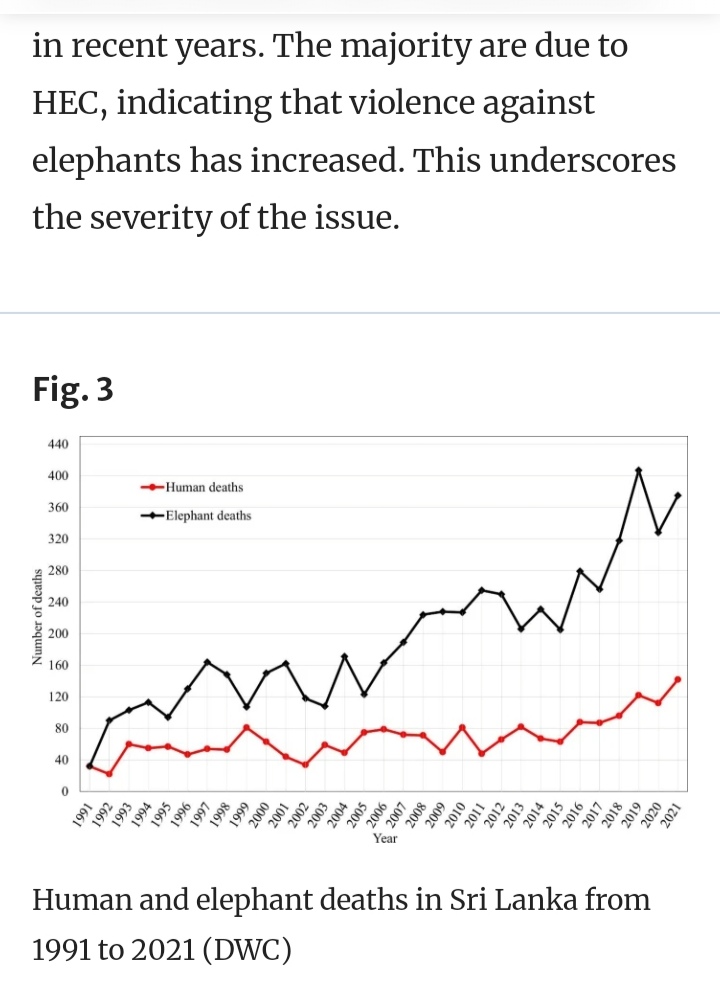
The more the deforestation happened, Human elephant conflict get worse and elephant deaths drastically increased.
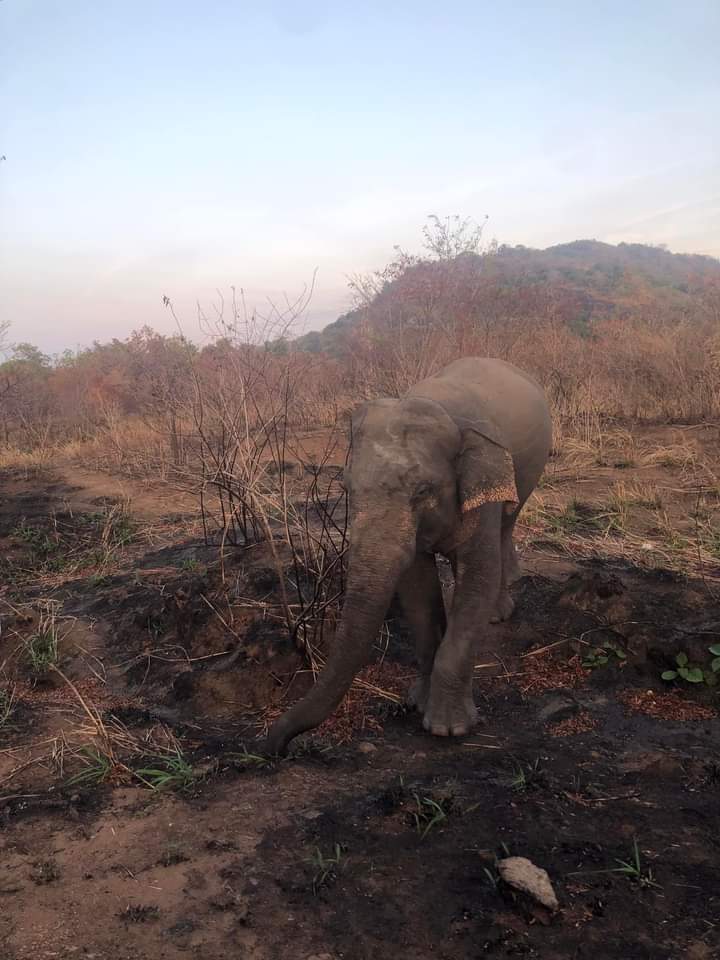
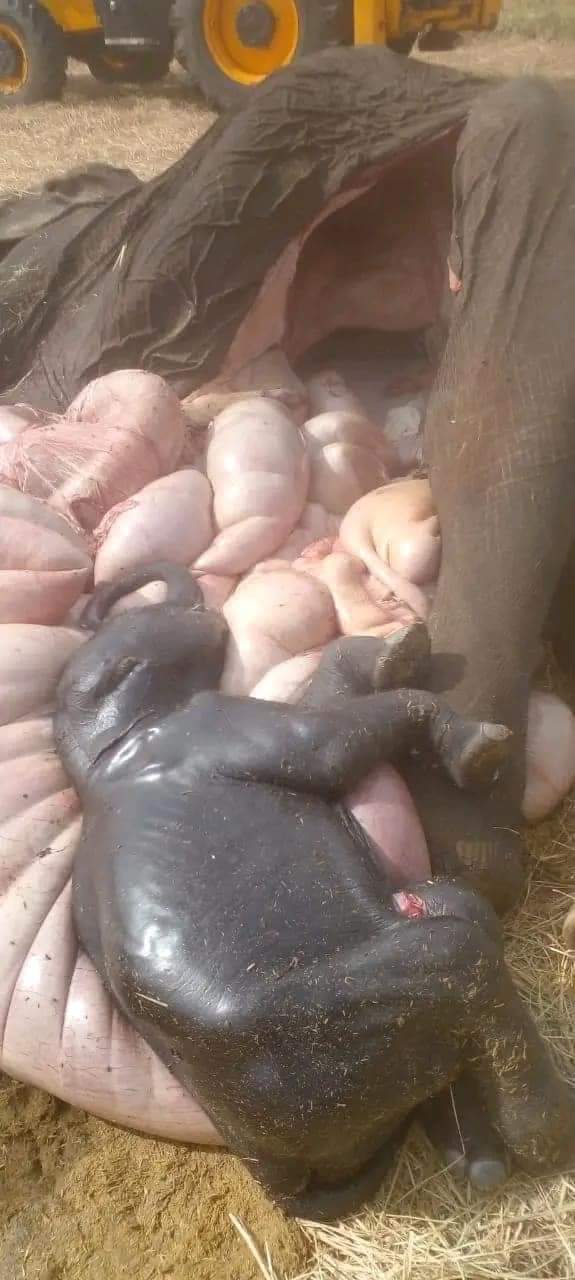
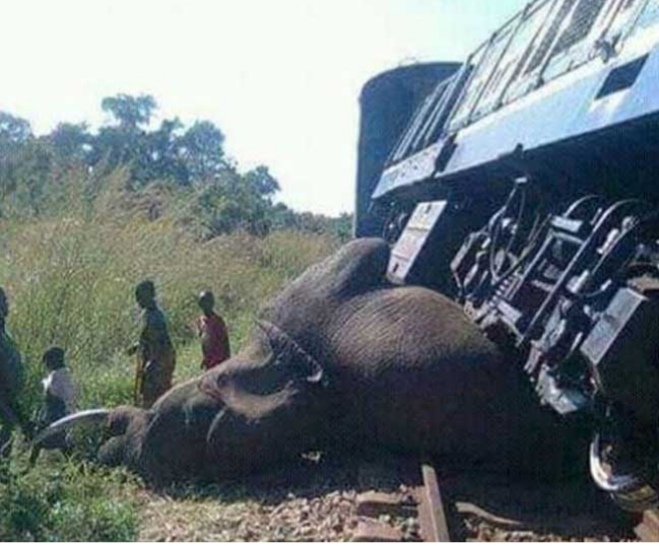
In the last year (2022), Sri Lanka recorded its highest-ever number of elephant deaths – 433 – along with 145 related human deaths. In the year before (2021), 375 elephant deaths and 142 related human deaths were recorded. In 2019, the country recorded 407 elephant deaths – the second highest figure – along with 122 related human deaths.
Setting another dubious record, last year guns felled most elephants (58), overtaking the horrific jaw bombs or ‘hakka patas’ (55), which was the leading cause of death the year before.
Shrinking habitats, blocked corridors lead to the rising numbers of deaths of elephants.
Blocking their pathways also results in elephants break into the farmer communities and started to crop raiding.
Galgamuwa Elephant Home Range Destruction- Major Issue
Another major problem for elephants in their major homelands situated in Northwestern province, Galgamuwa, Ahatuwewa area are being destroyed using dozers by ancient temples Nakolagane Raja maha Viharaya and Thorawamayilawa viharaya for the business cultivation.
The important point is that the forest lands in the catchment area of the Palukadawala reserviour belonging to the Nakolagane viharaya is a key elephant home range in the area and the forest land around other temple act as a corridor for wild elephants to move from Tabbowa and Galgamuwa to Iginimitiya elephant experts revealed.
It is said more than 60% of free range elephants in Northwestern wildlife administrative region live outside the protected areas and they use forest patches for their survival.
Instead of taking actions to protecting homelands of these endangered magnificient animals Department of Wildlife conservation only take actions to drive away the elephant herds to here and there and fragement the herds to several herds. Most of animals and calves died on the way due to water scarcity and exhaustion.
Though the whole remaining estimated elephant is lower than 4000 in the country, Every year nearly 300-350 elephants are killed by gunshots, electrocution, planting hakkapatas or Jaw-bombs, snares, man-made traps and pits, poisoning and train accidents.
It is very pathetic situation that many wild elephants that roam in the forests today are carrying large numbers of bullets within their bodies and many are blind due to gunshots. Almost many of wild elephants that lucky to save their lives so far, have become disabled by trap guns. The continued intensity of the human elephant conflict would pose a serious threat to the survival of the wild elephant in Sri Lanka and the resultant decline in elephant population will have an adverse impact on the viability of other wildlife as the elephant is a ‘keystone species’ and is critical to the management of its habitat: Since the elephant is a ‘flagship species’ its conservation will result in the maintenance of biological diversity and ecological integrity across a vast area of Sri Lanka.
Sri Lanka was a signatory to the CITES convention, (Convention on International Trade in Endangered Species of Flora and Fauna) is bound to protect its endangered species and prevent their trade in any form, alive or dead. Therefore the Government has a great obligation to protect the wild elephants and to control the poaching but, also an international responsibility as it had signed many international conventions to protect them.
Therefore, it is needed to take urgent actions to draft a National Policy for the Conservation and Management of Wild Elephants in the country, in collaboration with the Department of Wildlife, Department Forest and Central Environmental Authority. But unfortunately, they were unable to implement a national policy framework for scientific conservation of wild elephants in their natural habitats so far.
Current measures taken by Department of Wildlife to the Issue
Some of the main activities conducted for conflict mitigation and elephant conservation in Sri Lanka are, �translocation by capture-transport
�elephant drives
�distribution of elephant thunder crackers
�the construction of electric fences here and there and law enforcement.
�Providing Guns Ak-47 automatic rifles to the Civil defence force ( by the minister of Environment and wild life SM Chandrasena )
�Use of Elephant trenches as barriars
Elephant drives,electric fences,trenches,guns and thunder crackers cannot be considered successful deterrents. So any of these are cannot considered as sustainable solutions. In fact, it has been consistently true that these starved, habitat lost giant beings only become more aggressive as a result of these methods. Electric fences are useful, but only as a psychological barrier. It also not providing sustainable solution for this conflict. Moreover, other responsible institutions other than Department of wildlife conservation Sri Lanka, such as Forest Department, Mahaweli Authority, Irrigation department, Land ministry, not providing sufficient amount of support to protect and conserve these gentle giants in their natural habitats.
Useful measures to mitigate Human elephant conflict and Conservation of the ElephantsI
❣️In situ conservation should be promoted by the Department of Wildlife with coordination with other relavant responsible organization such as
- Forest Department of Sri Lanka
- Central Environment Authority
- Irrigation Department
- Mahaweli Authority
- Ministry of lands
- Department of Railways
❣️Implement a National Action policy plan for Elephant conservation and to mitigate HEC.
❣️Law enforcement
❣️protecting the elephant habitats outside the Wildlife protected areas and take immediate actions to relocate villages that highest HEC incidents reported. Eg : Kaziranga project in Asam India.
❣️Release the disturbed elephant corridors.
❣️Enrichement the elephant habitats with foods and water sourses.
❣️providing Railway tunnels or railway elevated corridors in their area to protect them in railway lines.
What we Demand from the responsible persons and Authorities in Srl Lanka and International are;
We respectfully urge The Government of Sri Lanka, His excellecy President Ranil Wickckramasighe,
Minister of Environment and Wildlife Hon. Pavithra Wanniarachchi,
Director General, Department of Wildlife conservation, Mr Chandana Sooriyabandara,
to Immediately take the actions to address the issue, to mitigate the HEC and ensure the survival of wild elephants in their natural habitats.
Dear International public, We respectfully urge, please Intervene to protect these magnificient gentle giants in their natural habitats by any capable measures!
Thank you for your support!
Environment lover,
U.A.D.S.L Wijesekara

980
The Issue
Despite increased efforts to tackle the surge in Human-Elephant Conflict due to deforestation and habitat fragmentation, 2022, 433 elephant deaths occured. It is highest-ever number that Sri lanka recorded. Nearly 400 elephants per year have been killed up to now - highlighting the need for urgent international action to address the endangered wildlife crisis in Sri Lanka.
The Sri Lankan elephant Elephas maximus maximus native to Sri Lanka, had been listed as endangered by IUCN as the population has declined by at least 65% over the last three generations. However the declining of elephant population day by day pulls them towards the Critically Endangered category which will ultimately expel them from the earth categorizing them to the category Extinct! The elephant population drastically go down at “alarming pace” with around 4500 remaining currently which also revealed by government auditor general reports-2018, that Sri Lankan elephant is in huge danger of extinction if action is not immediately taken to reverse the current trend toward extinction. But Unfortunately Sri Lankan government unable to address the issue yet.
The main threats the species faces in Sri Lanka are:
- Deforestation, burning forests and habitat loss,
- habitat fragmentation, and degradation
- Obstructing Elephant corridors and Migratory pathways
- Waste Disposal to the elephant gathering areas
- Poaching and Illegal killing by various methods
- Electrocution
The Sri Lankan elephant was once found throughout the island of Sri Lanka, but is now being pushed into dry zone and pocketed into smaller forest areas. Also, Elephant Migratory pathways are entirely blocked by human settlement. Though the Sri Lankan government always speaking about Sustainable development in world summits but nothing had happened so far, for the means of sustainable development! Highways, roads, dams, railway tracks and other mega projects are still building through dense forests and wildlife reserves. No concept of Eco Bridges or any other conservation technology. Conversion of elephant habitat to settlements and permanent cultivation by Deforestation makes a devastating impact on Sri Lanka’s elephant population.The government not able to take any single step to minimize deforestation although the country’s primary forest cover remaining in nearly 14%.
The more the deforestation happened, Human elephant conflict get worse and elephant deaths drastically increased.
In the last year (2022), Sri Lanka recorded its highest-ever number of elephant deaths – 433 – along with 145 related human deaths. In the year before (2021), 375 elephant deaths and 142 related human deaths were recorded. In 2019, the country recorded 407 elephant deaths – the second highest figure – along with 122 related human deaths.
Setting another dubious record, last year guns felled most elephants (58), overtaking the horrific jaw bombs or ‘hakka patas’ (55), which was the leading cause of death the year before.
Shrinking habitats, blocked corridors lead to the rising numbers of deaths of elephants.
Blocking their pathways also results in elephants break into the farmer communities and started to crop raiding.
Galgamuwa Elephant Home Range Destruction- Major Issue
Another major problem for elephants in their major homelands situated in Northwestern province, Galgamuwa, Ahatuwewa area are being destroyed using dozers by ancient temples Nakolagane Raja maha Viharaya and Thorawamayilawa viharaya for the business cultivation.
The important point is that the forest lands in the catchment area of the Palukadawala reserviour belonging to the Nakolagane viharaya is a key elephant home range in the area and the forest land around other temple act as a corridor for wild elephants to move from Tabbowa and Galgamuwa to Iginimitiya elephant experts revealed.
It is said more than 60% of free range elephants in Northwestern wildlife administrative region live outside the protected areas and they use forest patches for their survival.
Instead of taking actions to protecting homelands of these endangered magnificient animals Department of Wildlife conservation only take actions to drive away the elephant herds to here and there and fragement the herds to several herds. Most of animals and calves died on the way due to water scarcity and exhaustion.
Though the whole remaining estimated elephant is lower than 4000 in the country, Every year nearly 300-350 elephants are killed by gunshots, electrocution, planting hakkapatas or Jaw-bombs, snares, man-made traps and pits, poisoning and train accidents.
It is very pathetic situation that many wild elephants that roam in the forests today are carrying large numbers of bullets within their bodies and many are blind due to gunshots. Almost many of wild elephants that lucky to save their lives so far, have become disabled by trap guns. The continued intensity of the human elephant conflict would pose a serious threat to the survival of the wild elephant in Sri Lanka and the resultant decline in elephant population will have an adverse impact on the viability of other wildlife as the elephant is a ‘keystone species’ and is critical to the management of its habitat: Since the elephant is a ‘flagship species’ its conservation will result in the maintenance of biological diversity and ecological integrity across a vast area of Sri Lanka.
Sri Lanka was a signatory to the CITES convention, (Convention on International Trade in Endangered Species of Flora and Fauna) is bound to protect its endangered species and prevent their trade in any form, alive or dead. Therefore the Government has a great obligation to protect the wild elephants and to control the poaching but, also an international responsibility as it had signed many international conventions to protect them.
Therefore, it is needed to take urgent actions to draft a National Policy for the Conservation and Management of Wild Elephants in the country, in collaboration with the Department of Wildlife, Department Forest and Central Environmental Authority. But unfortunately, they were unable to implement a national policy framework for scientific conservation of wild elephants in their natural habitats so far.
Current measures taken by Department of Wildlife to the Issue
Some of the main activities conducted for conflict mitigation and elephant conservation in Sri Lanka are, �translocation by capture-transport
�elephant drives
�distribution of elephant thunder crackers
�the construction of electric fences here and there and law enforcement.
�Providing Guns Ak-47 automatic rifles to the Civil defence force ( by the minister of Environment and wild life SM Chandrasena )
�Use of Elephant trenches as barriars
Elephant drives,electric fences,trenches,guns and thunder crackers cannot be considered successful deterrents. So any of these are cannot considered as sustainable solutions. In fact, it has been consistently true that these starved, habitat lost giant beings only become more aggressive as a result of these methods. Electric fences are useful, but only as a psychological barrier. It also not providing sustainable solution for this conflict. Moreover, other responsible institutions other than Department of wildlife conservation Sri Lanka, such as Forest Department, Mahaweli Authority, Irrigation department, Land ministry, not providing sufficient amount of support to protect and conserve these gentle giants in their natural habitats.
Useful measures to mitigate Human elephant conflict and Conservation of the ElephantsI
❣️In situ conservation should be promoted by the Department of Wildlife with coordination with other relavant responsible organization such as
- Forest Department of Sri Lanka
- Central Environment Authority
- Irrigation Department
- Mahaweli Authority
- Ministry of lands
- Department of Railways
❣️Implement a National Action policy plan for Elephant conservation and to mitigate HEC.
❣️Law enforcement
❣️protecting the elephant habitats outside the Wildlife protected areas and take immediate actions to relocate villages that highest HEC incidents reported. Eg : Kaziranga project in Asam India.
❣️Release the disturbed elephant corridors.
❣️Enrichement the elephant habitats with foods and water sourses.
❣️providing Railway tunnels or railway elevated corridors in their area to protect them in railway lines.
What we Demand from the responsible persons and Authorities in Srl Lanka and International are;
We respectfully urge The Government of Sri Lanka, His excellecy President Ranil Wickckramasighe,
Minister of Environment and Wildlife Hon. Pavithra Wanniarachchi,
Director General, Department of Wildlife conservation, Mr Chandana Sooriyabandara,
to Immediately take the actions to address the issue, to mitigate the HEC and ensure the survival of wild elephants in their natural habitats.
Dear International public, We respectfully urge, please Intervene to protect these magnificient gentle giants in their natural habitats by any capable measures!
Thank you for your support!
Environment lover,
U.A.D.S.L Wijesekara
The Decision Makers
Petition Updates
Share this petition
Petition created on 24 August 2023