

Urgent Appeal to Stop Destruction of 9000 Mangroves for the Versova-Dahisar Coastal Road
The Issue
Subject: Urgent Appeal to Stop the Destruction of 9000 Mangroves for the Versova-Dahisar Coastal Road Project at Manori Creek near Charkop in Kandivli, Gorai & Dahisar.
To:
1) Assistant Commissioner, BMC R-Central Ward (ac.rc@mcgm.gov.in)
2) Chairman, Maharashtra Coastal Zone Management Authority (MCZMA) (psec.env@maharashtra.gov.in)
3) Maharashtra Coastal Zone Management Authority - Member Secretary (dir1.mev-mh@nic.in)
4) Chief Engineer Coastal road: (che.coastalroad@mcgm.gov.in)
5) Coastal Road Project inquiry: (coastalroadcell.mcgm@gmail.com)
6) BMC Tree Authority: (sg.gardens@mcgm.gov.in), (dysg.ta@mcgm.gov.in)
7) BMC Municipal Commissioner: (mc@mcgm.gov.in)
8) Sanjay Upadhyay, MLA Borivali: (connect@sanjayupadhyay.in)
CC:
1) Office of the Principal Chief Conservator of Forests (Head of Forests Force): (pccfhoffngp@mahaforest.gov.in)
2) Additional Principal Chief Conservator of Forests: (ccfmangrove@mahaforest.gov.in), (ccfsgnp@mahaforest.gov.in)
3) National Green Tribunal (NGT): (publicgrievance-ngt@gov.in)
4) Deputy Municipal Commissioner for Environment: (dmc.env@mcgm.gov.in)
Respective Sirs/Ma’ams,
1) We are deeply disheartened to learn that 9000 mangroves are proposed to be cut for Phase 2 of the Versova-Dahisar Coastal Road Project at Manori Creek, affecting the ecologically sensitive wetlands near Charkop (Kandivali), Gorai, and Dahisar. We strongly oppose this plan, as mangroves are a lifeline to Mumbai and form a vital part of our ecosystem
2) Manori Creek is one of the largest and most vulnerable tidal creeks in Asia. It is a sensitive ecological zone that plays a crucial role in protecting Mumbai from the adverse effects of climate change and rapid urbanization.
3) This alarming decision puts at risk not just a vital ecological habitat, but also the flood protection, carbon sequestration, and climate resilience of the entire western suburbs of Mumbai. The 136 hectares of mangroves in Charkop have served as natural flood barriers, shielding low-lying areas for decades. Removing them will leave the region dangerously exposed to high tides, storm surges, and increased flood risk—especially under a rapidly changing climate.
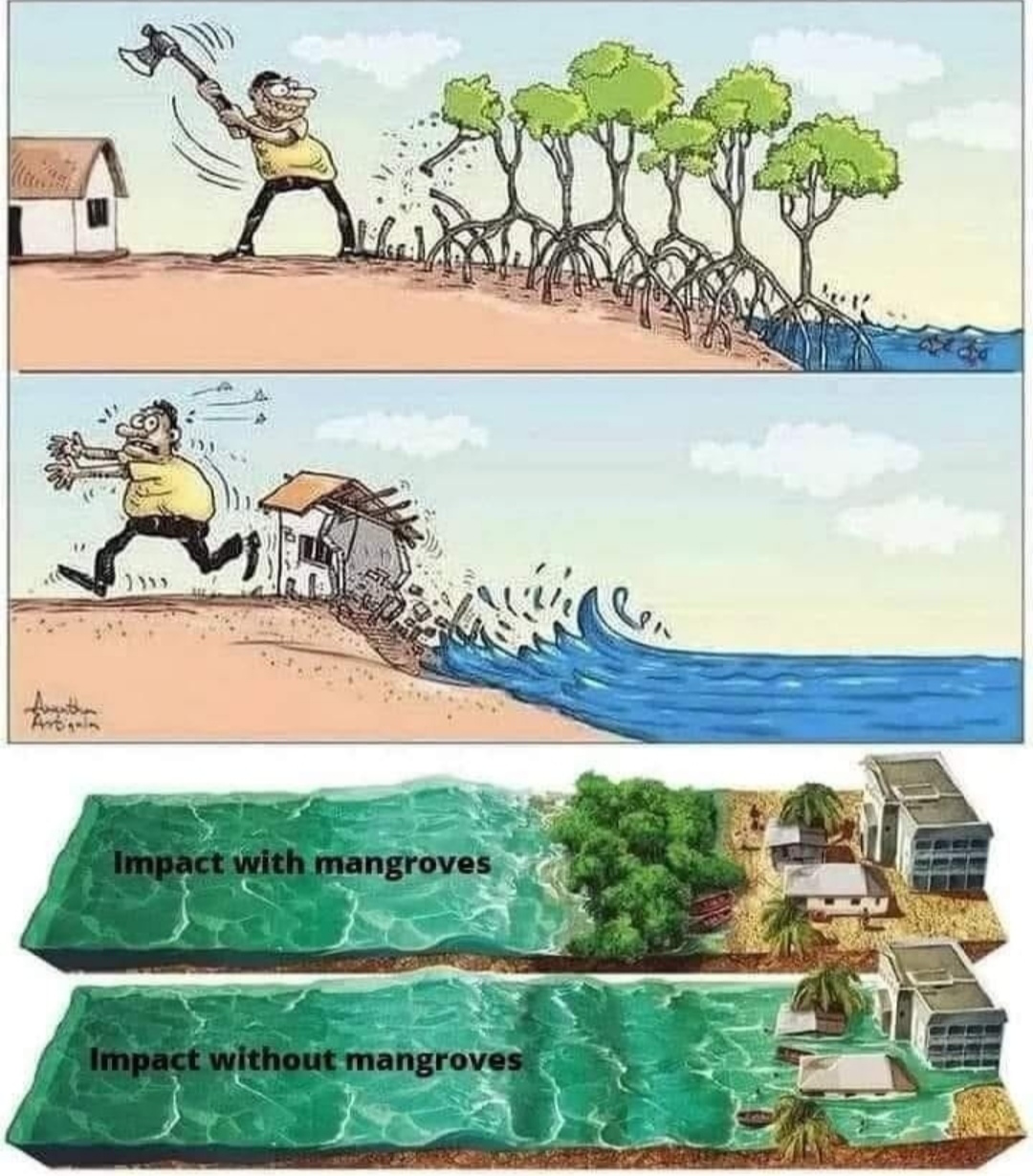
4) Besides mangroves serving as the first line of defense against storm surges and flooding, their dense root systems stabilize coastlines, reduce erosion, improve water quality by filtering pollutants, and serve as nurseries for diverse aquatic life. They also protect coral reefs and seagrass beds.
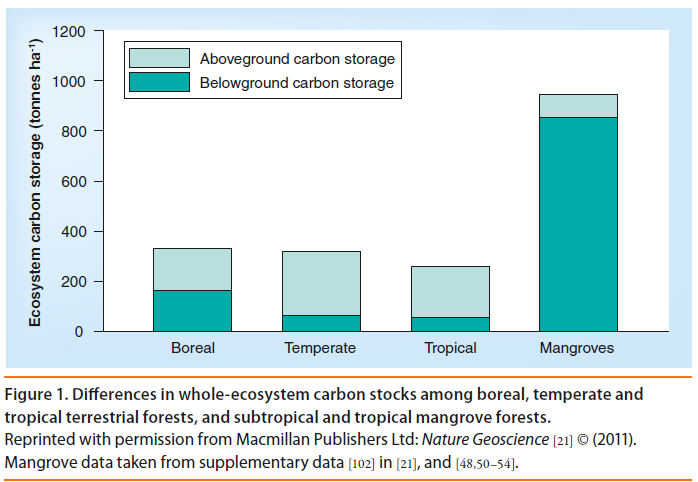
5) Furthermore, scientific studies confirm that mangroves are among the most efficient natural ecosystems for carbon sequestration—capturing atmospheric carbon dioxide at rates up to ten times higher than mature tropical forests. On average, mangroves store approximately 937 tonnes of carbon per hectare, primarily in their soil and dead root systems. When these ecosystems are damaged or destroyed, the vast stores of carbon they hold are released back into the atmosphere, significantly increasing greenhouse gas concentrations and accelerating climate change.
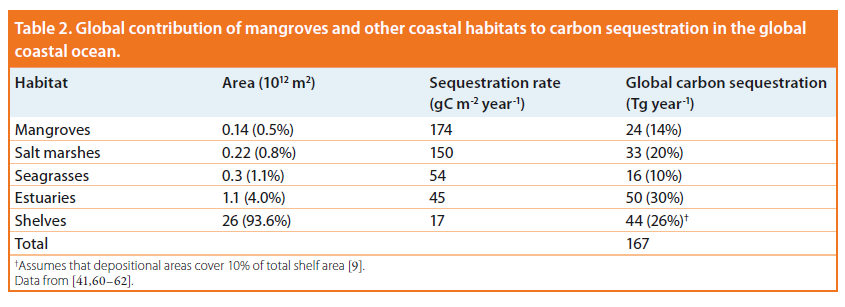
6) Besides Mangroves; the other coastal ecosystems such as coastal grasslands (salt marshes), seagrasses, estuaries (also known as creeks which is a water body where the river meets the sea) and coastal shelves (sea beds of shallow water) effectively captures massive amounts of Carbon dioxide from the air, much more than forests.
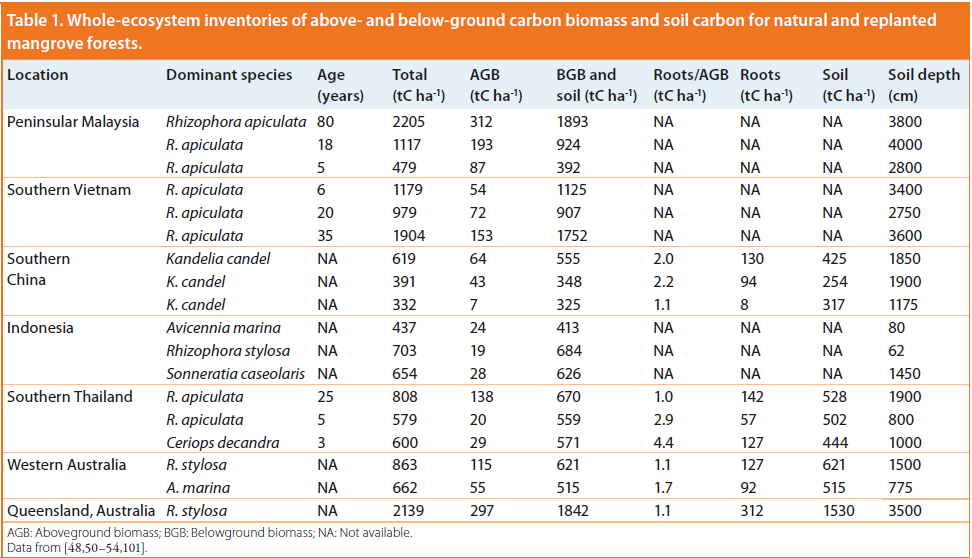
Mangroves accumulate a substantial amount of carbon over time, particularly belowground (in roots and soil), confirming their importance as powerful carbon sinks. This stored carbon increases with the age of the forest and is critical in mitigating climate change. Cutting mangroves disrupts this long-term carbon sink and leads to the release of stored carbon back into the atmosphere.
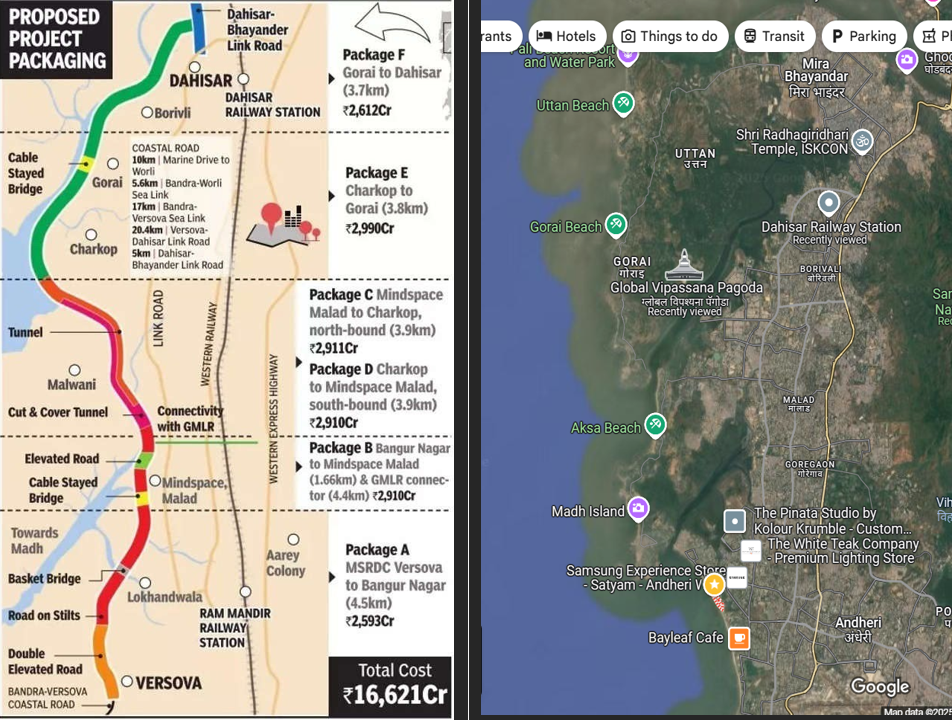
7) Package E & F of the Coastal Road project encompasses Manori Creek—an area that plays a pivotal role in capturing massive amounts of Carbon dioxide in the air and maintaining environmental balance.
The proposal to "compensate" the loss by 9000 mangroves (out of the 60,000) by planting land trees in Chandrapur near the Tadoba Tiger Reserve, this is neither viable nor ecologically equivalent. Furthermore, the suggestion to plant mangroves in Bhayander ignores the urgent need for local flood defenses for Charkop residents. The 136 hectares of mangroves in Charkop have protected the area from floods for years. Removing them will leave the region dangerously exposed to high tides, storm surges, and increased flood risk—especially under a rapidly changing climate. Ecological relocation defeats the purpose when the primary function of these mangroves is their proximity to the coastline they protect.
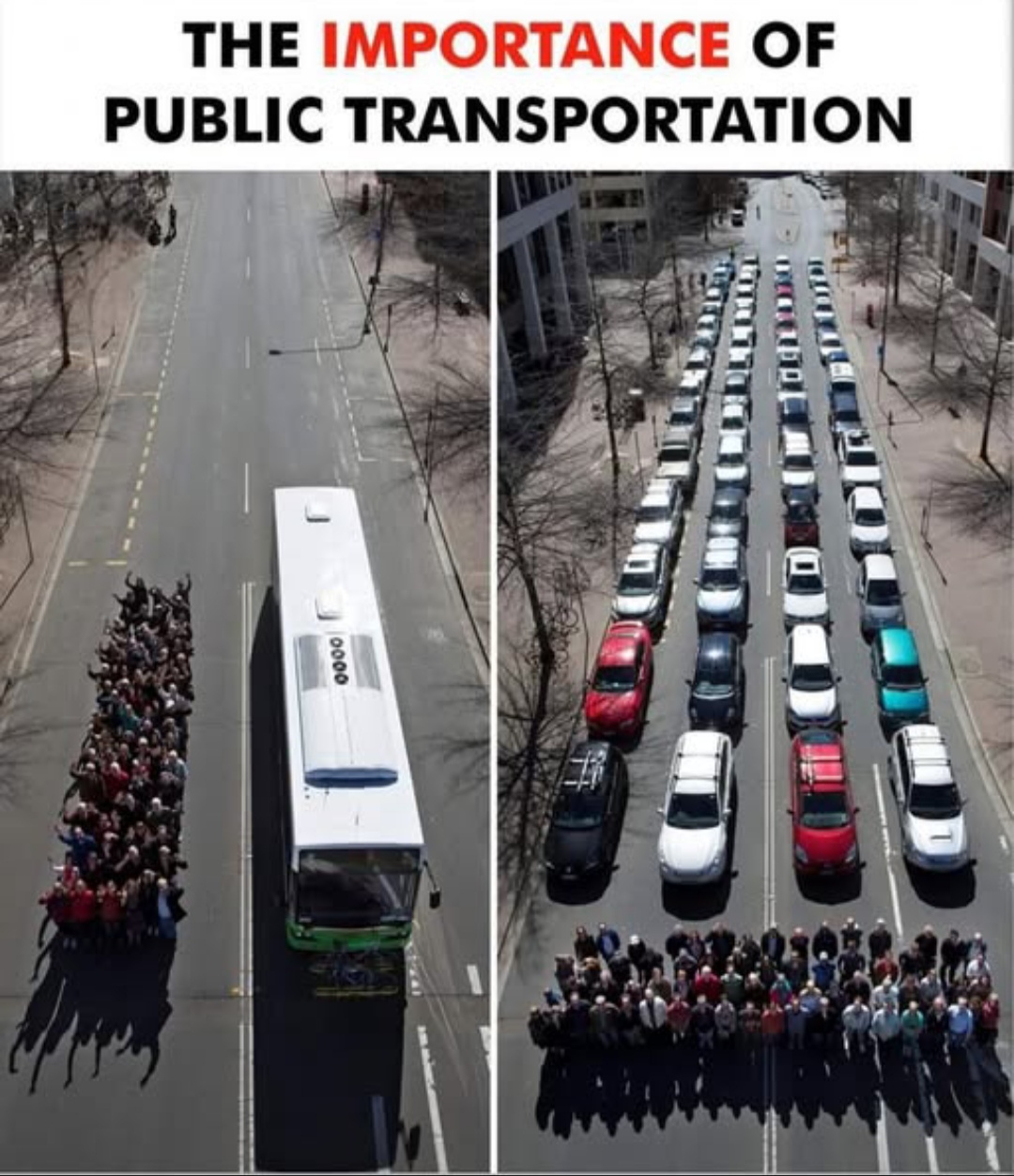
8) Moreover, the stated rationale for the road project—that it will include a bus lane to promote public transport—is both ironic and flawed. Our demand is for inland bus lanes, improved sea transport which requires no permanent physical infrastructure, and better support for the new metro lines that already serve these neighborhoods. Building roads that prioritize private cars over mass transit will discourage metro/local train/bus usage and directly contradict sustainable mobility goals.
In conclusion, we strongly urge the following:
1. Halt the proposed cutting of 9,000 mangroves at Charkop, Gorai, and Dahisar.
2. The Versova-Dahisar Coastal Road Project must be cancelled, as it would cause irreparable damage to the sensitive wetland ecosystems, increasing the risk of flooding to the people living in those areas.
3. Instead of promoting more vehicular traffic through new roads, resources should be invested in exploring non-destructive transport solutions such as improving existing metro, local trains and bus connectivity and reducing the number of private vehicles—an effective and sustainable solution for addressing both traffic and climate concerns.
4. Prioritize climate resilience and coastal protection over infrastructure that benefits only a fraction of citizens.
Mangroves are irreplaceable. Once gone, we cannot recreate the complex web of ecological, hydrological, and climate services they provide. We hope you will take immediate and urgent steps to protect this invaluable coastal asset for the city of Mumbai and future generations.
Yours sincerely,
Citizens of Mumbai.
===========================================
Reference Links:
4) https://oceanservice.noaa.gov/ecosystems/coastal-blue-carbon/
5) https://www.researchgate.net/publication/274116107_Carbon_sequestration_in_mangrove_forests

2,655
The Issue
Subject: Urgent Appeal to Stop the Destruction of 9000 Mangroves for the Versova-Dahisar Coastal Road Project at Manori Creek near Charkop in Kandivli, Gorai & Dahisar.
To:
1) Assistant Commissioner, BMC R-Central Ward (ac.rc@mcgm.gov.in)
2) Chairman, Maharashtra Coastal Zone Management Authority (MCZMA) (psec.env@maharashtra.gov.in)
3) Maharashtra Coastal Zone Management Authority - Member Secretary (dir1.mev-mh@nic.in)
4) Chief Engineer Coastal road: (che.coastalroad@mcgm.gov.in)
5) Coastal Road Project inquiry: (coastalroadcell.mcgm@gmail.com)
6) BMC Tree Authority: (sg.gardens@mcgm.gov.in), (dysg.ta@mcgm.gov.in)
7) BMC Municipal Commissioner: (mc@mcgm.gov.in)
8) Sanjay Upadhyay, MLA Borivali: (connect@sanjayupadhyay.in)
CC:
1) Office of the Principal Chief Conservator of Forests (Head of Forests Force): (pccfhoffngp@mahaforest.gov.in)
2) Additional Principal Chief Conservator of Forests: (ccfmangrove@mahaforest.gov.in), (ccfsgnp@mahaforest.gov.in)
3) National Green Tribunal (NGT): (publicgrievance-ngt@gov.in)
4) Deputy Municipal Commissioner for Environment: (dmc.env@mcgm.gov.in)
Respective Sirs/Ma’ams,
1) We are deeply disheartened to learn that 9000 mangroves are proposed to be cut for Phase 2 of the Versova-Dahisar Coastal Road Project at Manori Creek, affecting the ecologically sensitive wetlands near Charkop (Kandivali), Gorai, and Dahisar. We strongly oppose this plan, as mangroves are a lifeline to Mumbai and form a vital part of our ecosystem
2) Manori Creek is one of the largest and most vulnerable tidal creeks in Asia. It is a sensitive ecological zone that plays a crucial role in protecting Mumbai from the adverse effects of climate change and rapid urbanization.
3) This alarming decision puts at risk not just a vital ecological habitat, but also the flood protection, carbon sequestration, and climate resilience of the entire western suburbs of Mumbai. The 136 hectares of mangroves in Charkop have served as natural flood barriers, shielding low-lying areas for decades. Removing them will leave the region dangerously exposed to high tides, storm surges, and increased flood risk—especially under a rapidly changing climate.
4) Besides mangroves serving as the first line of defense against storm surges and flooding, their dense root systems stabilize coastlines, reduce erosion, improve water quality by filtering pollutants, and serve as nurseries for diverse aquatic life. They also protect coral reefs and seagrass beds.
5) Furthermore, scientific studies confirm that mangroves are among the most efficient natural ecosystems for carbon sequestration—capturing atmospheric carbon dioxide at rates up to ten times higher than mature tropical forests. On average, mangroves store approximately 937 tonnes of carbon per hectare, primarily in their soil and dead root systems. When these ecosystems are damaged or destroyed, the vast stores of carbon they hold are released back into the atmosphere, significantly increasing greenhouse gas concentrations and accelerating climate change.
6) Besides Mangroves; the other coastal ecosystems such as coastal grasslands (salt marshes), seagrasses, estuaries (also known as creeks which is a water body where the river meets the sea) and coastal shelves (sea beds of shallow water) effectively captures massive amounts of Carbon dioxide from the air, much more than forests.
Mangroves accumulate a substantial amount of carbon over time, particularly belowground (in roots and soil), confirming their importance as powerful carbon sinks. This stored carbon increases with the age of the forest and is critical in mitigating climate change. Cutting mangroves disrupts this long-term carbon sink and leads to the release of stored carbon back into the atmosphere.
7) Package E & F of the Coastal Road project encompasses Manori Creek—an area that plays a pivotal role in capturing massive amounts of Carbon dioxide in the air and maintaining environmental balance.
The proposal to "compensate" the loss by 9000 mangroves (out of the 60,000) by planting land trees in Chandrapur near the Tadoba Tiger Reserve, this is neither viable nor ecologically equivalent. Furthermore, the suggestion to plant mangroves in Bhayander ignores the urgent need for local flood defenses for Charkop residents. The 136 hectares of mangroves in Charkop have protected the area from floods for years. Removing them will leave the region dangerously exposed to high tides, storm surges, and increased flood risk—especially under a rapidly changing climate. Ecological relocation defeats the purpose when the primary function of these mangroves is their proximity to the coastline they protect.
8) Moreover, the stated rationale for the road project—that it will include a bus lane to promote public transport—is both ironic and flawed. Our demand is for inland bus lanes, improved sea transport which requires no permanent physical infrastructure, and better support for the new metro lines that already serve these neighborhoods. Building roads that prioritize private cars over mass transit will discourage metro/local train/bus usage and directly contradict sustainable mobility goals.
In conclusion, we strongly urge the following:
1. Halt the proposed cutting of 9,000 mangroves at Charkop, Gorai, and Dahisar.
2. The Versova-Dahisar Coastal Road Project must be cancelled, as it would cause irreparable damage to the sensitive wetland ecosystems, increasing the risk of flooding to the people living in those areas.
3. Instead of promoting more vehicular traffic through new roads, resources should be invested in exploring non-destructive transport solutions such as improving existing metro, local trains and bus connectivity and reducing the number of private vehicles—an effective and sustainable solution for addressing both traffic and climate concerns.
4. Prioritize climate resilience and coastal protection over infrastructure that benefits only a fraction of citizens.
Mangroves are irreplaceable. Once gone, we cannot recreate the complex web of ecological, hydrological, and climate services they provide. We hope you will take immediate and urgent steps to protect this invaluable coastal asset for the city of Mumbai and future generations.
Yours sincerely,
Citizens of Mumbai.
===========================================
Reference Links:
4) https://oceanservice.noaa.gov/ecosystems/coastal-blue-carbon/
5) https://www.researchgate.net/publication/274116107_Carbon_sequestration_in_mangrove_forests
Supporter Voices
Petition Updates
Share this petition
Petition created on 12 April 2025