
Urge updates to local tree regulations in Columbus, Ohio
The Issue
Ohio Residents – BY SAVING OUR TREES - WE SAVE OUR AIR
Dear Franklin County Residents-
I am the legal owner and full-time resident of a property in Forest Park, where I have resided since 2008. I have lived in Columbus my entire life. Please join me in fighting to save the trees in our neighborhoods. For the last 15 years, I have witnessed contractors, hired by AEP, chop down miles of trees in the Northland Community. Recently, I received another notice that they will be back to chop down more trees rather than trim them. I believe AEP is motivated by their own best interests and their record high profits. They have no regard for the repercussions that would follow the destruction of trees in our neighborhood. Trees play a vital role in filtering the air, keeping our neighborhood temperature cool, they are home to many animals, and they add value to our property. We cannot continue to allow AEP to chop down our trees.
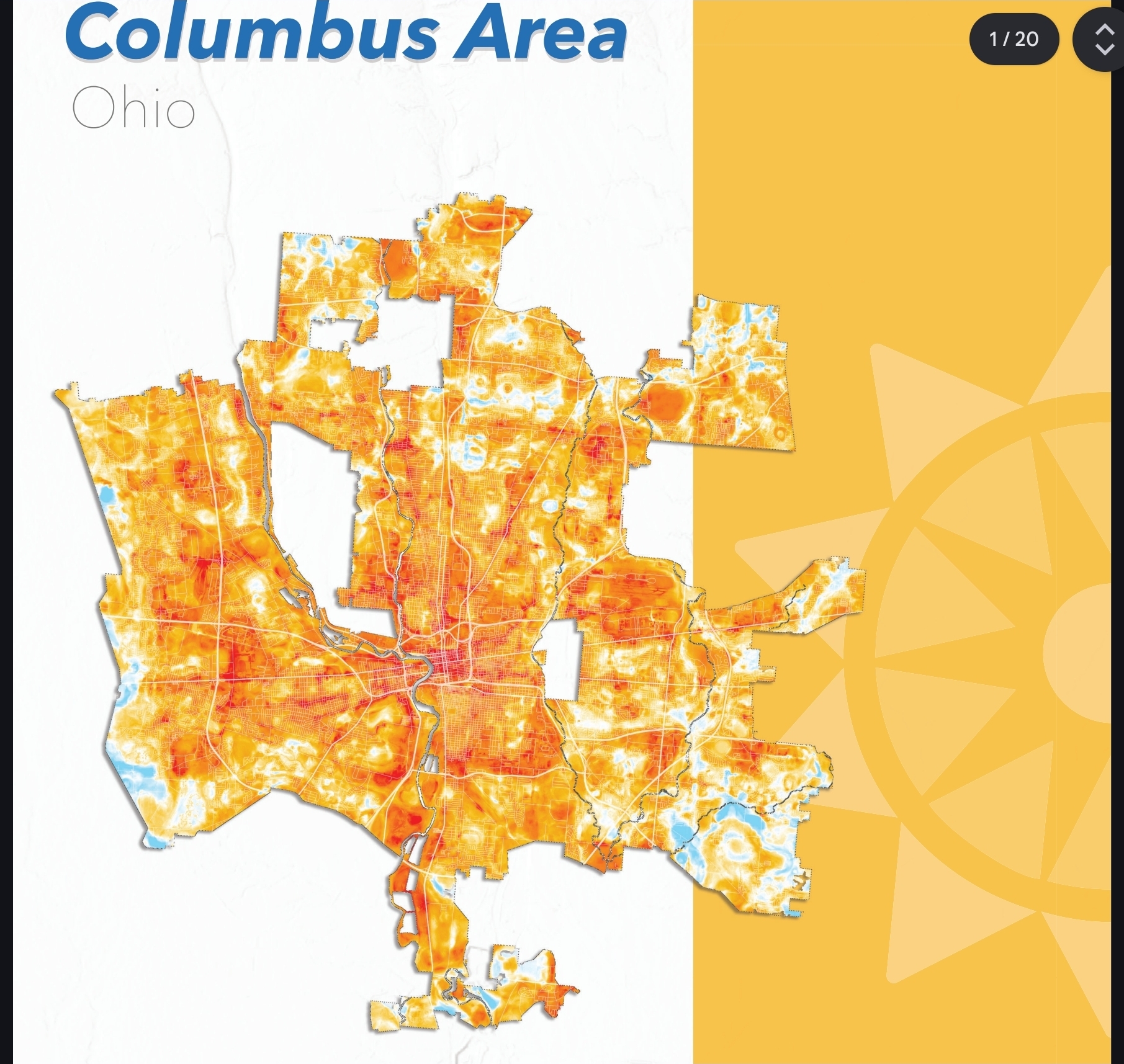
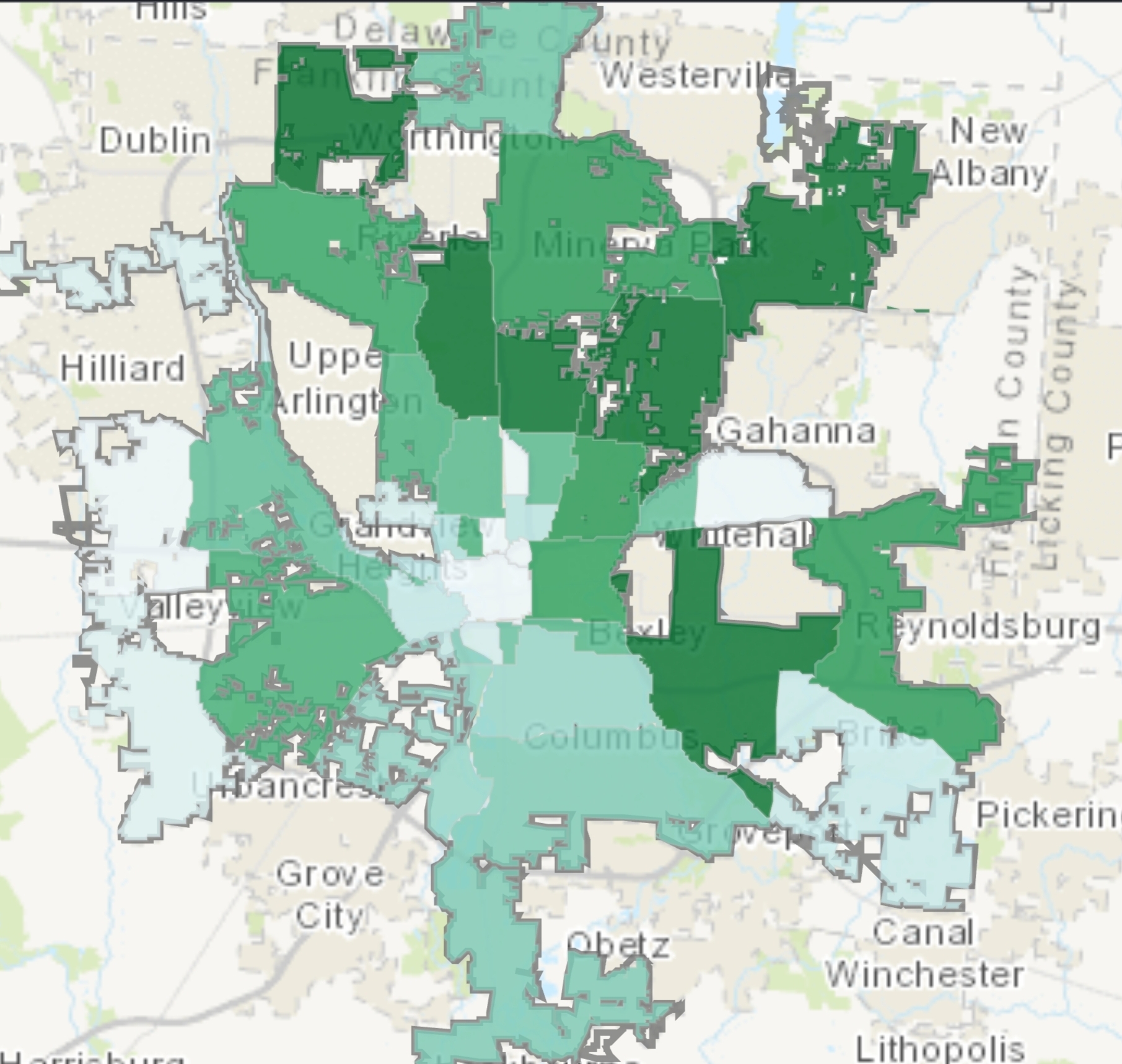
In 2023, IQAir reported that the most polluted major U.S. city was Columbus, Ohio. In my neighborhood, we should be concerned because Columbus Recreation and Parks 2024 Urban Forestry Master Plan notes that Northland’s community has .31 open green space, .43 hard surface, and only .25 tree canopy. The Northland Community has the least amount of tree canopy, in comparison to the surrounding communities, such as North Linden, Northeast, and Clintonville. In 2021, Columbus Recreation and Parks reported that the City of Columbus only had 22 percent tree canopy. The Urban Heat Island Study revealed that some communities can be 13.2 degrees hotter than other communities. For your convenience, If you would like to review the data for your neighborhood, the links can be found at the bottom of this letter.
AEP is going beyond taking proactive actions and are using extreme measures, misleading statements, high pressure tactics, and trickle truths while abusing their power. The infamous 2003 blackout resulted from the negligence of FirstEnergy, a utility company that failed to maintenance a tree and their computer software. While I recognize that trees close to utility poles, wires, or situated within easements require trimming, there is no clear explanation provided as to why removal is necessary instead of simply pruning them. The utility company’s negligence should not constitute or enable them to have plenary power to project accountability to customers, depreciate private property, and scorch the earth.
When I asked who authorized AEP’S new tree policies, AEP, and Public Utilities Commission of Ohio (PUCO) both referenced NERC’s vegetation management guidelines. Utility companies formed North American Electric Reliability Corporation (NERC) and for this reason, I believe this organization is biased. Did NERC take the city's air quality into consideration before approving stricter regulations that adversely affect our city? While these new regulations adversely affect our air quality, finances, and the health of some citizens, because of the loss of trees, our city and our neighborhoods are getting hotter and hotter. Are utility companies creating a perpetuity of conditions to increase their profits?
It's important to plan for the worst-case scenario, but the worst-case scenario is improbable, as long as AEP maintain trees within their four-year-cycle plan, keep their technology up to date, provide stricter oversight for tree contractors, and train their employees properly. It is crucial to highlight that customers of AEP pay a monthly fee for restoration cost in its Storm Damage Recovery Rider—please refer to your AEP bill for more information.
Without trees to keep our homes cool, we will have to run our air conditioners more, which will increase our utility bills, affect our air quality, cause more breathing and heat related illnesses, and damage sensitive habitats in our neighborhood. Columbus Recreation and Parks noted that, “The benefits urban trees provide is valued up to five times what it cost to maintain them. In Columbus, our trees provide $38 million in benefits each year.”
This is a call for action. A new initiative is underway in Franklin County, I am urging residents to send letters advocating for updates to local tree regulations. Our neighborhoods deserve a more responsible and reasonable approach. More and more trees are being chopped down. According to the Master Forestry Plan, in Columbus, 70 percent of our trees grow on private property. We must stop NERC and AEP from scorching the earth in the state of Ohio.
So far, I’ve contacted everyone on the list below. Most of them have not responded.
1. American Electric Power (AEP)
2. The Office of the Ohio Consumers’ Counsel (OCC)
3. The Public Utilities Commission of Ohio (PUCO)
4. Channel 6 news news@wsyx6.com
5. Channel 10 news 10investigates@10tv.com
6. Representative Munira Abdullahi (District 9)
7. Council President Shannon G. Hardin (District 9)
8. Congresswoman Joyce Beatty (Federal, 3rd District)
9. Mayor Andrew Ginther
I need your assistance! Please write and send letters voicing your concerns to our city leaders. If you live in the Northland Community, your representatives and their contact information can be found below this paragraph. If you live in another community, clink this link to find your representatives https://findmydistrict.ohiosos.gov/ We must urge the leaders for whom we have voted for, to stand up to AEP.
• The Northland Community Council - P.O. Box 297836, Columbus, OH 43229
• Mayor Andrew Ginther - 90 W. Broad Street, Columbus, OH 43215. Phone: (614) 645-7671
• Congresswoman Joyce Beatty (Federal, 3rd District) - 310 Granville St, Columbus, OH 43230, or 2079 Rayburn House Office Building, Washington, DC 20515. Phone: (202) 225-4324
• State Representative Munira Abdullahi (District 9) - 77 S. High St. 10th Floor Columbus, OH 43215. Phone: (614) 466-2473
• Council President Shannon G. Hardin (District 9). Columbus City Hall 90 West Broad Street Columbus, OH 43215. Phone: (614) 645-7380
It is also important to sign and share the petition on change.org. We must save our trees to protect our environment and neighborhood. We will not need electricity if we cannot breathe.
Visit these links to learn more:
Urban Forestry Master Plan 2024 Progress Report https://columbusrecparks.com
Urban Heat Map https://experience.arcgis.com/experience/4f23a2cff8bb47a09ea4c10d856b7d7a
IQAir (A global air quality technology company) https://www.iqair.com/usa/ohio/columbus
Trees play a vital role in our community by filtering the air, maintaining cooler neighborhood temperatures, providing habitats for countless wildlife species, and enhancing the value of our properties. However, the negligent practices of our local utility company have increasingly put these precious resources at risk. This negligence manifests in the excessive trimming and removal of trees, often executed without regard to the health of the tree or the broader ecosystem.
The utility company's unchecked actions not only diminish the aesthetic and environmental value of our neighborhoods but also depreciate private property and create long-term ecological damage. By failing to adequately plan and execute maintenance with environmental consciousness, they project accountability onto customers who suffer from this scorched earth policy.
It is crucial, now more than ever, for residents to come together and advocate for updated local tree regulations. These updates should include clear guidelines for tree maintenance by utility companies, mandates for replanting when trees are removed, and penalties for non-compliance.
Concrete action is within our reach. By urging local authorities to revise and enforce tree protection laws, we can safeguard our community's trees from unwarranted harm. We need a revised framework that balances the necessary work of utility companies with the ecological and property value trees bring to our neighborhoods.
Join us in protecting the natural beauty and essential environmental benefits trees provide by signing this petition. Together, we can hold utility companies accountable and ensure a greener, more sustainable future for our community. Please sign and share this petition widely.

81
The Issue
Ohio Residents – BY SAVING OUR TREES - WE SAVE OUR AIR
Dear Franklin County Residents-
I am the legal owner and full-time resident of a property in Forest Park, where I have resided since 2008. I have lived in Columbus my entire life. Please join me in fighting to save the trees in our neighborhoods. For the last 15 years, I have witnessed contractors, hired by AEP, chop down miles of trees in the Northland Community. Recently, I received another notice that they will be back to chop down more trees rather than trim them. I believe AEP is motivated by their own best interests and their record high profits. They have no regard for the repercussions that would follow the destruction of trees in our neighborhood. Trees play a vital role in filtering the air, keeping our neighborhood temperature cool, they are home to many animals, and they add value to our property. We cannot continue to allow AEP to chop down our trees.
In 2023, IQAir reported that the most polluted major U.S. city was Columbus, Ohio. In my neighborhood, we should be concerned because Columbus Recreation and Parks 2024 Urban Forestry Master Plan notes that Northland’s community has .31 open green space, .43 hard surface, and only .25 tree canopy. The Northland Community has the least amount of tree canopy, in comparison to the surrounding communities, such as North Linden, Northeast, and Clintonville. In 2021, Columbus Recreation and Parks reported that the City of Columbus only had 22 percent tree canopy. The Urban Heat Island Study revealed that some communities can be 13.2 degrees hotter than other communities. For your convenience, If you would like to review the data for your neighborhood, the links can be found at the bottom of this letter.
AEP is going beyond taking proactive actions and are using extreme measures, misleading statements, high pressure tactics, and trickle truths while abusing their power. The infamous 2003 blackout resulted from the negligence of FirstEnergy, a utility company that failed to maintenance a tree and their computer software. While I recognize that trees close to utility poles, wires, or situated within easements require trimming, there is no clear explanation provided as to why removal is necessary instead of simply pruning them. The utility company’s negligence should not constitute or enable them to have plenary power to project accountability to customers, depreciate private property, and scorch the earth.
When I asked who authorized AEP’S new tree policies, AEP, and Public Utilities Commission of Ohio (PUCO) both referenced NERC’s vegetation management guidelines. Utility companies formed North American Electric Reliability Corporation (NERC) and for this reason, I believe this organization is biased. Did NERC take the city's air quality into consideration before approving stricter regulations that adversely affect our city? While these new regulations adversely affect our air quality, finances, and the health of some citizens, because of the loss of trees, our city and our neighborhoods are getting hotter and hotter. Are utility companies creating a perpetuity of conditions to increase their profits?
It's important to plan for the worst-case scenario, but the worst-case scenario is improbable, as long as AEP maintain trees within their four-year-cycle plan, keep their technology up to date, provide stricter oversight for tree contractors, and train their employees properly. It is crucial to highlight that customers of AEP pay a monthly fee for restoration cost in its Storm Damage Recovery Rider—please refer to your AEP bill for more information.
Without trees to keep our homes cool, we will have to run our air conditioners more, which will increase our utility bills, affect our air quality, cause more breathing and heat related illnesses, and damage sensitive habitats in our neighborhood. Columbus Recreation and Parks noted that, “The benefits urban trees provide is valued up to five times what it cost to maintain them. In Columbus, our trees provide $38 million in benefits each year.”
This is a call for action. A new initiative is underway in Franklin County, I am urging residents to send letters advocating for updates to local tree regulations. Our neighborhoods deserve a more responsible and reasonable approach. More and more trees are being chopped down. According to the Master Forestry Plan, in Columbus, 70 percent of our trees grow on private property. We must stop NERC and AEP from scorching the earth in the state of Ohio.
So far, I’ve contacted everyone on the list below. Most of them have not responded.
1. American Electric Power (AEP)
2. The Office of the Ohio Consumers’ Counsel (OCC)
3. The Public Utilities Commission of Ohio (PUCO)
4. Channel 6 news news@wsyx6.com
5. Channel 10 news 10investigates@10tv.com
6. Representative Munira Abdullahi (District 9)
7. Council President Shannon G. Hardin (District 9)
8. Congresswoman Joyce Beatty (Federal, 3rd District)
9. Mayor Andrew Ginther
I need your assistance! Please write and send letters voicing your concerns to our city leaders. If you live in the Northland Community, your representatives and their contact information can be found below this paragraph. If you live in another community, clink this link to find your representatives https://findmydistrict.ohiosos.gov/ We must urge the leaders for whom we have voted for, to stand up to AEP.
• The Northland Community Council - P.O. Box 297836, Columbus, OH 43229
• Mayor Andrew Ginther - 90 W. Broad Street, Columbus, OH 43215. Phone: (614) 645-7671
• Congresswoman Joyce Beatty (Federal, 3rd District) - 310 Granville St, Columbus, OH 43230, or 2079 Rayburn House Office Building, Washington, DC 20515. Phone: (202) 225-4324
• State Representative Munira Abdullahi (District 9) - 77 S. High St. 10th Floor Columbus, OH 43215. Phone: (614) 466-2473
• Council President Shannon G. Hardin (District 9). Columbus City Hall 90 West Broad Street Columbus, OH 43215. Phone: (614) 645-7380
It is also important to sign and share the petition on change.org. We must save our trees to protect our environment and neighborhood. We will not need electricity if we cannot breathe.
Visit these links to learn more:
Urban Forestry Master Plan 2024 Progress Report https://columbusrecparks.com
Urban Heat Map https://experience.arcgis.com/experience/4f23a2cff8bb47a09ea4c10d856b7d7a
IQAir (A global air quality technology company) https://www.iqair.com/usa/ohio/columbus
Trees play a vital role in our community by filtering the air, maintaining cooler neighborhood temperatures, providing habitats for countless wildlife species, and enhancing the value of our properties. However, the negligent practices of our local utility company have increasingly put these precious resources at risk. This negligence manifests in the excessive trimming and removal of trees, often executed without regard to the health of the tree or the broader ecosystem.
The utility company's unchecked actions not only diminish the aesthetic and environmental value of our neighborhoods but also depreciate private property and create long-term ecological damage. By failing to adequately plan and execute maintenance with environmental consciousness, they project accountability onto customers who suffer from this scorched earth policy.
It is crucial, now more than ever, for residents to come together and advocate for updated local tree regulations. These updates should include clear guidelines for tree maintenance by utility companies, mandates for replanting when trees are removed, and penalties for non-compliance.
Concrete action is within our reach. By urging local authorities to revise and enforce tree protection laws, we can safeguard our community's trees from unwarranted harm. We need a revised framework that balances the necessary work of utility companies with the ecological and property value trees bring to our neighborhoods.
Join us in protecting the natural beauty and essential environmental benefits trees provide by signing this petition. Together, we can hold utility companies accountable and ensure a greener, more sustainable future for our community. Please sign and share this petition widely.
The Decision Makers


Supporter Voices
Petition Updates
Share this petition
Petition created on December 15, 2025