

Urge TAWA to stop exploiting wildlife for entertainment
The Issue
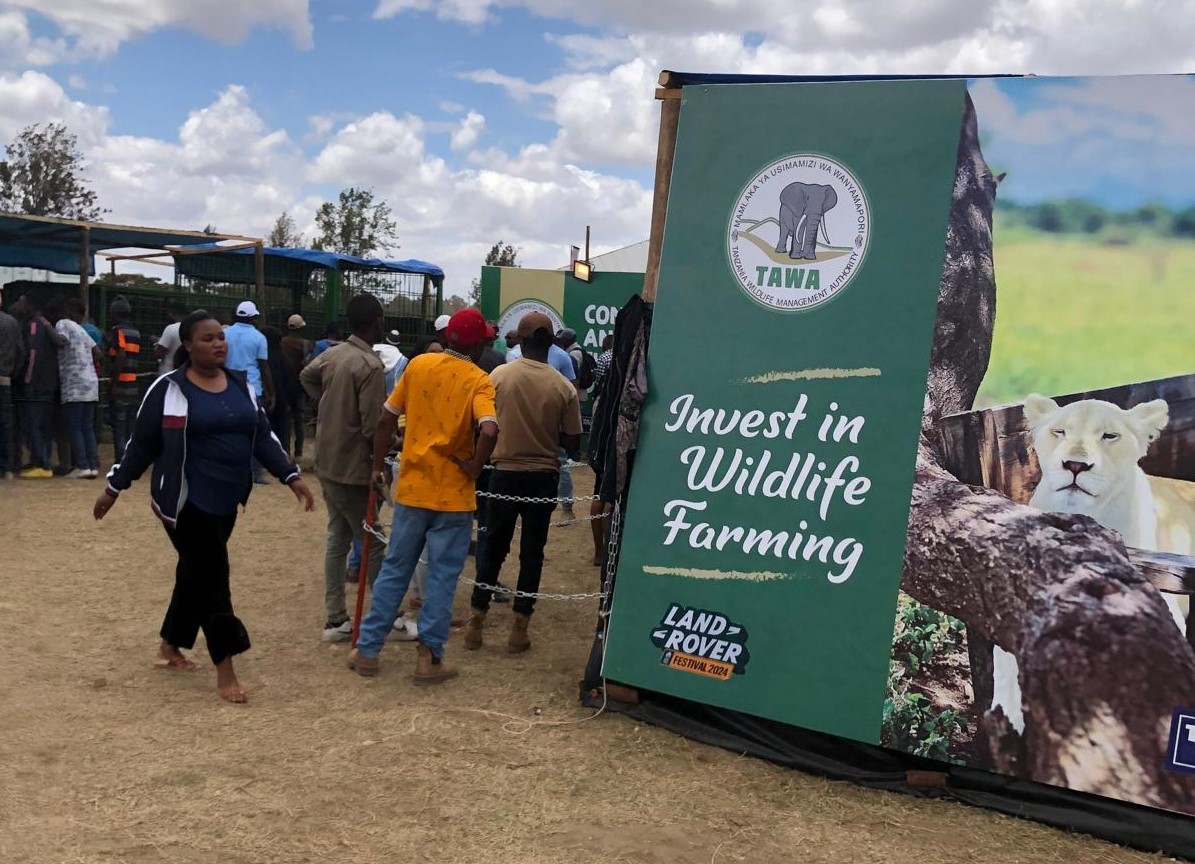
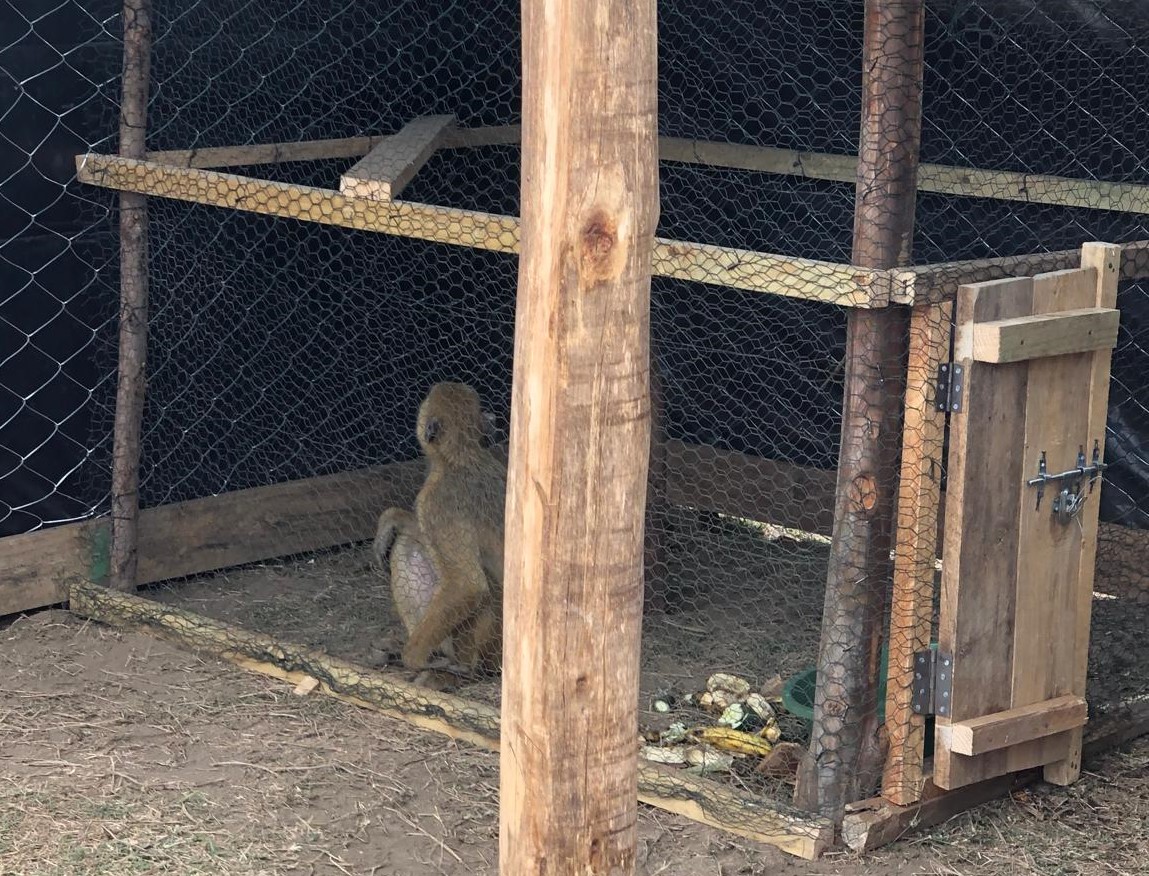
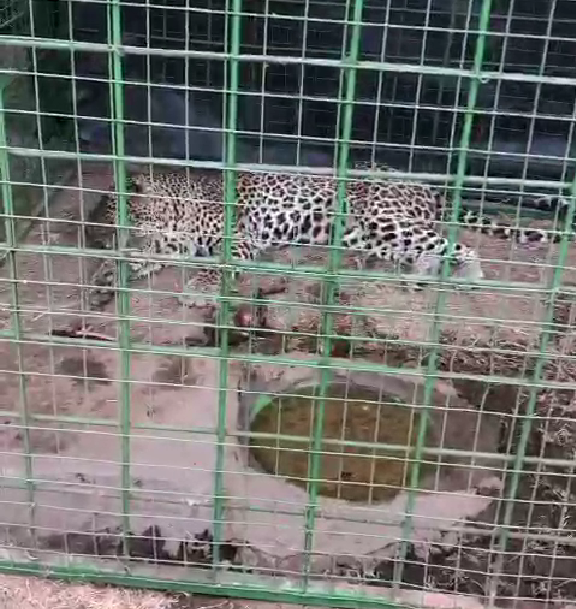
In October 2024, the Tanzanian Wildlife Management Authority (TAWA) exhibited at the Land Rover Festival 2024 in Arusha (Tanzania). TAWA is Tanzania's prime conservation body responsible for the protection of all wildlife. At the event, they displayed wild animals, such as lion, leopard and hyena, in appalling welfare conditions – in cramped cages with some animals showing clear signs of injury and/or stress and suffering in the form of pacing. In addition, the animals were located amongst a large and noisy crowd of thousands of festival attendees.
TAWA displayed wild animals for entertainment purposes, while they have a direct responsibility to conserve and protect these wild species. They used these caged wild animals to promote investing in wildlife farming, despite global concerns about the exploitative and unethical nature of such farming practices, as well as its potential to spread disease between animals and people.
On 22 October 2024, a group of animal welfare, conservation and tourism organisations wrote to TAWA raising their concerns, but to date they received no response. Land Rover claims to neither have had involvement in the display of wild animals by TAWA, nor in the organisation of the event or the unauthorised the use of their logo.
Join us in urging TAWA to end the public display of caged wild animals in deplorable conditions at events to promote investment in wildlife farming, and to seriously reconsider Tanzania’s commitment to promote the commercial farming of wild animals as an economic activity.
Watch a short video of how TAWA exploits wild animals for entertainment on YouTube HERE.
The Problem
The purpose of TAWA’s decision to exhibit at the Land Rover Festival 2024 and display caged wild animals appears to have been the promotion of investing in wildlife farming, despite global concerns regarding the exploitative and unethical nature of the commercial farming of wild animals.
South Africa is a prime example of the exploitation and suffering inherent in the breeding, keeping, slaughter and trading of wild animals for profit. The cruel commercial activities associated with the captive wildlife industry, such as cub petting and walking with lions for tourists, unethical predator parks, “canned” or captive hunting, the slaughter of big cats for bones and other body parts, and the live export of these wild animals for breeding, private collection and substandard zoos around the world, carry inherent risks. These include:
- human health and safety, such as zoonotic disease transmission,
- visitor safety,
- safety of workers on wildlife farms,
- and animal welfare concerns, as well as
- the existential risks to South Africa’s global conservation and eco-tourism reputations with associated political and economic consequences.
In addition, commercial lion farming in particular does not contribute to the conservation of wild lions, but poses a serious risk to wild lion populations through the illegal poaching of lions for their body parts. The legal farming of wildlife stimulates the demand for body parts and provides a mechanism for the laundering of illegally obtained parts and derivatives from wild animals into trade.
Just like South Africa, Tanzania is a country with a rich diversity of wildlife and national parks. Any expansion of the commercial farming of wild animals will taint Tanzania’s reputation as a conservation destination for international tourists, which may have serious implications for Tanzania’s GDP.
This petition is supported by:
- Blood Lions
- Born Free Foundation
- Humane Society International / Africa
- Panthera Africa - Big Cat Sanctuary
- Voice4Lions
- Wild Choices
- Working Wild
- World Animal Protection Africa

1,159
The Issue
In October 2024, the Tanzanian Wildlife Management Authority (TAWA) exhibited at the Land Rover Festival 2024 in Arusha (Tanzania). TAWA is Tanzania's prime conservation body responsible for the protection of all wildlife. At the event, they displayed wild animals, such as lion, leopard and hyena, in appalling welfare conditions – in cramped cages with some animals showing clear signs of injury and/or stress and suffering in the form of pacing. In addition, the animals were located amongst a large and noisy crowd of thousands of festival attendees.
TAWA displayed wild animals for entertainment purposes, while they have a direct responsibility to conserve and protect these wild species. They used these caged wild animals to promote investing in wildlife farming, despite global concerns about the exploitative and unethical nature of such farming practices, as well as its potential to spread disease between animals and people.
On 22 October 2024, a group of animal welfare, conservation and tourism organisations wrote to TAWA raising their concerns, but to date they received no response. Land Rover claims to neither have had involvement in the display of wild animals by TAWA, nor in the organisation of the event or the unauthorised the use of their logo.
Join us in urging TAWA to end the public display of caged wild animals in deplorable conditions at events to promote investment in wildlife farming, and to seriously reconsider Tanzania’s commitment to promote the commercial farming of wild animals as an economic activity.
Watch a short video of how TAWA exploits wild animals for entertainment on YouTube HERE.
The Problem
The purpose of TAWA’s decision to exhibit at the Land Rover Festival 2024 and display caged wild animals appears to have been the promotion of investing in wildlife farming, despite global concerns regarding the exploitative and unethical nature of the commercial farming of wild animals.
South Africa is a prime example of the exploitation and suffering inherent in the breeding, keeping, slaughter and trading of wild animals for profit. The cruel commercial activities associated with the captive wildlife industry, such as cub petting and walking with lions for tourists, unethical predator parks, “canned” or captive hunting, the slaughter of big cats for bones and other body parts, and the live export of these wild animals for breeding, private collection and substandard zoos around the world, carry inherent risks. These include:
- human health and safety, such as zoonotic disease transmission,
- visitor safety,
- safety of workers on wildlife farms,
- and animal welfare concerns, as well as
- the existential risks to South Africa’s global conservation and eco-tourism reputations with associated political and economic consequences.
In addition, commercial lion farming in particular does not contribute to the conservation of wild lions, but poses a serious risk to wild lion populations through the illegal poaching of lions for their body parts. The legal farming of wildlife stimulates the demand for body parts and provides a mechanism for the laundering of illegally obtained parts and derivatives from wild animals into trade.
Just like South Africa, Tanzania is a country with a rich diversity of wildlife and national parks. Any expansion of the commercial farming of wild animals will taint Tanzania’s reputation as a conservation destination for international tourists, which may have serious implications for Tanzania’s GDP.
This petition is supported by:
- Blood Lions
- Born Free Foundation
- Humane Society International / Africa
- Panthera Africa - Big Cat Sanctuary
- Voice4Lions
- Wild Choices
- Working Wild
- World Animal Protection Africa
The Decision Makers

Petition Updates
Share this petition
Petition created on 22 November 2024