Urge Members of Congress to Co-Sponsor and Pass the Microplastics Safety Act
Urge Members of Congress to Co-Sponsor and Pass the Microplastics Safety Act
The Issue
The Problem
What's the deal with microplastics?
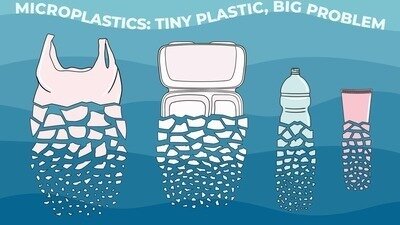
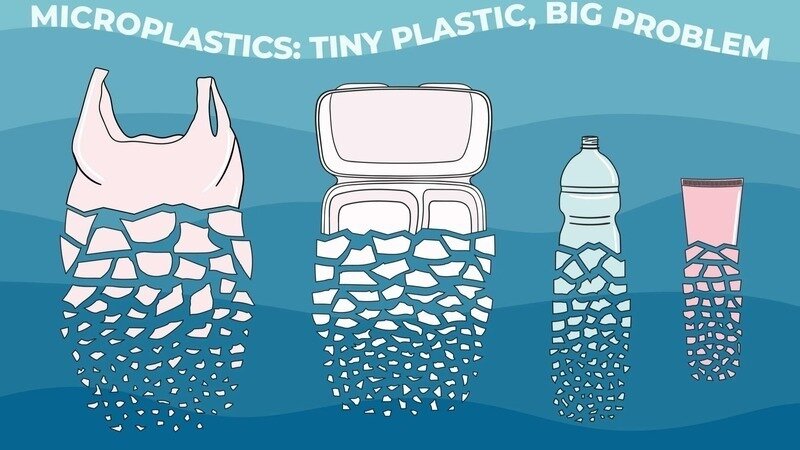
Microplastics (plastic fragments up to 5 millimeters long) are infiltrating our food and water supply with potentially catastrophic impacts on human health. These microscopic plastic particles originate from various sources, including the breakdown of larger plastic debris and microbeads from cosmetic products. Once they enter the environment, microplastics can absorb toxins, which are then transferred to the human body when ingested through food and beverages. Microplastics are in the water we drink, the clothes we wear, and the air we breathe.
The research currently available has shown that microplastics are ubiquitously present in various human tissues, including the brain, reproductive organs, and the heart. Studies have linked particle exposure to inflammation, oxidative stress, increased cardiovascular risk, and altered endocrine function.
What is the current situation in regards to microplastics exposure research?
Research on the health impacts of microplastics in humans is just beginning. Scientists don't yet know how long microplastics stay in the body or how effects are tempered by genetics, the environment or other factors. They haven't determined whether some plastics or forms of exposure are worse than others. Stanford Medicine pilot research has shown that microplastics and nanoplastics can potentially alter gene expression and accelerate the progression of vascular disease. Federal regulations have historically been infrequent, but there is potential for an unprecedented shift toward ongoing definitive research and eventual federal regulation. There's a concerning lack of comprehensive research into their health effects. Without federal support and robust scientific data, it’s challenging to form effective policies that protect public health from these potential threats.
Microplastics act as vectors for Endocrine-Disrupting Chemicals, which are additives and environmental pollutants that latch onto plastic fragments. When they are ingested, they bind to hormone receptors and disrupt vital systems and processes. Without targeted research, there will be delayed public health advisories and regulatory limits on plastic additives and food packaging.
Without targeted federal mandates tracking microplastics entering the food and water supply, particles can accumulate in the body. Recent studies have found microplastics in human placentas, testicles, and ovarian follicular fluid, leading to potential lower fertility rates, poor embryo development, and complications during pregnancy.
The lack of comprehensive research on microplastic exposure in food and water can delay diagnoses. Medical bodies have reported that health-related economic losses from plastics exceed $1.5 trillion across the globe. By delaying clinical interventions and preventative measures and misallocating medical resources due to the lack of targeted research, the healthcare system will need to absorb the ongoing costs of long-term treatments and hospitalizations. By a mandated federal study, the government can establish safe exposure limits that can lower long-term medical costs and lost-productivity expenses associated with chronic illnesses.
With a persistent lack of targeted federal research on microplastics in food and water, there could be a crisis of confidence marked by consumer panic and the disruption of global supply chains. Farmers may face heavy regulatory penalties for microplastics contamination, fisheries and aquaculture could face consumer distrust and sudden price drops, and the packaged food and beverage sector would face massive lawsuits.
A legislative Mandate🌊‼️
The Microplastics Safety Act proposes a critical study conducted by Secretary of Health and Human Services through the Food and Drug Administration (FDA) to explore the health impacts of exposure to microplastics in food and water. This research would provide necessary insights into how these particles interact with human biology, guiding policymakers in implementing regulations to minimize risk. This study would also identify pathways of human exposure to microplastics, address the impact of exposure in cancer, and focus on children’s health, the endocrine system, and reproductive health. It also requires a report to Congress within one year detailing the findings and policy recommendations.
First introduced on July 17th, 2025, this bill is in the first stage of the legislative process. It will be considered by committee next before it is sent to the House or Senate as a whole. It was introduced by Rep. Janelle Bynum, Senators Jeff Merkley and Rick Scott, and Rep. Greg Steube.
This bill is bipartisan. It current has 14 cosponsors, 7 of which are Democrats, and 7 of which are Republicans.
This act will safeguard public health and also serve to educate consumers and industries about the risks associated with microplastic consumption. With a clear understanding backed by scientific research, industries can innovate towards safer production processes and consumers can make informed choices.
By signing this petition, you join us in calling on legislators to support the Microplastics Safety Act. Your signature matters for a healthier planet and future for generations to come.

112
The Issue
The Problem
What's the deal with microplastics?
Microplastics (plastic fragments up to 5 millimeters long) are infiltrating our food and water supply with potentially catastrophic impacts on human health. These microscopic plastic particles originate from various sources, including the breakdown of larger plastic debris and microbeads from cosmetic products. Once they enter the environment, microplastics can absorb toxins, which are then transferred to the human body when ingested through food and beverages. Microplastics are in the water we drink, the clothes we wear, and the air we breathe.
The research currently available has shown that microplastics are ubiquitously present in various human tissues, including the brain, reproductive organs, and the heart. Studies have linked particle exposure to inflammation, oxidative stress, increased cardiovascular risk, and altered endocrine function.
What is the current situation in regards to microplastics exposure research?
Research on the health impacts of microplastics in humans is just beginning. Scientists don't yet know how long microplastics stay in the body or how effects are tempered by genetics, the environment or other factors. They haven't determined whether some plastics or forms of exposure are worse than others. Stanford Medicine pilot research has shown that microplastics and nanoplastics can potentially alter gene expression and accelerate the progression of vascular disease. Federal regulations have historically been infrequent, but there is potential for an unprecedented shift toward ongoing definitive research and eventual federal regulation. There's a concerning lack of comprehensive research into their health effects. Without federal support and robust scientific data, it’s challenging to form effective policies that protect public health from these potential threats.
Microplastics act as vectors for Endocrine-Disrupting Chemicals, which are additives and environmental pollutants that latch onto plastic fragments. When they are ingested, they bind to hormone receptors and disrupt vital systems and processes. Without targeted research, there will be delayed public health advisories and regulatory limits on plastic additives and food packaging.
Without targeted federal mandates tracking microplastics entering the food and water supply, particles can accumulate in the body. Recent studies have found microplastics in human placentas, testicles, and ovarian follicular fluid, leading to potential lower fertility rates, poor embryo development, and complications during pregnancy.
The lack of comprehensive research on microplastic exposure in food and water can delay diagnoses. Medical bodies have reported that health-related economic losses from plastics exceed $1.5 trillion across the globe. By delaying clinical interventions and preventative measures and misallocating medical resources due to the lack of targeted research, the healthcare system will need to absorb the ongoing costs of long-term treatments and hospitalizations. By a mandated federal study, the government can establish safe exposure limits that can lower long-term medical costs and lost-productivity expenses associated with chronic illnesses.
With a persistent lack of targeted federal research on microplastics in food and water, there could be a crisis of confidence marked by consumer panic and the disruption of global supply chains. Farmers may face heavy regulatory penalties for microplastics contamination, fisheries and aquaculture could face consumer distrust and sudden price drops, and the packaged food and beverage sector would face massive lawsuits.
A legislative Mandate🌊‼️
The Microplastics Safety Act proposes a critical study conducted by Secretary of Health and Human Services through the Food and Drug Administration (FDA) to explore the health impacts of exposure to microplastics in food and water. This research would provide necessary insights into how these particles interact with human biology, guiding policymakers in implementing regulations to minimize risk. This study would also identify pathways of human exposure to microplastics, address the impact of exposure in cancer, and focus on children’s health, the endocrine system, and reproductive health. It also requires a report to Congress within one year detailing the findings and policy recommendations.
First introduced on July 17th, 2025, this bill is in the first stage of the legislative process. It will be considered by committee next before it is sent to the House or Senate as a whole. It was introduced by Rep. Janelle Bynum, Senators Jeff Merkley and Rick Scott, and Rep. Greg Steube.
This bill is bipartisan. It current has 14 cosponsors, 7 of which are Democrats, and 7 of which are Republicans.
This act will safeguard public health and also serve to educate consumers and industries about the risks associated with microplastic consumption. With a clear understanding backed by scientific research, industries can innovate towards safer production processes and consumers can make informed choices.
By signing this petition, you join us in calling on legislators to support the Microplastics Safety Act. Your signature matters for a healthier planet and future for generations to come.
112
Supporter Voices
Petition Updates
Share this petition
Petition created on May 30, 2026