

Unearthing Consequences -THE CLEANEST WATER ON THE PLANET IS BEING THREATENED
The Issue
Please help to save the planet's cleanest water!
Springwater Township - known for its breathtaking landscapes, rich wildlife, historical hiking trails, Internationally prominent wetlands, pure water aquifers and delicate ecosystem - faces a threat. The Lewis gravel pit aims to re-zone over 17 hectares of precious agricultural land and natural habitat for mining extraction, endangering our forests, wildlife, water and community health.
Imagine quiet trails replaced by thundering gravel trucks, thick dust permeating our fresh rural air preventing any use of outdoor spaces, and a deep chasm replacing thriving forests. We need your help to fight against this threat.
Beautiful Springwater Township!
Those of us who are lucky enough to call it home, and those of you who are one of the many thousands of people who come visit us every year, know the tremendous gifts of nature that we enjoy, all four seasons of the year.
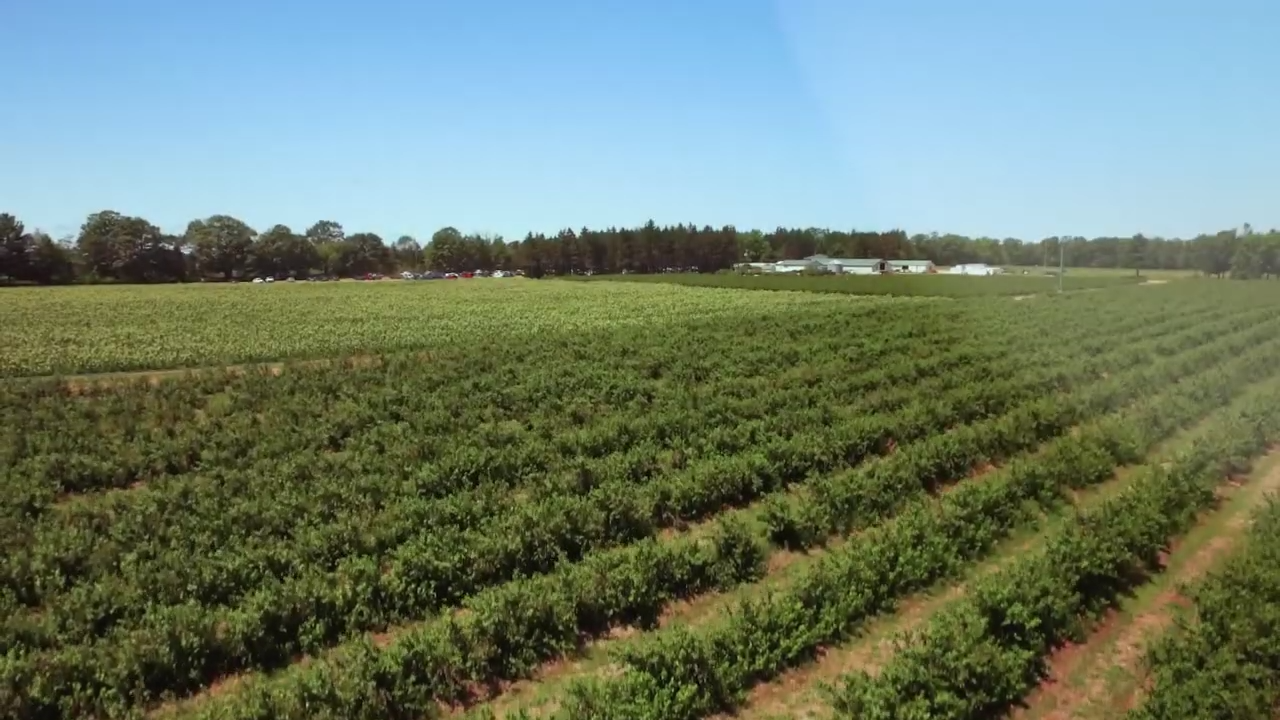
Ten kilometers of densely forested trails that are part of the historic Nine Mile Portage wind their way through our area and we are surrounded by hundreds of acres of rich farmland where the very popular Barrie Hill Farms and Harris farms offer fresh produce daily to residents and visitors alike. The Internationally Significant and world-renown Minesing Wetlands is just on our northern border as well as the Snow Valley ski hills. We have some of the purest water in the world flowing through our aquifer. Our stunning forests are filled with beautiful and protected tree and wildlife specimens with miles of carefully crafted walking trails for all to enjoy. We have it all…for now…but change is coming.
The Lewis gravel pit on George Johnston Road, just up the hill from the Minesing Wetlands and in the midst of all this incredible beauty, has filed applications to the Township of Springwater and to the Ministry of Natural Resources and Forestry (MNRF) to re-zone over 17 hectares of agricultural and forested land to mining extractive.
Unseen Health Hazards for Humans and Wildlife
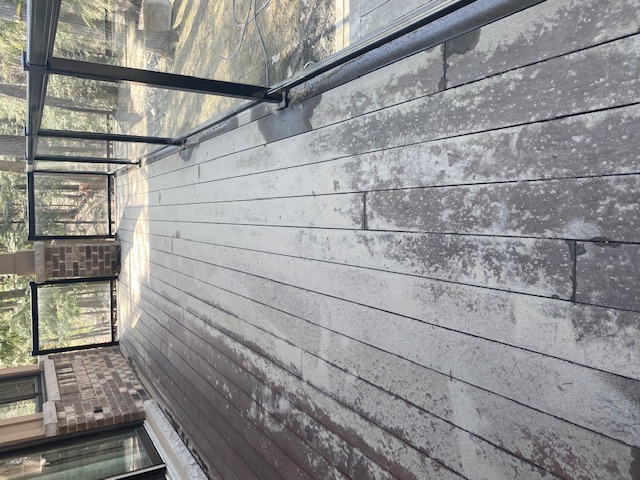
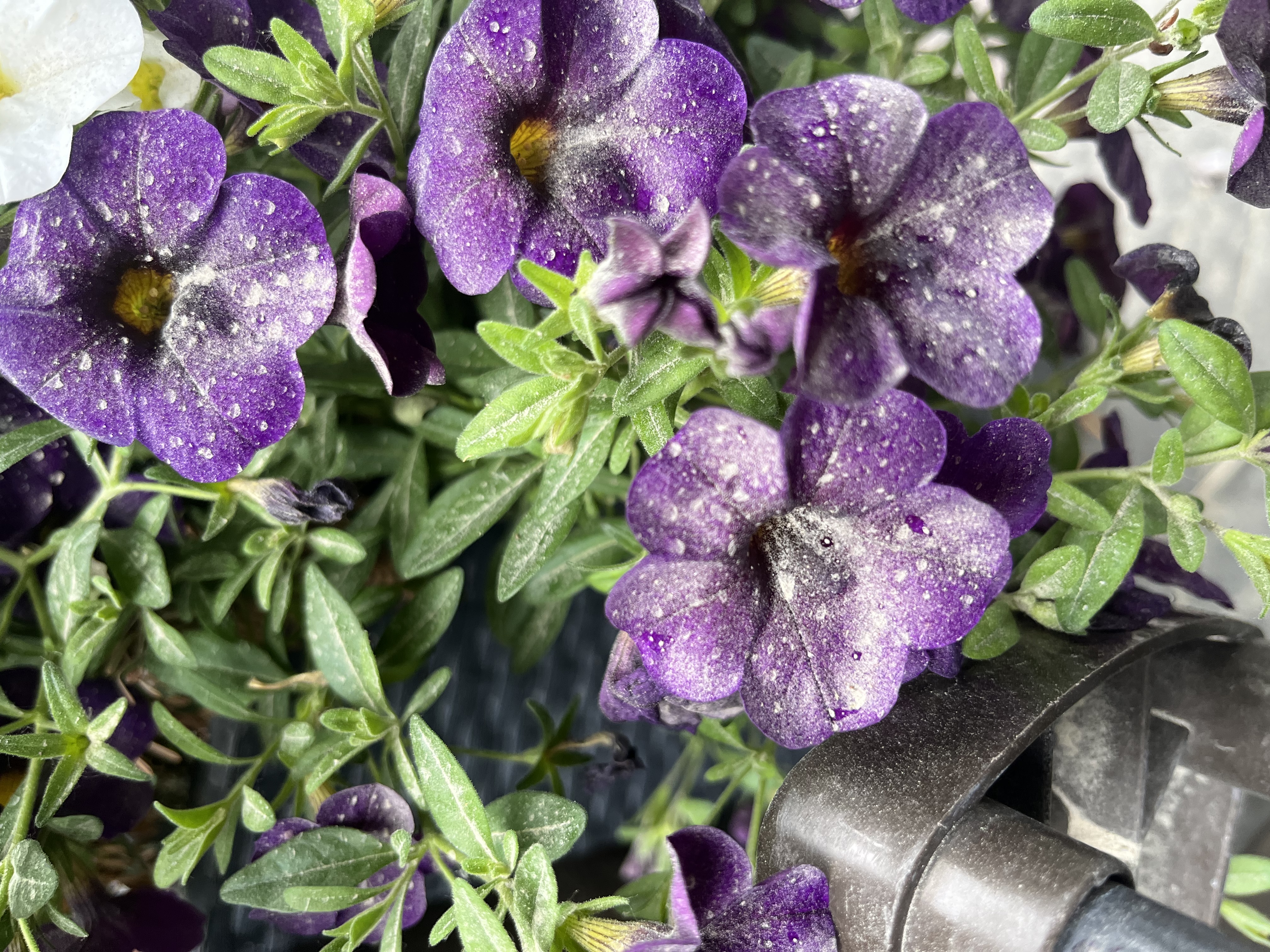
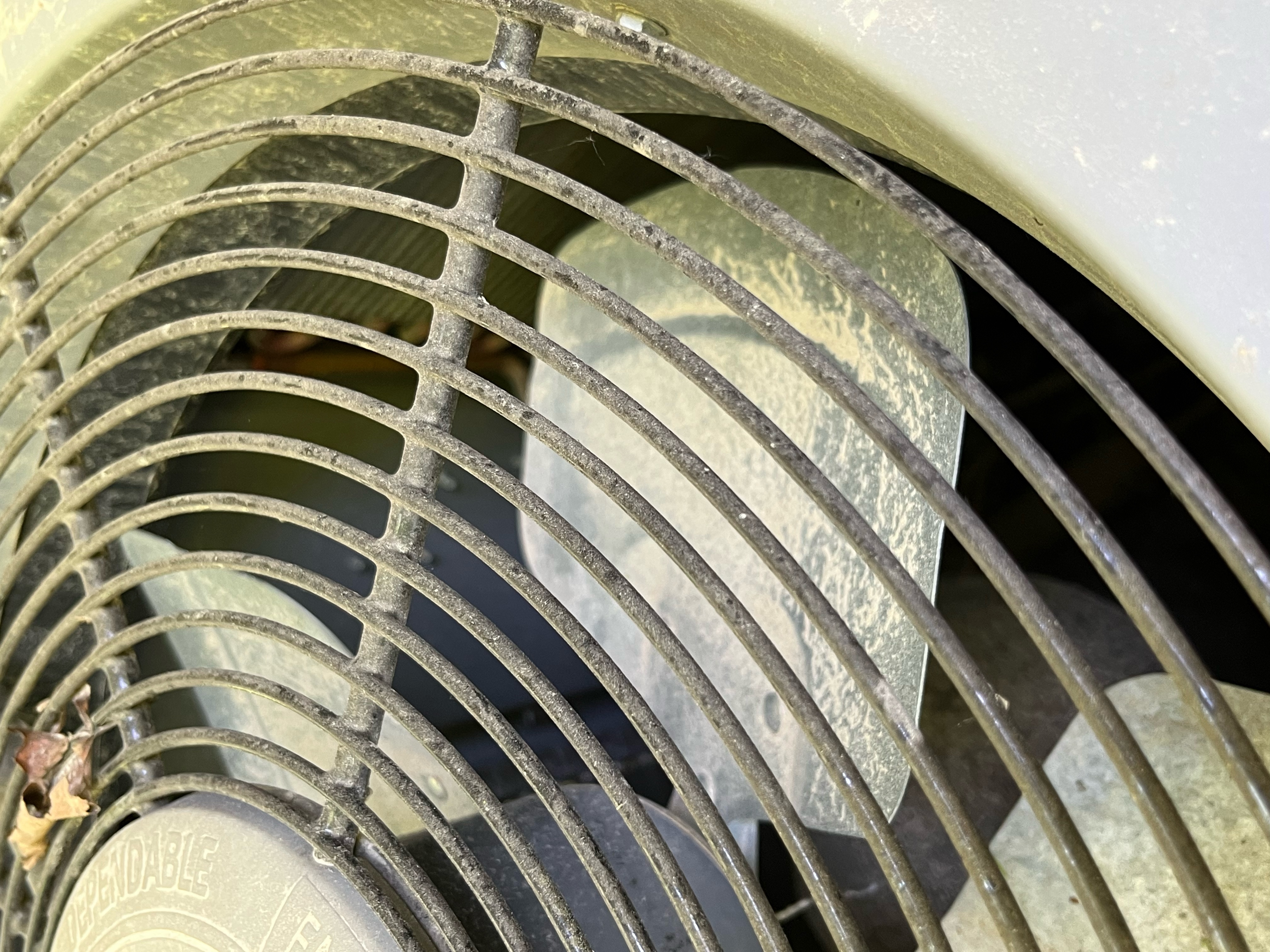
Living in proximity to a gravel pit may seem inconspicuous, but the consequences for both human and animal health are far-reaching. Dust clouds generated during extraction can carry particulate matter that poses a significant respiratory risk to residents. Prolonged exposure to these airborne particles may lead to respiratory issues, exacerbating pre-existing conditions and compromising overall well-being.
The adverse effects extend beyond the human population; local wildlife bears the brunt of this environmental impact. The noise and vibrations from gravel pit operations disrupt the natural behavior of animals, causing stress and disorientation. As habitats are eroded and fragmented, wildlife struggles to find suitable spaces, leading to increased competition for resources and potential decline in species populations.
Furthermore, It's a stark reminder that the consequences of industrial activities, even seemingly benign ones like gravel extraction, echo through the interconnected web of life, demanding a thoughtful and sustainable approach to development that prioritizes the health of both our communities and the environment.
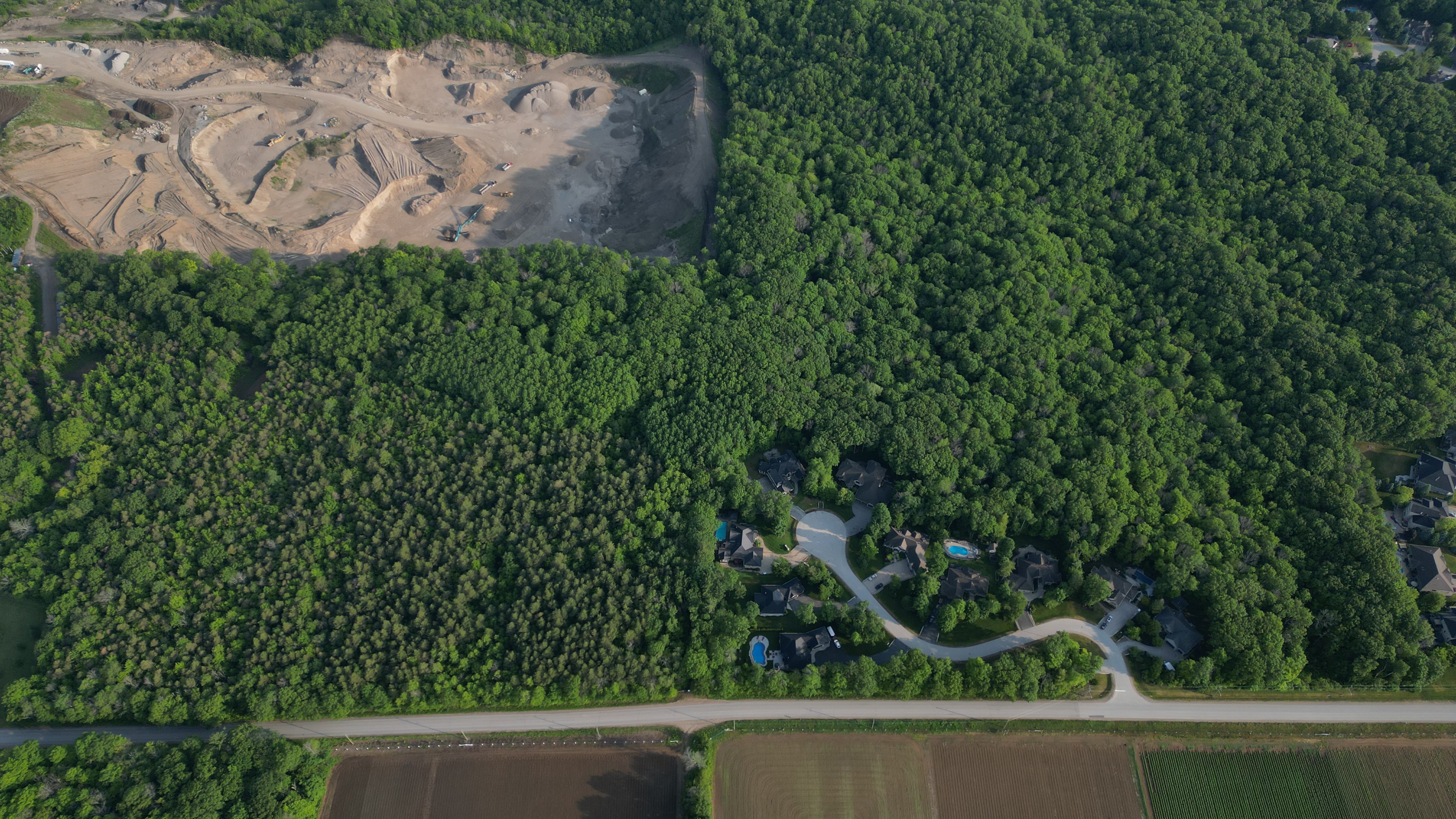
Pit view in Summer 2023 with Boothby Cres. Pit will extend to Seadon Road in foreground.
Our mature trees (including Oak, Maple, Beechnut, protected Butternut), home to a variety of birds and other wildlife (including many endangered species as well as species of concern), are about to be replaced by towering berms…devoid of trees but regaled by stands of golden rod, other weeds, and erosion with accompanying effluent, killing the vegetation on the forest floor. Our quiet paths and roadways have been, and will continue to be, replaced by a parade of thundering gravel trucks, most ignoring speed limits and spewing noxious particulate such as pm2.5 and silicate from the pit, a proven carcinogen that can easily travel for many kilometres with prevailing winds right into backyards and inside homes -unseen but deadly.
We are fortunate to live in not just a natural wonderland, but also a historically important area of the country, not just for us, but also for our indigenous neighbours. Europeans, such as Samuel de Champlain, who came here, encountered a sophisticated society with trade that connected to areas far flung on the continent.
Big business wants to expand the gravel pit, and introduce an asphalt and concrete recycling plant, to replace these forests with a 100-metre-deep chasm, just 1.5 metres above the protected aquifer. The proposed washing of gravel will most certainly seep into the Wetlands and destroy the water purity of the aquifer. The proposed pit expansion will see the elimination of more than 17 hectares of forest right to the property line, and with it the habitat of countless birds and animals, and one of the most sensitive ecological systems in the county, much less the township.
You can help us preserve the quality of life that is a part of the Township of Springwater. The cost of protecting everyone’s health, including the health of children and grandchildren, is high. The Lewis pit owners have very deep pockets, lined with the profits of years of operation, but fueled by the need for more. We are ordinary people, just like you.
For more information, please contact the Springwater Green Community Coalition. contact us @ sgccinc23@gmail.com
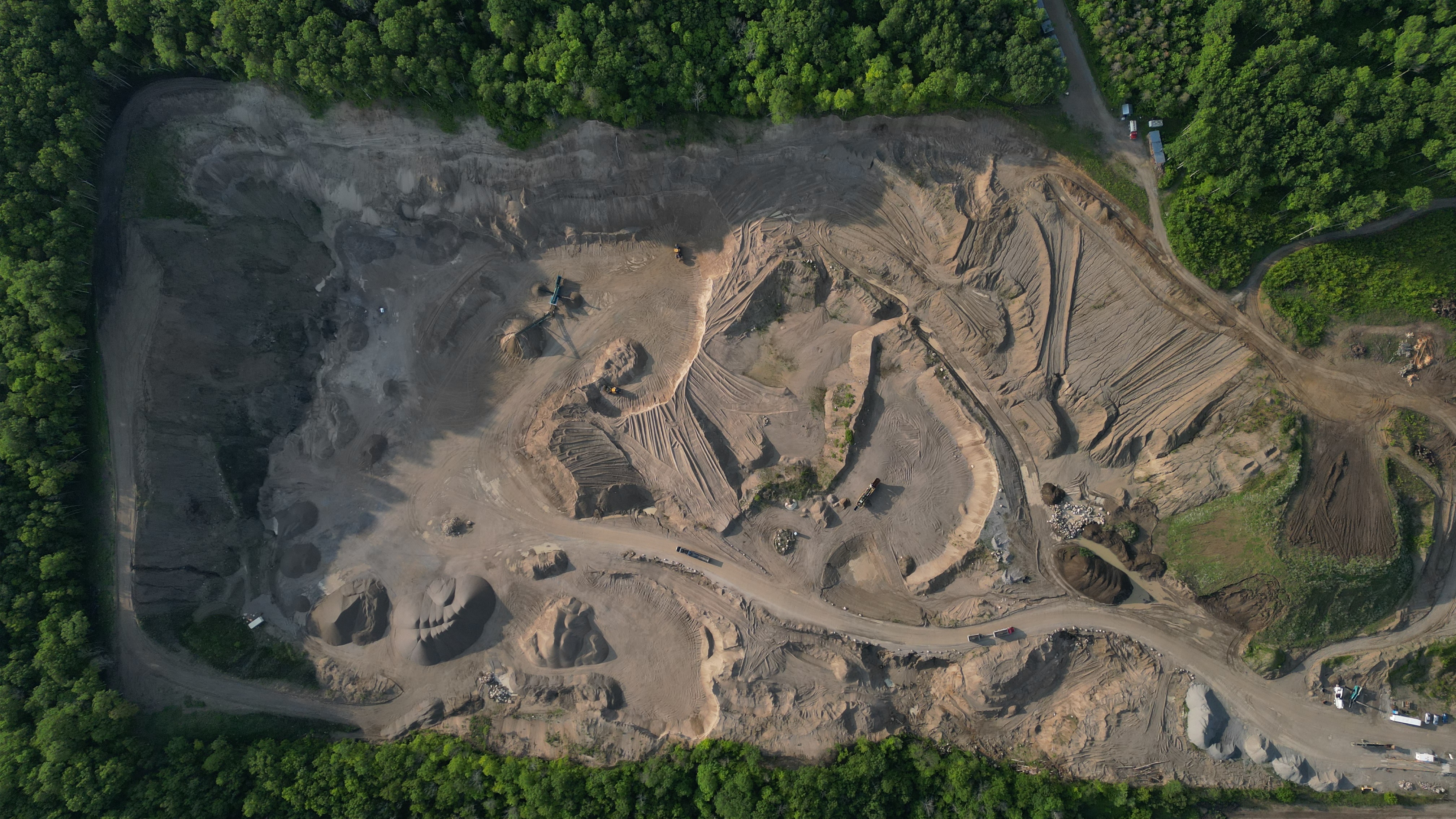
Gravel Pit Expansion results
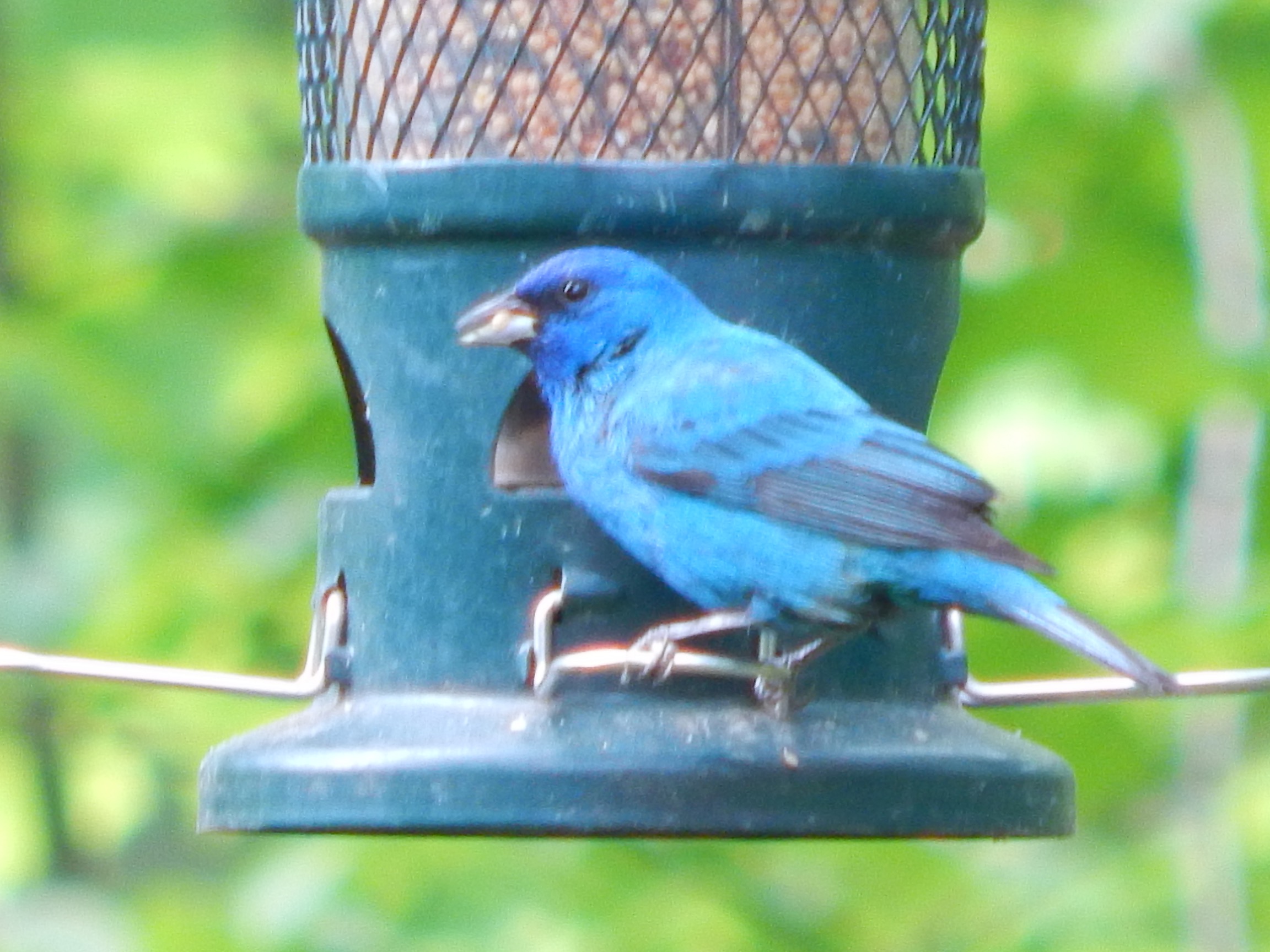
Threatening wildlife and endangered species
The Impact of Gravel Pit Expansion on Ecosystems
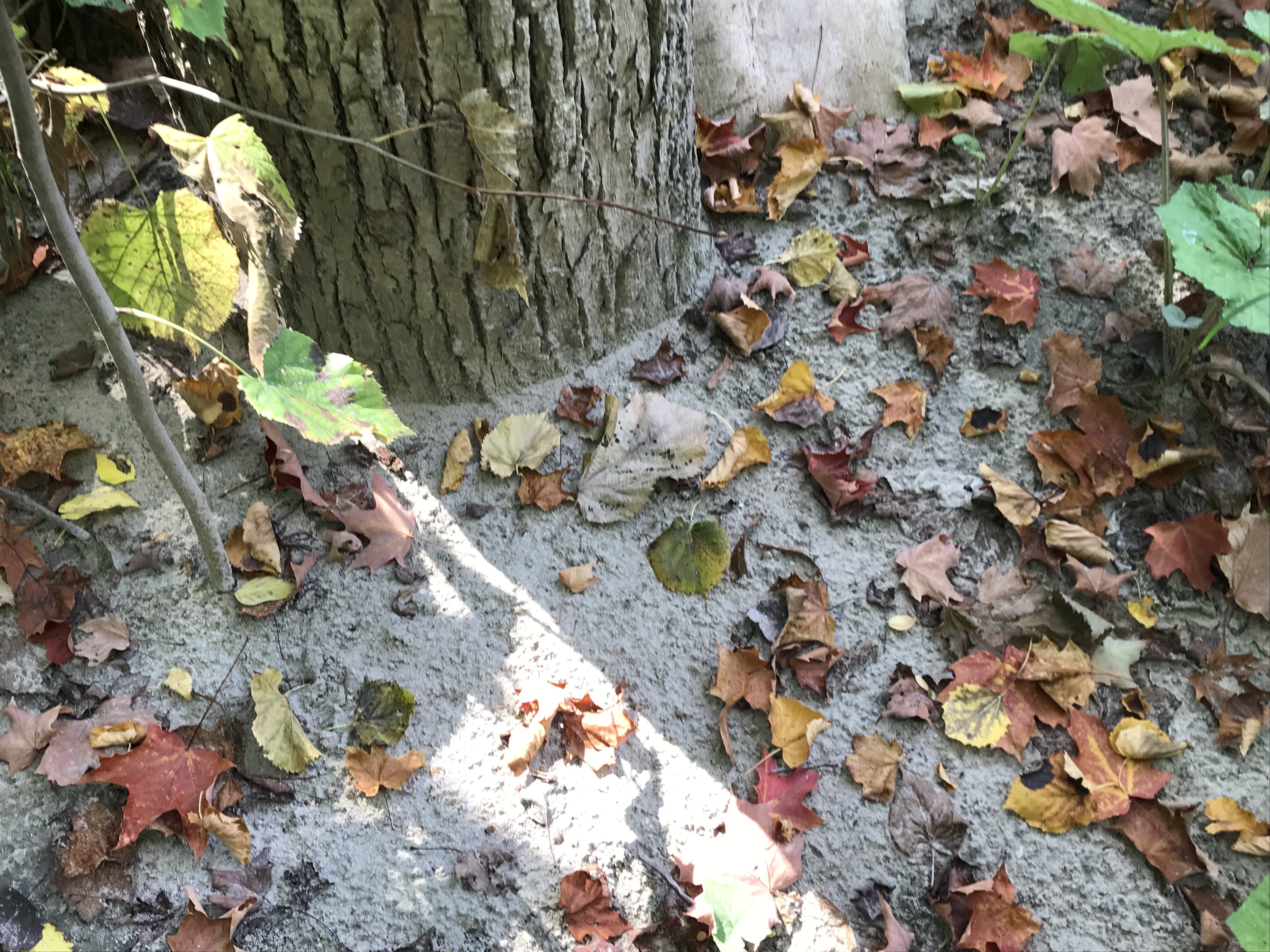
In recent years, the expansion of gravel pits has cast a shadow over our once-thriving forest areas, triggering a chain reaction of environmental consequences. As these pits dig deeper into the earth, habitats crucial for various animal species are being disrupted, forcing them to flee their natural homes.
The collateral damage extends beyond displaced fauna; it reaches into the heart of delicate ecosystems, altering the balance that has existed for centuries. The extraction process can lead to soil erosion, impacting the quality of nearby water sources and endangering the aquifer beneath. This raises concerns about long-term environmental sustainability and the potential harm to local communities relying on these water reservoirs.
The call for sustainable practices and responsible resource management becomes ever more crucial as we grapple with the far-reaching effects of gravel pit expansion. Conservation efforts must be prioritized to safeguard our ecosystems, ensuring a harmonious coexistence between human development and the preservation of our natural world.

Petition Closed
The Issue
Please help to save the planet's cleanest water!
Springwater Township - known for its breathtaking landscapes, rich wildlife, historical hiking trails, Internationally prominent wetlands, pure water aquifers and delicate ecosystem - faces a threat. The Lewis gravel pit aims to re-zone over 17 hectares of precious agricultural land and natural habitat for mining extraction, endangering our forests, wildlife, water and community health.
Imagine quiet trails replaced by thundering gravel trucks, thick dust permeating our fresh rural air preventing any use of outdoor spaces, and a deep chasm replacing thriving forests. We need your help to fight against this threat.
Beautiful Springwater Township!
Those of us who are lucky enough to call it home, and those of you who are one of the many thousands of people who come visit us every year, know the tremendous gifts of nature that we enjoy, all four seasons of the year.
Ten kilometers of densely forested trails that are part of the historic Nine Mile Portage wind their way through our area and we are surrounded by hundreds of acres of rich farmland where the very popular Barrie Hill Farms and Harris farms offer fresh produce daily to residents and visitors alike. The Internationally Significant and world-renown Minesing Wetlands is just on our northern border as well as the Snow Valley ski hills. We have some of the purest water in the world flowing through our aquifer. Our stunning forests are filled with beautiful and protected tree and wildlife specimens with miles of carefully crafted walking trails for all to enjoy. We have it all…for now…but change is coming.
The Lewis gravel pit on George Johnston Road, just up the hill from the Minesing Wetlands and in the midst of all this incredible beauty, has filed applications to the Township of Springwater and to the Ministry of Natural Resources and Forestry (MNRF) to re-zone over 17 hectares of agricultural and forested land to mining extractive.
Unseen Health Hazards for Humans and Wildlife
Living in proximity to a gravel pit may seem inconspicuous, but the consequences for both human and animal health are far-reaching. Dust clouds generated during extraction can carry particulate matter that poses a significant respiratory risk to residents. Prolonged exposure to these airborne particles may lead to respiratory issues, exacerbating pre-existing conditions and compromising overall well-being.
The adverse effects extend beyond the human population; local wildlife bears the brunt of this environmental impact. The noise and vibrations from gravel pit operations disrupt the natural behavior of animals, causing stress and disorientation. As habitats are eroded and fragmented, wildlife struggles to find suitable spaces, leading to increased competition for resources and potential decline in species populations.
Furthermore, It's a stark reminder that the consequences of industrial activities, even seemingly benign ones like gravel extraction, echo through the interconnected web of life, demanding a thoughtful and sustainable approach to development that prioritizes the health of both our communities and the environment.
Pit view in Summer 2023 with Boothby Cres. Pit will extend to Seadon Road in foreground.
Our mature trees (including Oak, Maple, Beechnut, protected Butternut), home to a variety of birds and other wildlife (including many endangered species as well as species of concern), are about to be replaced by towering berms…devoid of trees but regaled by stands of golden rod, other weeds, and erosion with accompanying effluent, killing the vegetation on the forest floor. Our quiet paths and roadways have been, and will continue to be, replaced by a parade of thundering gravel trucks, most ignoring speed limits and spewing noxious particulate such as pm2.5 and silicate from the pit, a proven carcinogen that can easily travel for many kilometres with prevailing winds right into backyards and inside homes -unseen but deadly.
We are fortunate to live in not just a natural wonderland, but also a historically important area of the country, not just for us, but also for our indigenous neighbours. Europeans, such as Samuel de Champlain, who came here, encountered a sophisticated society with trade that connected to areas far flung on the continent.
Big business wants to expand the gravel pit, and introduce an asphalt and concrete recycling plant, to replace these forests with a 100-metre-deep chasm, just 1.5 metres above the protected aquifer. The proposed washing of gravel will most certainly seep into the Wetlands and destroy the water purity of the aquifer. The proposed pit expansion will see the elimination of more than 17 hectares of forest right to the property line, and with it the habitat of countless birds and animals, and one of the most sensitive ecological systems in the county, much less the township.
You can help us preserve the quality of life that is a part of the Township of Springwater. The cost of protecting everyone’s health, including the health of children and grandchildren, is high. The Lewis pit owners have very deep pockets, lined with the profits of years of operation, but fueled by the need for more. We are ordinary people, just like you.
For more information, please contact the Springwater Green Community Coalition. contact us @ sgccinc23@gmail.com
Gravel Pit Expansion results
Threatening wildlife and endangered species
The Impact of Gravel Pit Expansion on Ecosystems
In recent years, the expansion of gravel pits has cast a shadow over our once-thriving forest areas, triggering a chain reaction of environmental consequences. As these pits dig deeper into the earth, habitats crucial for various animal species are being disrupted, forcing them to flee their natural homes.
The collateral damage extends beyond displaced fauna; it reaches into the heart of delicate ecosystems, altering the balance that has existed for centuries. The extraction process can lead to soil erosion, impacting the quality of nearby water sources and endangering the aquifer beneath. This raises concerns about long-term environmental sustainability and the potential harm to local communities relying on these water reservoirs.
The call for sustainable practices and responsible resource management becomes ever more crucial as we grapple with the far-reaching effects of gravel pit expansion. Conservation efforts must be prioritized to safeguard our ecosystems, ensuring a harmonious coexistence between human development and the preservation of our natural world.
The Decision Makers

Petition Updates
Share this petition
Petition created on November 1, 2022