
Pardon for those accused and convicted under the Witchcraft Act 1735
The Issue
We are seeking posthumous pardons and apologies for the 500 people executed for witchcraft in England between 1566 and 1684.
These convictions and executions were immoral, unjustified, cruel, and brutal. Innocent people were targeted with hearsay and primitive techniques before being tortured and murdered in the most horrific ways.
King James VI of Scotland (1566 – 1625) considered himself an expert in witchcraft and wrote the book “Daemonologie” (1597), which was filled with methods of investigation and torture to derive "confessions" and helped to fuel the satanic panic.
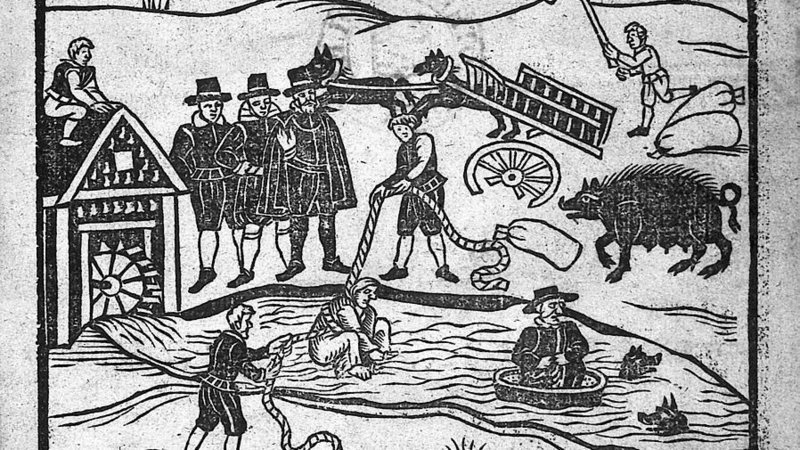
In March 1644, a man named Matthew Hopkins began a career hunting witches. Although torture was considered unlawful under English law, Hopkins would use techniques inspired by Daemonologie, such as sleep deprivation to confuse a victim into confessing, cutting the accused to see if they bled (if they didn't then they’d be declared a witch), and tying victims to a chair before submerging them in water (if a victim floated, then they’d be considered a witch).
Hopkins and his company were paid for their investigations. Historical records show that Hopkins charged anything between £6 to £23 for his work.
Innocent people were tried, tortured, and executed for crimes they didn't commit so that people like Hopkins could make money.
We are seeking justice for those who suffered during the witch trials and a memorial to commemorate the loss of their lives.

139
The Issue
We are seeking posthumous pardons and apologies for the 500 people executed for witchcraft in England between 1566 and 1684.
These convictions and executions were immoral, unjustified, cruel, and brutal. Innocent people were targeted with hearsay and primitive techniques before being tortured and murdered in the most horrific ways.
King James VI of Scotland (1566 – 1625) considered himself an expert in witchcraft and wrote the book “Daemonologie” (1597), which was filled with methods of investigation and torture to derive "confessions" and helped to fuel the satanic panic.
In March 1644, a man named Matthew Hopkins began a career hunting witches. Although torture was considered unlawful under English law, Hopkins would use techniques inspired by Daemonologie, such as sleep deprivation to confuse a victim into confessing, cutting the accused to see if they bled (if they didn't then they’d be declared a witch), and tying victims to a chair before submerging them in water (if a victim floated, then they’d be considered a witch).
Hopkins and his company were paid for their investigations. Historical records show that Hopkins charged anything between £6 to £23 for his work.
Innocent people were tried, tortured, and executed for crimes they didn't commit so that people like Hopkins could make money.
We are seeking justice for those who suffered during the witch trials and a memorial to commemorate the loss of their lives.
The Decision Makers

Petition Updates
Share this petition
Petition created on 23 September 2020