

Toxic Pesticides! Stop West Coast Tomato Growers!
The Issue
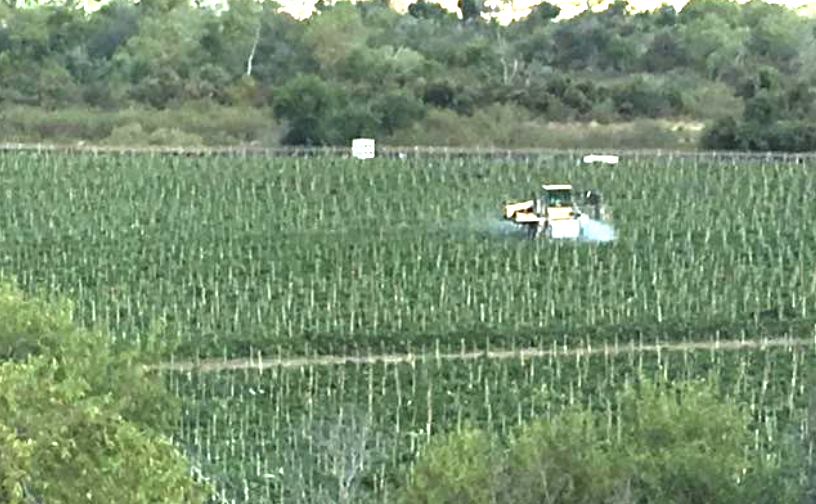
West Coast Tomato Growers is using toxic pesticides 100 feet from where people live, the bike trail, Mission Vista High School (1/2 mile away), and our water: the San Luis Rey River is classified as impaired under the Clean Water Act!
POISONING us: our homes, children, families, seniors, pets, water (San Luis Rey River), fish, birds, wildlife & kids in their homes, their daycares and at nearby schools, the bike trail, Guajome Park!
In 2025, West Coast Tomato Growers used 14,955 gallons and 8,793 pounds of toxic pesticides!
From January 2016 to March 2026, 75% of the pesticides used by West Coast Tomato have active ingredients banned in other countries
Click here for our 136 page letter detailing what WCTG is using and why it threatens children's health, biodiversity, and the environment.
Sign the Petition:
Tell Oceanside & the County of San Diego to STOP leasing OUR TAXPAYER lands to
West Coast Tomato Growers/Oceanside Poles! Stop Toxic Pesticides!
City of Oceanside City Council and County of San Diego Board of Supervisors,
Please save lives! Stop leasing our taxpayer lands to West Coast Tomato Growers (Oceanside Poles) and return it to open space. We also ask you to enact policies to only lease agricultural land for organic farming.
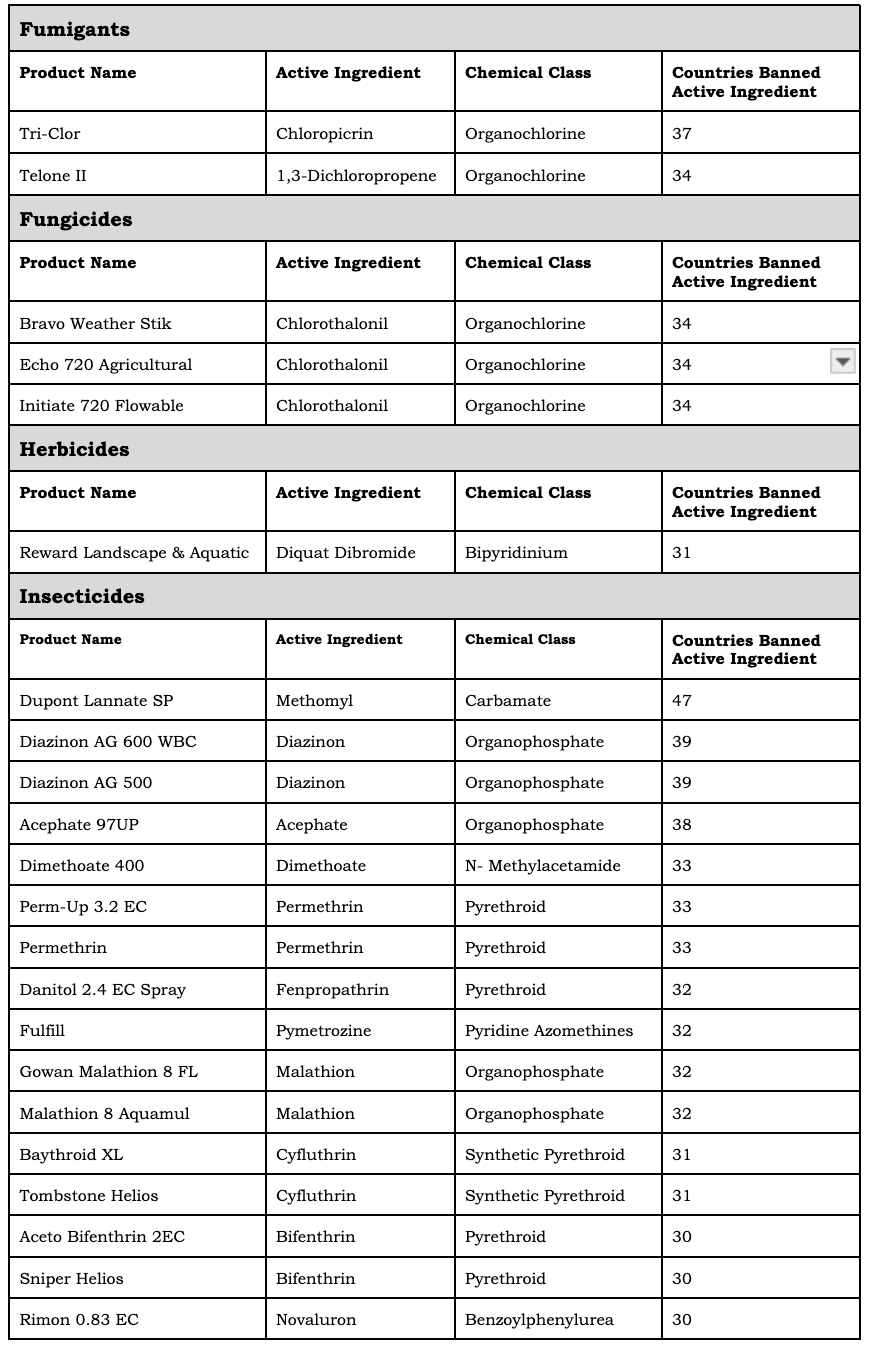
West Coast Tomato Growers are NOT not a good neighbor, regularly using toxic pesticides like diazinon, chlorothalonil, cyfluthrin, and methomyl which are banned in many countries around the world.
West Coast Tomato Growers/Oceanside Poles also has worker violations, being sued for exploiting guest workers, settling for $1 million in 2018.
Toxic Pesticides Banned in Other Countries
Below is an overview of just a few of the toxic pesticides used by West Coast Tomato.
For more information on pesticides, please click here for the CleanEarth4Kids.org Team 5: Stop Toxic Pesticides page.
Pesticides Are Toxic
Synthetic pesticides damage the environment and human health. Pesticides are known to increase children’s cancer risk and 95% of pesticides used miss their target. Pesticides are poison, that is their purpose.
Pesticides can cause both immediate (acute) and long-term (chronic) harm through skin contact, being swallowed, breathed in or contact with the eyes.
Acute effects include headache, skin irritation, vomiting, sneezing and rashes and in severe cases muscle weakness, twitching, lung spasm, changes in heart rate, convulsions and even coma.
Chronic exposure often impacts the reproductive, central nervous and endocrine systems. Long-term effects of pesticides can take years to appear after exposure. Some of the more common chronic effects of pesticide exposure include lymphoma, leukemia, breast cancer, asthma, cardiac disease, diabetes, necrosis and immune system disorders.
Pesticides are a significant threat to prenatal development and birth outcomes, increasing the risk of adverse effects on the developing fetus including birth defects and developmental problems. Many pesticides are known endocrine disruptors for both humans and wildlife, causing increased chances of cancer along with reproduction problems and issues with the immune and nervous systems.
Children have a higher risk of acute and chronic toxicity as they can not metabolize toxic chemicals as well as adults while having higher exposure levels due to higher intake of air, water and food per body weight compared to adults.,
Many Pesticides Used are Banned in Other Countries
The US uses toxic pesticides banned in many other countries. The US only bans 22 pesticides while China bans 55 and the EU bans 254. (For a list of pesticides banned in other countries, please click here.)
99% of synthetic pesticides and synthetic fertilizers come from fossil fuels and the continued use of these petrochemicals is a direct threat to the climate and our world.
Approximately 1/3 of the annual US pesticide use, over 300 million pounds from 85 different pesticides, are from pesticides banned in the EU. In 2017 & 2018, the EPA registered more than 100 pesticides with ingredients widely considered to be dangerous.
There are also pesticide additives which can also be toxic, yet are not considered in pesticide safety regulations.
Many common pesticides have been found to contain PFAS which are incredibly toxic and are a direct threat to human and environmental health.
For information on how the pesticide industry makes sure their products are approved without proper testing, we encourage you to look at the article “How Pesticide Companies Corrupted the EPA and Poisoned America”. Sen. Richard Blumenthal, D-Conn., is quoted in the article: “These findings are profoundly alarming and point to a troubling pattern of disregard at the EPA’s Office of Pesticide Programs.”
Pesticide companies often sit on panels, committees, and working groups to "advise" regulators and have ensured the EPA relies almost entirely on industry-funded studies. There is also a 10-part series in the Intercept on how the EPA is failing to evaluate and test pesticides and chemicals due to industry interference. For example, the EPA’s pesticide office approved 89% of 972 industry requests to waive toxicity tests between 2011 and 2018.
Protect Children From Toxic Pesticides
Rates of childhood leukemia and brain cancer have been increasing since 1976 and cancer is now the leading cause of death by disease among American children under the age of 15 with around 10,000 children being diagnosed every year., Notably, exposure to pesticides in children has been linked to an elevated risk of various cancers, especially leukemia and lymphoma.
Children of color are more likely to be exposed to pesticides, making them not just more susceptible, but more vulnerable to harm.
The proximity to agricultural pesticides is very important because pesticides can drift miles, harming children and families living near agricultural fields.
Children are surrounded by an estimated 350,000 synthetic chemicals and chemical mixtures every day. Legal does not mean safe! We must take action to reduce their exposure to toxins.
Stop West Coast Tomato Growers
Please sign our petition and protect our children, families, wildlife, birds & aquatic life in and around the San Luis Rey River and Guajome Park from toxic pesticides.
Please Call San Diego Board of Supervisors and City of Oceanside Council and tell them to vote NO on WCTG!
San Diego Board of Supervisors
Supervisor Paloma Aguirre. (619) 531-5511
Supervisor Joel Anderson. (619) 531-5522
Supervisor Terra Lawson-Remer. (619) 531-5533
Supervisor Monica Montgomery-Steppe. (619) 531-5544
Supervisor Jim Desmond. (619) 531-5555
City of Oceanside Council
Mayor Esther Sanchez. (760) 435-3057
Deputy Mayor Eric Joyce. (760) 435-3032
Councilmember Jimmy Figueroa. (760) 435-3047
Councilmember Peter Weiss. (760) 435-3066
Councilmember Rick Robinson. (760) 435-3033

131
The Issue
West Coast Tomato Growers is using toxic pesticides 100 feet from where people live, the bike trail, Mission Vista High School (1/2 mile away), and our water: the San Luis Rey River is classified as impaired under the Clean Water Act!
POISONING us: our homes, children, families, seniors, pets, water (San Luis Rey River), fish, birds, wildlife & kids in their homes, their daycares and at nearby schools, the bike trail, Guajome Park!
In 2025, West Coast Tomato Growers used 14,955 gallons and 8,793 pounds of toxic pesticides!
From January 2016 to March 2026, 75% of the pesticides used by West Coast Tomato have active ingredients banned in other countries
Click here for our 136 page letter detailing what WCTG is using and why it threatens children's health, biodiversity, and the environment.
Sign the Petition:
Tell Oceanside & the County of San Diego to STOP leasing OUR TAXPAYER lands to
West Coast Tomato Growers/Oceanside Poles! Stop Toxic Pesticides!
City of Oceanside City Council and County of San Diego Board of Supervisors,
Please save lives! Stop leasing our taxpayer lands to West Coast Tomato Growers (Oceanside Poles) and return it to open space. We also ask you to enact policies to only lease agricultural land for organic farming.
West Coast Tomato Growers are NOT not a good neighbor, regularly using toxic pesticides like diazinon, chlorothalonil, cyfluthrin, and methomyl which are banned in many countries around the world.
West Coast Tomato Growers/Oceanside Poles also has worker violations, being sued for exploiting guest workers, settling for $1 million in 2018.
Toxic Pesticides Banned in Other Countries
Below is an overview of just a few of the toxic pesticides used by West Coast Tomato.
For more information on pesticides, please click here for the CleanEarth4Kids.org Team 5: Stop Toxic Pesticides page.
Pesticides Are Toxic
Synthetic pesticides damage the environment and human health. Pesticides are known to increase children’s cancer risk and 95% of pesticides used miss their target. Pesticides are poison, that is their purpose.
Pesticides can cause both immediate (acute) and long-term (chronic) harm through skin contact, being swallowed, breathed in or contact with the eyes.
Acute effects include headache, skin irritation, vomiting, sneezing and rashes and in severe cases muscle weakness, twitching, lung spasm, changes in heart rate, convulsions and even coma.
Chronic exposure often impacts the reproductive, central nervous and endocrine systems. Long-term effects of pesticides can take years to appear after exposure. Some of the more common chronic effects of pesticide exposure include lymphoma, leukemia, breast cancer, asthma, cardiac disease, diabetes, necrosis and immune system disorders.
Pesticides are a significant threat to prenatal development and birth outcomes, increasing the risk of adverse effects on the developing fetus including birth defects and developmental problems. Many pesticides are known endocrine disruptors for both humans and wildlife, causing increased chances of cancer along with reproduction problems and issues with the immune and nervous systems.
Children have a higher risk of acute and chronic toxicity as they can not metabolize toxic chemicals as well as adults while having higher exposure levels due to higher intake of air, water and food per body weight compared to adults.,
Many Pesticides Used are Banned in Other Countries
The US uses toxic pesticides banned in many other countries. The US only bans 22 pesticides while China bans 55 and the EU bans 254. (For a list of pesticides banned in other countries, please click here.)
99% of synthetic pesticides and synthetic fertilizers come from fossil fuels and the continued use of these petrochemicals is a direct threat to the climate and our world.
Approximately 1/3 of the annual US pesticide use, over 300 million pounds from 85 different pesticides, are from pesticides banned in the EU. In 2017 & 2018, the EPA registered more than 100 pesticides with ingredients widely considered to be dangerous.
There are also pesticide additives which can also be toxic, yet are not considered in pesticide safety regulations.
Many common pesticides have been found to contain PFAS which are incredibly toxic and are a direct threat to human and environmental health.
For information on how the pesticide industry makes sure their products are approved without proper testing, we encourage you to look at the article “How Pesticide Companies Corrupted the EPA and Poisoned America”. Sen. Richard Blumenthal, D-Conn., is quoted in the article: “These findings are profoundly alarming and point to a troubling pattern of disregard at the EPA’s Office of Pesticide Programs.”
Pesticide companies often sit on panels, committees, and working groups to "advise" regulators and have ensured the EPA relies almost entirely on industry-funded studies. There is also a 10-part series in the Intercept on how the EPA is failing to evaluate and test pesticides and chemicals due to industry interference. For example, the EPA’s pesticide office approved 89% of 972 industry requests to waive toxicity tests between 2011 and 2018.
Protect Children From Toxic Pesticides
Rates of childhood leukemia and brain cancer have been increasing since 1976 and cancer is now the leading cause of death by disease among American children under the age of 15 with around 10,000 children being diagnosed every year., Notably, exposure to pesticides in children has been linked to an elevated risk of various cancers, especially leukemia and lymphoma.
Children of color are more likely to be exposed to pesticides, making them not just more susceptible, but more vulnerable to harm.
The proximity to agricultural pesticides is very important because pesticides can drift miles, harming children and families living near agricultural fields.
Children are surrounded by an estimated 350,000 synthetic chemicals and chemical mixtures every day. Legal does not mean safe! We must take action to reduce their exposure to toxins.
Stop West Coast Tomato Growers
Please sign our petition and protect our children, families, wildlife, birds & aquatic life in and around the San Luis Rey River and Guajome Park from toxic pesticides.
Please Call San Diego Board of Supervisors and City of Oceanside Council and tell them to vote NO on WCTG!
San Diego Board of Supervisors
Supervisor Paloma Aguirre. (619) 531-5511
Supervisor Joel Anderson. (619) 531-5522
Supervisor Terra Lawson-Remer. (619) 531-5533
Supervisor Monica Montgomery-Steppe. (619) 531-5544
Supervisor Jim Desmond. (619) 531-5555
City of Oceanside Council
Mayor Esther Sanchez. (760) 435-3057
Deputy Mayor Eric Joyce. (760) 435-3032
Councilmember Jimmy Figueroa. (760) 435-3047
Councilmember Peter Weiss. (760) 435-3066
Councilmember Rick Robinson. (760) 435-3033
The Decision Makers


Supporter Voices
Petition Updates
Share this petition
Petition created on October 23, 2024