

The Virginia Cannabis Health, Opportunity, Prosperity, Environment & Economic (HOPEE) Act
The Issue
Read the legislation proposal below 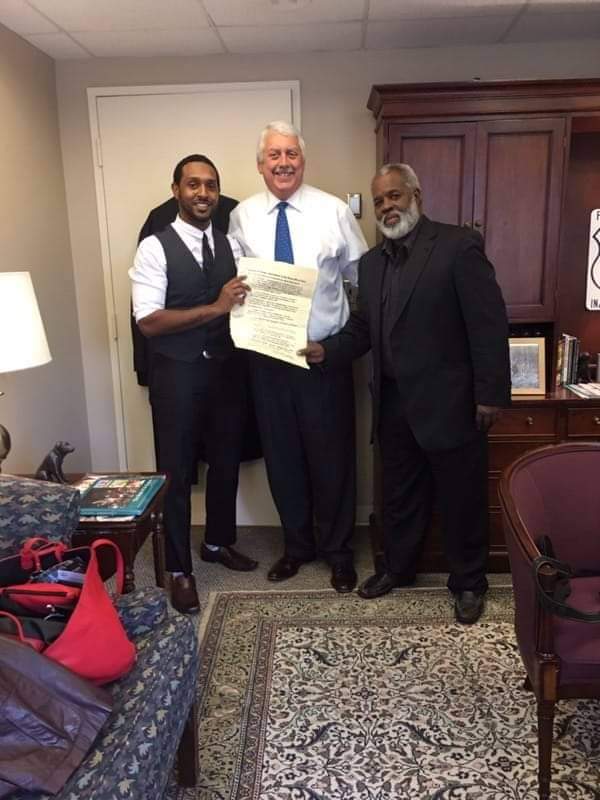
Drafted By: Savion Hays & James Gabus of The Kush Kommittee
Preamble: The Commonwealth of Virginia has a rich and storied history in the cultivation and use of cannabis and hemp. As early as the 1700s, Virginia farmers were growing hemp for textile production, making it a vital component of the state's economy. In 1979, Virginia became the first state in the union to recognize the medical potential of cannabis, a discovery that would change the course of history for patients and healthcare providers alike. As we move forward, it is imperative that we build on this legacy and create a cannabis industry that is inclusive, equitable, and sustainable. This legislation is a commitment to the people of Virginia to create a cannabis industry that benefits all, and to make Virginia a leader in the national conversation on cannabis legalization and regulation.
Purpose: This Act aims to legalize the use, cultivation, distribution, and sale of cannabis for adults aged 18 and over, while also establishing fair regulations and fees for license holders, as well as a mandatory education program on the history, culture, and potential future of cannabis. Additionally, the Act aims to provide social and economic justice for communities negatively impacted by cannabis prohibition, and to support early adopters of cannabis reform in Virginia, while also preserving the culture of cannabis and promoting environmentally friendly practice

Dear Reader,
This legislation is a commitment to not only economic prosperity, but also to social and environmental justice. We will allocate a portion of tax revenues to marginalized communities that have been disproportionately affected by cannabis prohibition. We will also dedicate funds to green energy projects, AI research and development, and other initiatives that promote a sustainable future for our state.
With this legislation, we have the opportunity to make history in Virginia. We can lead the way in regenerating our planet, creating jobs, and promoting equity for all. Let us come together as a state and pass this legislation, for the benefit of all Virginians and for the betterment of our society as a whole.
Together, we can create a bright and prosperous future for Virginia, where the cannabis and hemp industry can thrive while also making a positive impact on our communities, our planet, and our economy. Let us seize this opportunity to make Virginia a leader in the cannabis and hemp industry, and pave the way for a better future for all.
-Savion Hays
Board Director
The Kush Kommittee
***********************************************************************************************************
The Virginia Cannabis Health, Opportunity, Prosperity, Environment and Equity Act
(The HOPEE Act)
.
Section 1: Legalization of Adult Use Cannabis and establishment guidelines for Medical Caretakers.
(a) Effective Immediately after the Governor signs, The possession, use, and transportation of cannabis by adults aged 18 and over shall be legal in the Commonwealth of Virginia. Public consumption shall be legal in places where tobacco, Vape, E-Cigs are allowed to be consumed, freeing thousands of citizens from the burden of criminalization and paving the way for new opportunities and personal freedoms. This groundbreaking legislation will open the doors to a new era of freedom, justice, and prosperity for all Virginians.
(b) The cultivation, distribution, and sale of cannabis shall also be legal for adults aged 18 and over, unleashing the economic potential of this powerful plant and creating jobs and business opportunities in the Commonwealth, while also promoting environmentally friendly practices and preserving the culture of cannabis. The cultivation of Cannabis shall also be legal for adults aged 18 and over, the limit of plants in a household shall not exceed 100 plants at any given time as well as not exceed 10lb of processed flower at any given time any amount above these limits will require licensing and reporting of income to the state. Allowing Virginia residents, the opportunity to be self-sufficient if desired.
(c) The use of cannabis shall not be used as a means for employers to not hire or fire someone. This ensures that citizens will not be denied job opportunities or lose their jobs due to their cannabis use as long as it is within the legal parameters set by this act.
Section 2: Licensing and Regulations
(a) The Virginia Department of Agriculture and Consumer Services shall be responsible for issuing and regulating licenses for cannabis cultivators, including both craft cultivators and corporate cultivators. This will ensure that the cannabis industry in Virginia is built on a foundation of fairness, equity, and opportunity for all.
(a)(1) Tiers of Licensing Fees:
· Micro Grower License (Less than 101 Plants at any given time, possession of no more than100 lbs of processed flower at any given time) - $200 Annually
· Small Batch Craft Grower License (Less than 301 plants at any given time, possession of no more than 250lbs of processed flower at any given time) - $300 Annually
Small Business Commercial Grower License (Less than 501 plants at any given time, possession of no more than 500lbs of processed flower at any given time) - $1000 Annually
Corporation Commercial Grower License (Less than 2001 plants at any point in time,possession of no more than 1000lbs of processed flower at any given time) - $5000 Annually
Medical Caretaker License - (Shall be authorized up to 25 plants per registered MMJ Patient, with a max of 8 patients per license. Possession of 5lbs or less of processed flower per patient) - $200 Bi-Annually. Additionally, caretaker must complete state approved course on the known medicinal properties and historical and current usages of cannabis as medicine.
Vendor License – Shall be authorized up to 30 lbs of processed cannabis flower at any given time while working a state licensed cannabis event. State licensed Vendors must adhere to a state approved pricing strategy sheet. This is set to stabilize the pricing market of recreational cannabis to assure consumers are getting fair prices while distributors are making fair income. Pricing will be set at a future date. $250 Bi Annually
Veteran/Disabled Veteran Owned and Operated Businesses shall receive a reduced tax rate on their reported Cannabis income, Business solely owned and operated by Veterans/Disabled Veterans shall be tax exempt to assist in getting transitioning service member’s employment and entrepreneurial opportunities. Tax exemption will require submission of DD-214/DD-215’s of Owner and All Employees to Virginia Treasurer’s Office.
Events License – Shall be authorized to host events with no more than 20 vendors. We are setting vendor limits to assure unique brands have the chance to stand out and customers are receiving a variety of options. The State will set a Vendor Table Fee based on the size of each event. Event host is not to charge more than the set amounts for each category. This assures that vendors do not over pay for events with minimal turnouts. Event Host must charge a state / city tax on vendor fee. $500 annual license fee. All venues hosting cannabis events must work through a licensed Event host. Event host must go through a cannabis quality control class before license is approved. This assures that all event host know what to look for when checking vendors products. * note * these classes don’t need to be complex. There’s a science to cannabis and a lot of trial and error but if done properly we can teach event host how to check for mold / mites. We can teach strain integrity by teaching terp profiles. The goal is to assure the consumers are getting what they are paying for and to start developing a culture of Quality and Accuracy in Virginia.
(b) The Virginia Department of Health shall be responsible for issuing and regulating licenses for cannabis processors and dispensaries, licensed Medical Caretakers and Vendors. ensuring that the products available to consumers are safe, high-quality, and tested to the highest standards.
(c) Licensing fees shall be established in a fair and equitable manner, with consideration given to the size and type of operation, and with a focus on supporting small businesses and marginalized communities. Initial license application fees shall be tiered between $200-$5000 annually dependent on size of operation for commercial cultivation and commercial retail sales.
(d) Regulations shall be established to ensure the safety and quality of cannabis products, and to prevent illegal activities such as diversion and underage sales, while also protecting the rights of consumers and patients. Establish with local industry figures acceptable limits in regards to testing results of cannabis flower/concentrates (VA Compliant). This will also make edibles manufactured in Virginia a true percentage that they base their dosage rates off of.
(e) Adults aged 18 and over shall be permitted to cultivate up to 100 cannabis plants for personal use in their residence, with a 10lb limit of processed cannabis flower. Discretion is up to the home owner as to how many plants can be grown inside or outside of the residence. Medical patients are allowed to grow up to a minimum of 12 plants in their residence.
(f) Medical cannabis shall be exempt from sales tax, ensuring that patients have access to the medicine they need without financial burden. The Commonwealth of Virginia Dept. of Health shall immediately establish a Medical Caretaker Program. Applications for prospective Medical Caretakers shall be submitted to the VA Dept. of Health. The following guidelines for approval or denial shall be as follows
• No Felony Convictions (Expunged Felonies shall not be counted as a disqualifying factor to allow those who have served their sentence and wish to become upstanding members of society in a legal market an honest opportunity to do so)
• Virginia Full Time Residency is required for approval of license application.
(f)(2) Medical Caretaker Licensing Fees, shall be no more than $200.00 and shall be renewed annually as to not burden those choosing to focus on the medical aspect financially. Income from legally authorized sales to patients will be reported on Virginia Income Tax Return.
(f)(3) Licensed Medical Caretakers shall be allowed to legally cultivate 25 plants per patient to be able to meet their needs with extracts and concentrates that require more flower to produce with meaningful cannabinoid levels. There shall be a limit of 5lbs of processed cannabis flowers per patient to ensure it is always available to those registered patients.
(f)(4) Licensed Medical Caretakers shall be allowed to register 8 patients per license.
(f)(5) Licensed Medical Caretakers shall submit a sample of all flower to be legally sold to patients for lab testing to evaluate Cannabinoid percentages as well as for impurities, toxins and mold. Results shall be posted on packaging.
(f)(6) A legal pathway for Licensed Caretakers to sell their overages or year end leftovers to licensed retail companies no more than twice annually, more than 2 sales annually will require a retail sales license. All sales to patients or licensed retail stores/vendors shall be reported to the state for income tax purposes. Sales tax shall not be applied to medical cannabis being sold to legally recognized patients.
(f)(7) Recreational Vendors. Vendors shall obtain a Vendor License through VDH, this will authorize them to possess, transport and sell retail Cannabis Products not to exceed 30lbs per event. Localities shall have the right to establish Cannabis “Farmers Markets” to allow licensed vendors the opportunity to succeed in public events as well with no additional fees to setup a table relieving some of their financial burden from legislation.
Vendors shall renew their license annually and report all sales for Income Tax purposes as any self employed person(s) would do. A State Sales Tax account will be required to pay the VA Sales tax required by the commonwealth on all recreational sales, sales tax on recreational cannabis shall be charged by the vendor to the purchaser of said products.
Vendors will be responsible for testing of any products not already presenting test results on the label. All products shall be tested for Cannabinoid Levels, Impurities/Toxins and Mold to ensure a safe product is being presented to the general public. Licensed Vendors can attend and do business at any private event they are involved with, with no additional fees by the Commonwealth or Localities.
(g) Corporate applicants for cannabis cultivation licenses shall be required to complete a mandatory course on cannabis culture, covering topics such as quality cultivation, preservation of genetics, and the importance of small-scale cannabis operations, inspired by Jack Herer's "The Emperor Wears No Clothes" books.
(h) A pricing standard shall be established to ensure that cultivators and distributors can make profits while consumers have access to fair prices at retail, protecting the rights of all stakeholders in the cannabis industry.
(i) A strain integrity system shall be established to ensure that consumers have access to the strains they need, particularly for medical use, and to protect the integrity of cannabis genetics.
Section 3: Education Program
(a) A mandatory education program on the history, culture, and potential future of cannabis shall be established, to be made available to all adults in the Commonwealth of Virginia, educating citizens about the true nature of this plant and its potential benefits.
(b) The education program shall include information on the medicinal benefits and potential risks of cannabis use, as well as information on responsible use and cannabis laws and regulations.
Section 4: Sales Tax and Revenue
(a) A sales tax of no more than 20% shall be imposed on non-medical cannabis products sold in the Commonwealth of Virginia, generating significant revenue that can be used to fund vital programs and services.
(b) A portion of the revenue from the sales tax, not less than 40% shall be allocated to programs designed to support communities negatively affected by cannabis prohibition, such as providing housing for the homeless, job training and education, and other programs that addresses poverty, crime, and social inequality.
(c) A committee shall be established to allocate these funds to programs that are most effective in addressing the needs of these communities, ensuring that the benefits of legalization are felt by all Virginians.
Section 5: Other Provisions
(a) Local governments shall have the authority to regulate the location and number of cannabis dispensaries within their jurisdiction, in order to ensure that the needs and concerns of individual communities are taken into account in the development of the cannabis industry. This provision empowers local leaders to make decisions that are in the best interest of their constituents and promotes community engagement in the cannabis industry.
(b) Employers shall retain the right to maintain drug-free workplaces and enforce drug testing policies, but shall not use cannabis use as a sole reason for not hiring or firing an individual. This ensures that citizens will not be denied job opportunities or lose their jobs due to their cannabis use, as long as it is within the legal parameters set by this act. This provision provides a safeguard for the rights of workers and ensures that the benefits of legalization are enjoyed by all Virginians. This includes public services jobs like Police Officers, Fire Fighters, Medical Professionals, Etc.
(c) "Pop-up" cannabis events shall be treated similarly to food vendor licenses, with an annual fee for operation and collection of taxes on legal cannabis sales. This will provide a framework for regulating and taxing these events, while also protecting the rights of consumers and patients. This provision provides a mechanism for the state to regulate and tax cannabis events while promoting safety and fairness for consumers.
(d) Grandfathering in cannabis / hemp companies in Virginia from 2007 to - 2106. These companies fought for the laws first and should be exempt from paying license fee for the first 5 years of the new regulatory structure to support early adopters of cannabis reform in Virginia. This provision recognizes the pioneering role of early adopters of cannabis reform in Virginia and provides them with an opportunity to benefit from the new regulatory structure.
(e) The Virginia Hemp & Cannabis State Park Committee shall be established to build state parks dedicated to outdoor use by adults 18+ as well as a conservation center to preserve genetics, act as an eco-friendly park as cannabis and hemp will clean toxins and pollutants from soil and air while producing clean oxygen. This provision promotes environmentally-friendly practices and supports the conservation of cannabis genetics, while also providing adults 18+ a safe and legal place to enjoy the benefits of cannabis in nature. These state parks will serve as a source of pride for the Commonwealth and a destination for cannabis enthusiasts from around the world. It also serves as a means of promoting environmental conservation, tourism, and preserving the culture of cannabis.
Section 6: Delivery Service Licensing
(a) In order to ensure the safe and legal transportation of cannabis products, all delivery services operating within the Commonwealth of Virginia shall be required to obtain a license from the state.
(b) The license fee for delivery services shall be based on the size of the customer base the delivery service is servicing. This ensures that the fee is fair to the service, and takes into account the costs of compliance with regulations. As an example, a delivery service that serves a large customer base would pay a higher license fee than a delivery service that serves a small customer base. A suggested fee would be $3000 for a delivery service that serves more than 1000 customers annually and $1000 for a delivery service that serves less than 1000 customers annually. This will be charged at the end of the first year of operations. Failure to pay within 10 days of due date will result in immediate suspension of licenses and fines will be incurred.
(c) Delivery services shall pay their license fee on an annual basis and shall report taxes according to Virginia state law. This will ensure that the state is able to collect the necessary revenue to fund cannabis-related programs and services.
(d) Delivery services shall be required to comply with all regulations regarding the transportation and delivery of cannabis products, including proper labeling, packaging, and testing of products, as well as compliance with any additional regulations established by the state. This will ensure that consumers receive safe and properly labeled cannabis products.
(e) Any violation of the regulations regarding delivery service licensing shall result in penalties, including fines and revocation of the delivery service license. This serves as a deterrent for violators and ensures compliance with the laws and regulations.
SubSection 6: Delivery Service Licensing
(f) In order to ensure that the advertising and promotion of cannabis products is conducted in a responsible and legal manner, marketing standards for delivery services in Virginia shall include guidelines for the use of billboards and print media. The use of these advertising mediums is legal, so long as they do not use elements that promote to children.
(g) Delivery services shall be strictly prohibited from using cartoon characters, or other elements that are known to appeal to children in their marketing materials. This is in line with our commitment to protect the well-being of our youth.
(h) Delivery services shall be required to include information on the legal age for cannabis consumption and the dangers of consuming cannabis products while driving or operating heavy machinery in their marketing materials. This is to ensure that our citizens are aware of the legal framework surrounding cannabis consumption and its potential risks.
(i) The state shall have the authority to investigate and take action against delivery services that violate marketing standards. Penalties for violations may include fines and revocation of the delivery service license. This will serve as a deterrent for violators and ensures compliance with the laws and regulations.
Section 7: Product Packaging, Copyright and Trademark Infringement
(a) In order to protect the rights of corporations and promote creativity within the cannabis industry, the use of cannabis product branding that infringes on the rights of corporations is strictly prohibited. This section is a testament to our commitment to foster an environment of innovation and originality in the cannabis industry in Virginia.
(b) The state shall establish a committee, comprising of legal and intellectual property experts, to investigate and take action against any infringement of copyright and trademark laws in relation to cannabis product branding. Penalties for violations may include fines and revocation of the license, as a means to safeguard the rights of legal entities.
(c) The state, in its commitment to environmental responsibility, will establish a state-run bio-degradable cannabis product packaging supply to address the issue of package pollution. This will help to keep packaging costs low for distributors and cultivators while also generating additional revenue for the state.
(d) 75% of cannabis products shall be required to be packaged in state-approved bio-degradable packaging prior to distribution or sale, as a means to minimize our carbon footprint.
(e) Any violations of the regulations regarding packaging and branding shall result in penalties, including fines and revocation of the license, as a means to ensure compliance with the laws and regulations.
Section 8: Prevention of Corporate Monopolies
(a) The cannabis industry in Virginia is the product of tireless efforts by the citizens of this state, who have fought long and hard to end the prohibition of this plant. To ensure that the fruits of their labor are protected and to safeguard the industry from corporate takeover, measures must be taken.
(b) The state of Virginia recognizes that while fortune 500 corporations can play a valuable role in the cannabis industry, they must not be allowed to monopolize it. Therefore, any corporation wishing to establish a foothold in the cannabis industry of Virginia, must do so in partnership with our local cultivators.
(c) To foster this partnership between corporations and local cultivators, the state shall provide tax breaks and other legal incentives for corporations that establish processing facilities, packaging plants, cultivation farms, and other essential infrastructure in the state. This is to ensure that the industry remains in the hands of the people and not corporate entities.
(d) The state shall also establish a review process, comprising of industry experts, to ensure that these partnerships between corporations and local cultivators are fair and mutually beneficial. This is to ensure that the industry remains inclusive and not exclusive to a select few.
(e) Any violation of the regulations regarding corporate partnership in the cannabis industry shall result in penalties, including fines and revocation of the license. This is to ensure compliance with the laws and regulations, and to safeguard the rights of the citizens of Virginia.
Section 9: Cannabis Consumption and Sales at Casinos
(a) In order to foster a responsible and legal cannabis consumption environment and to generate additional revenue for the state, the state of Virginia shall allow for the consumption and sale of cannabis products at licensed casinos.
(b) Casino owners who wish to participate in this program must acquire a license, which shall be paid on an annual basis. The license fee for this program shall be set at $50,000 per year, which takes into consideration the potential revenue for the state and the casino owners.
(c) In return for paying the license fee, casinos shall be able to sell cannabis products at a reduced tax rate of 5%. This reduction is designed to provide an incentive for casino owners to participate in the program and to generate additional revenue for the state.
(d) The state shall establish a review process to ensure that the program is being implemented responsibly and that the regulations are being followed. The process shall be headed by a committee comprising of experts from different backgrounds
(e) Any violation of the regulations regarding cannabis consumption and sales at casinos shall result in penalties, including fines and revocation of the license. This is to ensure compliance with the laws and regulations and to safeguard the rights of the citizens of Virginia.
Section 10: Community Impact and Reparations
(a) The Commonwealth of Virginia, in recognition of its historical role in the injustices of the slave trade and the ongoing legacy of systemic racism, affirms its commitment to addressing the disproportionate impact of cannabis prohibition on marginalized communities, particularly the African American community. To this end, the state shall allocate 20% of tax revenues generated by the cannabis industry, towards community development programs aimed at addressing the social and economic disparities that have been exacerbated by prohibition.
(b) A new committee, comprising of representatives from affected communities, city council members, and experts in community development, shall be established to oversee the allocation of funds and the development of programs.
(c) Programs shall be developed in consultation with the affected communities and shall be subject to regular review to ensure alignment with the needs and aspirations of the community.
(d) Examples of programs that may be funded include, but are not limited to: youth centers with interactive STEM programs, sports programs, community programs catering to youth and young adults aimed at steering them away from street gangs and violence, preparing teens for meaningful jobs and career paths, and helping struggling adults find creative jobs and career paths.
(e) A workforce development program for felons shall be established, where they can learn cannabis cultivation and work on farms making liveable wages. The state shall also offer incentives to employers who hire felons, as a means of facilitating reintegration into society and reducing recidivism. This program will provide a pathway for redemption, and will serve as a powerful tool in the fight against poverty, crime and social unrest.
(f) The state shall also establish a rigorous review process to ensure that the funds are being used effectively and in compliance with regulations. This will assure that the state's resources are being directed towards programs that have the greatest impact, and that the state is fulfilling its obligations to the communities that have been disproportionately impacted by prohibition.
The state of Virginia sees the cannabis industry as a means of revitalizing the economy and addressing the injustices of the past. The state will work tirelessly to ensure that the benefits of legalization are shared equitably, and that no community is left behind. This proposal is a call to action, a call for social and economic justice, and a call to honor the legacy of those who have fought for the right to access the benefits of this plant. It is in this spirit that the state of Virginia calls on its representatives to pass this bill immediately, and to take the first step towards a better future for all.
SECTION 11. Support for Native Communities
The Commonwealth of Virginia acknowledges the atrocities and injustices faced by Native communities, and the loss of land and resources they have endured. As a form of reparations and in the spirit of reconciliation, the Commonwealth commits to allocating a minimum of 10% of tax revenue generated from the cannabis industry towards programs and initiatives that benefit Native communities.
A committee, to be known as the "Native Community Support Committee" (NCSC), shall be established by the Governor, consisting of representatives from recognized Native communities, to oversee the allocation and distribution of these funds. The NCSC shall be responsible for identifying programs and initiatives that align with the needs and priorities of the Native communities, and shall ensure that the funds are allocated in a transparent and accountable manner.
The Commonwealth shall work in partnership with the Native communities to support the following initiatives:
Cultural preservation and revitalization programs, including language and traditional skills classes.
Education and job training programs, to empower Native youth and young adults with the skills and knowledge to succeed in the 21st century.
Housing and infrastructure development, to address the critical need for affordable housing and improve the living conditions of Native families.
Financial support for small business development and entrepreneurship initiatives, to promote economic self-sufficiency and self-determination.
Funding for healthcare and social services, to address the health and well-being needs of Native communities.
SECTION 12. Green Energy Investment
(a) The Commonwealth of Virginia recognizes the urgent need to address the issue of climate change and the vital role that green energy plays in addressing this global crisis. As a leading state, it is our responsibility to set an example and lead the way in progress. With the cannabis industry providing a new income stream, the Commonwealth commits to allocating a minimum of 10% of tax revenue generated towards green energy infrastructure projects that promote sustainable living and reduce our dependence on fossil fuels.
(b) A committee, to be known as the "Green Energy Investment Committee" (GEIC), shall be established by the Governor, consisting of experts in the field of green energy, to oversee the allocation and distribution of these funds. The GEIC shall be responsible for identifying and assessing green energy projects that align with the goals of reducing carbon emissions and promoting sustainable living, and shall ensure that the funds are allocated in a transparent and accountable manner.
(c) The Commonwealth shall work in partnership with local governments, communities, and businesses to support the following initiatives:
Electric vehicle exchange programs, to encourage citizens to trade in their gas-guzzling vehicles for clean, electric vehicles.
Solar road infrastructure projects, to install solar-powered roads, sidewalks, and parking lots in communities throughout the state. This will reduce the stress on the electrical grid and provide clean energy to homes and city lights.
Incentives for cities and towns that install solar roads, to encourage the adoption of this innovative technology.
Investment in renewable energy projects such as solar and wind energy to reduce dependence on fossil fuels and support clean energy infrastructure.
Funding for research and development of new green technologies, to stay at the forefront of the clean energy revolution.
(d) Subsection A: Incentives for Green Manufacturing. The Commonwealth shall offer incentives to companies and businesses that bring green manufacturing to Virginia. This includes tax breaks, subsidies and other financial incentives, in order to attract companies that are committed to sustainable practices and reducing their environmental footprint.
Section 13: Investment in Artificial Intelligence (AI) Research and Development
(a) The state of Virginia recognizes the tremendous potential of artificial intelligence (AI) to benefit society and improve the lives of its citizens. In order to stay ahead of the curve and be a leader in this rapidly advancing field, the state commits to investing 5% of cannabis industry tax revenues into AI research and development.
(b) A new committee shall be established to decide on programs and allocate funds for AI research and development. This committee shall be composed of experts in the field of AI, representatives from affected communities, and leaders from the private sector.
(c) The state of Virginia believes that investing in AI research and development is crucial for the future of our economy and society. By investing in AI research and development, the state can create jobs, attract top talent, and drive innovation in a wide range of industries, including cannabis production. This investment will also help to ensure that the benefits of AI are distributed fairly and equitably across all communities.
(d) Furthermore, the state recognizes the importance of AI in the cannabis industry specifically, as AI can take on some of the more strenuous and repetitive tasks, allowing human workers to focus on more complex and creative roles, ultimately increasing productivity and efficiency.
Section 14: Retail Dispensaries
(a) The state of Virginia recognizes the importance of safe and regulated access to cannabis for adult consumers. To ensure the protection of public health and safety, and to promote responsible consumption, the state shall establish a licensing system for retail dispensaries.
(b) Retail dispensaries must acquire a license from the state in order to legally distribute cannabis at their locations. The license fee for the first year shall be $500 and the fee for the second and subsequent years shall be $1000. This fee will be used to cover the cost of regulating the industry and enforcing compliance with state laws and regulations.
(c) Retail dispensaries must be located a minimum distance that has yet to be decided, away from schools and other locations where children may congregate. They must also implement security measures to prevent theft and other criminal activity.
(d) Retail dispensaries must charge state and city taxes on all cannabis sales, in addition to the standard sales tax.
(e) The state shall establish a committee to develop and enforce regulations for retail dispensaries, including guidelines for advertising, packaging, and labelling. The committee will also be responsible for conducting regular inspections of dispensaries to ensure compliance with state laws and regulations.
(f) Retail dispensaries will be held to strict standards to ensure the safety and well-being of the community, while also being given the opportunity to prosper and contribute to the local economy. This is a crucial step in Virginia's journey towards a better future, and the Virginia General Assembly is committed to working with retailers to make this a reality.
As we come to the close of this legislation, we are reminded of the immense potential of the cannabis and hemp industry in Virginia. We have an opportunity to create a fair and thriving industry that benefits all of our citizens, from the small craft cultivators to the large corporations that wish to invest in our state. We understand the importance of including corporations in this new industry, as they bring jobs and economic growth. However, we also recognize the need to prevent monopolization and ensure that the values of quality cultivation and community impact are upheld.

141
The Issue
Read the legislation proposal below
Drafted By: Savion Hays & James Gabus of The Kush Kommittee
Preamble: The Commonwealth of Virginia has a rich and storied history in the cultivation and use of cannabis and hemp. As early as the 1700s, Virginia farmers were growing hemp for textile production, making it a vital component of the state's economy. In 1979, Virginia became the first state in the union to recognize the medical potential of cannabis, a discovery that would change the course of history for patients and healthcare providers alike. As we move forward, it is imperative that we build on this legacy and create a cannabis industry that is inclusive, equitable, and sustainable. This legislation is a commitment to the people of Virginia to create a cannabis industry that benefits all, and to make Virginia a leader in the national conversation on cannabis legalization and regulation.
Purpose: This Act aims to legalize the use, cultivation, distribution, and sale of cannabis for adults aged 18 and over, while also establishing fair regulations and fees for license holders, as well as a mandatory education program on the history, culture, and potential future of cannabis. Additionally, the Act aims to provide social and economic justice for communities negatively impacted by cannabis prohibition, and to support early adopters of cannabis reform in Virginia, while also preserving the culture of cannabis and promoting environmentally friendly practice
Dear Reader,
This legislation is a commitment to not only economic prosperity, but also to social and environmental justice. We will allocate a portion of tax revenues to marginalized communities that have been disproportionately affected by cannabis prohibition. We will also dedicate funds to green energy projects, AI research and development, and other initiatives that promote a sustainable future for our state.
With this legislation, we have the opportunity to make history in Virginia. We can lead the way in regenerating our planet, creating jobs, and promoting equity for all. Let us come together as a state and pass this legislation, for the benefit of all Virginians and for the betterment of our society as a whole.
Together, we can create a bright and prosperous future for Virginia, where the cannabis and hemp industry can thrive while also making a positive impact on our communities, our planet, and our economy. Let us seize this opportunity to make Virginia a leader in the cannabis and hemp industry, and pave the way for a better future for all.
-Savion Hays
Board Director
The Kush Kommittee
***********************************************************************************************************
The Virginia Cannabis Health, Opportunity, Prosperity, Environment and Equity Act
(The HOPEE Act)
.
Section 1: Legalization of Adult Use Cannabis and establishment guidelines for Medical Caretakers.
(a) Effective Immediately after the Governor signs, The possession, use, and transportation of cannabis by adults aged 18 and over shall be legal in the Commonwealth of Virginia. Public consumption shall be legal in places where tobacco, Vape, E-Cigs are allowed to be consumed, freeing thousands of citizens from the burden of criminalization and paving the way for new opportunities and personal freedoms. This groundbreaking legislation will open the doors to a new era of freedom, justice, and prosperity for all Virginians.
(b) The cultivation, distribution, and sale of cannabis shall also be legal for adults aged 18 and over, unleashing the economic potential of this powerful plant and creating jobs and business opportunities in the Commonwealth, while also promoting environmentally friendly practices and preserving the culture of cannabis. The cultivation of Cannabis shall also be legal for adults aged 18 and over, the limit of plants in a household shall not exceed 100 plants at any given time as well as not exceed 10lb of processed flower at any given time any amount above these limits will require licensing and reporting of income to the state. Allowing Virginia residents, the opportunity to be self-sufficient if desired.
(c) The use of cannabis shall not be used as a means for employers to not hire or fire someone. This ensures that citizens will not be denied job opportunities or lose their jobs due to their cannabis use as long as it is within the legal parameters set by this act.
Section 2: Licensing and Regulations
(a) The Virginia Department of Agriculture and Consumer Services shall be responsible for issuing and regulating licenses for cannabis cultivators, including both craft cultivators and corporate cultivators. This will ensure that the cannabis industry in Virginia is built on a foundation of fairness, equity, and opportunity for all.
(a)(1) Tiers of Licensing Fees:
· Micro Grower License (Less than 101 Plants at any given time, possession of no more than100 lbs of processed flower at any given time) - $200 Annually
· Small Batch Craft Grower License (Less than 301 plants at any given time, possession of no more than 250lbs of processed flower at any given time) - $300 Annually
Small Business Commercial Grower License (Less than 501 plants at any given time, possession of no more than 500lbs of processed flower at any given time) - $1000 Annually
Corporation Commercial Grower License (Less than 2001 plants at any point in time,possession of no more than 1000lbs of processed flower at any given time) - $5000 Annually
Medical Caretaker License - (Shall be authorized up to 25 plants per registered MMJ Patient, with a max of 8 patients per license. Possession of 5lbs or less of processed flower per patient) - $200 Bi-Annually. Additionally, caretaker must complete state approved course on the known medicinal properties and historical and current usages of cannabis as medicine.
Vendor License – Shall be authorized up to 30 lbs of processed cannabis flower at any given time while working a state licensed cannabis event. State licensed Vendors must adhere to a state approved pricing strategy sheet. This is set to stabilize the pricing market of recreational cannabis to assure consumers are getting fair prices while distributors are making fair income. Pricing will be set at a future date. $250 Bi Annually
Veteran/Disabled Veteran Owned and Operated Businesses shall receive a reduced tax rate on their reported Cannabis income, Business solely owned and operated by Veterans/Disabled Veterans shall be tax exempt to assist in getting transitioning service member’s employment and entrepreneurial opportunities. Tax exemption will require submission of DD-214/DD-215’s of Owner and All Employees to Virginia Treasurer’s Office.
Events License – Shall be authorized to host events with no more than 20 vendors. We are setting vendor limits to assure unique brands have the chance to stand out and customers are receiving a variety of options. The State will set a Vendor Table Fee based on the size of each event. Event host is not to charge more than the set amounts for each category. This assures that vendors do not over pay for events with minimal turnouts. Event Host must charge a state / city tax on vendor fee. $500 annual license fee. All venues hosting cannabis events must work through a licensed Event host. Event host must go through a cannabis quality control class before license is approved. This assures that all event host know what to look for when checking vendors products. * note * these classes don’t need to be complex. There’s a science to cannabis and a lot of trial and error but if done properly we can teach event host how to check for mold / mites. We can teach strain integrity by teaching terp profiles. The goal is to assure the consumers are getting what they are paying for and to start developing a culture of Quality and Accuracy in Virginia.
(b) The Virginia Department of Health shall be responsible for issuing and regulating licenses for cannabis processors and dispensaries, licensed Medical Caretakers and Vendors. ensuring that the products available to consumers are safe, high-quality, and tested to the highest standards.
(c) Licensing fees shall be established in a fair and equitable manner, with consideration given to the size and type of operation, and with a focus on supporting small businesses and marginalized communities. Initial license application fees shall be tiered between $200-$5000 annually dependent on size of operation for commercial cultivation and commercial retail sales.
(d) Regulations shall be established to ensure the safety and quality of cannabis products, and to prevent illegal activities such as diversion and underage sales, while also protecting the rights of consumers and patients. Establish with local industry figures acceptable limits in regards to testing results of cannabis flower/concentrates (VA Compliant). This will also make edibles manufactured in Virginia a true percentage that they base their dosage rates off of.
(e) Adults aged 18 and over shall be permitted to cultivate up to 100 cannabis plants for personal use in their residence, with a 10lb limit of processed cannabis flower. Discretion is up to the home owner as to how many plants can be grown inside or outside of the residence. Medical patients are allowed to grow up to a minimum of 12 plants in their residence.
(f) Medical cannabis shall be exempt from sales tax, ensuring that patients have access to the medicine they need without financial burden. The Commonwealth of Virginia Dept. of Health shall immediately establish a Medical Caretaker Program. Applications for prospective Medical Caretakers shall be submitted to the VA Dept. of Health. The following guidelines for approval or denial shall be as follows
• No Felony Convictions (Expunged Felonies shall not be counted as a disqualifying factor to allow those who have served their sentence and wish to become upstanding members of society in a legal market an honest opportunity to do so)
• Virginia Full Time Residency is required for approval of license application.
(f)(2) Medical Caretaker Licensing Fees, shall be no more than $200.00 and shall be renewed annually as to not burden those choosing to focus on the medical aspect financially. Income from legally authorized sales to patients will be reported on Virginia Income Tax Return.
(f)(3) Licensed Medical Caretakers shall be allowed to legally cultivate 25 plants per patient to be able to meet their needs with extracts and concentrates that require more flower to produce with meaningful cannabinoid levels. There shall be a limit of 5lbs of processed cannabis flowers per patient to ensure it is always available to those registered patients.
(f)(4) Licensed Medical Caretakers shall be allowed to register 8 patients per license.
(f)(5) Licensed Medical Caretakers shall submit a sample of all flower to be legally sold to patients for lab testing to evaluate Cannabinoid percentages as well as for impurities, toxins and mold. Results shall be posted on packaging.
(f)(6) A legal pathway for Licensed Caretakers to sell their overages or year end leftovers to licensed retail companies no more than twice annually, more than 2 sales annually will require a retail sales license. All sales to patients or licensed retail stores/vendors shall be reported to the state for income tax purposes. Sales tax shall not be applied to medical cannabis being sold to legally recognized patients.
(f)(7) Recreational Vendors. Vendors shall obtain a Vendor License through VDH, this will authorize them to possess, transport and sell retail Cannabis Products not to exceed 30lbs per event. Localities shall have the right to establish Cannabis “Farmers Markets” to allow licensed vendors the opportunity to succeed in public events as well with no additional fees to setup a table relieving some of their financial burden from legislation.
Vendors shall renew their license annually and report all sales for Income Tax purposes as any self employed person(s) would do. A State Sales Tax account will be required to pay the VA Sales tax required by the commonwealth on all recreational sales, sales tax on recreational cannabis shall be charged by the vendor to the purchaser of said products.
Vendors will be responsible for testing of any products not already presenting test results on the label. All products shall be tested for Cannabinoid Levels, Impurities/Toxins and Mold to ensure a safe product is being presented to the general public. Licensed Vendors can attend and do business at any private event they are involved with, with no additional fees by the Commonwealth or Localities.
(g) Corporate applicants for cannabis cultivation licenses shall be required to complete a mandatory course on cannabis culture, covering topics such as quality cultivation, preservation of genetics, and the importance of small-scale cannabis operations, inspired by Jack Herer's "The Emperor Wears No Clothes" books.
(h) A pricing standard shall be established to ensure that cultivators and distributors can make profits while consumers have access to fair prices at retail, protecting the rights of all stakeholders in the cannabis industry.
(i) A strain integrity system shall be established to ensure that consumers have access to the strains they need, particularly for medical use, and to protect the integrity of cannabis genetics.
Section 3: Education Program
(a) A mandatory education program on the history, culture, and potential future of cannabis shall be established, to be made available to all adults in the Commonwealth of Virginia, educating citizens about the true nature of this plant and its potential benefits.
(b) The education program shall include information on the medicinal benefits and potential risks of cannabis use, as well as information on responsible use and cannabis laws and regulations.
Section 4: Sales Tax and Revenue
(a) A sales tax of no more than 20% shall be imposed on non-medical cannabis products sold in the Commonwealth of Virginia, generating significant revenue that can be used to fund vital programs and services.
(b) A portion of the revenue from the sales tax, not less than 40% shall be allocated to programs designed to support communities negatively affected by cannabis prohibition, such as providing housing for the homeless, job training and education, and other programs that addresses poverty, crime, and social inequality.
(c) A committee shall be established to allocate these funds to programs that are most effective in addressing the needs of these communities, ensuring that the benefits of legalization are felt by all Virginians.
Section 5: Other Provisions
(a) Local governments shall have the authority to regulate the location and number of cannabis dispensaries within their jurisdiction, in order to ensure that the needs and concerns of individual communities are taken into account in the development of the cannabis industry. This provision empowers local leaders to make decisions that are in the best interest of their constituents and promotes community engagement in the cannabis industry.
(b) Employers shall retain the right to maintain drug-free workplaces and enforce drug testing policies, but shall not use cannabis use as a sole reason for not hiring or firing an individual. This ensures that citizens will not be denied job opportunities or lose their jobs due to their cannabis use, as long as it is within the legal parameters set by this act. This provision provides a safeguard for the rights of workers and ensures that the benefits of legalization are enjoyed by all Virginians. This includes public services jobs like Police Officers, Fire Fighters, Medical Professionals, Etc.
(c) "Pop-up" cannabis events shall be treated similarly to food vendor licenses, with an annual fee for operation and collection of taxes on legal cannabis sales. This will provide a framework for regulating and taxing these events, while also protecting the rights of consumers and patients. This provision provides a mechanism for the state to regulate and tax cannabis events while promoting safety and fairness for consumers.
(d) Grandfathering in cannabis / hemp companies in Virginia from 2007 to - 2106. These companies fought for the laws first and should be exempt from paying license fee for the first 5 years of the new regulatory structure to support early adopters of cannabis reform in Virginia. This provision recognizes the pioneering role of early adopters of cannabis reform in Virginia and provides them with an opportunity to benefit from the new regulatory structure.
(e) The Virginia Hemp & Cannabis State Park Committee shall be established to build state parks dedicated to outdoor use by adults 18+ as well as a conservation center to preserve genetics, act as an eco-friendly park as cannabis and hemp will clean toxins and pollutants from soil and air while producing clean oxygen. This provision promotes environmentally-friendly practices and supports the conservation of cannabis genetics, while also providing adults 18+ a safe and legal place to enjoy the benefits of cannabis in nature. These state parks will serve as a source of pride for the Commonwealth and a destination for cannabis enthusiasts from around the world. It also serves as a means of promoting environmental conservation, tourism, and preserving the culture of cannabis.
Section 6: Delivery Service Licensing
(a) In order to ensure the safe and legal transportation of cannabis products, all delivery services operating within the Commonwealth of Virginia shall be required to obtain a license from the state.
(b) The license fee for delivery services shall be based on the size of the customer base the delivery service is servicing. This ensures that the fee is fair to the service, and takes into account the costs of compliance with regulations. As an example, a delivery service that serves a large customer base would pay a higher license fee than a delivery service that serves a small customer base. A suggested fee would be $3000 for a delivery service that serves more than 1000 customers annually and $1000 for a delivery service that serves less than 1000 customers annually. This will be charged at the end of the first year of operations. Failure to pay within 10 days of due date will result in immediate suspension of licenses and fines will be incurred.
(c) Delivery services shall pay their license fee on an annual basis and shall report taxes according to Virginia state law. This will ensure that the state is able to collect the necessary revenue to fund cannabis-related programs and services.
(d) Delivery services shall be required to comply with all regulations regarding the transportation and delivery of cannabis products, including proper labeling, packaging, and testing of products, as well as compliance with any additional regulations established by the state. This will ensure that consumers receive safe and properly labeled cannabis products.
(e) Any violation of the regulations regarding delivery service licensing shall result in penalties, including fines and revocation of the delivery service license. This serves as a deterrent for violators and ensures compliance with the laws and regulations.
SubSection 6: Delivery Service Licensing
(f) In order to ensure that the advertising and promotion of cannabis products is conducted in a responsible and legal manner, marketing standards for delivery services in Virginia shall include guidelines for the use of billboards and print media. The use of these advertising mediums is legal, so long as they do not use elements that promote to children.
(g) Delivery services shall be strictly prohibited from using cartoon characters, or other elements that are known to appeal to children in their marketing materials. This is in line with our commitment to protect the well-being of our youth.
(h) Delivery services shall be required to include information on the legal age for cannabis consumption and the dangers of consuming cannabis products while driving or operating heavy machinery in their marketing materials. This is to ensure that our citizens are aware of the legal framework surrounding cannabis consumption and its potential risks.
(i) The state shall have the authority to investigate and take action against delivery services that violate marketing standards. Penalties for violations may include fines and revocation of the delivery service license. This will serve as a deterrent for violators and ensures compliance with the laws and regulations.
Section 7: Product Packaging, Copyright and Trademark Infringement
(a) In order to protect the rights of corporations and promote creativity within the cannabis industry, the use of cannabis product branding that infringes on the rights of corporations is strictly prohibited. This section is a testament to our commitment to foster an environment of innovation and originality in the cannabis industry in Virginia.
(b) The state shall establish a committee, comprising of legal and intellectual property experts, to investigate and take action against any infringement of copyright and trademark laws in relation to cannabis product branding. Penalties for violations may include fines and revocation of the license, as a means to safeguard the rights of legal entities.
(c) The state, in its commitment to environmental responsibility, will establish a state-run bio-degradable cannabis product packaging supply to address the issue of package pollution. This will help to keep packaging costs low for distributors and cultivators while also generating additional revenue for the state.
(d) 75% of cannabis products shall be required to be packaged in state-approved bio-degradable packaging prior to distribution or sale, as a means to minimize our carbon footprint.
(e) Any violations of the regulations regarding packaging and branding shall result in penalties, including fines and revocation of the license, as a means to ensure compliance with the laws and regulations.
Section 8: Prevention of Corporate Monopolies
(a) The cannabis industry in Virginia is the product of tireless efforts by the citizens of this state, who have fought long and hard to end the prohibition of this plant. To ensure that the fruits of their labor are protected and to safeguard the industry from corporate takeover, measures must be taken.
(b) The state of Virginia recognizes that while fortune 500 corporations can play a valuable role in the cannabis industry, they must not be allowed to monopolize it. Therefore, any corporation wishing to establish a foothold in the cannabis industry of Virginia, must do so in partnership with our local cultivators.
(c) To foster this partnership between corporations and local cultivators, the state shall provide tax breaks and other legal incentives for corporations that establish processing facilities, packaging plants, cultivation farms, and other essential infrastructure in the state. This is to ensure that the industry remains in the hands of the people and not corporate entities.
(d) The state shall also establish a review process, comprising of industry experts, to ensure that these partnerships between corporations and local cultivators are fair and mutually beneficial. This is to ensure that the industry remains inclusive and not exclusive to a select few.
(e) Any violation of the regulations regarding corporate partnership in the cannabis industry shall result in penalties, including fines and revocation of the license. This is to ensure compliance with the laws and regulations, and to safeguard the rights of the citizens of Virginia.
Section 9: Cannabis Consumption and Sales at Casinos
(a) In order to foster a responsible and legal cannabis consumption environment and to generate additional revenue for the state, the state of Virginia shall allow for the consumption and sale of cannabis products at licensed casinos.
(b) Casino owners who wish to participate in this program must acquire a license, which shall be paid on an annual basis. The license fee for this program shall be set at $50,000 per year, which takes into consideration the potential revenue for the state and the casino owners.
(c) In return for paying the license fee, casinos shall be able to sell cannabis products at a reduced tax rate of 5%. This reduction is designed to provide an incentive for casino owners to participate in the program and to generate additional revenue for the state.
(d) The state shall establish a review process to ensure that the program is being implemented responsibly and that the regulations are being followed. The process shall be headed by a committee comprising of experts from different backgrounds
(e) Any violation of the regulations regarding cannabis consumption and sales at casinos shall result in penalties, including fines and revocation of the license. This is to ensure compliance with the laws and regulations and to safeguard the rights of the citizens of Virginia.
Section 10: Community Impact and Reparations
(a) The Commonwealth of Virginia, in recognition of its historical role in the injustices of the slave trade and the ongoing legacy of systemic racism, affirms its commitment to addressing the disproportionate impact of cannabis prohibition on marginalized communities, particularly the African American community. To this end, the state shall allocate 20% of tax revenues generated by the cannabis industry, towards community development programs aimed at addressing the social and economic disparities that have been exacerbated by prohibition.
(b) A new committee, comprising of representatives from affected communities, city council members, and experts in community development, shall be established to oversee the allocation of funds and the development of programs.
(c) Programs shall be developed in consultation with the affected communities and shall be subject to regular review to ensure alignment with the needs and aspirations of the community.
(d) Examples of programs that may be funded include, but are not limited to: youth centers with interactive STEM programs, sports programs, community programs catering to youth and young adults aimed at steering them away from street gangs and violence, preparing teens for meaningful jobs and career paths, and helping struggling adults find creative jobs and career paths.
(e) A workforce development program for felons shall be established, where they can learn cannabis cultivation and work on farms making liveable wages. The state shall also offer incentives to employers who hire felons, as a means of facilitating reintegration into society and reducing recidivism. This program will provide a pathway for redemption, and will serve as a powerful tool in the fight against poverty, crime and social unrest.
(f) The state shall also establish a rigorous review process to ensure that the funds are being used effectively and in compliance with regulations. This will assure that the state's resources are being directed towards programs that have the greatest impact, and that the state is fulfilling its obligations to the communities that have been disproportionately impacted by prohibition.
The state of Virginia sees the cannabis industry as a means of revitalizing the economy and addressing the injustices of the past. The state will work tirelessly to ensure that the benefits of legalization are shared equitably, and that no community is left behind. This proposal is a call to action, a call for social and economic justice, and a call to honor the legacy of those who have fought for the right to access the benefits of this plant. It is in this spirit that the state of Virginia calls on its representatives to pass this bill immediately, and to take the first step towards a better future for all.
SECTION 11. Support for Native Communities
The Commonwealth of Virginia acknowledges the atrocities and injustices faced by Native communities, and the loss of land and resources they have endured. As a form of reparations and in the spirit of reconciliation, the Commonwealth commits to allocating a minimum of 10% of tax revenue generated from the cannabis industry towards programs and initiatives that benefit Native communities.
A committee, to be known as the "Native Community Support Committee" (NCSC), shall be established by the Governor, consisting of representatives from recognized Native communities, to oversee the allocation and distribution of these funds. The NCSC shall be responsible for identifying programs and initiatives that align with the needs and priorities of the Native communities, and shall ensure that the funds are allocated in a transparent and accountable manner.
The Commonwealth shall work in partnership with the Native communities to support the following initiatives:
Cultural preservation and revitalization programs, including language and traditional skills classes.
Education and job training programs, to empower Native youth and young adults with the skills and knowledge to succeed in the 21st century.
Housing and infrastructure development, to address the critical need for affordable housing and improve the living conditions of Native families.
Financial support for small business development and entrepreneurship initiatives, to promote economic self-sufficiency and self-determination.
Funding for healthcare and social services, to address the health and well-being needs of Native communities.
SECTION 12. Green Energy Investment
(a) The Commonwealth of Virginia recognizes the urgent need to address the issue of climate change and the vital role that green energy plays in addressing this global crisis. As a leading state, it is our responsibility to set an example and lead the way in progress. With the cannabis industry providing a new income stream, the Commonwealth commits to allocating a minimum of 10% of tax revenue generated towards green energy infrastructure projects that promote sustainable living and reduce our dependence on fossil fuels.
(b) A committee, to be known as the "Green Energy Investment Committee" (GEIC), shall be established by the Governor, consisting of experts in the field of green energy, to oversee the allocation and distribution of these funds. The GEIC shall be responsible for identifying and assessing green energy projects that align with the goals of reducing carbon emissions and promoting sustainable living, and shall ensure that the funds are allocated in a transparent and accountable manner.
(c) The Commonwealth shall work in partnership with local governments, communities, and businesses to support the following initiatives:
Electric vehicle exchange programs, to encourage citizens to trade in their gas-guzzling vehicles for clean, electric vehicles.
Solar road infrastructure projects, to install solar-powered roads, sidewalks, and parking lots in communities throughout the state. This will reduce the stress on the electrical grid and provide clean energy to homes and city lights.
Incentives for cities and towns that install solar roads, to encourage the adoption of this innovative technology.
Investment in renewable energy projects such as solar and wind energy to reduce dependence on fossil fuels and support clean energy infrastructure.
Funding for research and development of new green technologies, to stay at the forefront of the clean energy revolution.
(d) Subsection A: Incentives for Green Manufacturing. The Commonwealth shall offer incentives to companies and businesses that bring green manufacturing to Virginia. This includes tax breaks, subsidies and other financial incentives, in order to attract companies that are committed to sustainable practices and reducing their environmental footprint.
Section 13: Investment in Artificial Intelligence (AI) Research and Development
(a) The state of Virginia recognizes the tremendous potential of artificial intelligence (AI) to benefit society and improve the lives of its citizens. In order to stay ahead of the curve and be a leader in this rapidly advancing field, the state commits to investing 5% of cannabis industry tax revenues into AI research and development.
(b) A new committee shall be established to decide on programs and allocate funds for AI research and development. This committee shall be composed of experts in the field of AI, representatives from affected communities, and leaders from the private sector.
(c) The state of Virginia believes that investing in AI research and development is crucial for the future of our economy and society. By investing in AI research and development, the state can create jobs, attract top talent, and drive innovation in a wide range of industries, including cannabis production. This investment will also help to ensure that the benefits of AI are distributed fairly and equitably across all communities.
(d) Furthermore, the state recognizes the importance of AI in the cannabis industry specifically, as AI can take on some of the more strenuous and repetitive tasks, allowing human workers to focus on more complex and creative roles, ultimately increasing productivity and efficiency.
Section 14: Retail Dispensaries
(a) The state of Virginia recognizes the importance of safe and regulated access to cannabis for adult consumers. To ensure the protection of public health and safety, and to promote responsible consumption, the state shall establish a licensing system for retail dispensaries.
(b) Retail dispensaries must acquire a license from the state in order to legally distribute cannabis at their locations. The license fee for the first year shall be $500 and the fee for the second and subsequent years shall be $1000. This fee will be used to cover the cost of regulating the industry and enforcing compliance with state laws and regulations.
(c) Retail dispensaries must be located a minimum distance that has yet to be decided, away from schools and other locations where children may congregate. They must also implement security measures to prevent theft and other criminal activity.
(d) Retail dispensaries must charge state and city taxes on all cannabis sales, in addition to the standard sales tax.
(e) The state shall establish a committee to develop and enforce regulations for retail dispensaries, including guidelines for advertising, packaging, and labelling. The committee will also be responsible for conducting regular inspections of dispensaries to ensure compliance with state laws and regulations.
(f) Retail dispensaries will be held to strict standards to ensure the safety and well-being of the community, while also being given the opportunity to prosper and contribute to the local economy. This is a crucial step in Virginia's journey towards a better future, and the Virginia General Assembly is committed to working with retailers to make this a reality.
As we come to the close of this legislation, we are reminded of the immense potential of the cannabis and hemp industry in Virginia. We have an opportunity to create a fair and thriving industry that benefits all of our citizens, from the small craft cultivators to the large corporations that wish to invest in our state. We understand the importance of including corporations in this new industry, as they bring jobs and economic growth. However, we also recognize the need to prevent monopolization and ensure that the values of quality cultivation and community impact are upheld.
Supporter Voices
Petition Updates
Share this petition
Petition created on January 16, 2023