The Rt Hon Christopher Pincher MP - Make it a legal requirement for developers to disclose
The Issue
Homebuyers who are planning to move into a newbuild property are at risk of falling victim to a little-known loophole that means their home could be infested by destructive Japanese knotweed without their knowledge.
The highly-invasive plant can cause devastation for homeowners if detected on their property, costing hundreds of pounds to remove and potentially making it impossible to sell their home in the future.
Property developers are currently exempt from disclosing the detection of Japanese knotweed on the site of newbuild properties when selling a home, which means buyers could unwittingly face paying hundreds of pounds to have it removed.
Graham Coffey & Co. Solicitors is calling for a change in the law that would make it a legal requirement for property developers to disclose the detection of Japanese knotweed before the sale of a property.
Stuart Snape, Managing Partner at Graham Coffey & Co. Solicitors, says: “Property developers’ blatant failure to omit Japanese knotweed detection from the sale of newbuild properties to buyers leaves members of the public in a dire situation, facing the cost and time-consuming removal of the weed. In many cases, it also means buyers are unable to sell their home in the future."
What we want
We are calling for a change in the law that would make it a requirement for the seller of a new build property to complete the same TA6 form or make the same Japanese knotweed declaration that everybody else has to make. Currently, developers are not obligated to complete the form, however, regular homeowners do have to complete this form before selling their property.
At present, property developers have two options: to be honest and declare that Japanese knotweed has been detected - enabling the purchaser to make the relevant enquiries for removal with their eyes wide open, or the developer can lie, meaning the property buyer will have a claim for misrepresentation against the developer if and when the Japanese knotweed returns.
We simply want honesty in transparency for homeowners purchasing new-build properties.
How is this allowed to happen?
When a developer sells a new-build property they are not obliged to fill in a TA6 property form. This is the form that a normal seller would complete and within which they are required to declare whether the property has been affected by Japanese knotweed.
Many purchasers of new build properties do not instruct surveyors to carry out checks for Japanese knotweed, often relying on the 10-year NHBC warranty.
Developers often purchase land well in advance of building and whilst the planning process often requires them to declare and treat Japanese knotweed, there is no requirement for a dedicated survey and often they will simply poorly treat the Japanese knotweed to achieve a short-term removal of it from the site – but not a sufficient removal to prevent its return.
Developers can then sell the new build property without mentioning the Japanese knotweed to the prospective buyer.
There is no way of a purchaser finding out if there was or had been any Japanese knotweed on site unless they specifically instruct their solicitor to ask the question. We believe that this is grossly unfair.
Why is this so important?
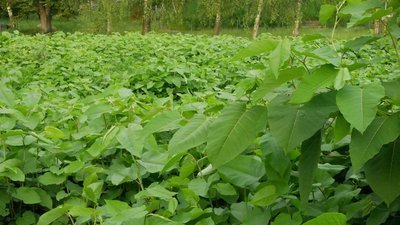
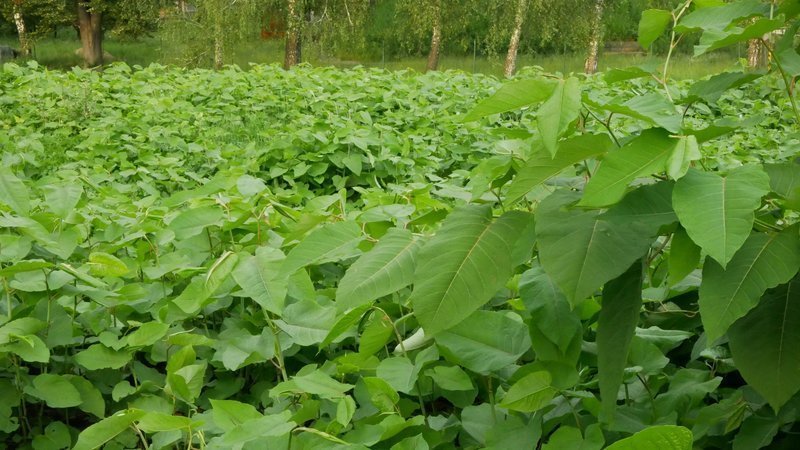
Japanese knotweed is a fast-growing plant that can cause devastation for homeowners if detected on their property. In winter, the plant dies back to ground level, but by early summer the bamboo-like stems emerge from rhizomes deep underground, often reaching over 2.1m (7 foot), and suppressing all over plant growth.
Any Japanese knotweed found on your land must not be spread into the wild. While homeowners do not have to remove Japanese knotweed from their land, they could be prosecuted or given a community protection notice for causing a nuisance, if it is allowed to spread on to anyone else’s property.
Removal options include:
- Spraying with chemicals
- Burning
- Digging it out
- Professional removal
The cost of removal can be hundreds of pounds, whereas failing to identify the Japanese knotweed can lead to long-term disaster for homeowners, making it virtually impossible to sell their home in the future. Why should property developers be able to sell homes where Japanese knotweed has been detected, but regular people cannot?
When a developer sells a new build property they are not obliged to fill in a TA6 property form. This is the form that a normal seller would complete and within which they are required to declare whether the property has been affected by Japanese knotweed.
Many purchasers of new build properties do not instruct surveyors to look for Japanese knotweed - often relying on the 10-year NHBC warranty.
We need help
Please sign our petition today to help protect the rights of homebuyers across the country.

The Issue
Homebuyers who are planning to move into a newbuild property are at risk of falling victim to a little-known loophole that means their home could be infested by destructive Japanese knotweed without their knowledge.
The highly-invasive plant can cause devastation for homeowners if detected on their property, costing hundreds of pounds to remove and potentially making it impossible to sell their home in the future.
Property developers are currently exempt from disclosing the detection of Japanese knotweed on the site of newbuild properties when selling a home, which means buyers could unwittingly face paying hundreds of pounds to have it removed.
Graham Coffey & Co. Solicitors is calling for a change in the law that would make it a legal requirement for property developers to disclose the detection of Japanese knotweed before the sale of a property.
Stuart Snape, Managing Partner at Graham Coffey & Co. Solicitors, says: “Property developers’ blatant failure to omit Japanese knotweed detection from the sale of newbuild properties to buyers leaves members of the public in a dire situation, facing the cost and time-consuming removal of the weed. In many cases, it also means buyers are unable to sell their home in the future."
What we want
We are calling for a change in the law that would make it a requirement for the seller of a new build property to complete the same TA6 form or make the same Japanese knotweed declaration that everybody else has to make. Currently, developers are not obligated to complete the form, however, regular homeowners do have to complete this form before selling their property.
At present, property developers have two options: to be honest and declare that Japanese knotweed has been detected - enabling the purchaser to make the relevant enquiries for removal with their eyes wide open, or the developer can lie, meaning the property buyer will have a claim for misrepresentation against the developer if and when the Japanese knotweed returns.
We simply want honesty in transparency for homeowners purchasing new-build properties.
How is this allowed to happen?
When a developer sells a new-build property they are not obliged to fill in a TA6 property form. This is the form that a normal seller would complete and within which they are required to declare whether the property has been affected by Japanese knotweed.
Many purchasers of new build properties do not instruct surveyors to carry out checks for Japanese knotweed, often relying on the 10-year NHBC warranty.
Developers often purchase land well in advance of building and whilst the planning process often requires them to declare and treat Japanese knotweed, there is no requirement for a dedicated survey and often they will simply poorly treat the Japanese knotweed to achieve a short-term removal of it from the site – but not a sufficient removal to prevent its return.
Developers can then sell the new build property without mentioning the Japanese knotweed to the prospective buyer.
There is no way of a purchaser finding out if there was or had been any Japanese knotweed on site unless they specifically instruct their solicitor to ask the question. We believe that this is grossly unfair.
Why is this so important?
Japanese knotweed is a fast-growing plant that can cause devastation for homeowners if detected on their property. In winter, the plant dies back to ground level, but by early summer the bamboo-like stems emerge from rhizomes deep underground, often reaching over 2.1m (7 foot), and suppressing all over plant growth.
Any Japanese knotweed found on your land must not be spread into the wild. While homeowners do not have to remove Japanese knotweed from their land, they could be prosecuted or given a community protection notice for causing a nuisance, if it is allowed to spread on to anyone else’s property.
Removal options include:
- Spraying with chemicals
- Burning
- Digging it out
- Professional removal
The cost of removal can be hundreds of pounds, whereas failing to identify the Japanese knotweed can lead to long-term disaster for homeowners, making it virtually impossible to sell their home in the future. Why should property developers be able to sell homes where Japanese knotweed has been detected, but regular people cannot?
When a developer sells a new build property they are not obliged to fill in a TA6 property form. This is the form that a normal seller would complete and within which they are required to declare whether the property has been affected by Japanese knotweed.
Many purchasers of new build properties do not instruct surveyors to look for Japanese knotweed - often relying on the 10-year NHBC warranty.
We need help
Please sign our petition today to help protect the rights of homebuyers across the country.
The Decision Makers
Petition Updates
Share this petition
Petition created on 11 November 2020