The People Who Suffer from the Heat in our World

The People Who Suffer from the Heat in our World
The Issue
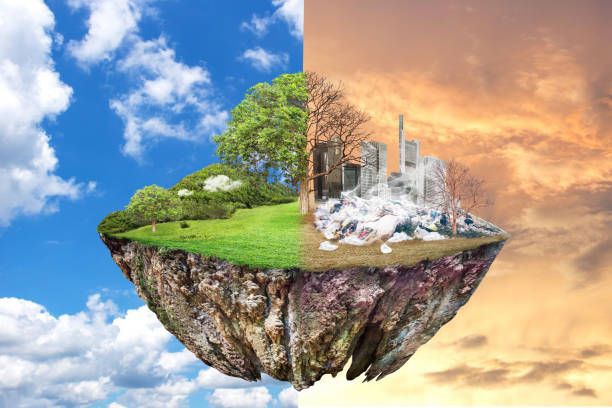
Climate Change: The People Who Suffer from the Heat in our World
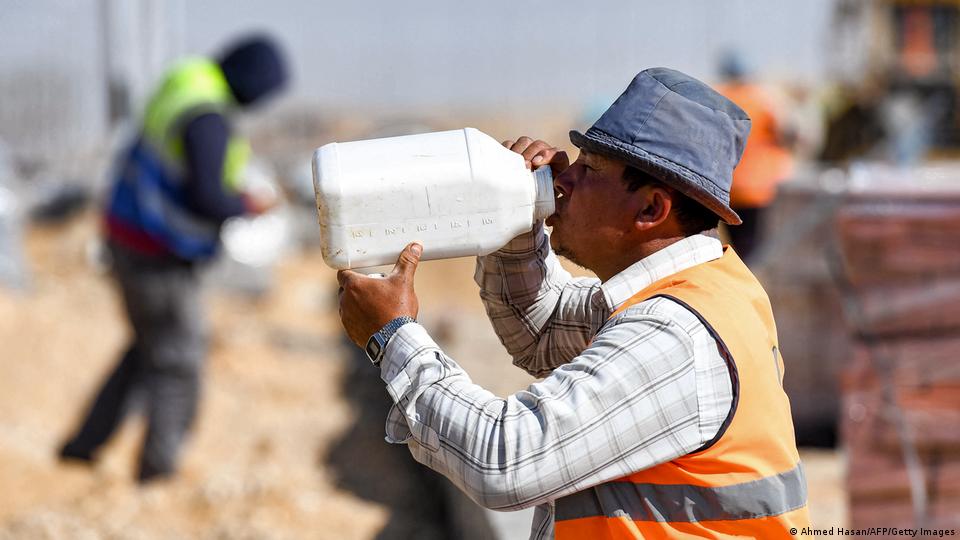
People who live in places that are susceptible to coastal storms, droughts, and sea level rise as well as those who are poor, elderly, and members of immigrant communities may be particularly affected by climate change. Similar to this, certain sectors and professions may experience significant hurdles as a result of climate change. Living near beaches, in storm-prone locations, or on floodplains makes people more susceptible to extreme weather. Poverty may make it harder for people to plan for or react to extreme disasters. These people are therefore anticipated to be more affected by climate-related risks.Climate change can also have an effect on human health by deteriorating air and water quality, accelerating the spread of specific diseases, and changing the frequency or severity of extreme weather events. Rising sea level threatens coastal communities and ecosystems.
Warming temperatures, altered precipitation patterns, an increase in the frequency or severity of some extreme weather events, and rising sea levels are all effects of climate change. These effects have an impact on the food we consume, the water we drink, the air we breathe, and the weather we encounter, endangering our health. The single greatest threat to human health is climate change, which is already having a negative impact on health through air pollution, disease, extreme weather events, forced displacement, stress on mental health, and increased hunger and poor nutrition in areas where people cannot grow or find enough food. More extreme weather events and wildfires, decreased air quality, and diseases spread by insects are other effects of climate change that will have a negative impact on human health.
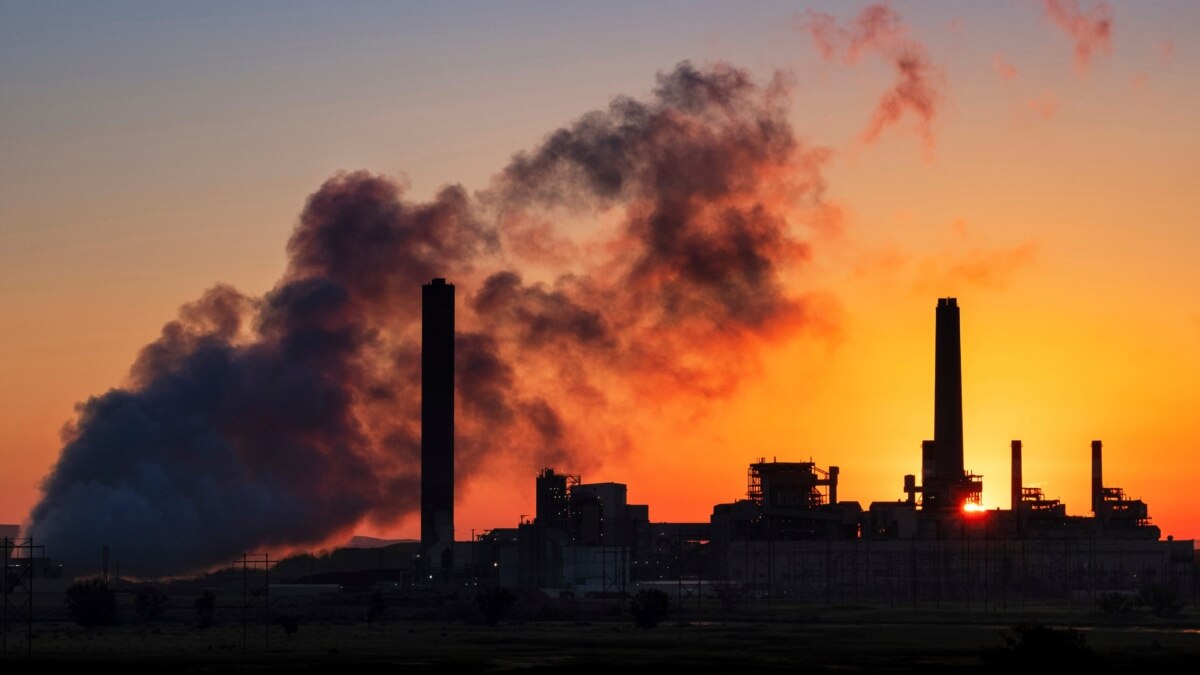
According to a World Bank research from last year, up to 132 million extra people may experience severe poverty by 2030 as a result of climate change. Losses from farming, decreasing outdoor labor productivity, rising food prices, an increase in sickness, and financial losses from bad weather were among the contributing factors. Currently, some effects cannot be undone. More people are dying from the heat, more plants are dying from drought, and more coral reefs, which are the oceans' indificators, are dying as a result of ocean warming. The report warned that if nothing is done, things will get worse faster than anticipated.
Global warming is included in the phrase "climate change," but it also refers to a wider spectrum of planetary phenomena. The potential future effects of global climate change include more frequent wildfires, longer periods of drought in some areas, and an increase in the wind intensity and rainfall from tropical cyclones. These include rising sea levels, melting mountain glaciers, accelerating ice melt in Greenland, Antarctica, and the Arctic, and shifts in flower/plant blooming times.
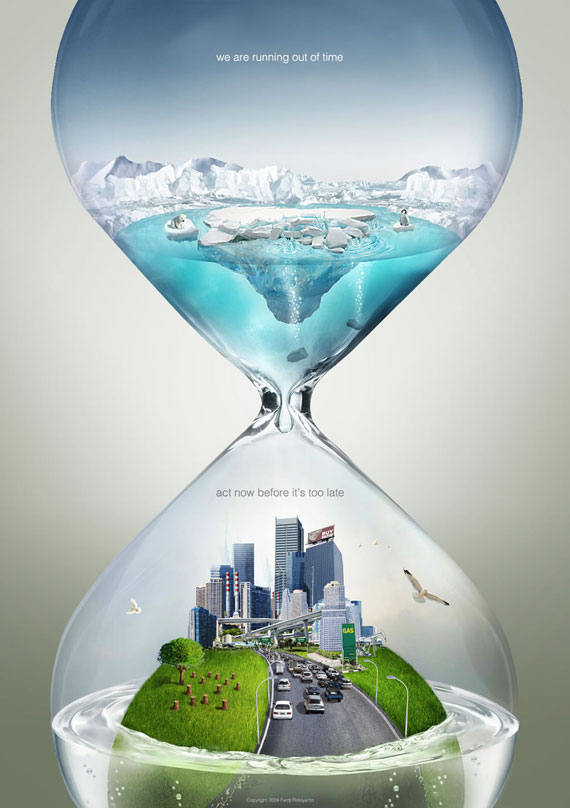
Stop global warming By 2050, global efforts to cut short-lived climate pollutants can stop global warming by 0.6°C. To reduce global warming's rate and hit the Paris Agreement's 2°C target, carbon dioxide and other short-lived climate pollutants must be cut from emissions.
Global emissions must peak right away, plummet over the following decades, and reach net zero by the middle of the century at the latest if we're to stay under 1.5°C. Therefore, we must take immediate action to combat climate change.
Their are the some of Action in Climate Change:
Everyone can help limit climate change. From the way we travel, to the electricity we use and the food we eat, we can make a difference. Start with these ten actions to help tackle the climate crisis.
Save energy at home
Much of our electricity and heat is powered by coal, oil and gas. Use less energy by lowering your heating and cooling, switching to LED light bulbs and energy-efficient electric appliances, washing your laundry with cold water or hanging things to dry instead of using a dryer.
Learn more about saving energy at home
The world's roads are clogged with vehicles, most of them burning diesel or petrol. Walking or riding a bike instead of driving will reduce greenhouse gas emissions - and help your health and fitness. For longer distances, consider taking a train or bus. And carpool whenever possible.
Eat more vegetables
Eating more vegetables, fruits, whole grains, legumes, nuts and seeds, and less meat and dairy, can significantly lower your environmental impact. Producing plant-based foods generally results in fewer greenhouse gas emissions and requires less energy, land and water

40
The Issue
Climate Change: The People Who Suffer from the Heat in our World
People who live in places that are susceptible to coastal storms, droughts, and sea level rise as well as those who are poor, elderly, and members of immigrant communities may be particularly affected by climate change. Similar to this, certain sectors and professions may experience significant hurdles as a result of climate change. Living near beaches, in storm-prone locations, or on floodplains makes people more susceptible to extreme weather. Poverty may make it harder for people to plan for or react to extreme disasters. These people are therefore anticipated to be more affected by climate-related risks.Climate change can also have an effect on human health by deteriorating air and water quality, accelerating the spread of specific diseases, and changing the frequency or severity of extreme weather events. Rising sea level threatens coastal communities and ecosystems.
Warming temperatures, altered precipitation patterns, an increase in the frequency or severity of some extreme weather events, and rising sea levels are all effects of climate change. These effects have an impact on the food we consume, the water we drink, the air we breathe, and the weather we encounter, endangering our health. The single greatest threat to human health is climate change, which is already having a negative impact on health through air pollution, disease, extreme weather events, forced displacement, stress on mental health, and increased hunger and poor nutrition in areas where people cannot grow or find enough food. More extreme weather events and wildfires, decreased air quality, and diseases spread by insects are other effects of climate change that will have a negative impact on human health.
According to a World Bank research from last year, up to 132 million extra people may experience severe poverty by 2030 as a result of climate change. Losses from farming, decreasing outdoor labor productivity, rising food prices, an increase in sickness, and financial losses from bad weather were among the contributing factors. Currently, some effects cannot be undone. More people are dying from the heat, more plants are dying from drought, and more coral reefs, which are the oceans' indificators, are dying as a result of ocean warming. The report warned that if nothing is done, things will get worse faster than anticipated.
Global warming is included in the phrase "climate change," but it also refers to a wider spectrum of planetary phenomena. The potential future effects of global climate change include more frequent wildfires, longer periods of drought in some areas, and an increase in the wind intensity and rainfall from tropical cyclones. These include rising sea levels, melting mountain glaciers, accelerating ice melt in Greenland, Antarctica, and the Arctic, and shifts in flower/plant blooming times.
Stop global warming By 2050, global efforts to cut short-lived climate pollutants can stop global warming by 0.6°C. To reduce global warming's rate and hit the Paris Agreement's 2°C target, carbon dioxide and other short-lived climate pollutants must be cut from emissions.
Global emissions must peak right away, plummet over the following decades, and reach net zero by the middle of the century at the latest if we're to stay under 1.5°C. Therefore, we must take immediate action to combat climate change.
Their are the some of Action in Climate Change:
Everyone can help limit climate change. From the way we travel, to the electricity we use and the food we eat, we can make a difference. Start with these ten actions to help tackle the climate crisis.
Save energy at home
Much of our electricity and heat is powered by coal, oil and gas. Use less energy by lowering your heating and cooling, switching to LED light bulbs and energy-efficient electric appliances, washing your laundry with cold water or hanging things to dry instead of using a dryer.
Learn more about saving energy at home
The world's roads are clogged with vehicles, most of them burning diesel or petrol. Walking or riding a bike instead of driving will reduce greenhouse gas emissions - and help your health and fitness. For longer distances, consider taking a train or bus. And carpool whenever possible.
Eat more vegetables
Eating more vegetables, fruits, whole grains, legumes, nuts and seeds, and less meat and dairy, can significantly lower your environmental impact. Producing plant-based foods generally results in fewer greenhouse gas emissions and requires less energy, land and water
40
Petition created on May 11, 2023