
Support HB 462: Raising the Age to Protect Georgia's Youth from Adult Prisons
Support HB 462: Raising the Age to Protect Georgia's Youth from Adult Prisons
The Issue
Georgia's youth deserves a second chance!
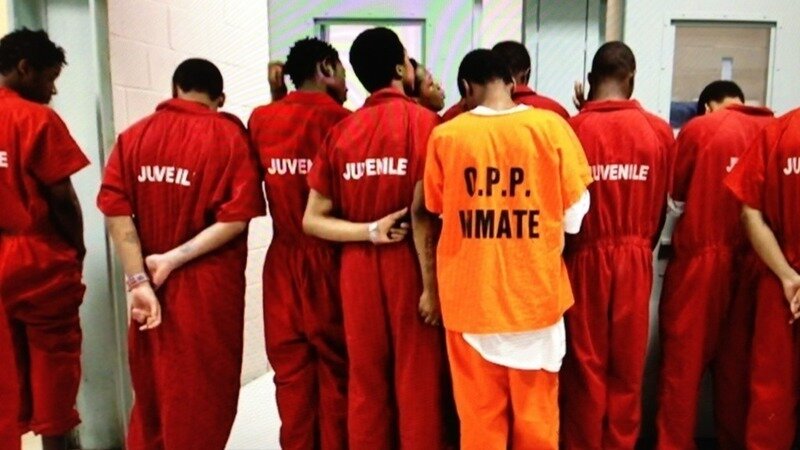
Did you know Georgia is 1 out of the 3 states left, along with Texas and Wisconsin, to charge 17-year-olds accused of crimes as adults within the criminal justice system? The reason that this is an issue is because young individuals that are charged as adults typically receive harsher sentences than those who are charged as juveniles with similar crimes. To add fuel to the fire, individuals of color are disproportionately represented in the criminal justice system, even if they have the same type of offenses as their white counterpart. As a result, when incarcerating children as adults, it puts them at risk for abuse, negative mental and physical health, high recidivism rates, etc.
Which is why I urge you to support Georgia’s House Bill (HB) 462. This bill’s goals are to raise the age of juvenile court jurisdiction within the state of Georgia to include 17-year-olds. I believe that those 17 and under deserve the opportunity to learn and grow through rehabilitative programs that support their development and well-being rather than imprisonment.
Here are more compelling reasons why supporting HB 462 is essential:
1) Brain Development: In Graham v. Florida (2010), the U.S. Supreme Court found that all 17-year-olds are categorically less culpable than adults by showing evidence that the brain does not cease to mature until the early 20s in those relevant parts that govern impulsivity, judgment, planning for the future, foresight of consequences. By treating the youth as adults, it ignores this crucial aspect of brain development and removes their ability to achieve rehabilitation.
2) Rehabilitation Success: The National Institute of Justice found that youth who remain within the juvenile justice system have higher chances of successful rehabilitation compared to those processed through adult courts because of their use in holistic approach to rehabilitation. The juvenile justice systems use interventions such as: mental health treatment/substance abuse counselors, evidence-based programs that aid with social skills development, problem-solving skills, and crisis management, job readiness training, etc.
3) Cost-Effectiveness: A study conducted by The Pew Charitable Trusts found that states who have raised the age of juvenile court jurisdiction had a reduction in recidivism rates among young offenders, which also saved significant taxpayer dollars.
With your support for HB 462, we can advocate for equity within the criminal justice system. This bill will provide non-violent 17-year-olds, who are first-time offenders, with an opportunity to receive support, guidance, and rehabilitation needed to successfully re-integrate into society and help with their overall well-being.
By signing this petition, we can engage with Georgia’s legislators and local sheriffs to recognize the importance of passing HB 462 that raises the age of juvenile court jurisdiction to 17. Let’s make sure to end the practice of sending Georgia’s youth to adult prisons!
These are some organizations who support HB462 and have additional information:
Voices for Georgia's Children
Southern Center for Human Rights
End Mass Incarceration Georgia Network
Sources:
- Centers for Disease Control and Prevention (CDC). "Youth Violence: Risk & Protective Factors." National Center for Injury Prevention and Control.
-Graham v. Florida. 560 U.S. 48. 2010.
- National Institute of Justice. "Juvenile Transfer Laws: An Effective Deterrent to Delinquency?" Office of Juvenile Justice and Delinquency Prevention.
- The Pew Charitable Trusts. "The Case for Raising the Age: A Cost-Benefit Analysis." Public Safety Performance Project.

182
The Issue
Georgia's youth deserves a second chance!
Did you know Georgia is 1 out of the 3 states left, along with Texas and Wisconsin, to charge 17-year-olds accused of crimes as adults within the criminal justice system? The reason that this is an issue is because young individuals that are charged as adults typically receive harsher sentences than those who are charged as juveniles with similar crimes. To add fuel to the fire, individuals of color are disproportionately represented in the criminal justice system, even if they have the same type of offenses as their white counterpart. As a result, when incarcerating children as adults, it puts them at risk for abuse, negative mental and physical health, high recidivism rates, etc.
Which is why I urge you to support Georgia’s House Bill (HB) 462. This bill’s goals are to raise the age of juvenile court jurisdiction within the state of Georgia to include 17-year-olds. I believe that those 17 and under deserve the opportunity to learn and grow through rehabilitative programs that support their development and well-being rather than imprisonment.
Here are more compelling reasons why supporting HB 462 is essential:
1) Brain Development: In Graham v. Florida (2010), the U.S. Supreme Court found that all 17-year-olds are categorically less culpable than adults by showing evidence that the brain does not cease to mature until the early 20s in those relevant parts that govern impulsivity, judgment, planning for the future, foresight of consequences. By treating the youth as adults, it ignores this crucial aspect of brain development and removes their ability to achieve rehabilitation.
2) Rehabilitation Success: The National Institute of Justice found that youth who remain within the juvenile justice system have higher chances of successful rehabilitation compared to those processed through adult courts because of their use in holistic approach to rehabilitation. The juvenile justice systems use interventions such as: mental health treatment/substance abuse counselors, evidence-based programs that aid with social skills development, problem-solving skills, and crisis management, job readiness training, etc.
3) Cost-Effectiveness: A study conducted by The Pew Charitable Trusts found that states who have raised the age of juvenile court jurisdiction had a reduction in recidivism rates among young offenders, which also saved significant taxpayer dollars.
With your support for HB 462, we can advocate for equity within the criminal justice system. This bill will provide non-violent 17-year-olds, who are first-time offenders, with an opportunity to receive support, guidance, and rehabilitation needed to successfully re-integrate into society and help with their overall well-being.
By signing this petition, we can engage with Georgia’s legislators and local sheriffs to recognize the importance of passing HB 462 that raises the age of juvenile court jurisdiction to 17. Let’s make sure to end the practice of sending Georgia’s youth to adult prisons!
These are some organizations who support HB462 and have additional information:
Voices for Georgia's Children
Southern Center for Human Rights
End Mass Incarceration Georgia Network
Sources:
- Centers for Disease Control and Prevention (CDC). "Youth Violence: Risk & Protective Factors." National Center for Injury Prevention and Control.
-Graham v. Florida. 560 U.S. 48. 2010.
- National Institute of Justice. "Juvenile Transfer Laws: An Effective Deterrent to Delinquency?" Office of Juvenile Justice and Delinquency Prevention.
- The Pew Charitable Trusts. "The Case for Raising the Age: A Cost-Benefit Analysis." Public Safety Performance Project.
182
The Decision Makers


Petition Updates
Share this petition
Petition created on August 29, 2023